Algal bloom disaster sinks millions of dollars, new report reveals
A new report shows SA’s harmful algal bloom has cost hundreds of millions of dollars, the state’s peak environmental body calling on fossil fuel polluters to pay the bill.
A new report reveals the cost of the state’s devastating algal bloom, with the blow to the tourism industry in excess of $46.8 million, fisheries losing more than $100 million, and the state government shelling out around $102.5 million.
The report, titled Polluters pay?: The cost of South Australia’s algal bloom and who should pay was commissioned by the Conservation Council of South Australia and independently compiled by Springmount Advisory.
Among those sectors most affected were the fishing industry and tourism operators, who “are bearing the costs of this ongoing disaster”.
Tom Quinn, who is managing director at Springmount Advisory, said that “at this point in time it’s looking like, at a minimum, we’ve got about a quarter of a billion dollars’ worth of damage from the algal bloom to the South Australian economy”.
Quinn said the most shocking finding was the total collapse of King George whiting, southern garfish and southern calamari.
“We went in knowing that there would be damage, but you’re thinking, ‘Oh well, you know, it is 20 per cent or 50 per cent, but to see a 100 per cent collapse in catch, that’s catastrophic – that’s like unlike anything I’ve ever seen before,” he said.
“But the other thing that’s shocking is in terms of the industries, the fossil fuel industry in particular in South Australia, that is causing climate change, that is causing this economic collapse of key industries.”
You might like


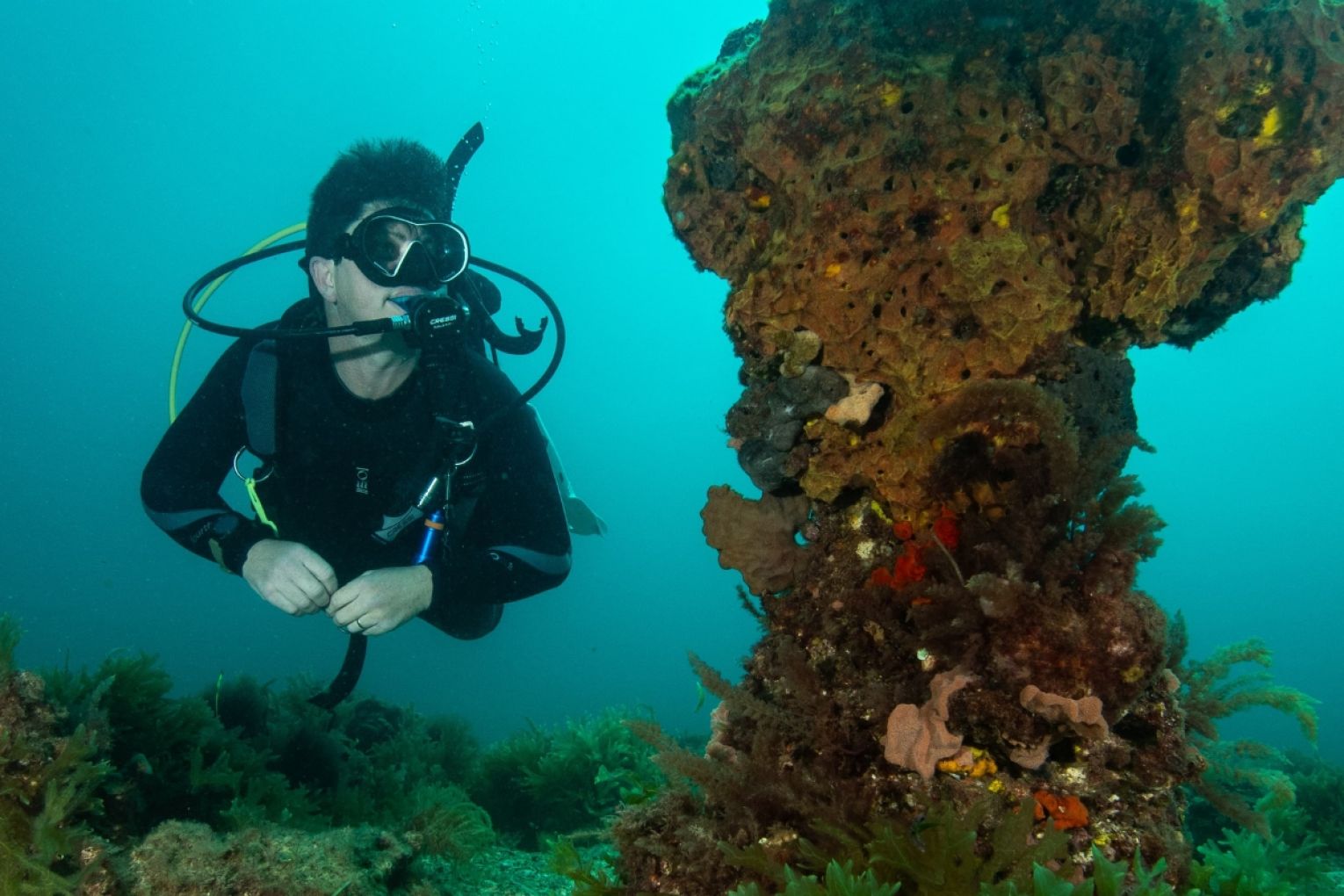
For Adelaide Scuba marine operations manager Rob Blackburn, the algal bloom’s toll has been significant, with the number of people joining scuba diving classes down by about a quarter.
“I don’t know a single diver that isn’t affected by this bloom emotionally,” he said.
‘It’s been a really challenging, not just when you go for a dive, which is our recreation as well – it’s not just a profession.
“You watch your environment die in front of you, and revisiting an empty reef is distressing as well.”
Blackburn started to notice an improvement in ocean waters in November and December, but said many former course participants have never returned, with many still hesitant to jump in the water.
He said the government’s Coast is Calling vouchers had been helpful in attracting new divers, but claimed there were too many hoops to jump through for other handouts.
“We went from dive sites with massive amounts of fish life and life in general all over them, and they were replaced with nothing,” he said.
“The algal bloom essentially killed most of the animals and some of the plants in the areas we dive in, making it fairly barren.”
Stay informed, daily
However, Blackburn was optimistic the coast would recover.
“We’re seeing a lot of fish come back, so I think there’s a lot to be said for the resilience of the reef and the ecosystem that we have,” he said.
The report argues that South Australian fossil-fuel producers contribute to ecological disasters such as the algal bloom by polluting and should therefore pay for recovery efforts.
“In the case of damage caused by climate-linked events—such as those associated with the Harmful Algal Bloom—there is a credible case for South Australia’s largest gas and oil polluters to contribute to the costs of clean up and economic relief to affected industries,” it states.
Conservation Council of South Australia CEO Kirsty Bevan, who is a member of the government’s Algal Bloom Reference Group, claimed there had been lots of money spent on research into understanding the bloom but “very little on the environment”.
“I wanted to really highlight the fact that nature underpins all of those businesses and people’s wellbeing, and if we’re not investing proactively in nature, then we often have to deal with a much more expensive cost, which ratepayers, businesses are the ones that bear that cost,” she said.
Bevan said that what stood out to her in the report was the quantity of greenhouse emissions that are released from South Australia, which she said contributed to the algal bloom.
She called on these industries to pay for the damage caused by the algal bloom through a “polluter pays ” policy similar to a fossil fuel tax.
“Five, 10 years ago, we had modellers predicting that with climate change we’d get events like this … the first step is making the polluters pay, so alleviating some of the pressure, but really, the long-term plan has to be a transition from fossil fuels,” she said.
A government spokesperson said: “The dynamic nature of the algal bloom means that economic impacts are still being experienced and assessed”.
“We are investing more than $160 million in science, research and monitoring and supporting our coastal communities and businesses to recover from this unprecedented event,” he said.
The spokesperson said various grants ranging from $25,000 to $350,000 were available for businesses impacted by the algal bloom, while dining cashbacks, travel vouchers and free access to coastal parks were “injecting millions into the visitor economies of coastal destinations affected by the bloom”.
Work had continued to engage with industry and businesses to provide targeted support, he said.
Latest algal bloom testing results from Friday, March 6, showed no or low levels of Karenia – which causes the algal bloom – at 21 metropolitan onshore sites, with the southwest of Yorke Peninsula remaining the only active bloom area in the state.

Want to see more stories from InDaily SA in your Google search results?
- Click here to set InDaily SA as a preferred source.
- Tick the box next to "InDaily SA". That's it.