Tree protection for river red gums wound back for Salisbury and private schools
An outspoken tree advocate is slamming new rules giving Salisbury the go ahead to chop down four species – including river red gums – and private schools now allowed to remove significant trees. The Planning Minister says residents should not have to put up with “inappropriate” plantings.
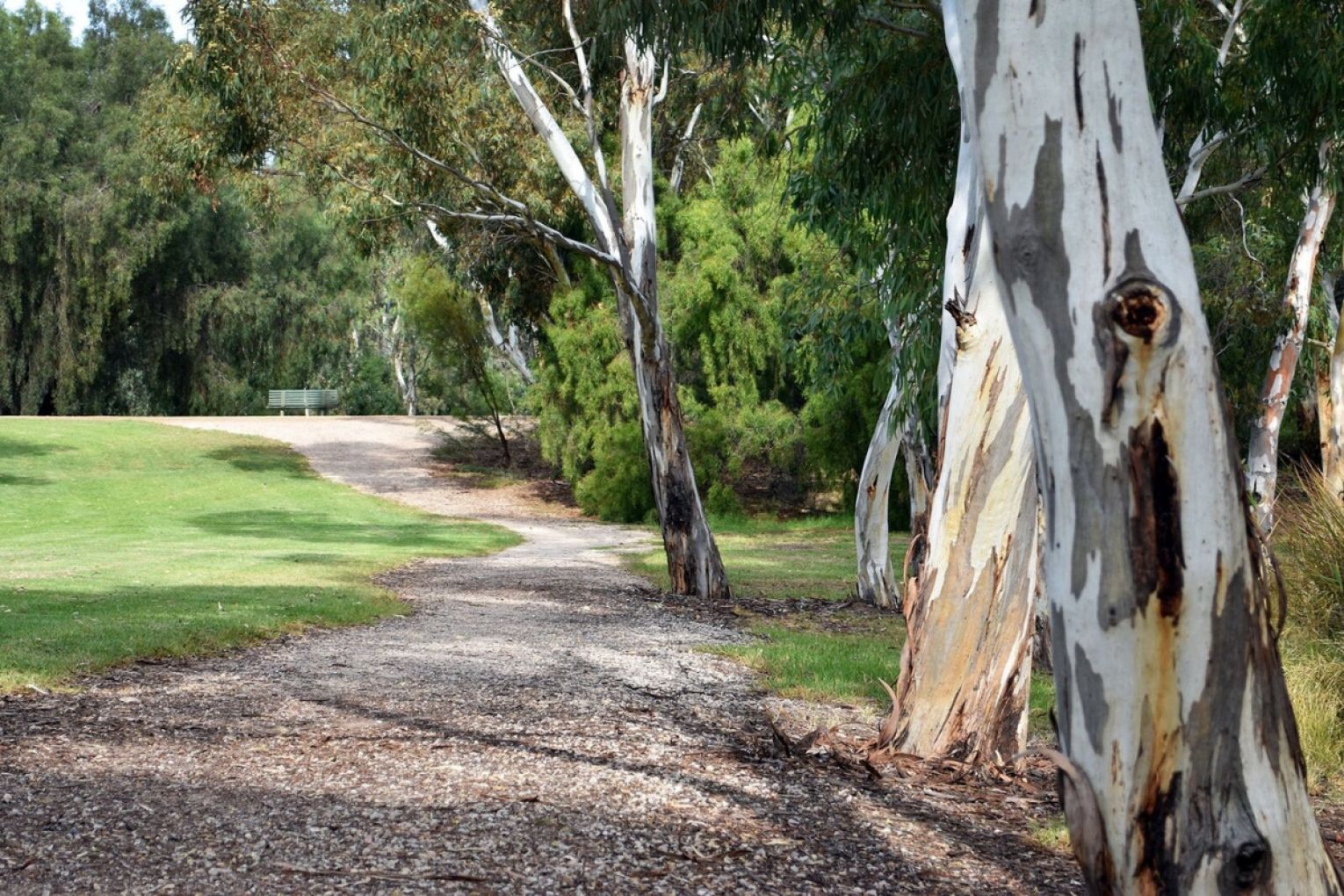
Four species of eucalyptus can now be removed without planning approval on land owned by the City of Salisbury after recent changes to the Planning, Development and Infrastructure (General) Regulations 2017.
Under the changes, ironbarks or Eucalyptus sideroxylon, river red gums or camaldulensis, inland redbox intertexta, and yellow gum or leucoxylon are now exempt from the regulations.
According to the University of Adelaide’s Future Trees Project in November 2023, there were 7020 Eucalyptus sideroxylon, 1750 Eucalyptus camaldulensis, 5,640 Eucalyptus intertexta and 10,939 Eucalyptus leucoxlon in Salisbury. This includes trees that are not exempt from the regulations that only cover those growing on council land.
It comes after Planning Minister Nick Champion approved changes in November last year to exempt private schools from requiring council approval to remove any significant or regulated tree. Exemptions had been in place for public schools since 2017.
Tree advocate Tom Morrison labelled the exemptions “totally illogical” and “a knee-jerk reaction to problems that don’t really exist”.
“The City of Salisbury has historically had issues with ironbark trees out there, which are one of the species that have been exempt, and to some extent, I can understand how that exemption has come about,” he said.
“What makes no sense at all is, particularly for the City of Salisbury exemption, is the addition of the other three species that were exempt.”
You might like
Champion backed the decision, saying “residents in the northern suburbs should not have to put up with completely inappropriate street trees while residents in the eastern, western and southern suburbs enjoy well-chosen, well-maintained street trees that actually provide shade and amenity”.
“These are not 200-year-old trees – they are street trees planted in the 1970s and ’80s that are simply not appropriate for suburban streets,” he said.
“Ironbarks have fast-growing, invasive root systems that tear up roads, footpaths, sewerage and stormwater pipes, creating safety hazards and significant cost for council and ratepayers.”
Morrison said that tree protections were initially introduced to prevent unnecessary removals, “noting the significant benefits that they provide in our urban environment, from reducing urban temperatures, slowing down wind speeds and stormwater”.
“When you add blanket exemptions like this in there, it fundamentally undermines the original intent of reducing unnecessary removal of trees,” he said.
Morrison hoped the exemptions would only be used sparingly, saying the removal of trees would impact animal habitats.
“If you take the River Red Gum, for example, that is a pretty key species here in South Australia for habitat, whether that is providing hollows in a lot of the older trees or that sort of thing. So, it will have a very large impact over time,” he said.
He was unsure of how many trees had been chopped down since the exemptions were enacted and was unaware if similar carve-outs were being considered for other councils.
Stay informed, daily
“To give Labor credit, they have reformed the tree laws when they made those large bulk of changes a couple of years ago … then you have these two exemptions here, which doesn’t really have any evidence base at all,” Morrison said.
“That really frustrates me because if you’re not making evidence-based decisions in this space, you can’t put back the trees overnight.”
Champion said the City of Salisbury had a “measured tree replacement program that will be implemented gradually over time”.
“The replacement program is expected to improve the urban canopy, as ironbarks tend to have narrow canopies and the replacement trees will be better suited as street trees providing good shade,” he said.
“The government is absolutely committed to ensuring children are safe within playground environments, regardless of whether a school is public or private.
“These exemptions relate to trees that pose a safety risk within school grounds and playground areas.”
A City of Salisbury spokesperson confirmed that the council requested exemptions for these four species on council verges, saying it was not seeking other exemptions at the moment.
“Our community has identified these trees as causing the most concern to safety and damage to community assets,” she said.
“These changes will help us to better manage our trees and ensure we have suitable street trees in our community long-term.”
The council spokesperson said that since the legislative changes came into effect, a total of four trees had been removed “due to declining health”.
“Council street trees continue to be managed in accordance with Council’s tree management policies and procedures, which consider factors such as tree health, public safety, infrastructure impacts and environmental value,” she said.
“If a tree is to be removed, contractors assess the tree in advance to determine if it is providing habitat for wildlife and time removal accordingly.”
The spokesperson said that for every regulated tree removed under the changes, two new trees will be planted, while three new trees will be planted for every significant tree removed.
The City of Salisbury has also established an Urban Tree Fund to help residents maintain mature trees on private land, the spokesperson said.
“Council is committed to maintaining shade from trees over the entire Council area and has recently endorsed a tree management strategy looking at the role trees will play in streetscapes, reserves, biodiversity corridors, and non-Council owned land,” she said.
Want to see more stories from InDaily SA in your Google search results?
- Click here to set InDaily SA as a preferred source.
- Tick the box next to "InDaily SA". That's it.