Mali’s message to One Nation voters: ‘Who’s gonna wipe your bum when you’re 90?’
SA needs an extra 2000 migrants a year to deliver major plans to turn the state into a high-wage economy, the Premier said today, lambasting One Nation’s immigration policies.
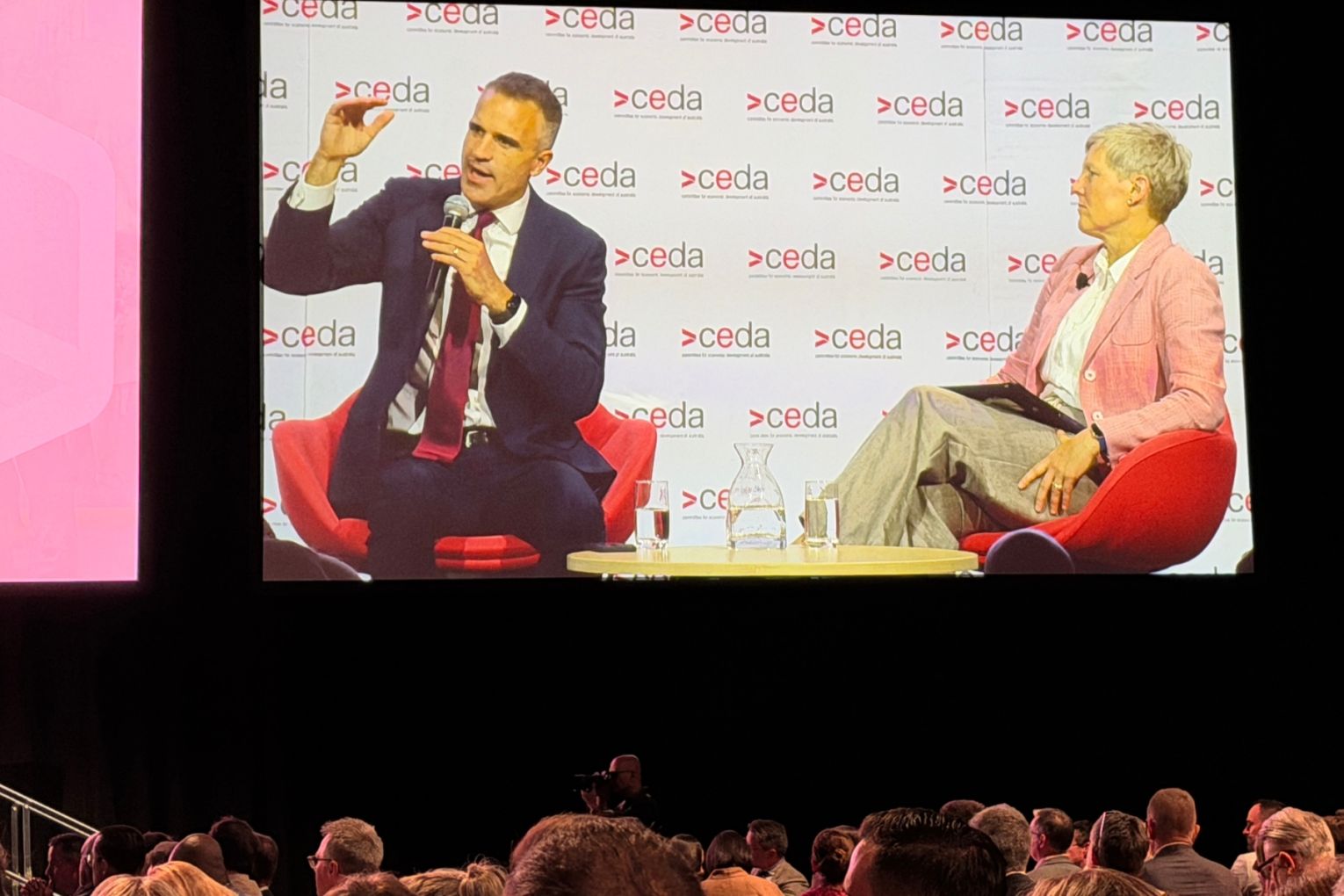
In a speech to business leaders today, South Australian Premier Peter Malinauskas revealed his multi-decade plans to transform the state through mining and defence work and the important role immigration has to play.
Spelling out how the state needed an extra 2011 skilled migrants a year to deliver major projects like nuclear submarine building and copper mining in the state’s far north, the Premier did not mince words about his political opponents taking an anti-immigration stance.
“You can either hold back the wave of jobs coming our way or we can prepare for them now. Why on earth would we have a policy debate in this country about holding back high-paid jobs,” Malinauskas said.
He said the extra skilled migrants would come on top of the estimated 20,000 people per annum that the population is expected to grow at naturally.
This has spurred a new housing target of 13,500 new homes per year in South Australia to “seize the generational opportunities that are set to transform the state”, announced today by the Labor party.
Recognising that there were “no votes in saying the number needs to go up”, Malinauskas said he wanted to stand firm against rising anti-immigration sentiment in the Australian community, emboldened by the popularity of far-right political groups. Recent polling has shown a surge in support for far-right Pauline Hanson’s One Nation and a more conservative Angus Taylor-led Australian Liberal Party.
You might like

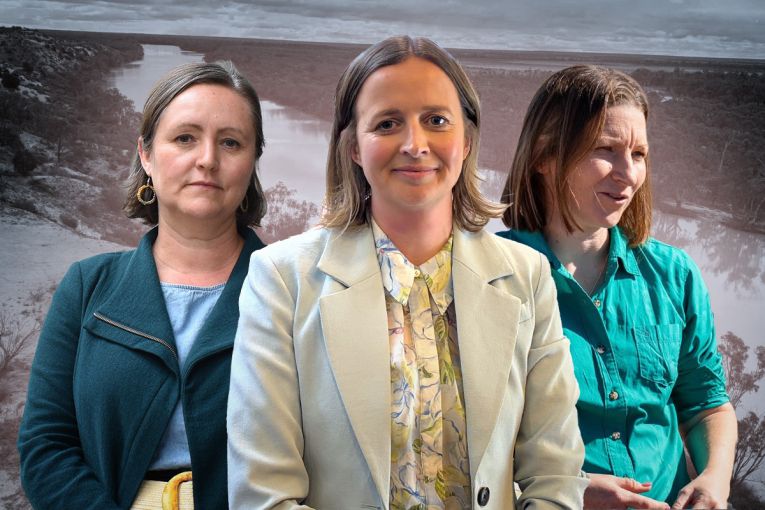
“I’ve been pretty consistent about my views on this for a long period of time,” he said during the Q&A section of his address to a Committee for Economic Development of Australia lunch at the Adelaide Convention Centre.
“I saw the [One Nation] campaign launch when they announced Cory [Bernadi] running for One Nation. When you look at it, it’s interesting. You saw a lot of Australian flags… with people wrapping themselves around the flag – and that’s ok, I’m cool with that, because I like our flag too.
“I might have a slightly different view about what our flag represents. I don’t look at the Australian flag and see a misdirected sense of nationalism. I don’t look at the flag and see colonial oppression. I see a flag that has been party to our country and the record prosperity and peace that we have been able to generate.”
He said politicians needed to inject “a little bit of fearlessness and frankness into the political discourse”.
His message to One Nation voters was: “Who’s going to feed you and bathe you and wipe your bum when you’re 90?”
“Because it ain’t going to be your kids, because if I get my way, they’re going to be working on submarines with high-paying jobs so they can afford to own their home that has been built by someone, so who’s going to do that work?
Stay informed, daily
“The really physically demanding jobs on housing construction have always been performed, traditionally, by waves of migrants – the concreters, the bricklayers, the roofers, in 40-degree temperatures. That was the Greeks and Italians – I’m talking generalisations.
“If we’re taking people out of the housing construction industry to work on the submarines — because they’re going to have to be Australian citizens — we’re going to need people to do that work in aged care.
“I’m not going to be the politician who wraps myself in a flag and then says ‘I don’t want to let people come into South Australia who are going to do the work that no one else wants’.
“And by the way, just like Malinauksas isn’t a name that came out on the first fleet, nor is Bernadi.”
“Immigration policy is not discerning enough. It’s not delivering on the housing construction skills we need, and is instead making our housing crisis much worse than it needs to be,” he said.
“The Premier needs to focus on a home-grown South Australian workforce that addresses skills shortages across all industries, not just naval construction. South Australians struggling to buy a home or find an affordable rental can’t live in submarines.”
It follows a flurry of significant announcements from the Malinauskas government in recent days, including the $30 billion price tag for an enormous nuclear submarine manufacturing hub at Osborne, backed by a $3.9 billion down payment from the federal government.
On Monday, the Premier released the Labor party’s new skills policy. Costing $27 million, it would generate 1000 new university, TAFE, trade and upskilling opportunities for AUKUS-related jobs.

Want to see more stories from InDaily SA in your Google search results?
- Click here to set InDaily SA as a preferred source.
- Tick the box next to "InDaily SA". That's it.