Parkinson’s diagnosis at age 43 flipped Jessica’s world upside down
When Jessica Zammit was diagnosed with early onset Parkinson’s disease she was left “scared” and “lost”. Now, a vital SA service supporting her has won a multimillion-dollar boost.
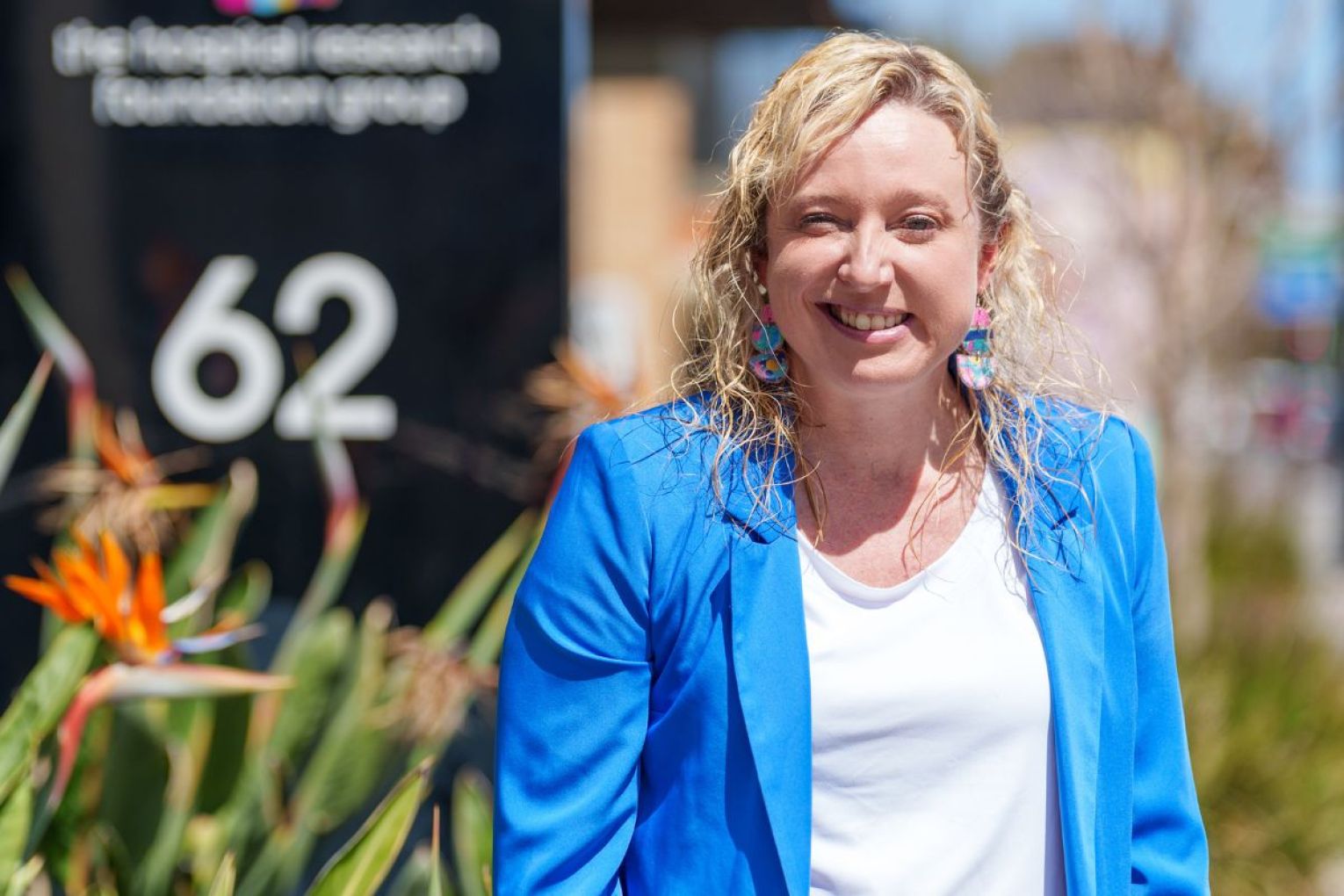
“When you hear the words that you actually do have early onset Parkinson’s, your world just all of a sudden is flipped totally upside down,” Zammit told InDaily about learning she had early onset Parkinson’s disease at the age of 43.
“When I first was diagnosed in 2021, I had no support, and that support has grown over the years.”
With the assistance from her Parkinson’s specialist nurse, the now 47-year-old feels she has regained independence.
“What a Parkinson’s nurse gives me is different. They provide me and others something that doctors don’t provide; they help me find ways to adapt to changes and keep my independence.”
The Parkinson’s Nurse Specialists Service, run by The Hospital Research Foundation Group (THRFG), was formed in 2022 to fill the gap in care for the growing number of South Australian’s living with Parkinson’s.
You might like

Data from Parkinson’s Australia showed SA currently has the highest prevalence of the disease per head of population with more than 7,000 people across the state affected. The hospital research foundation said the number was expected to double in the next 15 years.
Since the service’s inception, specialist nurses have provided one-on-one support for more than 2,500 clients, where they assist in advice, education, medical appointments and client and carer needs assessments.
Zammit recently came off her medication in preparation for Deep Brain Stimulation surgery on 25 February, a procedure that involves implanting electrodes into the brain.
The surgery would treat her symptoms which had become “progressively worse”.
Stay informed, daily
“When the neurologist starts talking about Deep Brain Stimulation surgery, your stomach just drops, your head is spinning and sometimes you cry,” she said.
“In those moments, to have a Parkinson’s nurse beside me in the appointment helps, because she can absorb information which can be so overwhelming.”
Zammit said she would “love to see the nursing program grow” and offer further support for people in rural communities living with the disease.
“It’s hard for them in general to have the care that we have in the city — the nurses do some rural stuff and I’m hoping they’ll do more.”
This week, the state government and THRFG secured a four-year co-funding agreement with the service receiving a $2.5 million boost from the government.
THFRG CEO Professor Paul Flynn said the nurse specialists had been “invaluable” in supporting people and families living with Parkinson’s.
“An independent evaluation found this service delivered yearly benefits of $1,197 for people living with Parkinson’s and saved the healthcare system $1,569 per client,” he said.
“This commitment will ensure that people living with Parkinson’s across the state can continue to access specialised one-on-one care, free of charge.”
Health Minister Chris Picton said the government would continue to invest in the Parkinson’s Nurse Specialist Service.
“It was clear when we came to government that people living with Parkinson’s and other neurological conditions weren’t getting the support they needed.
“Services like these go a long way to helping South Australians access specialist support without needing to visit a GP or hospital.”
Want to see more stories from InDaily SA in your Google search results?
- Click here to set InDaily SA as a preferred source.
- Tick the box next to "InDaily SA". That's it.