First look: Festival Centre set to reopen after $55m reno
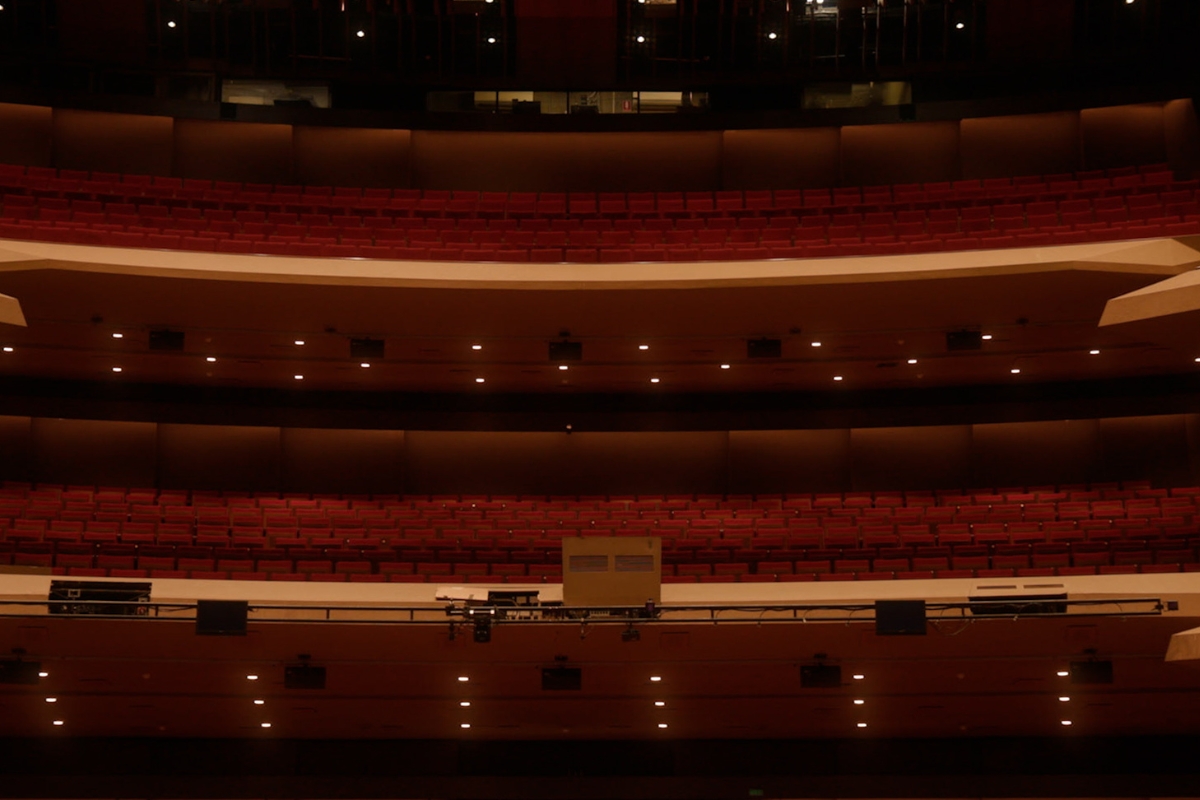
Adelaide Festival Centre is re-opening in February after six-months of extensive renovations. InDaily gets a sneak peek of what you can expect from striking new Spanish furniture to tributes to the building’s modernist architecture. See the pictures.
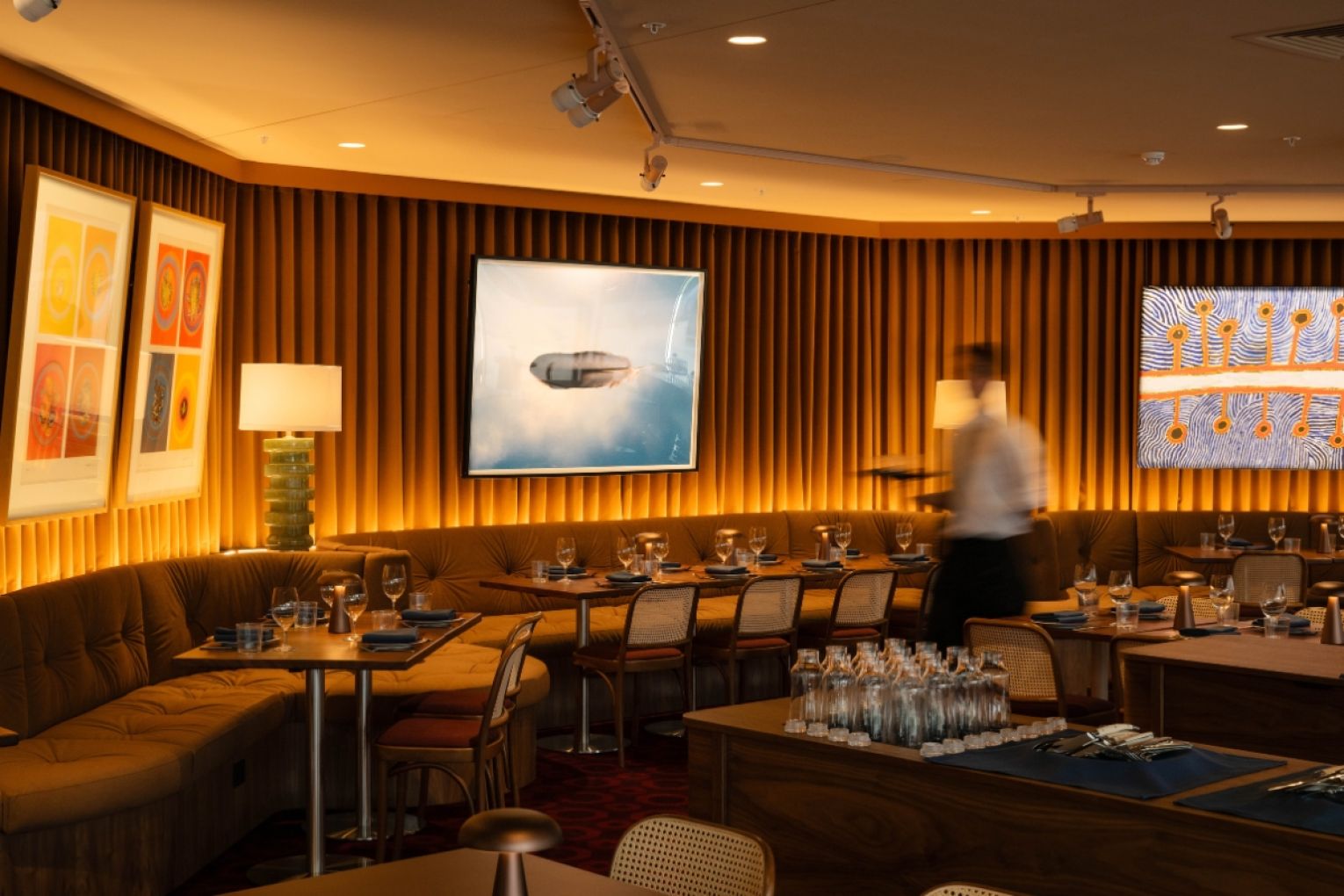
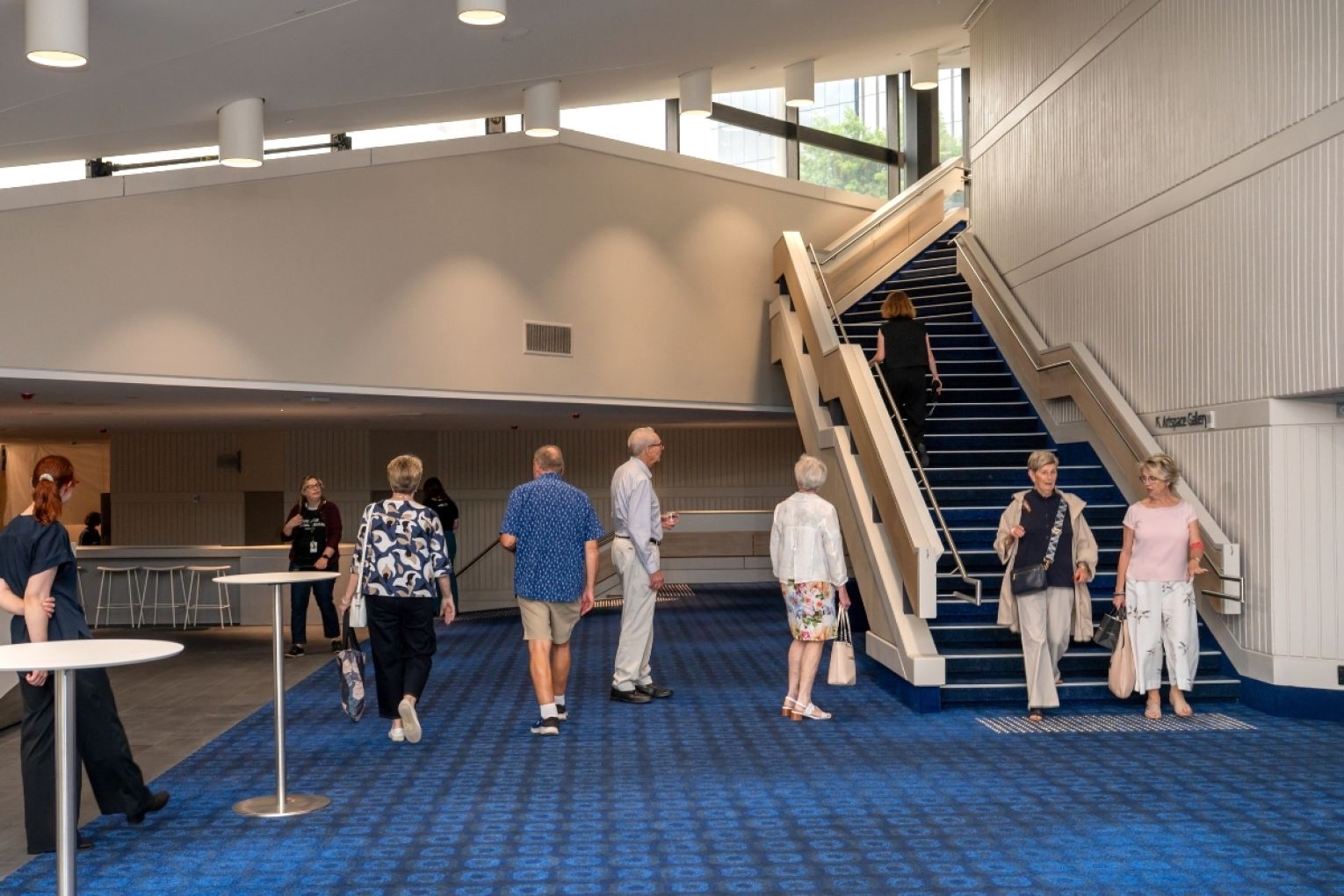
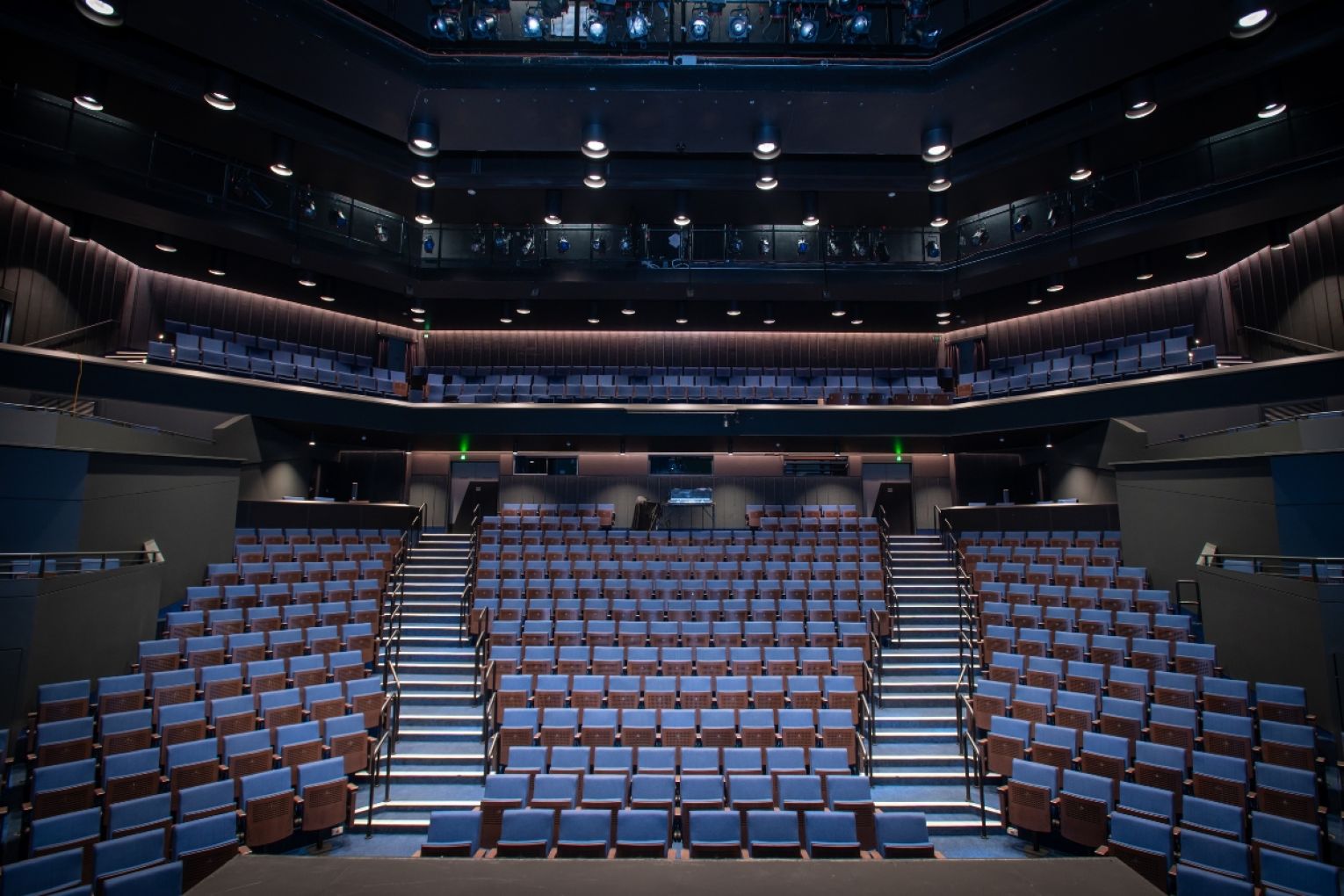
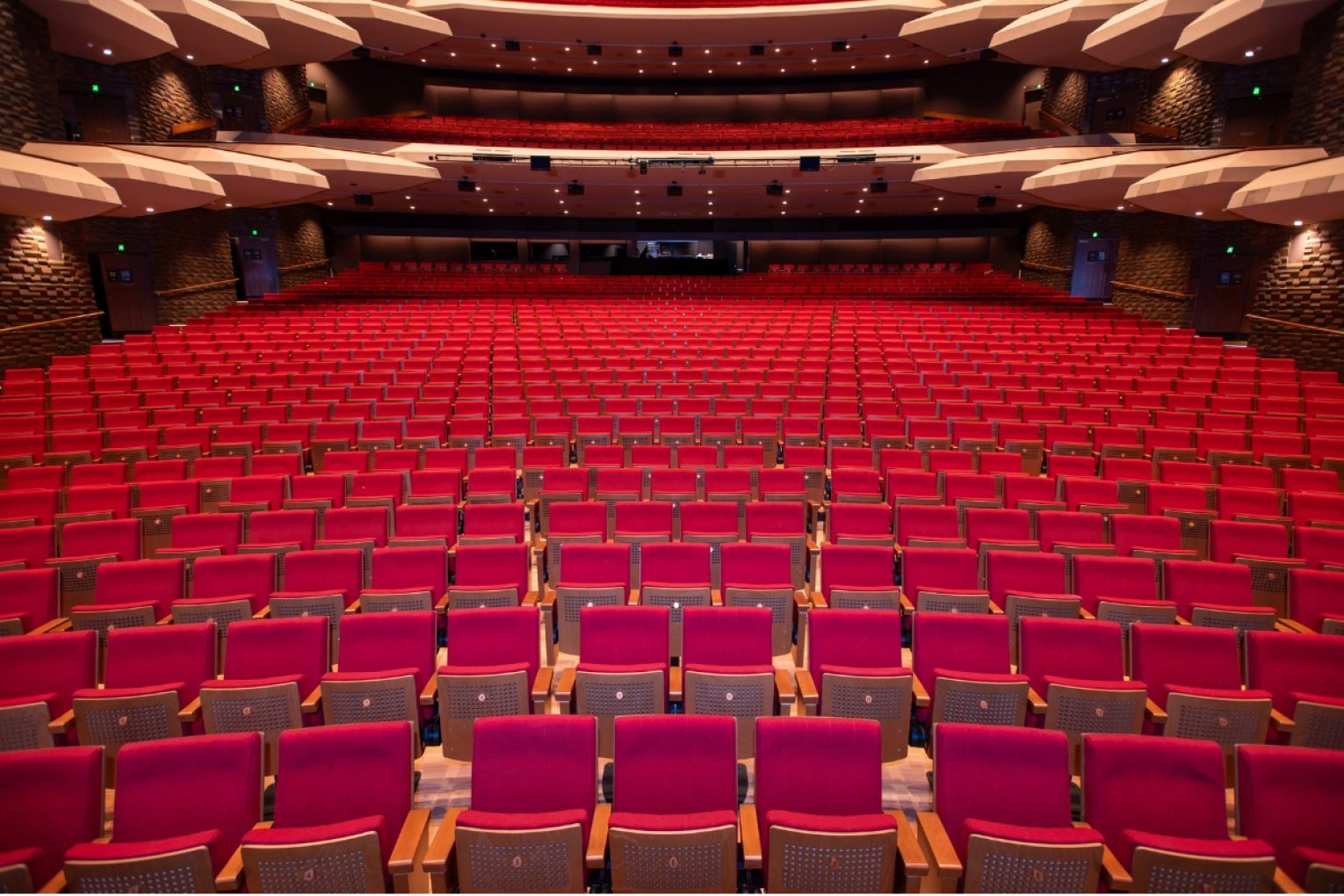
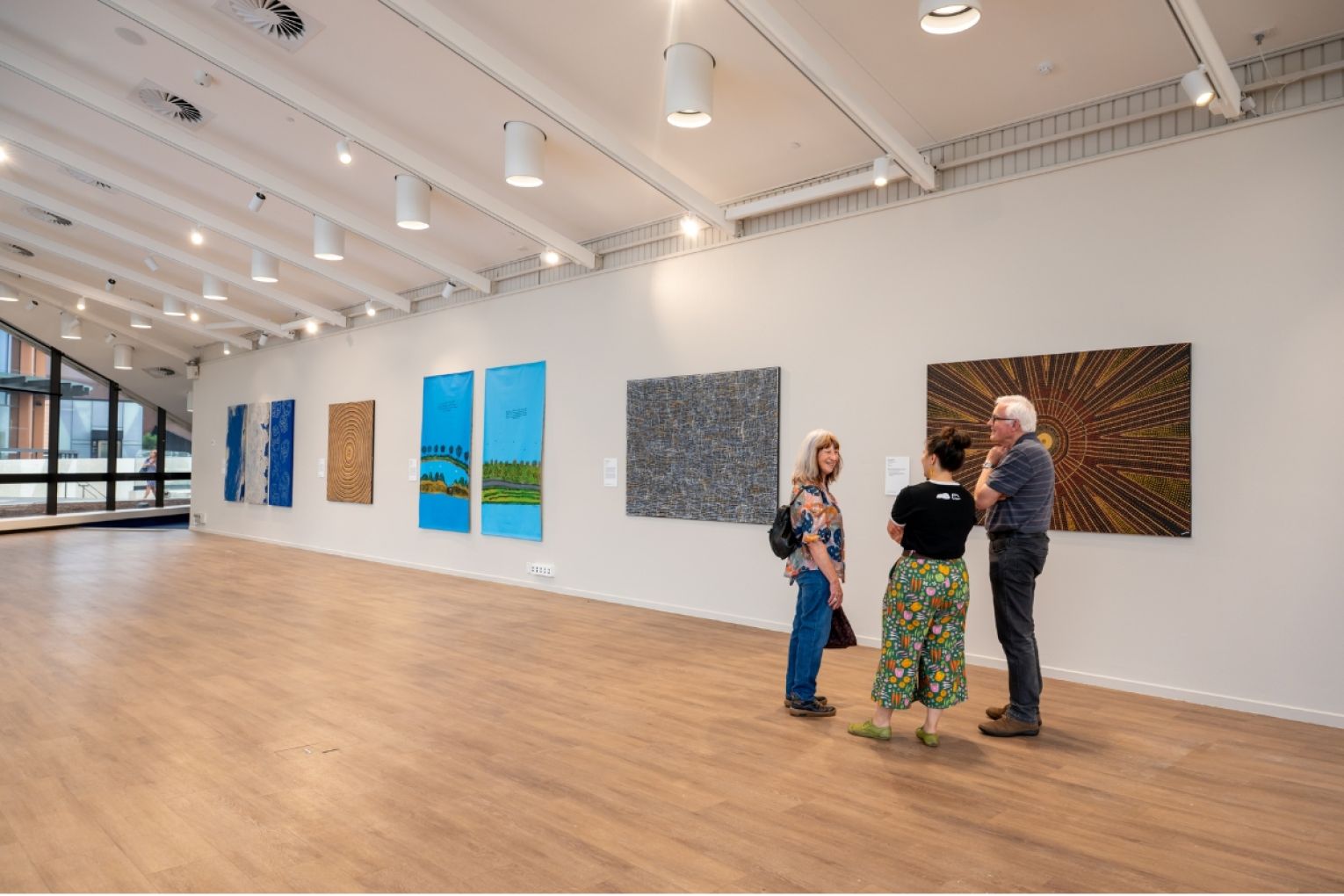
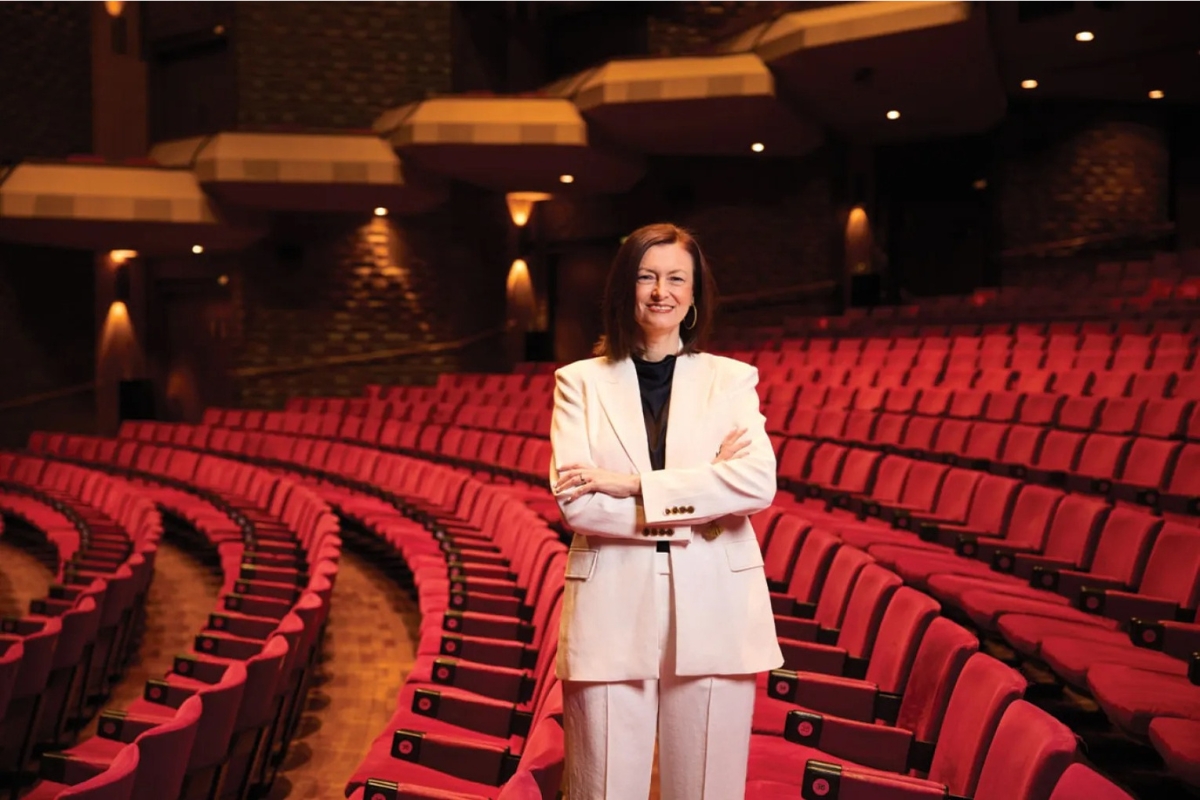
New Adelaide Festival Centre CEO Kate Gould said the major refurbishment of the Adelaide Festival Centre was designed to attract new audiences and artists, as well as to “elevate” the experience of the performing arts space – with major works now completed on a new restaurant with striking new fittings and new stages.
“Part of that experiencing art, it’s seeing a show, it’s having fabulous food, it’s having a whole experience that stays with you for a long time,” Gould said.
Gould, who started in the role in June last year and has been overseeing work, said $35 million was spent on the main building infrastructure, including refurbishing the stage flooring in Dunstan Playhouse and Space Theatre.
While a further $20 million from the Adelaide Festival Centre’s reserves was spent on aesthetic and functional upgrades.
Gould said they took the opportunity of the Festival Centre’s rare closure to carry out other upgrades as well.
“Every week you’re closed, it’s very expensive, so the organisation took the opportunity to do other things as well, that are increasing patron comfort and artist amenities,” she said.
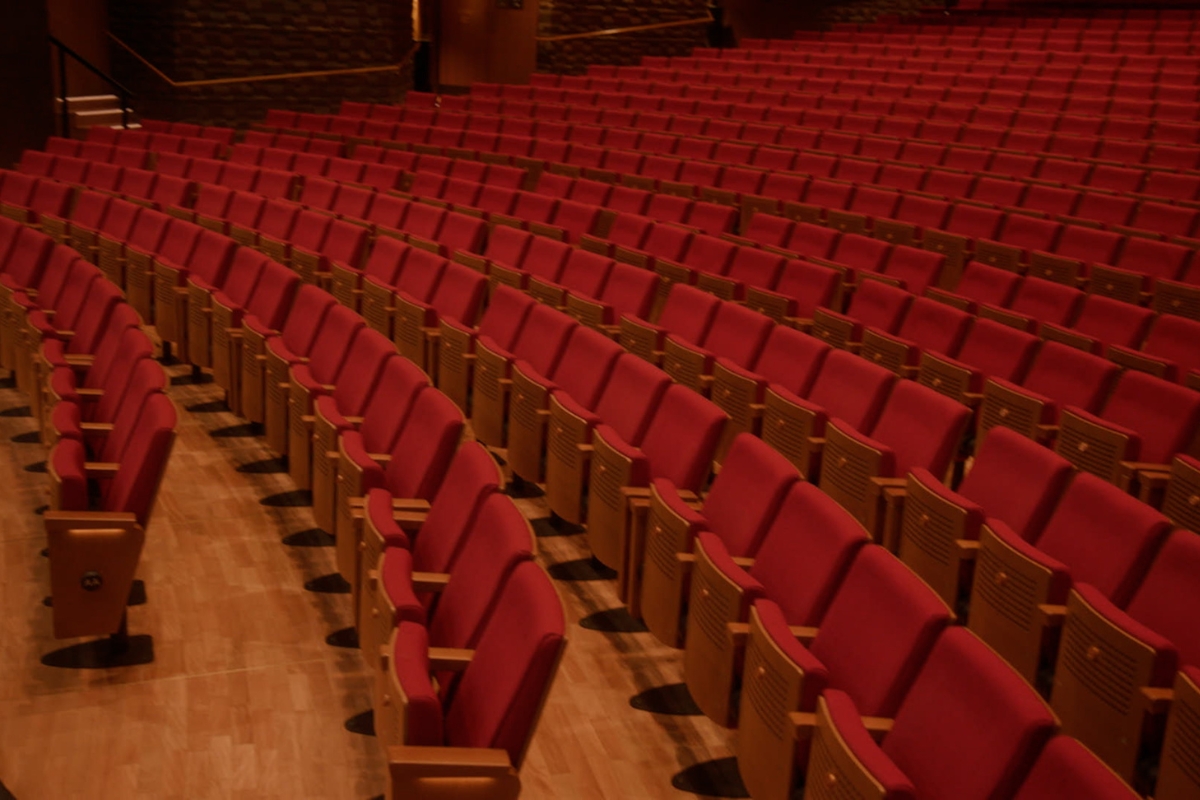
Among the changes are comfy, top-quality Spanish Figueras seating in red and navy – welcome news to those patrons previously struggling through performances in “pretty uncomfortable”, 30-year-old chairs.
Meanwhile, a new fire curtain was installed in the Festival Theatre, while the Dunstan Playhouse and Space Theatres were also brought up to modern safety standards.
You might like
Fly lines in the Festival Theatre were also replaced, while there were also aesthetic upgrades, such as repainting the foyer space and installing new carpets.
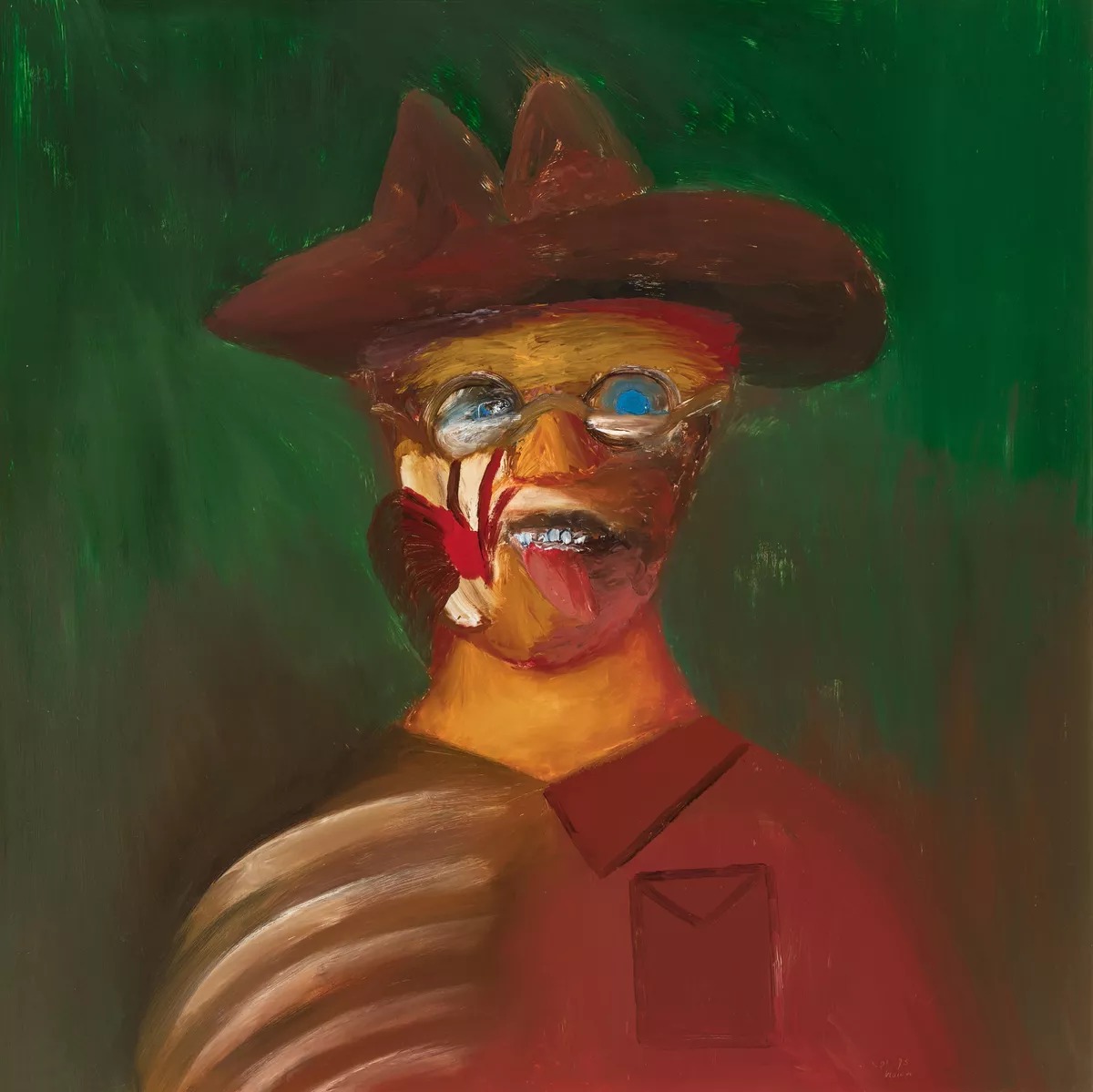
The new Angry Penguin centrepiece restaurant – named in reference to the modernist art and literature magazine established by surrealist poet Max Harris in 1940 – “really celebrates the history of the arts in South Australia”.
“The big surprise, the big reveal for everybody is, we’ve actually borrowed the portrait of Ern Malley – who’s fictitious, doesn’t exist – that fabulous portrait by Sidney Nolan that was painted in 1973,” Gould said.
“The entire restaurant has been inspired by that painting – the (red and green) colours, the feel. The Adelaide Festival Centre opened in 1973, and this painting was painted in 1973, so there are some lovely, lovely synergies there.”
The funky and distinctive festival theatre building overlooking the River Torrens was designed by architect John Morphett and opened in 1973, but Gould said many of its facilities were out of date.
Building works honour its modernist architecture with Gould saying this was reflected in the furnishings, along with the From Mid-Century to Now exhibition that will tell the history of the performing arts space through the centre’s extensive art collection. The foyer will be open from Monday, February 23.
“I’ve been very keen to ensure that we honour the building’s modernist history and we selected modernist pieces of furniture,” Gould said.
Gould said that while stripping back the paint, they discovered some “legacy pieces of infrastructure”, calling it a “perennial problem”.
“We’ve struggled a long time with the poor quality of the build from its early days with leaking, water egress into the whole building,” she said.
Stay informed, daily
“It’s an ongoing job like painting the Harbour Bridge – you just start again.”
Another challenge for the Festival Centre is that it does not have a dedicated concert hall.
“We have to use the Festival Theatre as both an amplified venue for musicals and a concert hall for major works, and that does present challenges and complexities from an acoustic point of view,” she said.
“But look, the centre otherwise stacks up. It does its job and, more than that, it is a place that’s so iconic for South Australia – it symbolises all of that arts and cultural history, so we’re very lucky.”
In order to carry out the refurbishment, Dunstan Playhouse and Space Theatre have been closed since July 2025, and Festival Theatre since August 2025.
The redevelopment was designed by COX Architecture, while Sydney-based construction firm Built acted as the managing contractor.
The Festival Centre will reopen on February 27 to align with the Adelaide Festival, with the first show in the refurbished space a performance of The Cherry Orchard in the Festival Theatre, History of Violence in Dunstan Playhouse and Re-shaping Identity in the Space Theatre.
Gould was announced as CEO of the Festival Centre in March 2025 after its long-term leader, Douglas Gautier, announced he would step down in October 2024.
She joined from the performing arts and cultural centre, Brisbane Powerhouse, where she had been CEO and artistic director since 2021.
Before this, she was chief executive of the Adelaide Festival, chair of the Adelaide Symphony Orchestra and co-founded the iconic Hobart arts festival Dark Mofo.
The Adelaide Festival Centre welcomed more than one million attendees in 2023, generating $164 million for the South Australian economy.
Gould said that while most Australian cities have a similar performing arts space, the Festival Centre was unique because of its age.
“The Adelaide Festival Centre is our Sydney Opera House,” she said, adding that it was also older.
Want to see more stories from InDaily SA in your Google search results?
- Click here to set InDaily SA as a preferred source.
- Tick the box next to "InDaily SA". That's it.