Health fears for kids at KI school battling thousands of birds
Parents at a Kangaroo Island school ‘infested’ with thousands of corellas are raising serious health fears for their children as the birds damage trees, roof seals, gardens, seating and play equipment.
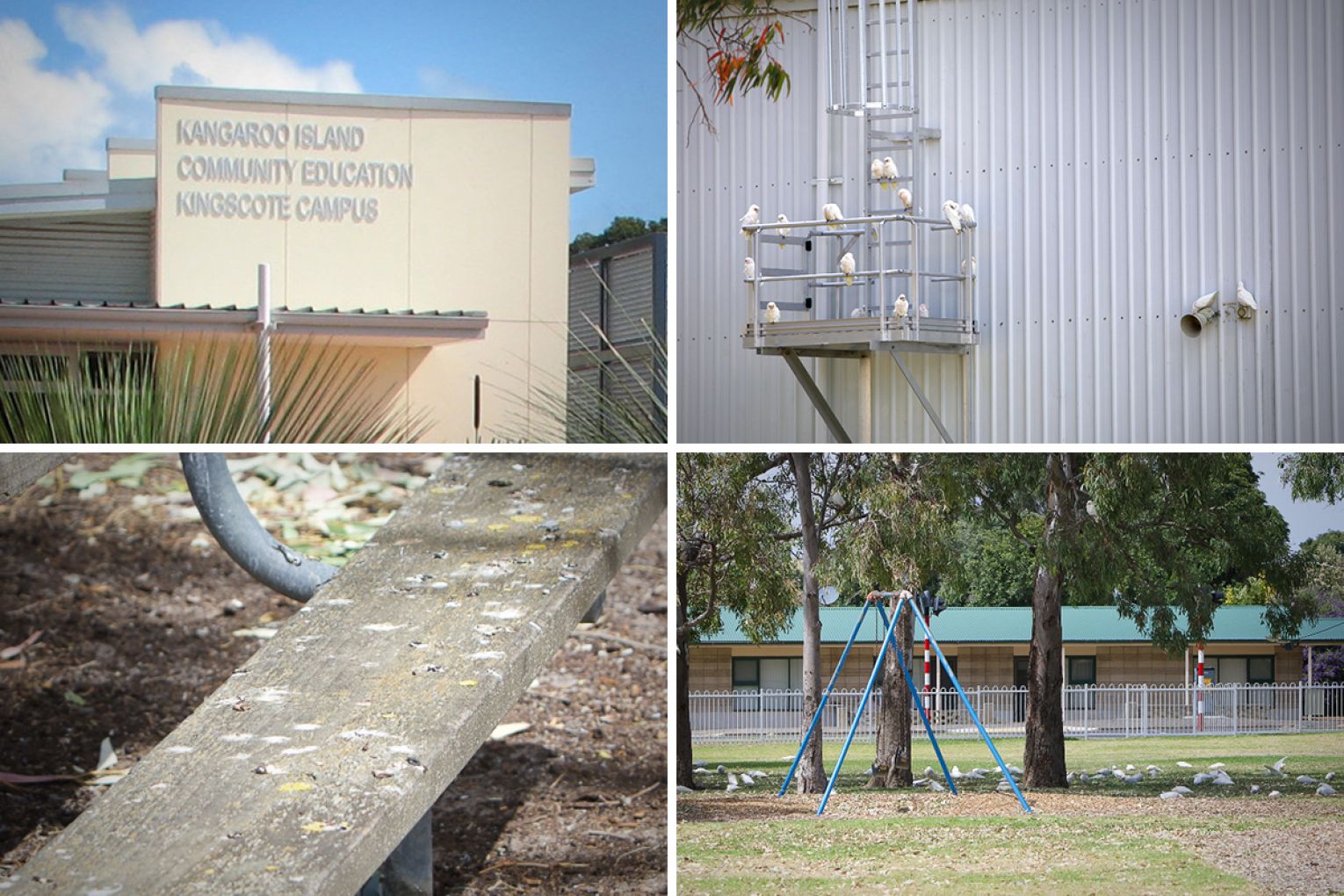
Kangaroo Island Community Education (KICE) school’s Kingscote Campus is currently battling to cope with thousands of little corellas, with dire images showing outdoor play equipment, seating areas and buildings damaged by gnawing birds and droppings.
School governing council chair Nicole Arthur has penned an urgent letter to government departments on behalf of “very distressed” parents, calling for a “proactive” response to the corella problem impacting its 434 enrolled students. She particularly raised concerns over increased illness incidents.
“We hold grave concerns for the health and safety of our children, staff, and the broader school community,” it said.
“Corella droppings are accumulating in gutters and contaminating drinking and washing water, while affected play areas present ongoing hygiene risks.
“Younger children, in particular, are exposed through outdoor play and classroom cross-contamination. We believe this presents an unacceptable risk and is contributing to increased illness within our school community.”
Over the past three years, flocks of the native white corellas have taken to roosting at the Kingscote Campus that teaches children from kindergarten to year 12, during the summer months.
You might like


This year parents reported the situation had worsened, with corella numbers increasing across all three campuses at Kingscote, Parndana and Penneshaw – with an estimated up to 3,000 birds in a single area of the Kingscote campus.
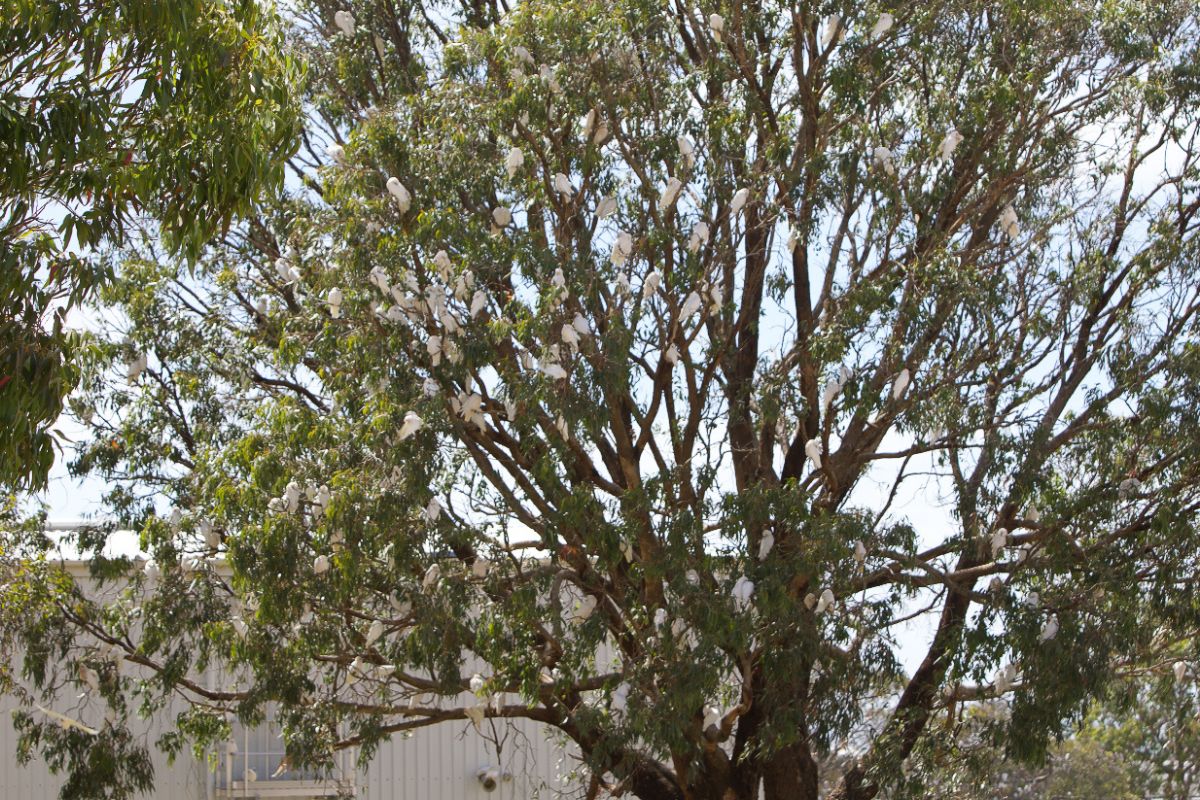
“Throughout last year, the school consulted extensively with the Department for Education, Department for Infrastructure, Kangaroo Island Council, and the KI Landscape Board. While a culling management plan has been implemented, its effectiveness appears limited, with corella numbers increasing across campuses and the broader Island,” Arthur said.
“The damage to school grounds and infrastructure is extensive, ongoing, and costly, including but not limited to degraded ovals, destroyed gardens and shade structures, damaged mature trees, sporting equipment, IT cabling, flags and flagpole ropes, roof seals causing leaks, and unsafe recreation surfaces.
“Despite regular, labour-intensive clean-up efforts, conditions deteriorate rapidly. Outdoor furniture, ovals, and play areas are routinely covered in droppings, and constant high-volume screeching disrupts teaching and learning.”
A Kangaroo Island Council notice said large flocks of the birds had been negatively impacting community wellbeing and causing distress for community members.
Stay informed, daily
“Little Corellas have extremely powerful bills and can cause damage to orchards, vineyards, cereal and pasture crops. They cause damage to ovals, bowling greens and golf greens from digging and damage to wooden structures, tarpaulins, vehicles, and electrical wiring from chewing. Community wellbeing can be affected by Little Corella flocks,” it said.
The council had run a joint trial with the KI Landscape Board to control the population in Kingscote and the surrounding area, including a March 2025 shooting trial to destroy some birds to control the population.
Landscape board general manager Will Durack told InDaily a short-term trial was recently conducted at the KICE Kingscote campus.
“The trial has now concluded, and the board is currently reviewing the data and compiling a report to assess the effectiveness of the measures trialled and to determine the most cost-effective and efficient approaches to managing this issue.”
“While the Kangaroo Island Landscape Board is not the lead agency for Little Corella management and has no legislative requirement to undertake these actions, we recognise the impact the birds have had on members of the community and saw the need to contribute to finding a solution,” Durack said.
He said further information would be provided once the review process is complete.
The KICE Governing Council welcomed the Education Department funding repairs to damaged equipment and clean-ups; however, it said the current response remained “largely reactive”.
“A proactive, preventative approach is urgently required to manage risk before further harm occurs to health, wellbeing, infrastructure, and educational delivery.”
An Education Department spokesperson said the department would continue to work closely with local stakeholders and the KI Landscape Board to “implement and explore potential solutions”.
“While two rounds of culling activity occurred during the school holidays, additional intervention is required, and available options are now being assessed,” the spokesperson said.
“We have, and will continue to, provide the school with advice on bird management and help clean and maintain their facilities, along with repairing any damage caused by the birds.”
Want to see more stories from InDaily SA in your Google search results?
- Click here to set InDaily SA as a preferred source.
- Tick the box next to "InDaily SA". That's it.