SA’s lowest-paid workers secure long-awaited pay deal
The Premier says he has “heard the calls” of protestors outside parliament and his electorate office, facing some today when announcing a pay deal for the state’s public servants.
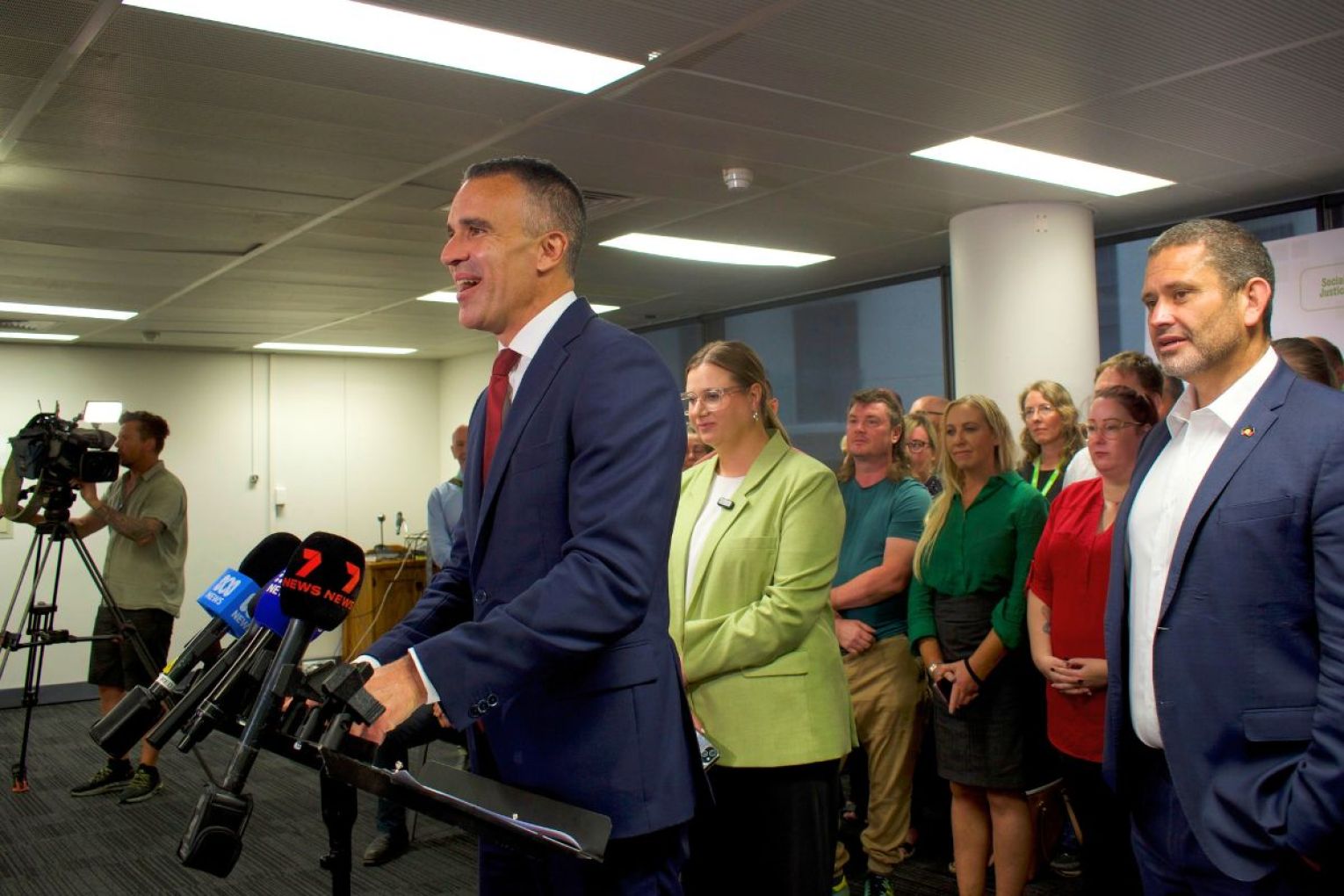
Premier Peter Malinauskas fronted about 45 of the state’s lowest-paid workers on Thursday morning to announce backdated pay rises and a $4000 boost for historically low-paid staff.
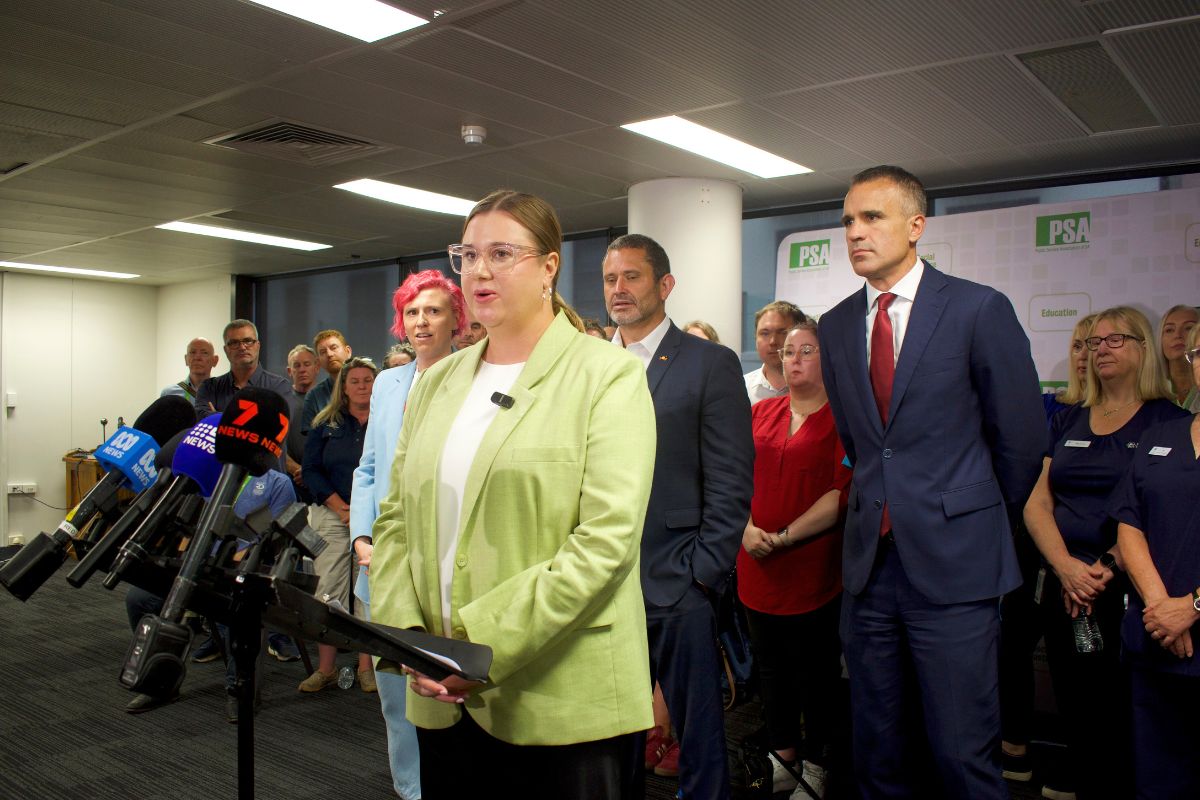
He was joined by Deputy Premier Kyam Maher and Public Service Association general secretary Charlotte Watson to announce the deal in front of public sector prison officers, health workers and more.
Malinauskas said it was a “really difficult” negotiation, spanning more than a year and including protests at parliament and a strike prompting a week-long prison lockdown.
“To the credit of the people I’m standing with now, I did see some pretty good protests out in front of Parliament, I noticed one down at my electoral office, so thanks for that,” Malinauskas said.
“They are entitled to advocate for their position, as long as they’re doing it peacefully and lawfully. We respect that, and we have heard the calls, and we have responded.”
The deal will see an overall wage increase of 3.75 per cent backdated to August 2025, followed by 3.5 per cent in July 2026 and 3.25 per cent in July 2027 – a deal the union say is a “step forward” after wages fell 20 per cent behind under previous deals.
You might like


The new deal includes a “tailored package to support correction officers” after complaints that SA prisons had poor working conditions and not enough staff to respond to prison incidents.
PSA general secretary Charlotte Watson said in December that prison safety was an “intolerable crisis” as prisoners faced days-long isolation in their cells as a result of a PSA strike.
Today, Watson said the package would support corrections career progression and classifications, but that an uplift in staffing and safety was not yet addressed.
“We hope that these increased wages will go a long way towards improving retention and attraction of staff, and that will flow on to helping with the safety issues that we’ve been seeing, but it’s yet to be seen,” she said.
“We know that paying fair wages is important for supporting staff, and when you pay fair wages, the services are stronger.”
When asked about the union’s ongoing concerns about working conditions in prisons, Watson said, “that’s a matter for another day”.
The deal still needs to be approved by union members, who will be able to vote for or against it from January 30. Some union members have flagged their intent to vote no on social media, but Watson remains confident it will pass.
“We will be bargaining again in July this year, so this is very much about protecting people now and building our strength for future rounds of bargaining,” she said.
Stay informed, daily
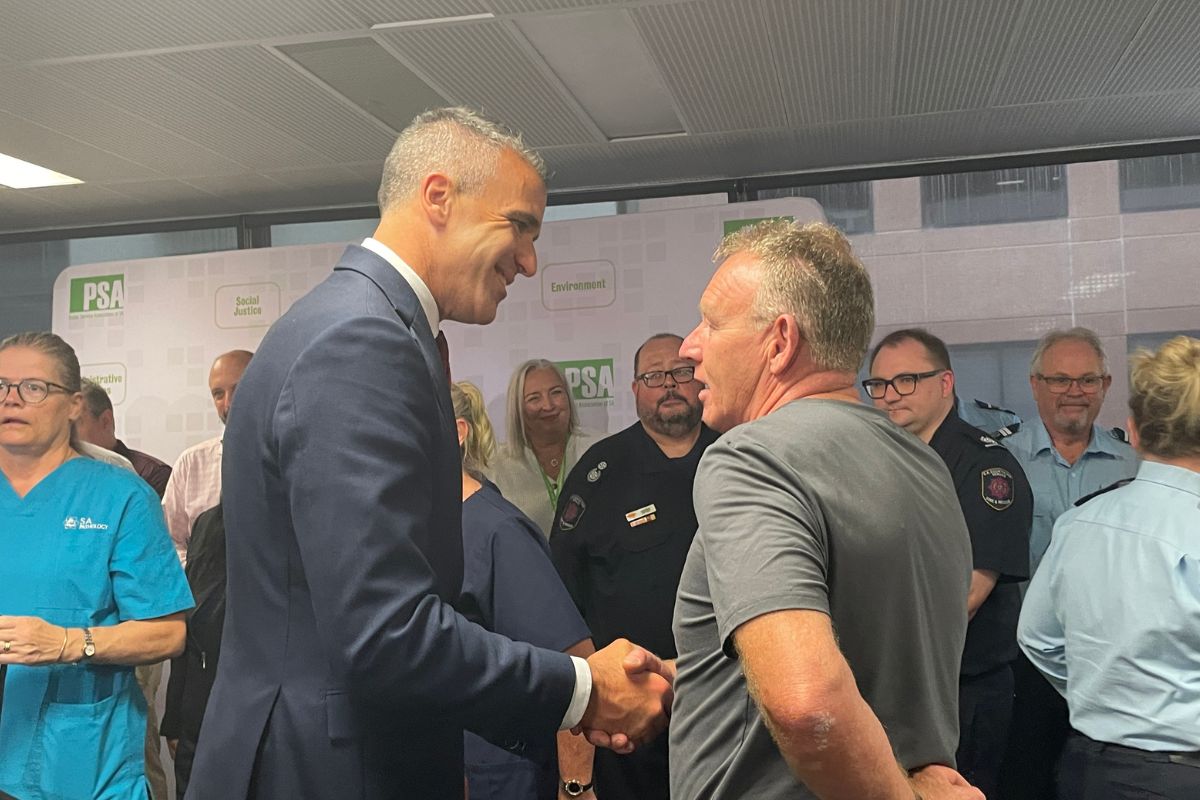
Maher said historically low-paid staff would receive a one-off addition payment of $4000 to recognise they had “been doing it in the toughest”.
“The union pressed very hard, particularly for lower-paid workers, and we’ve accepted their arguments that we ought to do more,” he said.
Fathers will also be able to access paid parental leave for the first time under the deal, and there is a guarantee that no worker will be paid below award rates.
The PSA was one of two remaining unions the government is bargaining with ahead of the state election in March.
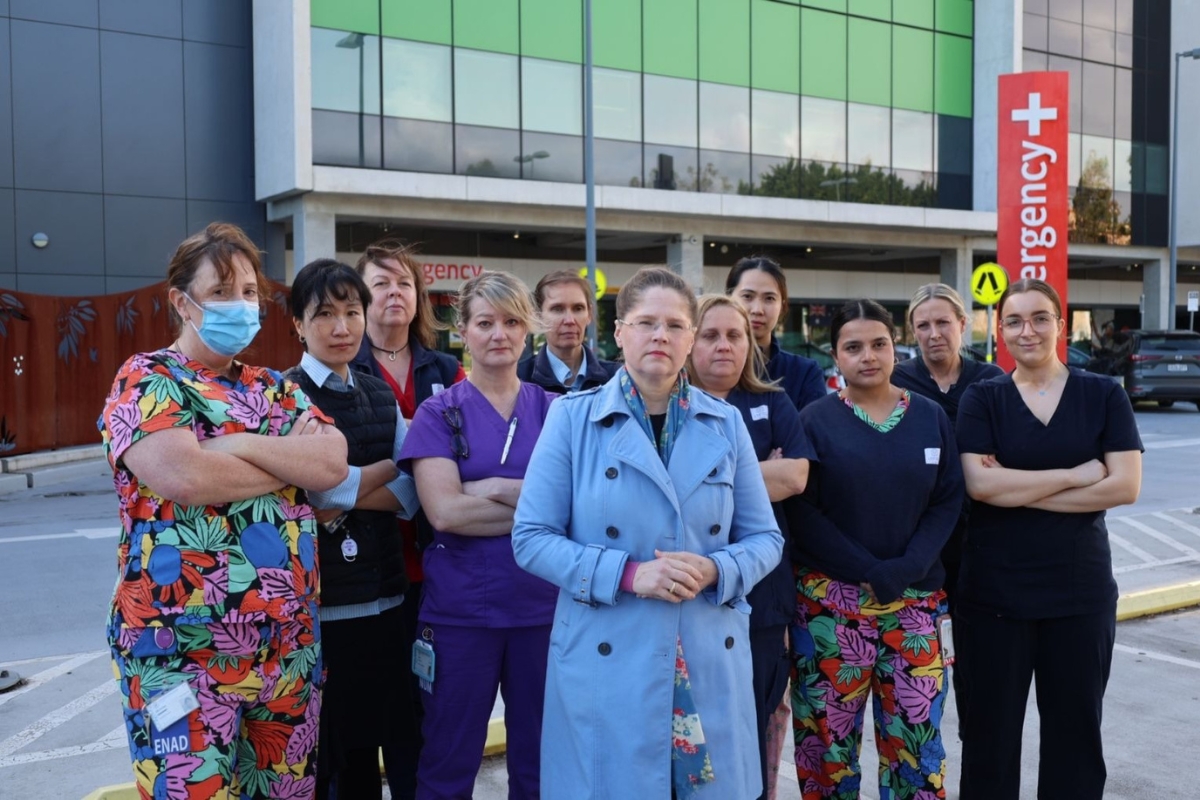
Still at the table is the Australian Nursing and Midwifery Federation, which is planning strike action on February 5 after rejecting the government’s latest offer.
The Premier met with union boss Elizabeth Dabars on Saturday and when asked if he felt progress was made during that meeting, he said: “I think there’s still work to be done.”
“People need to respect and understand we can’t agree to what the nurses are arguing for at the moment, which is a 30 per cent wage increase that will completely destroy the fiscal position of the state,” Malinauskas said.
“That has long-term consequences, including our ability to employ an ever-increasing number of nurses, as we have done on the back of the ANMF advocacy in that regard.”
Liberal spokesperson Ben Hood said the government’s approach to nurses’ wages was “not good enough” and that nurses need to be “backed in 100 per cent”.
“We’re not around the negotiating table, but I really hope this government is working in good faith because currently it doesn’t look like they are,” Hood said.
“We’ve seen the agreement reached with the PSA, and god forbid, I’m sure Peter Malinauskas is thinking about not having too much strike action before an election.
“Our nurses and our midwives are absolute heroes, they’re angels, my wife is a midwife down in Mount Gambier. The work that they do in this state for mums and patients is amazing.”
Want to see more stories from InDaily SA in your Google search results?
- Click here to set InDaily SA as a preferred source.
- Tick the box next to "InDaily SA". That's it.