Indefinite SA prison lockdown sparks human rights warning
SA prisoners face at least a 72-hour stretch locked in their cells on International Human Rights Day after prison workers continue to strike indefinitely and home detention officers join the action.
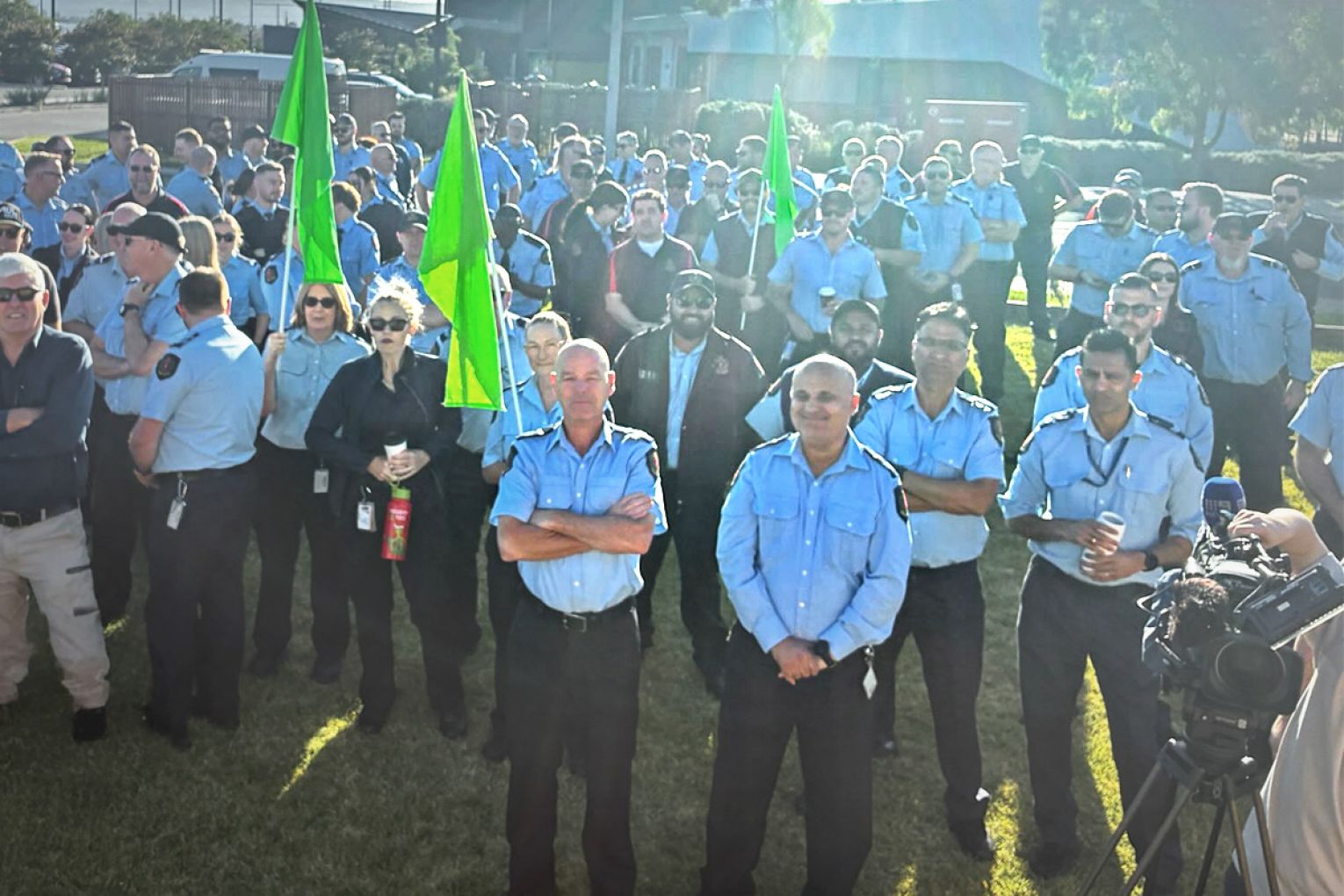
More than 2000 prisoners across SA face 72 hours in isolation today as correctional officers continue strike action that began at 7am Monday with no end in sight.
On Wednesday morning, Yatala Labour Prison workers voted to continue striking indefinitely, joining Murray Bridge and Port Lincoln prison officers striking indefinitely until the state government boost pay rates and lift staff numbers, according to the Public Services Association.
Port Augusta Prison workers voted to strike until the end of the week, while Mobilong Prison, Port Lincoln Prison, Cadell Prison, and Adelaide Women’s Prison workers also extended their strikes to 72 hours today.
“Correctional officers are taking this action because of how unsafe it has become,” PSA Secretary Charlotte Watson said.
“It is an intolerable crisis. We need to see safe prisons with a productive stable work force.”
The PSA said they met with state government representatives on Tuesday afternoon, but no deal has been reached.
You might like
The state government said it is continuing to negotiate in good faith with the union.
Strike action began on Monday, following a vicious assault at Yatala prison on Sunday that led to an inmate being rushed to hospital to have metal plates inserted in his face to hold it together.
Home Detention Officers, responsible for ankle monitoring of an additional 1500 offenders, also walked off the job today.
Correctional Services Department Chief Executive David Brown told InDaily that electronic monitoring services “are continuing with experienced staff deployed to fulfil the shortfall”.
“The safety and welfare of prisoners in our care is our paramount concern,” he said.
“The lockdown is having impacts on the day-to-day lives of prisoners – such as no visits by family friends and professionals, no court appearances, no non-urgent medical treatment, education and rehabilitation.
Stay informed, daily
“I would like to thank my senior leadership team and support staff who are ensuring the safety and security of our sites and who continue to ensure a duty of care to people in our custody.”
The decision to keep prisoners in lockdown for 72-hours falls on International Human Rights Day – December 10.
University of South Australia law professor and Rights Resource Network Director Dr Sarah Moulds told InDaily that although SA’s Correction Department seems to have an emergency plan to maintain essential services for prisoners, prolonged solitary confinement and lack of access to visits, mental health support was concerning and could breach international human rights obligations.
“It might be lawful under Australian law, but it might still fall short of those international standards, and the more prolonged the period of detention or the failure to provide those services and respond to the needs of prisoners, the more significant the Human Rights breach becomes,” she said.
Earlier this year, the state parliament’s Social Development Committee recommended that the government consolidate existing legislation into a comprehensive Human Rights Act which would bring it in line with other states like the ACT, Victoria and Queensland where human rights have already been enshrined in law.
Moulds said while Human Rights would extend to prisoners, it was much broader and in other states and territories has mainly impacted the rights to housing, education, health care and the rights of people experiencing family violence.
“South Australia lacks the human rights infrastructure to help it navigate this kind of problem,” Moulds said.
“It’s also another example, in my view, of this false dichotomy between safety and dignity so we’ve got the workers striking – they are entitled to have a safe workplace, but so are the people that are being held in custody, they’re entitled to have a safe environment.
“Both of those parties are entitled to have a dignified workplace and a dignified experience in prison.
“When you have resource constraints that make it impossible for those conditions to be met, then everybody suffers.”
Want to see more stories from InDaily SA in your Google search results?
- Click here to set InDaily SA as a preferred source.
- Tick the box next to "InDaily SA". That's it.