State delivers bumper surplus buoyed by employment and property market
South Australia has smashed its predicted $18 million budget surplus figure, with the Premier saying the bonus funds allow the government to invest in “critical services”.
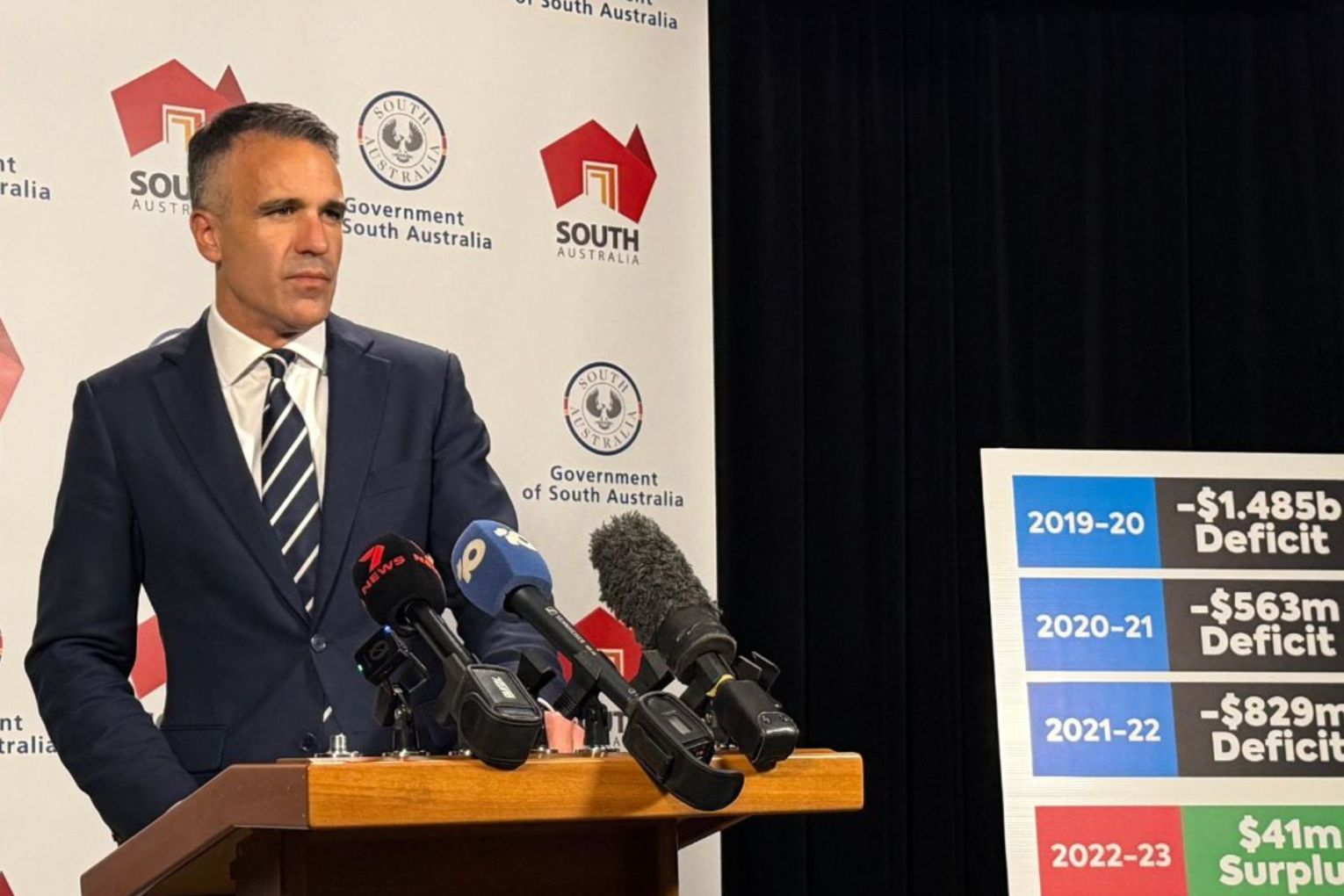
The South Australian state budget surplus for the 2025 financial year was $273 million, up significantly from an anticipated $18 million and buoyed by strong employment and the property market.
It is the third surplus in a row for the Malinauskas Labor government, building on 2023’s $41 million surplus and 2024’s $413 million surplus.
This puts South Australia in a “unique territory we haven’t seen for a very long time in South Australia”, Premier Peter Malinauskas said at a press conference this morning.
He said the surplus was able to be delivered because of the state’s strength in employment, the property market, stronger-than-expected GST revenue grants and higher-than-estimated sales of goods and services.
“Principally, the state economy is performing well, resulting in the improvement of the state’s tax base, which allows us to invest in things that matter,” the Premier said.
“Our economy is in a position that we have not seen in my lifetime.
You might like
“We are delivering growth over and above the national average, and there is reason for extraordinary optimism into the future, given the state’s pipeline of work that is coming our way, including from the private sector.”
He said the figure was achieved despite state government spending on myriad issues that cropped up in the financial year, like the collapse of the Whyalla Steelworks and disability employment services company Bedford Group, drought conditions in the state’s regions and the algal bloom crisis off the coast.
Asked how those struggling financially in the state would find comfort in the bumper surplus, particularly those sleeping rough, the Premier said the money would “allow us to continue in these critical services”.
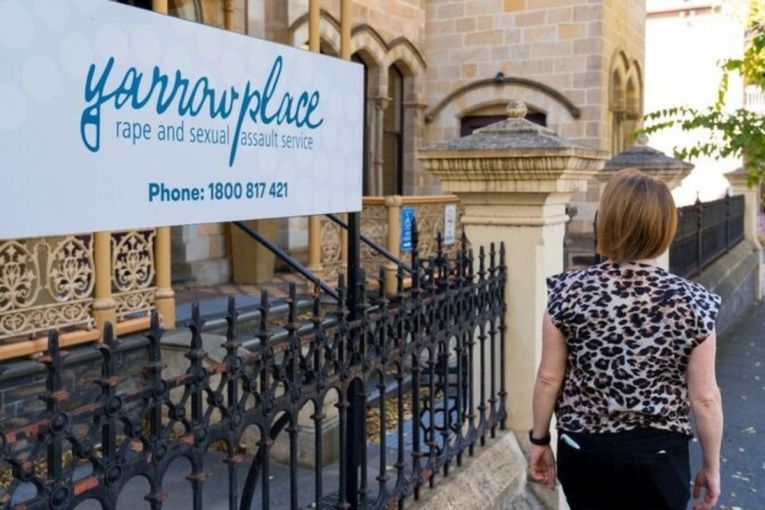
Yesterday, more than 30 key SA organisations demanded the government takes stronger action to tackle SA’s spiralling homelessness saying urgently needed funding is a “pittance” compared to $15 billion in South Road investments.
“We absolutely turn our minds to how we can invest in the most vulnerable South Australians,” Malinauskas said.
“This is a government that has been able to dramatically increase our investments in homelessness services, but also for other people in vulnerable circumstances, such as domestic violence.
Stay informed, daily
“We’re able to invest in these things because of the discipline and the focus that we’ve had on growing the state’s economy to take us into a position this state’s never been in before. We want to maintain that.
“Not a day goes by where there aren’t multiple asks of government to spend more every day. Every hour I seem to be at a meeting where there is yet another request on the government to invest in a service or a product, or an opportunity, and all of them need to be treated seriously.”
Leader of the Opposition Ashton Hurn said the surplus had been “picked out of the pockets of hard-working South Australians and businesses who are doing it tough with soaring cost of living”.
“Whilst Peter Malinauskas and Tom Koutsantonis give themselves a big pat on the back, South Australians over Christmas are seeing their bills go through the roof and wondering how to afford presents for their kids, there’s no relief for them,” said Hurn.
The announcement comes amid negotiations with public sector workers over an enterprise bargaining agreement.
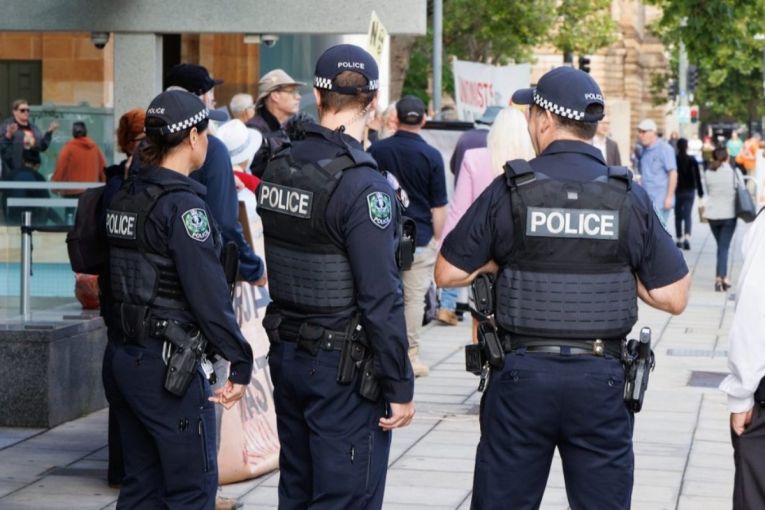
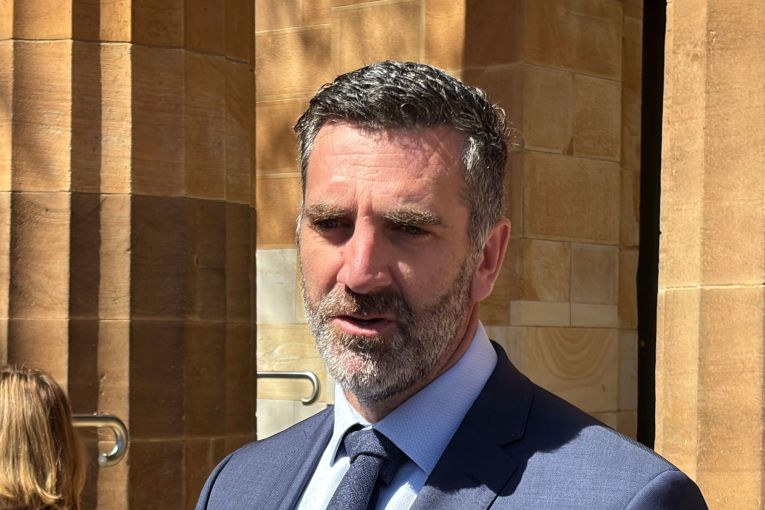
Essential workers in corrections, prisons and the courts are on strike today as they await a new offer from the state government. Treasurer Tom Koutsantonis is expected to meet with the union today, and he will “keep doing so until we nut out an agreement”, the Premier said.
The Premier said there was capacity in the budget to be able to give public sector workers a “wage increase over and above the rate of inflation”.
“Every day there is a different issue to contend with,” the Premier said.
“We have negotiated a lot of enterprise agreements this year – police, fires, doctors, ambos, basically the whole of the state’s public sector has had an EBA negotiation this year and we have concluded a lot of agreements with good outcomes,” he said.
“We’re committed to that for the last remaining two: the general public sector and nurses. We’ll work with them, but we’ll work with them and provide for real wage increases, substantial real wage increases.”
Want to see more stories from InDaily SA in your Google search results?
- Click here to set InDaily SA as a preferred source.
- Tick the box next to "InDaily SA". That's it.