Million-dollar rescue plan as pelicans and eagles under threat from deadly disease
New funding aims to protect the state’s majestic white-bellied sea eagles and pelican populations from a lethal new strain of bird flu decimating wildlife across the globe – with fears some native species risk extinction.
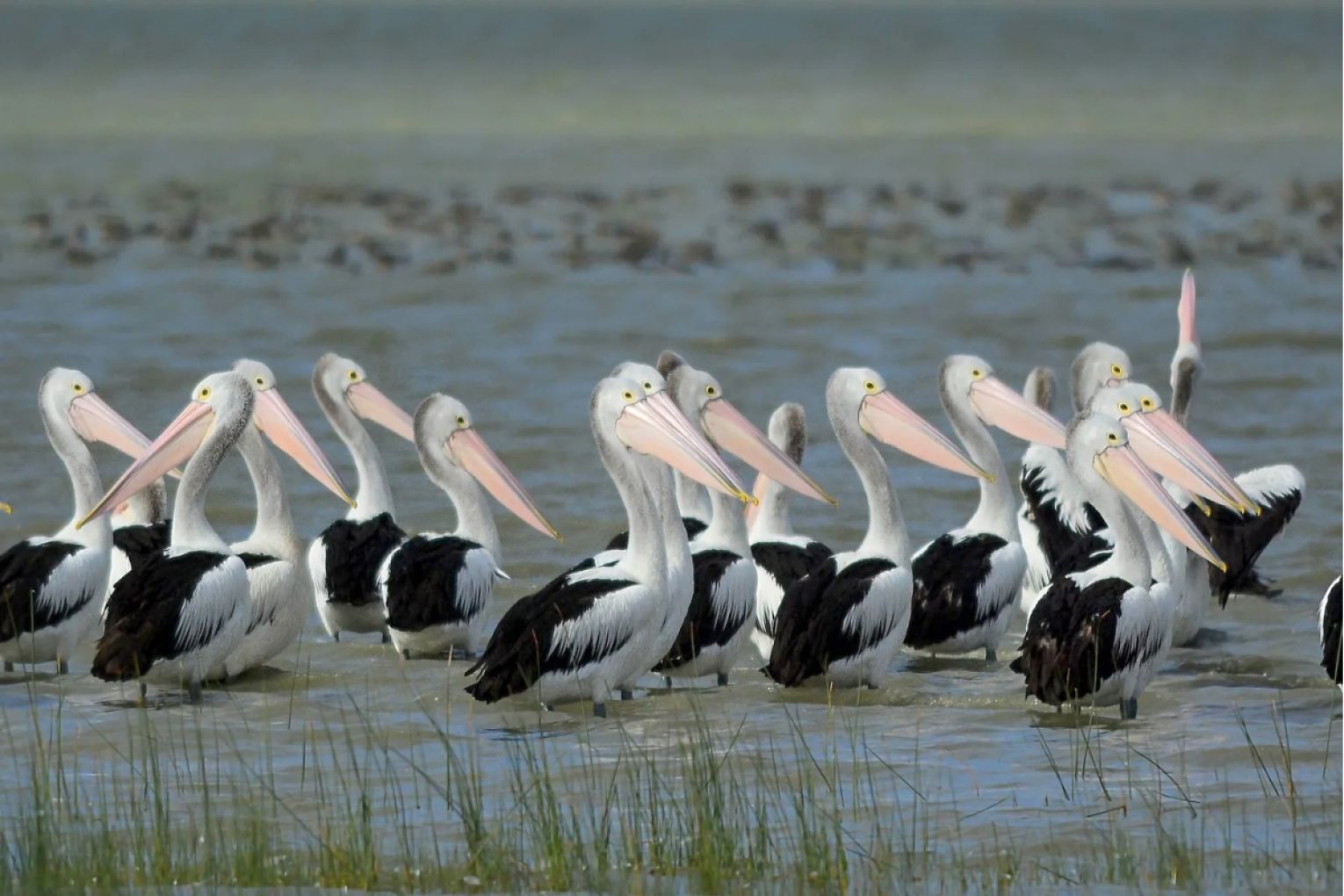
State Environment Minister Lucy Hood and her federal counterpart Murray Watt have announced a further $1.5 million in funding to get urgent protection plans in place for South Australian native species at risk from a potential H5 avian influenza (bird flu) outbreak.
The funds will help protect Australian sea lions, fairy terns, white-bellied sea eagles and pelicans with ground-based and aerial invasive species control, weed management and revegetation works.
SA’s Environment Department’s H5 bird flu preparedness coordinator Karl Hillyard said there were concerns that the avian influenza, which has been sweeping across the world, killing numerous species, could lead to the extinction of locally threatened species such as Australian sea lions.
Hillyard said H5 bird flu affected wild birds and animals and has so far impacted nearly 600 bird species and more than 100 mammal species globally, with no treatment available.
While it had not yet reached Australia, “this H5 bird flu is what’s called a highly pathogenic strain of bird flu, and what that means is that it makes them very sick and kills them very quickly”, he said.
“What’s different about H5 bird flus from other bird flus is that this one is persisting in the environment and significantly impacting on wild animals,” he said.
You might like


“That’s why there’s investment going on in those locations now to address some of the threats which are going on currently, because we can’t stop bird flu, but what we can do is address some of the threats that are present now.”
Other initiatives include habitat restoration and feral bird control on the offshore islands of the Fleurieu Peninsula and predator control and habitat restoration to safeguard migratory and threatened birds on the Limestone Coast.
Meanwhile, fox and feral cat numbers would be controlled to protect vulnerable bird species’ breeding, nesting and roosting sites along the metropolitan coastline and invasive pigs at the Coongie Lakes Ramsar site in the Far North.
“So, I think the risk for some species is real. It’s hard to say with certainty how bad bird flu could be, but based on what we’ve seen overseas, we have enough concern to treat this as quite a serious threat,” Hillyard said.
“By addressing those threats, we hope to make them better places for things to live and for threatened species and species we’re concerned about being impacted to breed and thrive, basically.
“So, we hope there’s more of them, they’re healthier, they’re in better condition before the bird flu might arrive.”
Stay informed, daily
He said it was particularly worrying that this strain affected native wildlife, with marine animals a particular concern.
Among the targeted areas for protection were locations where threatened species were common and where species were likely to bring in bird flu due to natural movements across continents like migrating birds.
This includes Kangaroo Island, wetlands in the Limestone Coast, wetlands in the Coongie Lakes system, as well as the metro beaches, where foxes kill nesting birds like hooded plovers.
The funding would go towards a culling program targeting feral pigs, feral cats and feral foxes, as well as introduced bird species “that compete or predate on threatened native animals”, he said.
The department would also target other pests and weeds that reduce the quality of habitat for native species.
South Australia’s Climate, Environment and Water Minister Lucy Hood said the state and federal governments “are taking action to protect our native wildlife from H5 bird flu and boosting South Australia’s preparedness by addressing other threats”.
“These projects aim to build ecological resilience and bolster populations, giving the best chance of recovery for at-risk species in an outbreak scenario,” she said.
Federal Environment and Water Minister Murray Watt said that “the best way we can protect species most vulnerable to H5 bird flu is to have strong and healthy populations”.
“This means work repairing habitat and managing threats like weeds, feral cats, foxes and pigs is more important than ever,” he said.
The funding is part of the Albanese government’s $100 million plan to prepare for H5 bird flu, which includes $35.9 million for environmental measures.
In South Australia, $300,000 to support species and site preparedness planning and more than $130,000 to protect captive populations of threatened species in facilities across the state, while the SA government would jointly fund $1.4 million for sea lion resilience.
In addition, the SA government has launched a new mobile biosecurity laboratory to strengthen the state’s capacity to rapidly respond to emergency animal disease outbreaks such as bird flu.
Want to see more stories from InDaily SA in your Google search results?
- Click here to set InDaily SA as a preferred source.
- Tick the box next to "InDaily SA". That's it.