SA ill-prepared for ecological disaster: Damning federal algal bloom report
A damning federal inquiry report has been released, laying bare “just how ill-prepared both the state and federal governments were for this type of ecological and economic disaster”.
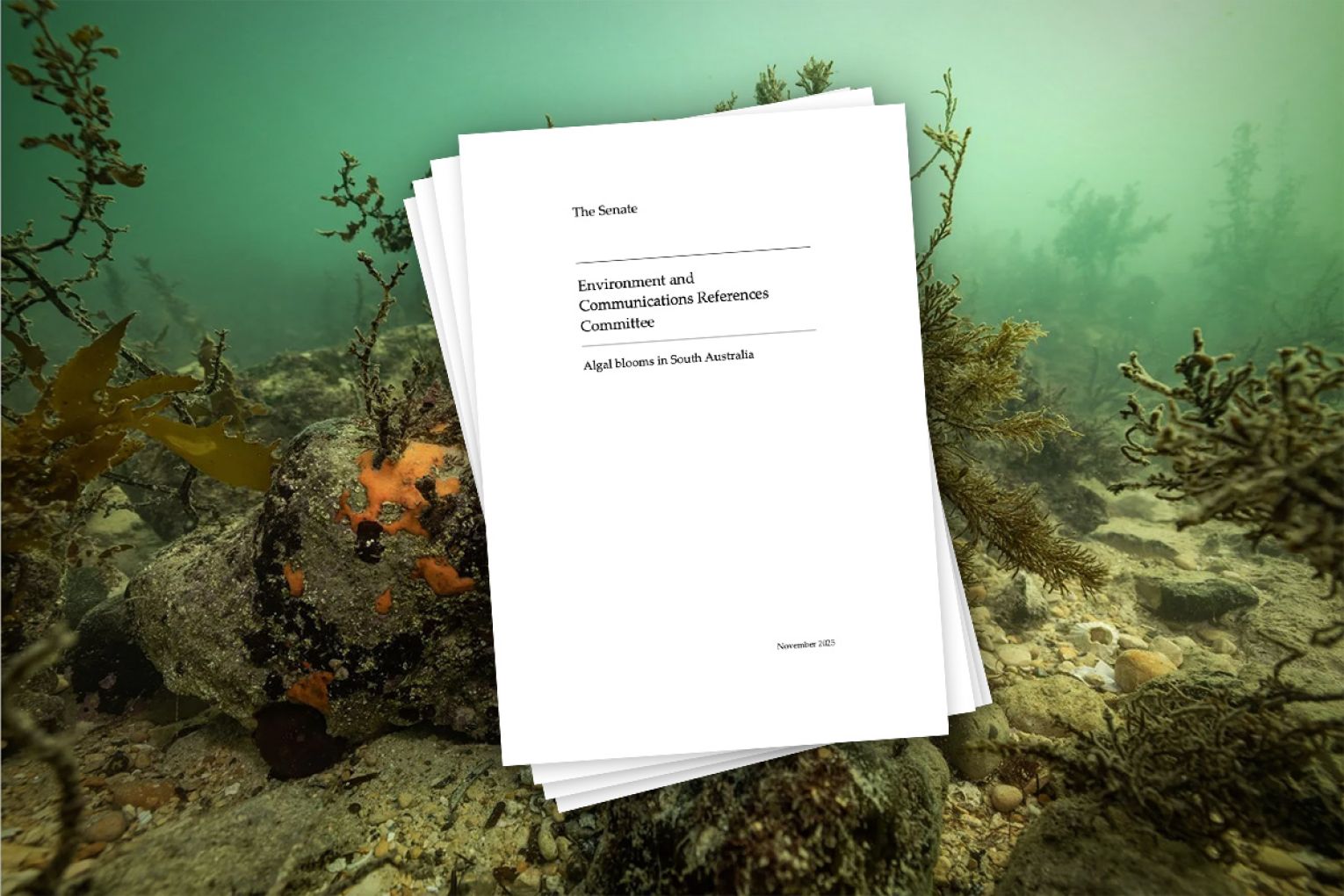
Members of a key federal senate inquiry committee have delivered a unanimous, damning, 207-page report that is critical of the state and federal government’s handling of the harmful algal bloom.
It claimed there was a delayed response, a shortfall in monitoring data and failings in providing early health advice.
The federal inquiry into algal blooms in South Australia heard evidence from more than 130 people, which showed gaps and delays in health advice over respiratory risks from March 2025.
Reports came from surfers and residents along the Fleurieu Peninsula who had reported “itchy eyes”, including surfer Anthony Rowland, who claimed to have first “raised the alarm”, saying he knew “something was terribly wrong”.
Ardrossan commercial fisher Michael Pennington told the inquiry of becoming ill for days and developing “painful boils after exposure to sea foam”.
The Environment and Communications References Committee, chaired by Greens Senator Sarah Hanson-Young, with vice chairs, Western Australian senator Varun Ghosh and South Australian senator Labor Karen Grogan, listed 14 recommendations.
You might like
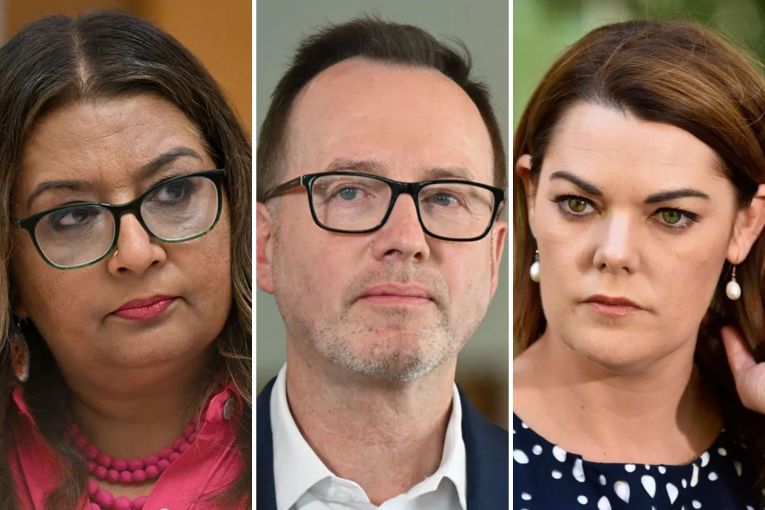
“South Australians are bearing the brunt of one of the worst climate-induced events in our nation’s history. We are the canary in the coal mine when it comes to responding, preparing for and mitigating the worst of the climate crisis,” Hanson-Young said.
She said the unanimous report recommended that substantial funding be directed to urgent and sustained environmental restoration, research and monitoring programs.
Other key recommendations include the federal government developing a new national framework to respond to climate-induced ecological events, as well as a review of definitions relating to national disasters to make sure events such as the toxic algal bloom are covered.
A JobKeeper-style support program was recommended to help impacted individuals and businesses along the coast. The Senate report also recommended a voluntary buyback scheme for fishing licenses and a targeted tourism recovery fund.
On the health impacts of the toxic algal bloom, the report makes it clear that the community requires and expects the governments to deliver clear, timely and science-backed health advice.
Hanson-Young said the inquiry “laid bare just how ill-prepared both the state and federal governments were for this type of ecological and economic disaster”.
Stay informed, daily
“South Australians should not be left to deal with the cleanup of this disaster on our own. The unanimous report from the committee has called for more coordination and support to be led by the federal government in the case of such climate-induced events,” she said.
“A $500 million Marine Environment Restoration Fund, funded by the federal government, is required to drive urgent, large-scale recovery in South Australian waters: restoring reefs, regenerating seagrass, and helping coastal ecosystems heal.”
The committee reported that there was an “outpouring of grief” over the scale of the harmful algal bloom and its severe impact on the marine environment, including fear and uncertainty over its duration and time for recovery.
“The significance of the South Australian coastline for work and livelihood, recreation time, mental health and connection to sea country was reinforced through evidence to the committee,” the report said.
“As one fisher told the committee: my life has changed. I’m now at a desk. No one’s paying me… sometimes you just can’t switch off at night time. It’s a lot of pressure trying to help protect our gulf.”
Hanson-Young said the government must deliver timely, “clear and scientifically informed health advice issued to the South Australian community as we come into summer, it is essential that South Australians know if it is safe to be at the beach”.
“The toxic algal bloom has been a devastating climate disaster that has decimated South Australia’s environment and industry and deeply impacted our community,” she said.
In response to today’s report, South Australian Premier Peter Malinauskas said, “No one really predicted the algal bloom”.
“We are dealing with an unprecedented ecological event that humans can’t control beyond addressing climate change. I mean, that’s the truth of it, and anyone that says that they can is just making things up,” he said.
“If there was a silver bullet solution here, it would have been deployed a long time ago.
“So, what we’re seeking to do is, invest in science, to make sure that the public health advice is accurate, to make sure that we understand the biological underpinnings that informs everything, to make sure that we’re investing in the support for businesses that are feeling the impact of it, which is what we’ve spent over $100 million investing in.”
Opposition Leader Vincent Tarzia claimed today’s report demonstrated Labor’s “generational failure” and criticised the government for what he said was a slow response to “one of the largest ecological disasters” in South Australia’s history.
“It’s taken this state government some eight months to actually come up with what the dominant algal species is, you can see that there are errors in terms of the testing that wasn’t undertaken, there are massive gaps in terms of our resilience as a state to prepare for these harmful algal blooms, and we’re calling for drastic measures,” he said.
Want to see more stories from InDaily SA in your Google search results?
- Click here to set InDaily SA as a preferred source.
- Tick the box next to "InDaily SA". That's it.