SA Health staff ‘burning out and resigning’, report finds
A scathing new report has declared the state’s public health system is in a “retention crisis” and cannot keep staff who face “one traumatic event to another”.
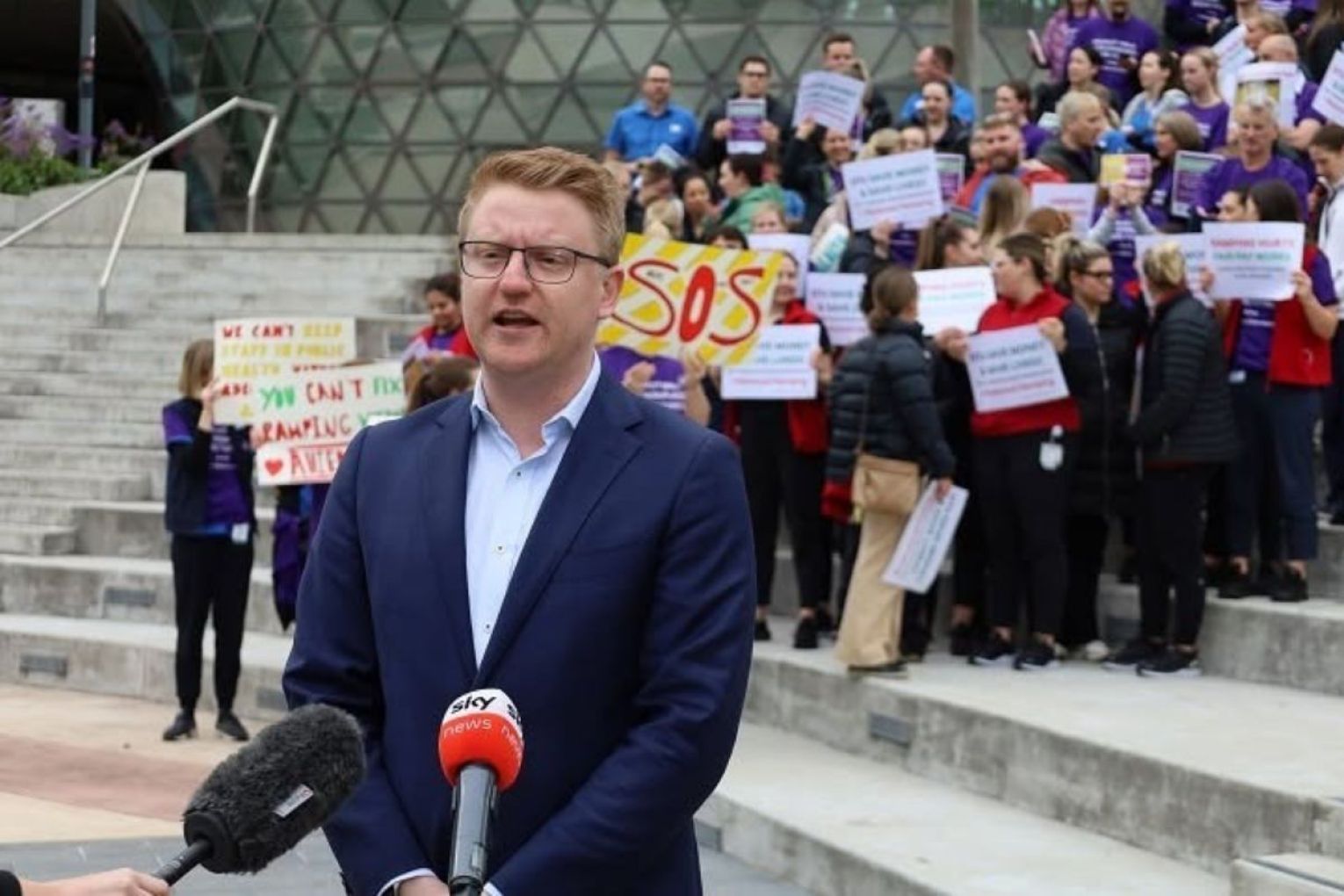
SA’s Allied Health workforce faces a “retention crisis” according to a new report that found workers, including psychologists and social workers, are leaving the public sector within two to three years of employment.
The new report from the McKell Institute and Flinders University, released exclusively to InDaily today, found SA has enough health graduates joining the public system each year but could not hold onto them.
Health Minister Blair Boyer is launching the report, commissioned by the Health Services Union, at Parliament House on Thursday afternoon.
“It’s shocking how many allied health professionals leave SA Health so early in their careers,” Health Service Union SA secretary Billy Elrick said.
“Taxpayers invest in their training and should see the benefits of that investment.
“The report highlights that the issue is not an undersupply of workers, but poor workforce distribution, particularly in regional areas.”
It found a deficit in psychologists specifically, with 79.5 full-time psychologists per a population of 100,000 – which is 29 per cent below the national average.
You might like

It included anonymous testimonies from seventeen workers about their experience working for SA Health, finding that when practitioners reached their top clinical pay package within five to seven years there were few options to progress without moving to the private sector.
One senior psychologist told researchers that the psychologist deficit directly affected SA’s ramping crisis.
“If people have access to psychology that is easy to access and delivering evidence-based interventions, they for the most part don’t need to go to hospital,” the psychologist said.
“They don’t become another body in the back of an ambulance waiting for a mental health bed.”
This report comes one day after Australian Medical Association date showed that 10 per cent of SA’s mental health patients waited more than 44 hours and 55 minutes for a hospital bed.
Alarm bells over SA’s psychology shortage were rung consistently by the union as it negotiated a pay rise with the state government in 2025, union bosses saying the shortage was “largely driven by really uncompetitive pay and conditions for psychologists in the public sector”.
According to the state government, from March 2022 to March 2025, the number of psychologists at SA public hospitals and health sites increased by nine per cent, from 220 to 240 staff.
But today’s report said workforce pressures persist in the Allied Health sector, particularly around staff wellbeing, which one occupational therapist said “has to drastically change”.
Stay informed, daily
“Staff wellbeing needs to take precedence over patient care. Because if we can’t stay safe and well ourselves, and if we keep burning out and resigning, then the patient care will continue lacking,” the occupational therapist said.
Another worker, an early career social worker in the public sector, said the job involved “going from one traumatic event to another” without enough time to debrief.
“You don’t have that support,” the social worker said.
“Even when you have that debrief time, it doesn’t always meet what that one person specifically needs.”
McKell Institute Executive Director Hannah MacLeod said “the same problems keep returning” because SA has “never had a plan for its allied health workforce”.
“We graduate enough people, but we lose them in the first few years; we can’t see where the gaps are, and regional communities pay the price.”
Today’s report included seven recommendations to curb the crisis, including developing an allied health workforce strategy, resolving pay disparity and investing in team-based care.
The report was provided to Health Minister Blair Boyer, who said he was “pleased” to meet with the Health Services Union, McKell Institute and Flinders University staff to launch the report later today.
“Our allied health staff are critical to ensuring South Australians get the best healthcare in our public hospitals and health services,” Boyer said.
“We know that investing in allied health can also prevent people ending up in Emergency Departments.
“I welcome the HSU’s constructive work to strengthen the allied health workforce and have asked SA Health to carefully consider the report and its recommendations to build on our efforts since coming to government.”
Boyer said the state government has added more than 4000 health workers to the sector in the four years since forming government in 2022, including more than 600 allied health staff.
He said the government had invested in programs including one that paired allied health professionals with paramedics to respond to triple zero calls, and a transition care program with allied-health-led recovery for older South Australians.
Want to see more stories from InDaily SA in your Google search results?
- Click here to set InDaily SA as a preferred source.
- Tick the box next to "InDaily SA". That's it.