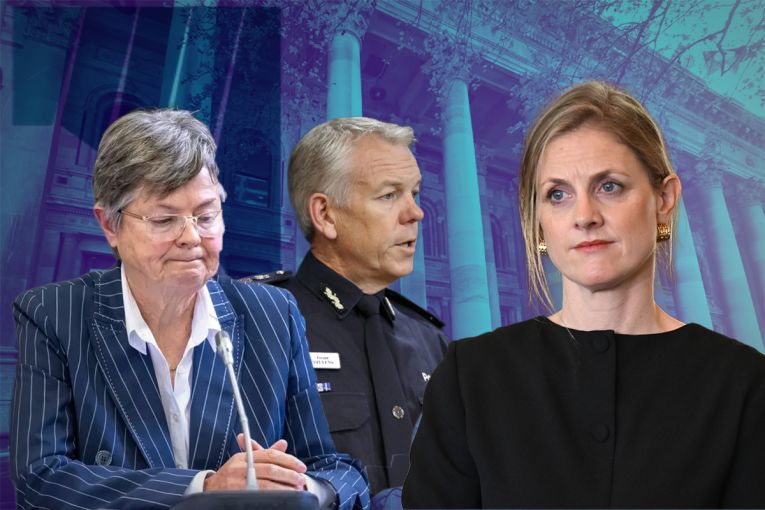
SA corruption watchdog ‘robbed’ of independence
A two-year-long review says SA’s Independent Commission Against Corruption is stripped of its teeth and costs hundreds of thousands of dollars more to operate.
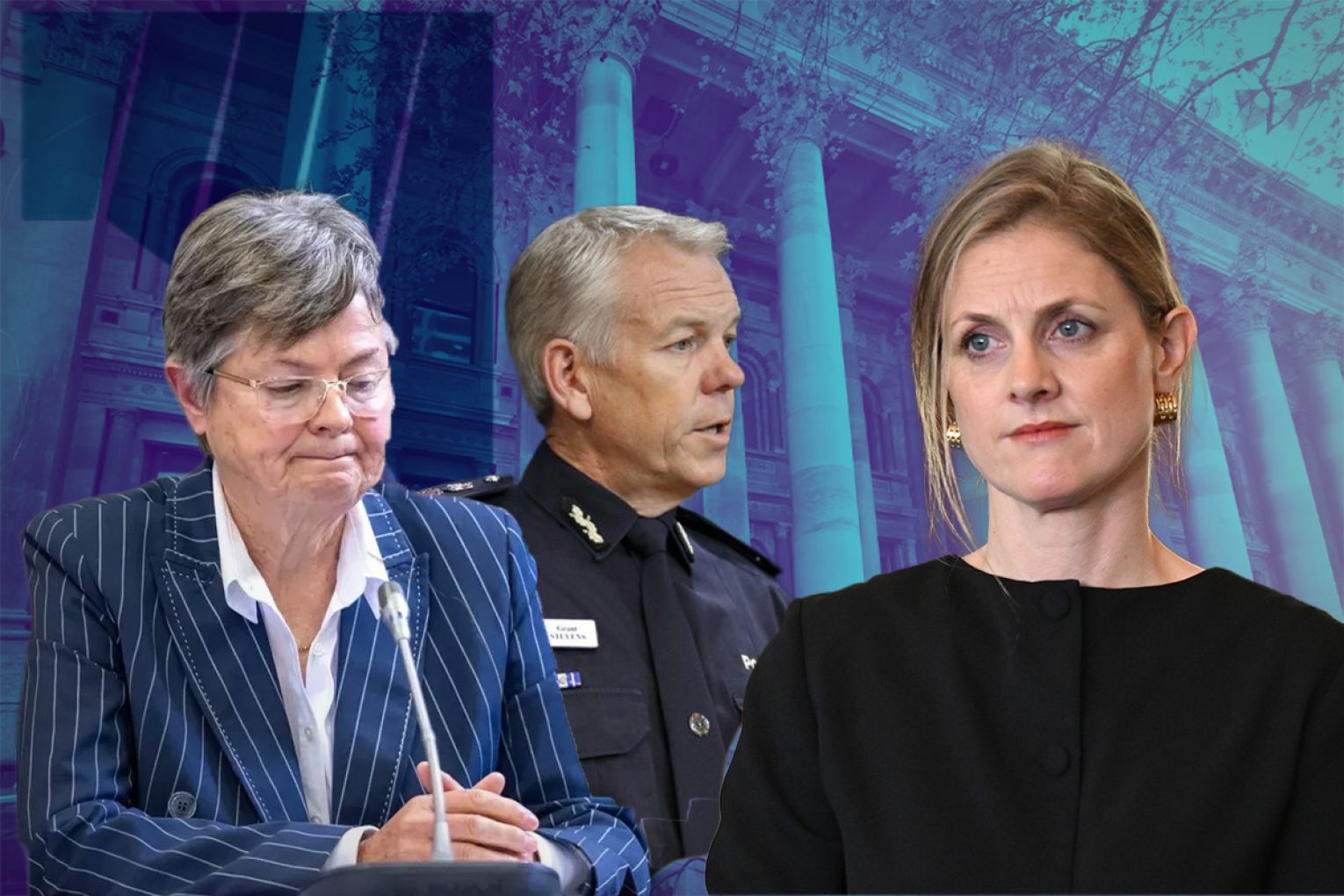
A damning new report found the state’s Independent Commission Against Corruption (ICAC) was undermined by controversial law changes in 2021 that are now costing SA Police an extra $674,000 per year.
It found ICAC was less effective now it could no longer start its own investigations.
The report included comments from Centre for Public Integrity Executive Director Dr Catherine Williams who said removing ICAC’s authority to initiate its own investigations “robbed” ICAC of its independence.
“The removal of ICAC’s own-motion investigations thus has the potential to engender instances of corruption falling through the cracks if a complaint alleging corruption is not made to the Office of Public Integrity,” she said.
Findings were tabled in parliament on Tuesday afternoon by the Crime and Public Integrity Policy Committee and the report was the largest review of ICAC since controversial laws passed in 2021 adding new rules that limited what the watchdog could investigate.
You might like


New 2021 laws passed unanimously by Liberal and Labor meant ICAC needed to begin referring its corruption investigations to SA Police for further investigation and potential prosecution, rather than sending its findings directly to the Department of Public Prosecutions.
The 175-page report made 14 recommendations, including ending the ban that stops ICAC from referring directly to the Department of Public Prosecutions.
Former Police Commissioner Grant Stevens told the committee that the changes placed “significant demands on SAPOL resources”, causing lengthy trials and needing five full-time investigative support staff costing $674,000 “to deal with increased demand”.
ICAC Commissioner Emma Townsend said the current rules can mean an extra 12 months added to an investigation while SA Police reviews cases, and that the two investigative teams ended up double-handling work.
Stay informed, daily
Townsend said ICAC and SA Police conducting concurrent investigations into similar complaints “can create a risk of one or both investigations being compromised”.
“It also has the potential to unnecessarily impact the welfare of witnesses and suspects who then become the subject of two investigations, liaising with two different sets of investigators and having matters which progress through the criminal justice system within different time frames,” she said.
The 2021 changes have been long-criticised, including by the former commissioner Anne Vanstone, who resigned in frustration over the changes in 2024 and said they “damaged” anti-corruption work.
At the time that the changes were before parliament, Vanstone said it showed “that politicians do not want an ICAC in South Australia…It’s as simple as that. This bill dismantles ICAC and the whole scheme designed to govern public integrity.”
Attorney-General and Deputy Premier Kyam Maher said today that the state government would “consider the reforms” and that he had not seen the 175-page report until it was tabled in parliament yesterday afternoon.
Maher defended the 2021 laws, saying they were “Liberal government amendments supported unanimously” at the time.
“Everyone from the Greens to minor parties and Independents supported it, there wasn’t a vote against it,” he said.
Asked if he believed ICAC has enough independence, Maher said: “ICAC is completely independent of the other areas of government”.
“The way investigations come to ICAC, is now through the Office of Public Integrity, which can refer to either ICAC or the Ombudsman. I don’t think anyone’s suggesting that there’s any outside influence that comes to bear on those decisions,” he said.
Want to see more stories from InDaily SA in your Google search results?
- Click here to set InDaily SA as a preferred source.
- Tick the box next to "InDaily SA". That's it.