Poll reveals abortion access support, including from One Nation voters
Exclusive: New research shows most Australians support abortion access, as Parliament prepares to vote on a controversial bill this week. See the numbers.
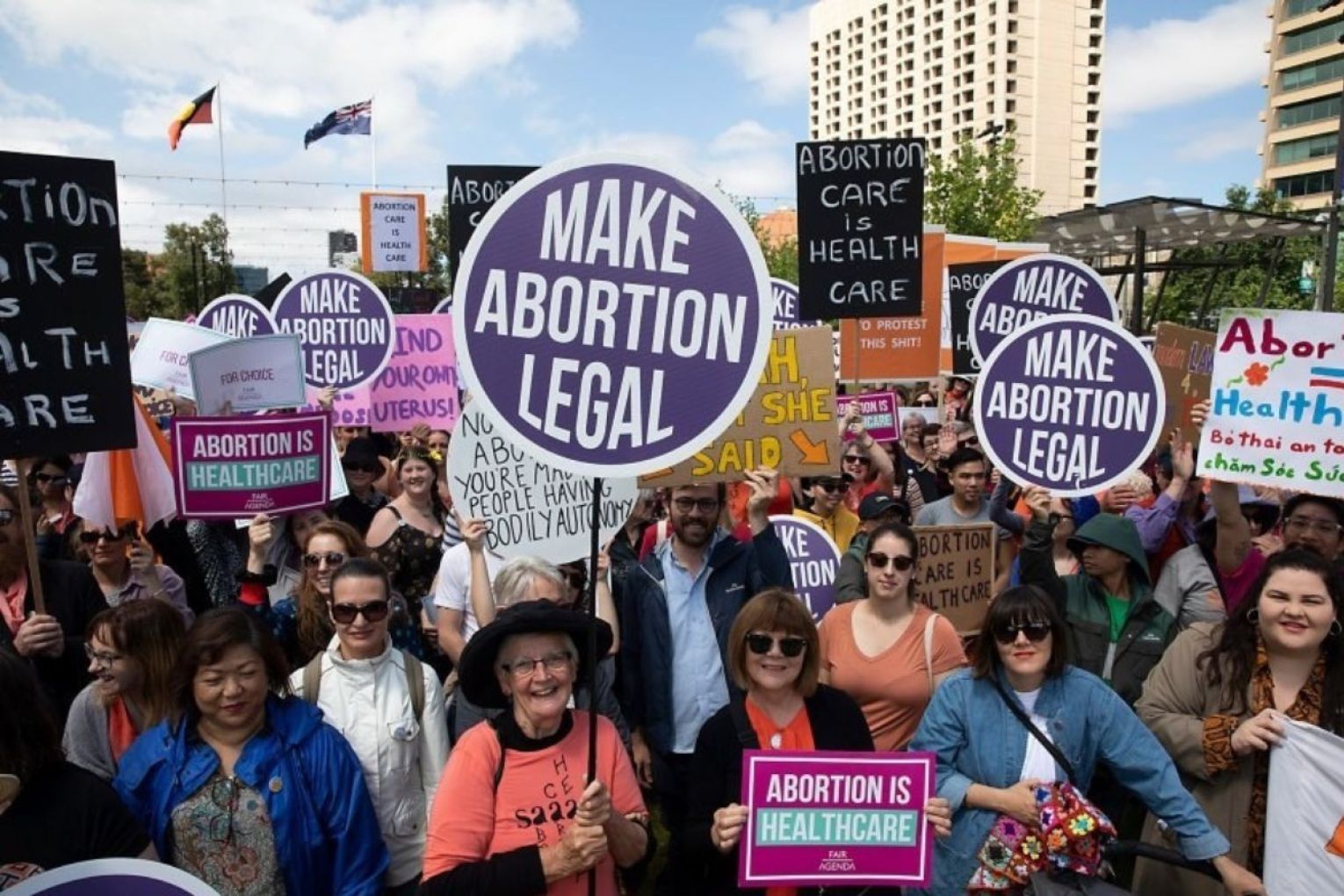
Approximately 84 per cent of Australian One Nation voters support access to abortion, according to a recent poll commissioned by independent think tank The Australia Institute.
About 50 per cent of these One Nation voters support unrestricted access to abortion, and 34 per cent support abortion access in limited circumstances, according to the Redbridge poll.
It comes as upper house members – including three new One Nation representatives, Cory Bernardi, Carlos Quaremba and Rebecca Hewett – prepare to vote on MLC Sarah Game’s late-term abortion bill on Wednesday.
It is the first time the new One Nation members and one new Greens member, Melanie Selwood, have been in parliament for a vote on this topic – the third attempt to restrict abortion access since 2024.
The national polling showed that Greens voters had the highest support for unrestricted abortion access, with 82 per cent, followed by 68 per cent of Labor voters and 58 per cent of Liberal-National Coalition voters.
“Any law that would place further restrictions on this health service would be contrary to popular opinion,” the report published today found.
You might like


The Australia Institute Deputy Director Ebony Bennett, one of the report’s authors, said: “Women’s healthcare should not be a political football”.
“From the experience in the United States, we can see that where women’s access to abortion is banned or restricted when politicians insert themselves between women and their doctors, women die or they can suffer severe health complications, including compromising their future fertility.”
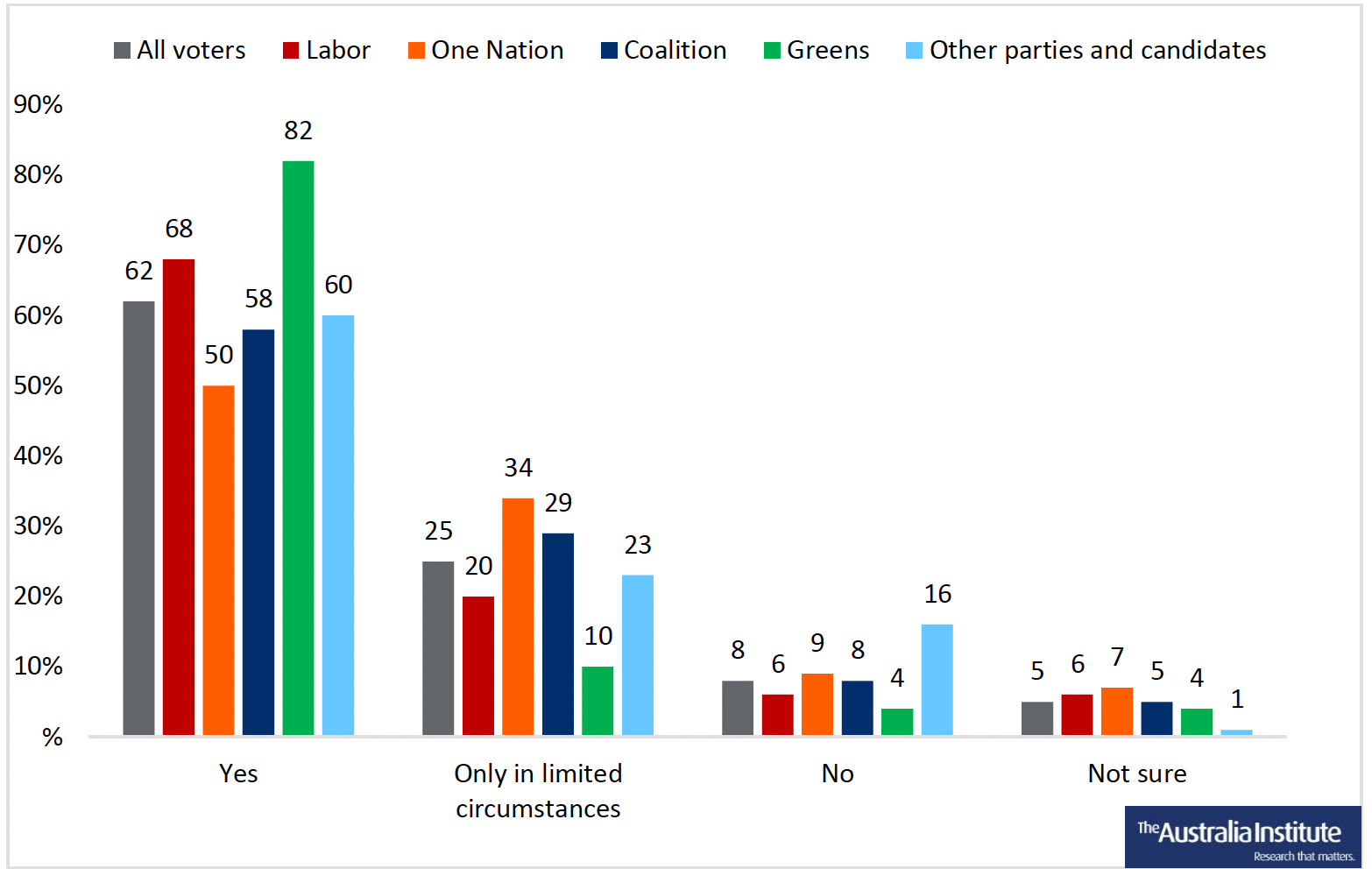
This polling featured in a new report, released today, which focused on South Australia – the only state in the country that records and publishes health data on abortions.
Bennett said this made the state “a leader in transparency” and allowed researchers to see “gaps in healthcare for people who need it, like the eight in 10 regional South Australians who are forced to travel to Adelaide for abortion services”.
The report revealed about 85 per cent of regional South Australians accessing abortion had to travel to a city clinic for the procedure, and that metropolitan health providers performed or coordinated 97 per cent of abortions in the state.
Stay informed, daily
“Given that access to abortion is highly concentrated in city-based clinics, further restricting access to late-term abortions could have disproportionate consequences for those in the country and rural areas,” the report found.
“This can be costly, time-consuming, and cause inconvenience at an already difficult time. Timely access to abortion crucial because delay can mean the difference between taking a pill for a medical abortion and requiring surgery.”
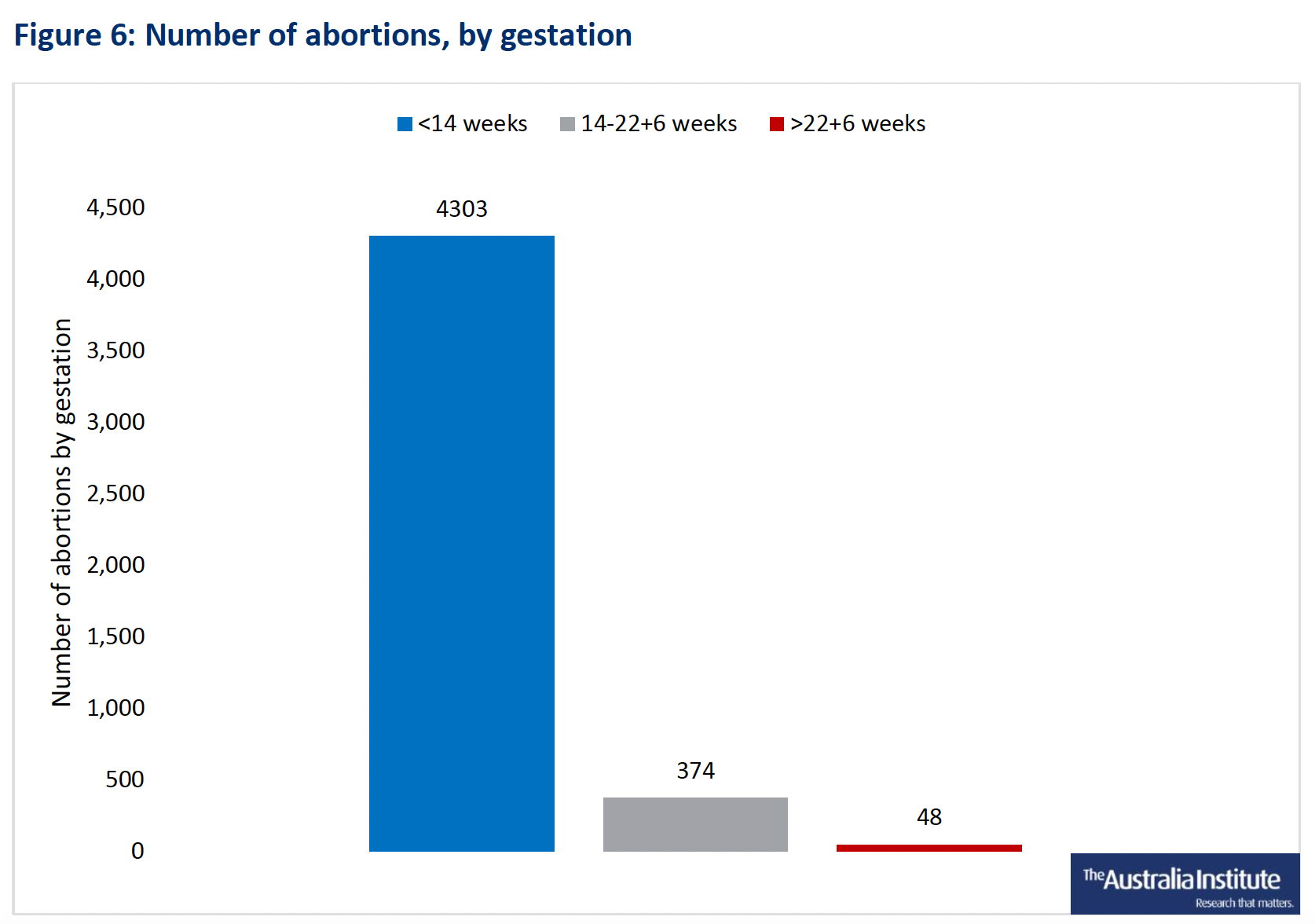
It also found that less than one per cent of all abortions conducted in the state were late-term abortions (defined by current SA law as after 22 weeks of gestation).
“Late-term abortions are complex, sensitive, and only undertaken when strict criteria are met,” the report said.
Currently, for a late-term abortion to be performed, two doctors need to agree that it is necessary to: save the life of the pregnant person, save another foetus, prevent any significant physical or mental health issues, or prevent serious foetal abnormalities.
Bennett said that though the new bill would interfere in “an extremely small number of circumstances…essentially it would erode women’s reproductive rights and access to health care”.
“When you’re entering a pregnancy, whether it’s wanted or unwanted, you can’t foresee the medical complications that you may experience,” she said.
Game’s bill would apply further restrictions on late-term abortions after 25 weeks, the third attempt since 2024 to change SA’s current abortion laws.
When introducing her bill last month, Game said it would remove the mental health clause and “serious foetal abnormalities” as reasons to perform an abortion, believing that after 25 weeks “a baby should be born and can be saved”.
“Unless there is deliberate sabotage, looking at how people have voted in the past, I don’t see why this shouldn’t pass,” Game said.
One Nation SA leader Cory Bernardi said the party would consider the details of Game’s bill, but that generally, One Nation’s national policy was to oppose late-term abortion.
The bill was expected to be brought to a vote on Wednesday, June 17.
Want to see more stories from InDaily SA in your Google search results?
- Click here to set InDaily SA as a preferred source.
- Tick the box next to "InDaily SA". That's it.