SA scientist working to develop new cancer cure drugs
An Adelaide-based scientist researching treatments for pancreatic and lung cancer believes there will one day be a cure. Meet one of InDaily’s 40 Under 40 winners.
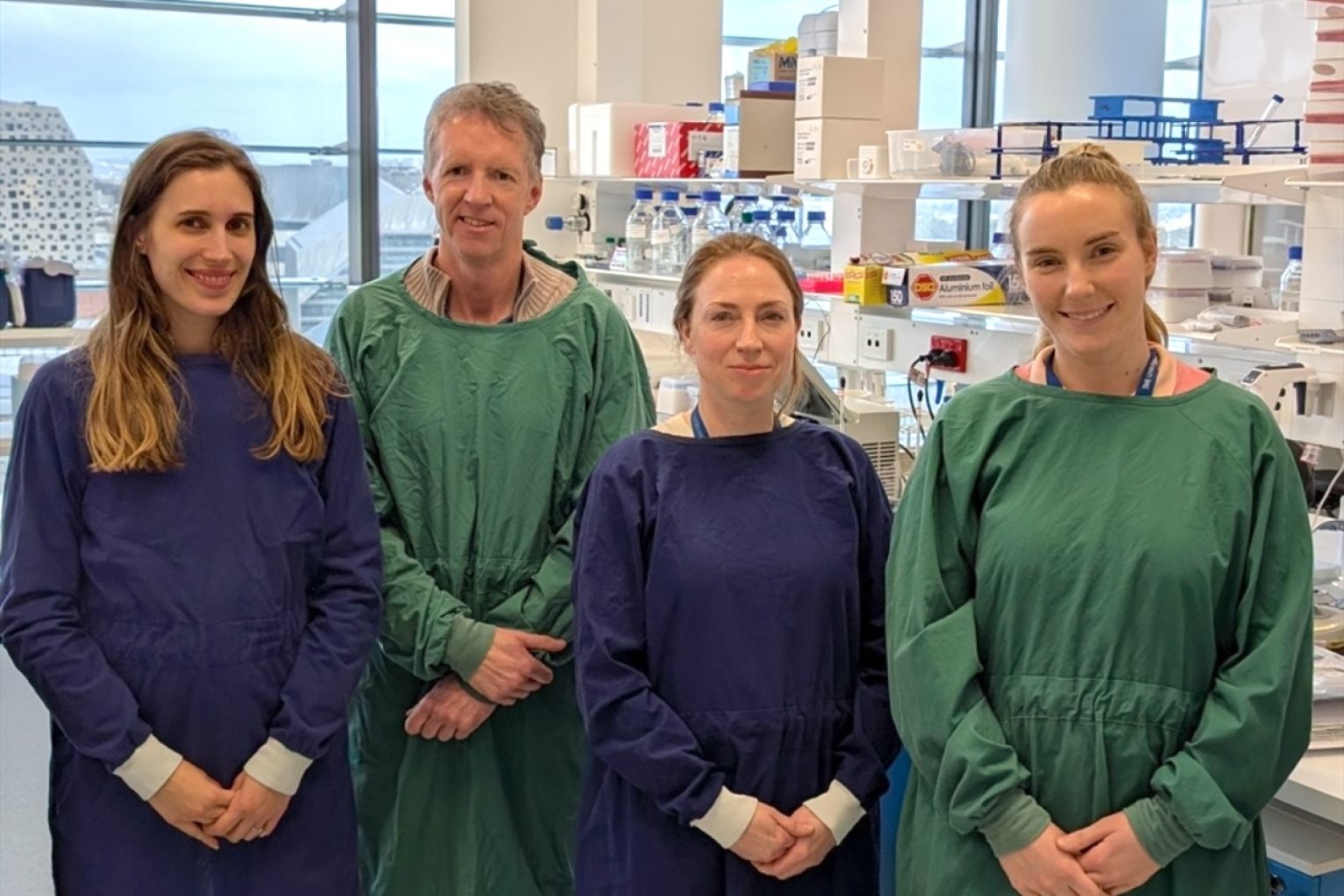
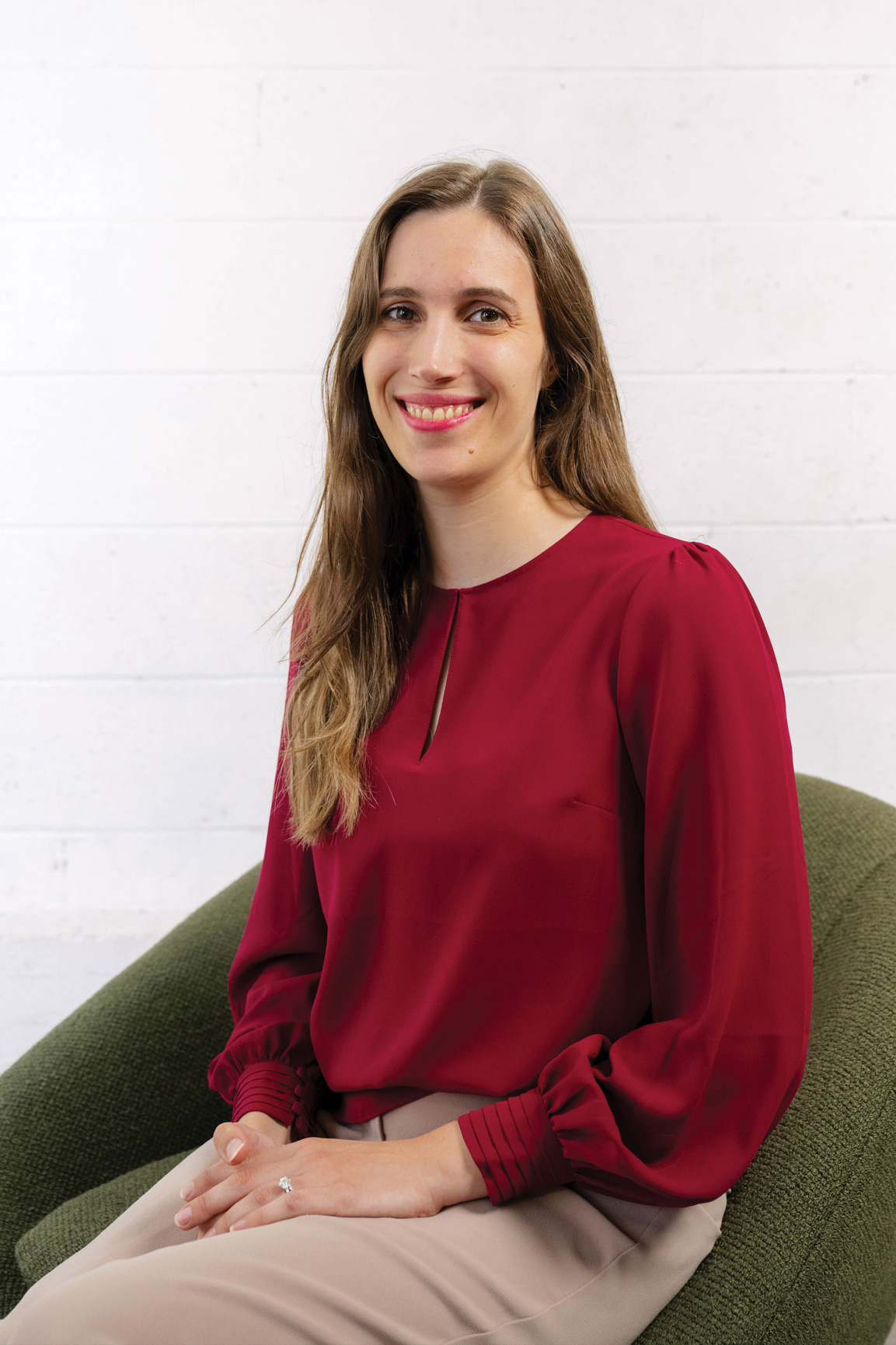
Cancer researcher Dr Mara Zeissig leads a team developing treatments for pancreatic and lung cancer and believes that one day a cure for the horrific diseases will be discovered.
The Discovery Award winner at this year’s 40 Under 40 gala also said that within our lifetimes, cancer would become just like any other chronic disease.
“There’s a lot of promise; there are people that are being cured already from immunotherapies that are really effective for their particular type of cancer,” she said.
“It’s a really exciting area, and it’s going to become very personalised – they’re already doing things like looking at the cancer within a person and then generating a personal vaccine just against that cancer for that one person.”
Zeissig runs a laboratory focused on lung and pancreatic cancer as part of the South Australian immunoGENomics Cancer Institute (SAiGENCI) at Adelaide University alongside a team of five other researchers.
“Together, we look at the biology of the lung and pancreatic cancers and try to identify why these cancers are able to evade both the immune system, as well as some of the really targeted new drugs that are available for cancer,” Zeissig said, referring to gene mutations in cancer cells that “very quickly” develop resistance to these drugs.
You might like


According to the Cancer Council, pancreatic cancer is the eighth most diagnosed cancer in Australia, with 4641 diagnosed with the cancer in 2024, while 15,000 Australians are diagnosed with lung cancer each year.
Zeissig told InDaily these types of cancer are under-researched and underfunded, and that unlike breast and prostate cancer, there has not been an improvement in survival rates over the past 10 to 15 years.
“Lung and pancreatic cancer still have one of the lowest survival rates of any cancer, and they’re also quite common, and people tend to present at the clinic when they have really late-stage disease, so there’s not a lot of options in terms of drugs or treatments for them,” she said.
The team at Zeissig’s lab research lung and pancreatic cancer together because they show similar genetic mutations – being the KRAS gene – and can be treated with similar drugs, although their tumours are “quite different”.
Zeissig said pancreatic and lung cancer are umbrella terms, with two main types of lung cancer – non-small cell lung cancer and small cell lung cancer – while the most common type of pancreatic cancer is pancreatic ductal adenocarcinoma.
Stay informed, daily
The lab focuses on non-small cell lung cancer, which is the more common type and is linked with smoking, although there has been a rise of non-smokers developing lung cancers too.
Zeissig said the team runs preclinical models, including growing pancreatic or lung cancer cells and then culturing them with immune cells to conduct genetic screens.
“Running these big genetic screens means that you can look at, ‘Okay, which cell with which gene deletion has allowed the immune cell to now kill the tumour cell’,” she said, adding that the tests can take up to a year to optimise.
“We then find new drug targets that people haven’t found before, and we use that information to test that in preclinical models”.
Zeissig spends about 50 per cent of her time applying for grants, with both the government and charities like the Cancer Council funding her team’s research. They also go to conferences to present their research and collaborate with other scientists.
She said their research is conducted in collaboration with people impacted by cancer, saying it was important for research funding to engage with the community.
“It’s one thing to be like, ‘Here, I’ve made a cake for you – do you like it?’ It’s different to be like, ‘ What type of cake do you want me to make?,” she said.
Zeissig said she initially became interested in researching lung and pancreatic cancers around the end of her PhD, when immunotherapy – infusion with antibodies, cancer vaccines or cell therapies with immune cells – was becoming a “frontline” treatment rather than a last resort.
“It’s really come a long way, and the idea of immunotherapy really excited me because our immune systems are capable of obviously fighting off viruses and some bacteria, and so, your immune system doesn’t miss anything,” she said.
“So, if you can harness your immune system to fight off the cancer, it’s going to clear every single cancer cell in your body, and that’s where I see there being a cure.”
Asked where Adelaide compared to the rest of Australia in terms of its research output, Zeissig said it was “in a really good spot” following the investment in a biomedical precinct along North Terrace.
She hoped that within the next five to 10 years, her lab would become independently funded and would develop more collaborations with pharmaceutical companies “to see these drugs reach patients much faster”.
“What I’d hope in five years’ time is that we’ve made even more progress towards personalised immunotherapies, and that we’ve developed new drugs to start testing,” she said.
Want to see more stories from InDaily SA in your Google search results?
- Click here to set InDaily SA as a preferred source.
- Tick the box next to "InDaily SA". That's it.