All roads lead to Tate: An Adelaide perspective on the Manosphere
Adelaide Uni student Bayley Fitzpatrick delves into the ‘manosphere’ impacting young men and women across the state.
At fourteen years of age, Oliver (whose name has been changed for his privacy) decided it was time to get fit, and like most teenagers he turned to the internet.
While searching for workout routines on YouTube, Oliver stumbled upon Hamza Ahmed, the self-proclaimed “cult leader” and a figurehead of the sites ‘self-improvement’ genre.
Ahmed’s signature blend of health and fitness guides, paired with men’s rights activism and advice on dating a woman who is “wife quality, but ugly” has left him with a legion of insecure, confused young male fans.
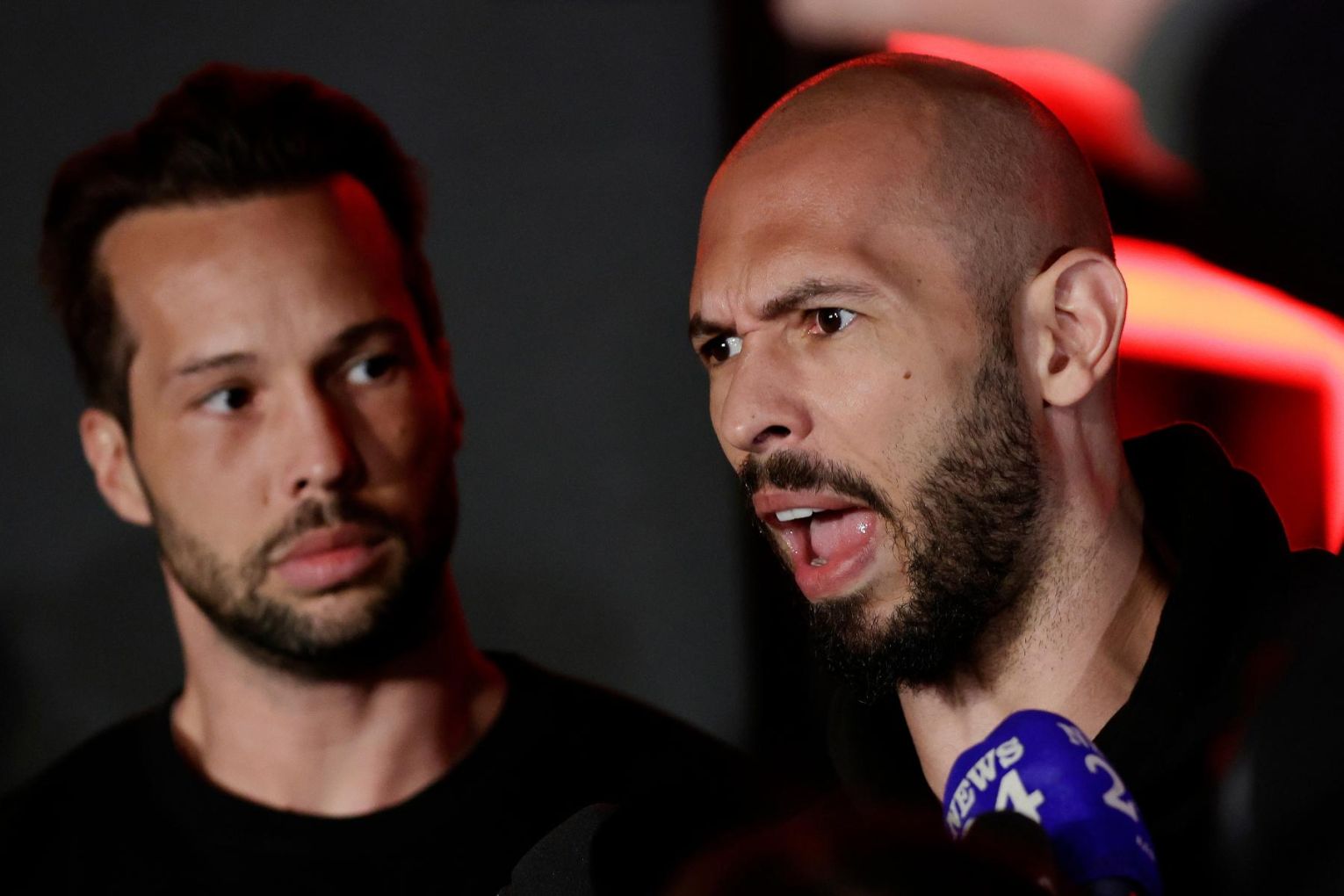
But all roads lead to Andrew Tate, the infamous self-help guru facing multiple allegations of rape, human trafficking, and prostitution across multiple countries.
The young man soon became a regular viewer.
"This is the manosphere, and for a growing number of young men, it’s an alluring pipeline which researchers are linking to coercive control, abuse and domestic violence."
According to Australia’s eSafety Commissioner, the manosphere is an umbrella term for a network of online communities that promote misogyny, toxic masculinity, male supremacy, anti-feminism, and more.
But to understand the manosphere, you need to understand its foundational ideology – ‘the red pill’.
The term is a metaphor derived from the film The Matrix; a man who has taken the red pill has ‘woken up’ to modern society’s apparent systematic bias against men, as a result of feminism.
Oliver was happy to chat about his experience after being contacted through his contributions on r/ExRedPill, a supportive Reddit community for former ‘redpillers’ and members of the manosphere.
Originating among an obscure sub-section of internet dwellers, colloquially dubbed ‘incels’, these ideologies have become mainstream, and influencers like Andrew Tate now have millions of young fans who treat his word like gospel.
You might like

A recent Australian study by Matt Defina of The Man Cave found that more than 90 per cent of men know of Tate, and more than a third look up to him as a role model.
This year, University of Melbourne researchers Sara Meger and Kate Reynolds surveyed more than a thousand Australian boys aged 13 to 17 and found that 40 per cent agreed women lie about domestic and sexual violence.
But based on findings by The Australian Bureau of Statistics, one in six Australian women have experienced physical or sexual violence by a partner since the age of 15, and one in four women have been emotionally or financially abused.
This raises a difficult question.
What role does the manosphere play in shaping an abuser, and have creators like Tate and Ahmed normalised violence against women?
"Many figures of the manosphere don’t just imply violence but explicitly promote it as a vessel of masculinity."
Some (like Tate) are fighters, many are bodybuilders, and physical stature and aggression are often framed as crucial traits of manhood.
Normalised violent language online has been linked to extremist ideologies, even among men engaged in domestic violence, and there is a clear pathway of escalation.
It starts with dehumanising language, then justifying control, and even physical violence; the manosphere operates across this entire spectrum.
More disturbingly, there are online forums explicitly dedicated to encouraging and facilitating violence against women.
In France, a shocking story emerged where Dominque Pelicot repeatedly facilitated the rape and assault of his own wife, Gisèle, using an online forum dubbed by authorities as a ‘den of predators’. She was hailed as a feminist icon who publicly appeared in court, and saw numerous men sent to jail.
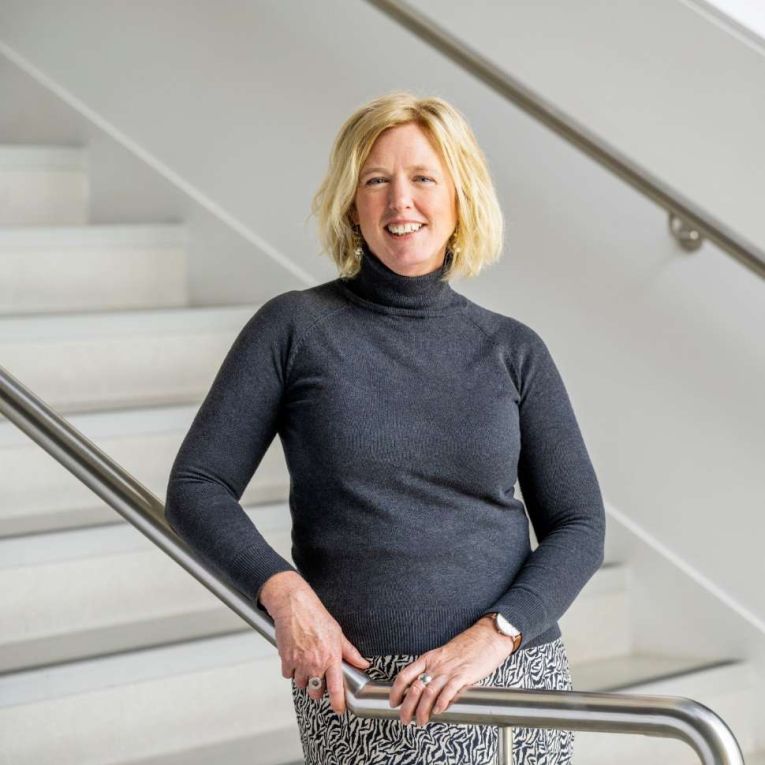
- Dr Kate Seymour.
Dr Kate Seymour, a social work and criminology researcher at Flinders University is hesitant to call the manosphere a direct cause of domestic and family violence.
“I don’t think that what we’re seeing online and on these forums is causing it, but it is a reflection of existing attitudes,” she said.
To Seymour, the manosphere is just one drop in the pond of societal forces which reinforce harmful ideologies, and she feels like people tend to miss the big picture.
“There will always be a focus on the particularly extreme examples, but the underlying assumptions are widely embedded … this is a long-standing thing that has not just emerged in the manosphere, but now it’s in your face.”
Stay informed, daily
Men’s mental health is often weaponised within the manosphere to further blame women and justify misogyny.
Male suicide rates are often labelled ‘the cost of feminism’, but the same creators who claim to advocate for men’s mental health often promote destructive ideas of masculinity simultaneously.
“The reality is that society is profoundly unequal in all sorts of measurable ways, and the focus on men’s mental health can mask that and distract from that,” Seymour said.
For women like Ricki Diamond, the societal consequences of the manosphere have just become a part of life.
The 23-year-old Adelaide woman said her experience growing up in a culturally conservative family gave her a unique perspective, but she’s concerned with how previously fringe ideologies are becoming mainstream.
“The quiet opinions that my family used to have are slowly being echoed by everyone else, and it’s very concerning to me,” she said.
Diamond has been told countless times by men that she is too masculine, or dominant in her relationships, and she takes issue with the expectation that women should be soft and passive.
“Why is femininity inherently tied to being passive and quiet and unopinionated? He, as a man, doesn’t get to decide what my femininity looks like.”
The cruel ideologies reflected in the manosphere aren’t just about physical violence; more often it’s quiet.
It starts with language, with expectations, and the slow erosion of a woman’s sense of self.
For Diamond, it came in the form of being repeatedly told that she is just too much.
“I’ve been told that I’m too competitive and angry, too loud… I will find myself not wanting to speak sometimes, because I’m like, well, everyone’s just going to look at me and think I’m just this aggressive, angry person.”
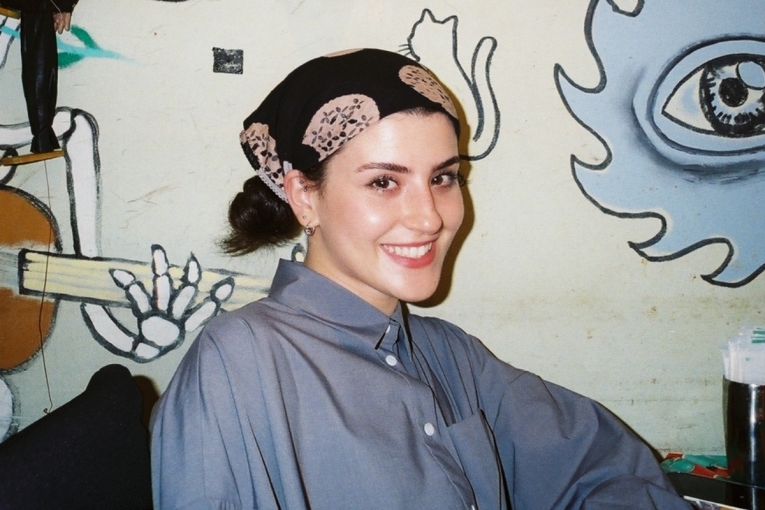 Diamond said that this ideology can only hurt young men and believes it will prevent them from forming meaningful relationships with not just women, but other men too.
To Seymour, the solution is as simple as it is unlikely.
“If there was one thing we could push a button on, we’d be home free. It’s enormously complex, and the bottom line is that for things to change, there has to be profound change in society; nobody’s all that keen to go down that track.”
But Diamond is still hopeful.
“I used to think that men weren’t capable of emotion, because I’d never seen a man show emotion in a way that wasn’t anger or frustration. And then I met my partner and his friends, and I was like, wow, these people are not afraid to tell each other they love each other, be vulnerable, talk about how they’re feeling. There’s hope.”
Meanwhile, the algorithm keeps running, and women keep paying the price.
Bayley Fitzpatrick is a journalism student at the Adelaide University.
If you or someone you know is experiencing family violence, phone 1800 RESPECT. For counselling, advice and support for men who have anger, relationship or parenting issues, call the Men’s Referral Service on 1300 766 491.
Want to see more stories from InDaily SA in your Google search results?
- Click here to set InDaily SA as a preferred source.
- Tick the box next to "InDaily SA". That's it.