Bids reveal hydrogen back in Whyalla Steelworks mix
It’s the will-they-or-won’t-they story of the past few years: using hydrogen power at the Whyalla Steelworks. InDaily speaks to one of two bidders shortlisted to buy the plant with promises of bringing the dream back from the ashes.
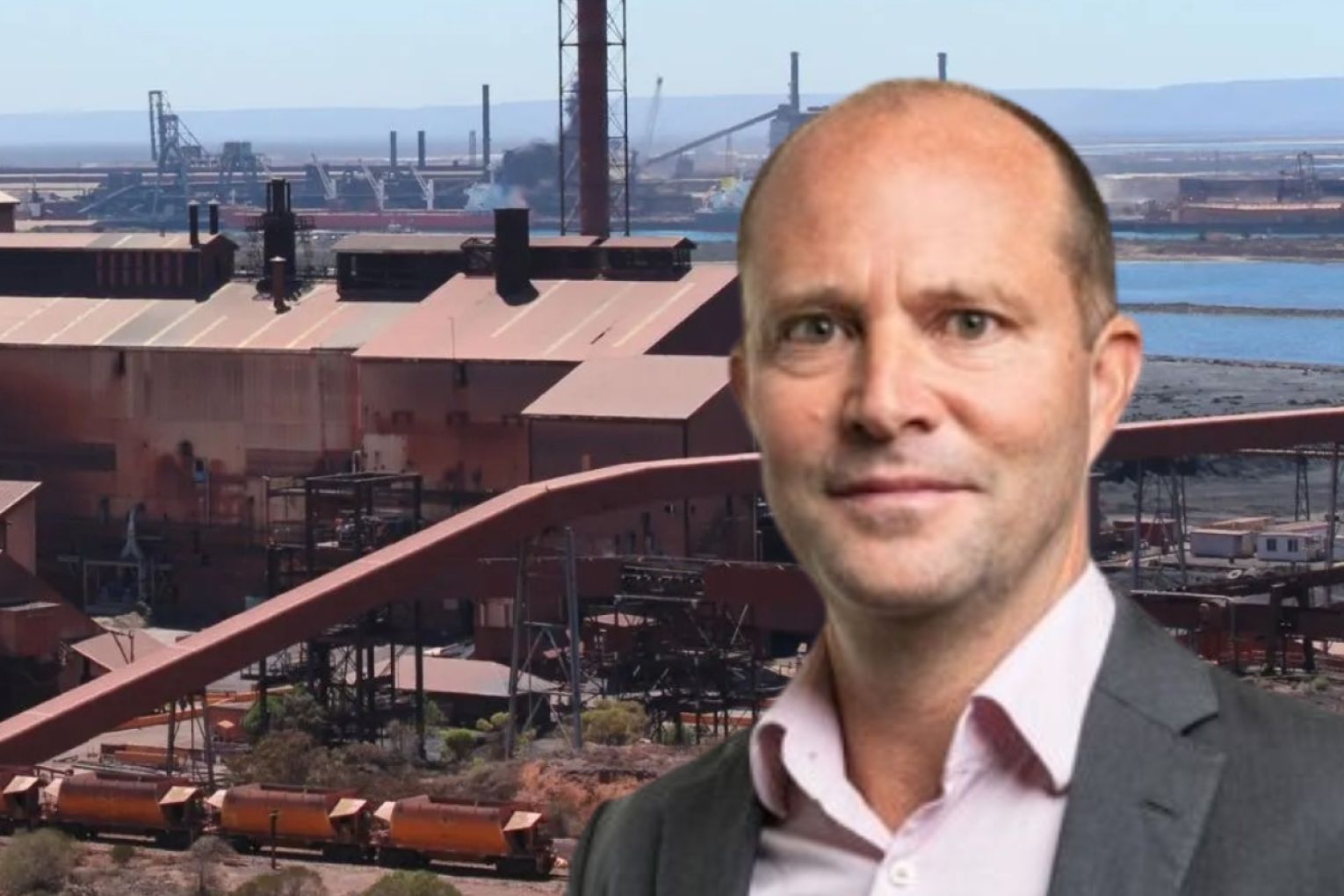
If Brisbane-based M Resources – one of two companies shortlisted in the bidding battle to buy the ailing Whyalla Steelworks – is successful in its bid, it plans on powering the facility with a novel and yet-to-be-deployed-at-scale energy source.
The play: power the steelworks with hydrogen, derived from gas. It ticks two boxes for the state government, which previously wanted to run its own $593 million green hydrogen plant at Whyalla and is now insistent that “gas will be king” for the future of the industrial asset.
M Resources, a metallurgical coal services provider with no history of making steel, is partnering with another Australian business, Hazer Group, to potentially make it happen.
First it must beat Indian multinational steel conglomerate Jindal Group, run by billionaire ‘Man of Steel’ Sajjan Jindal. Not to mention the fact that Australian steel giant BlueScope – the company currently advising steelworks administrator KordaMentha – has the right of last offer, meaning it is still technically in the race.
While all hypothetical until a buyer is picked, Hazer Group’s technology is looking essential to the M Resources tilt.
The company, based in Perth, is developing new technology that turns natural gas into low-emissions hydrogen and solid graphite, without generating carbon dioxide in the process.
It is a different approach to generating hydrogen than what the Malinauskas government previously hoped to achieve at Whyalla, before those plans were scuttled after the steelworks was thrust into administration and billions of taxpayer dollars were committed to instead supporting the steel city and upgrading the ageing piece of steelmaking tech.
You might like

The state government wanted to use electrolysis to split water into hydrogen and oxygen, and use that hydrogen to power the plant’s operations in its promised $593 million flagship project.
The Office of Hydrogen Power SA (OHPSA) spent $285.2 million up to June 30, 2025, on staff bills and projects relating to the Hydrogen Jobs Plan – the State Government’s shelved project – according to the Auditor-General’s annual report tabled in state parliament last year.
At its height, the office employed 55 staff with its chief executive officer Sam Crafter appointed in 2022 earning an almost $600,000 annual salary.
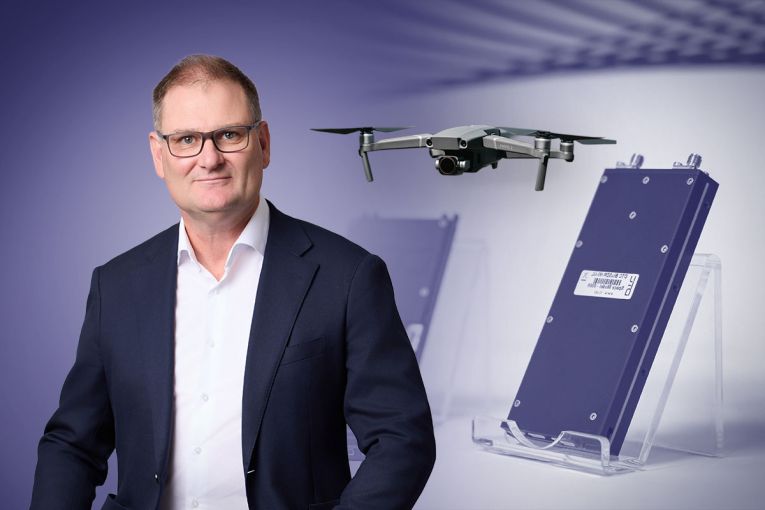
Speaking to InDaily, Hazer Group managing director and CEO Glenn Corrie claimed his company’s tech, spun out of University of Western Australia research, was cheaper than electrolysis.
“The X-factor of the technology is that we can use an iron ore catalyst, and that makes our technology better, faster, cheaper and cleaner than any other technology in the world, because we can lower the temperature of our reaction,” Corrie said.
He reckoned the stars would align for the joint M Resources and Hazer pitch, thanks to the former’s expertise in raw steelmaking materials and the abundant iron ore mines attached to the steelworks asset.
And it fitted in neatly with the growing recognition that the plant would be reliant on gas moving forward, the fuel being the core input for Hazer’s process.
"We have all the important components of steelmaking in our process,” Corrie said, “which makes it a very strong synergy with the production of clean steel."
Stay informed, daily
And he hoped the final product coming out of the steelworks would not have the ‘green’ price premium attached to it, because its process required less energy (and therefore less money) than electrolysis would have, keeping it competitive with traditional steelmaking.
“Our solution is very cost-effective,” he said, “we’re seven times less the energy, and therefore we’re going to be substantially lower-cost than green hydrogen, and that’s just chemistry”.
But the company was yet to establish any large-scale version of its clean hydrogen proposition.
It has projects in Canada, Japan, the United Kingdom and South Korea in preliminary stages. Corrie said the company had a further 40 to 50 potential clients that were looking at the potential of Hazer, the CEO describing the company’s opportunities as “real and massive”.
The company is also running a $22.6 million pilot plant in Munster, Western Australia, where it is turning methane into hydrogen, without producing carbon dioxide in the process.
“But that said, we’ve scaled the technology five times, so it’s not like we’re just running blind,” Corrie said.
“We are running and chewing gum at the same time.”
Asked how quickly the Hazer technology would be able to be implemented at Whyalla should M Resources be successful in its bid, Corrie said a “design package that we would use for that particular opportunity is already complete”.
“We’ve been working with KBR [the global engineering giant formerly called Kellogg Brown & Root] for 12 months on a design package that fits the Whyalla opportunity,” he said.
“I feel very comfortable that we can meet whatever the relevant timelines are for the opportunity there.
“We dream big. I can see a hydrogen hub in South Australia.”
Want to see more stories from InDaily SA in your Google search results?
- Click here to set InDaily SA as a preferred source.
- Tick the box next to "InDaily SA". That's it.