Beyond the FOGO bin: How councils and specialist recyclers turn your FOGO into high-value materials that grow fresh food
Using your green bin correctly not only helps reduce landfill, it also helps generate future fresh fruit and vegies.
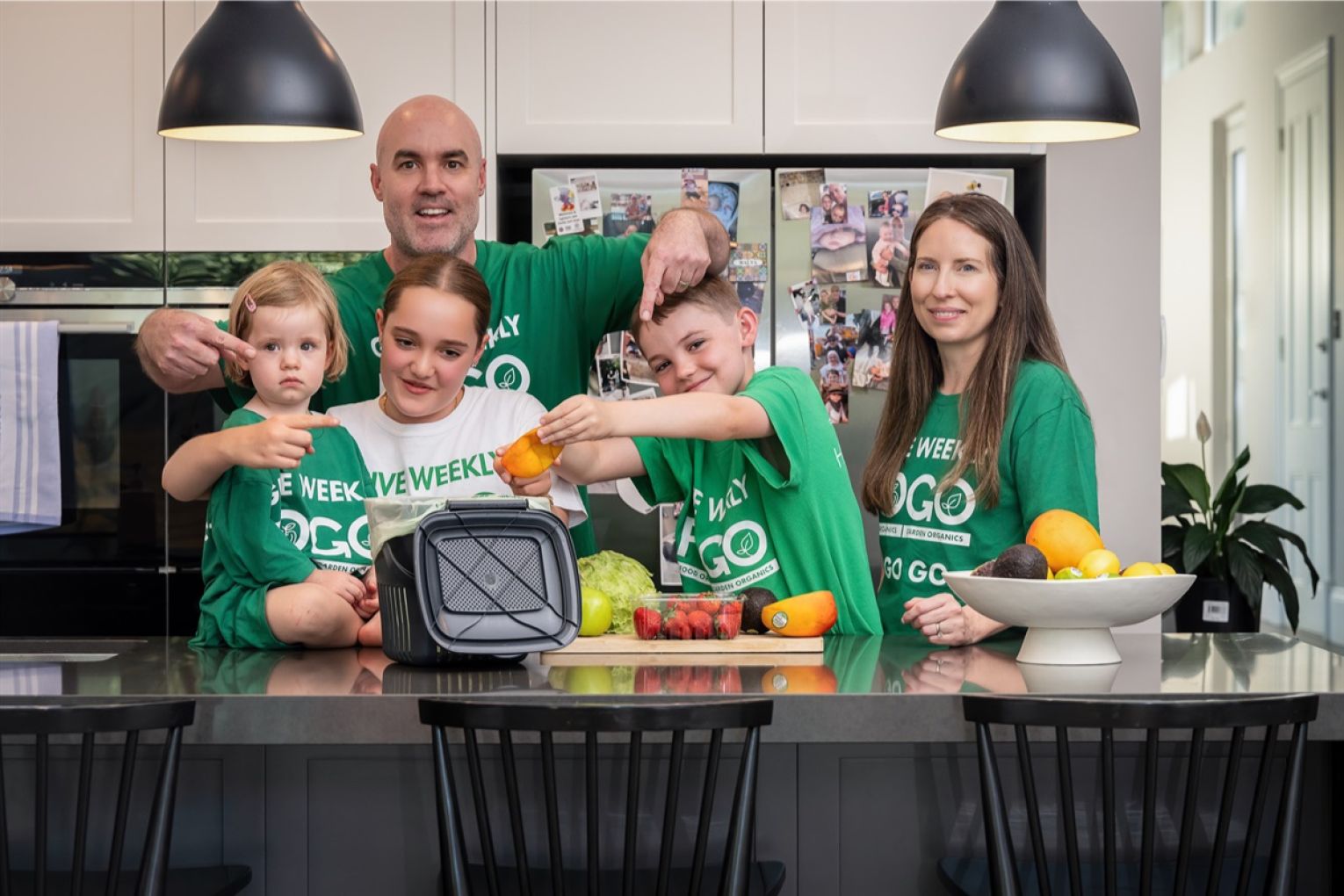
FOGO, which stands for Food Organics and Garden Organics, can be anything from food scraps to bones, used paper towels and garden clippings.
About 40 per cent of all rubbish in the general waste bin in South Australia is food scraps or organic waste. So it’s encouraging that more families are using their green bins and embracing the clean, green recycling revolution.
Every time you discard your FOGO in the correct bin, you are diverting a valuable commodity away from the 900,000 tonnes of landfill which are accrued each year across the state. Another benefit is a reduction in methane emissions.

South Australian councils know the benefits of FOGO and make it easy for households to participate by offering kerbside collection and kitchen caddies.
To make it even more convenient for you, compostable bags that fit your kitchen caddy are in the fruit and veg section of your supermarket or at your local park to help you dispose of your dog poo in the right bin.
So where exactly does your FOGO go and how does it get converted into nutrient-rich compost, soil, mulch and a variety of other products?
Understanding the FOGO process
In South Australia, Jeffries and Peats are two of the main organic recyclers that service metropolitan Adelaide.
Executive chairman of the Jeffries Group, Lachlan Jeffries, says the first step in recycling their 150,000 tonnes of FOGO green organics they receive each year is to blend it, get it into the aeration system to start the composting process, and subject it to temperature and oxygen monitoring.
“Once the composting process is complete, the green organics are then screened and sorted to remove any contaminants such as plastic bags, glass or metal fragments,” Jeffries says.
“We do this by using our unique Jeffries ROSS 4.0 system. ROSS 4.0 uses a range of technology including magnates, x-ray system targeting glass, wind sifters to remove soft plastic and Near Infrared (NIR) to remove hard plastics.”
All Jeffries compost products are certified to Australian Standard (AS 4454) and independently tested to ensure they are compliant and safe for use.
Councils are a key contributor to the circular economy by using the woodchips, mulch and compost in their parks, playgrounds and other community facilities.
While some recycling facilities have specialist equipment to check the compost for impurities and contaminants, Jeffries says that this technology isn’t perfect and doesn’t remove everything. It’s really important that households and businesses think before they throw out to ensure high-quality compost is returned back to farmers and home gardeners.
“If we all work together to understand what can and can’t go in the FOGO bin, it will help ensure our recycling systems are sustainable, benefiting councils and the communities they serve,” he says.
What can go into FOGO bins
- any food scraps – including bones, chicken and seafood scraps, eggshells, coffee grinds
- any plants, herbs or weeds
- animal poo – without the bag (unless it is a compostable bag)
- used paper towels, serviettes and tissues
- non-treated wood, timber and saw dust.
- products that are 100 per cent paper, cardboard, bamboo, wood or rye straw with no lining or additives (e.g. 100 per cent bamboo cutlery, 100 per cent plain cardboard food trays)
- Australian-certified compostable bags and wares
What can’t go in a FOGO Bin
- plastic: plastic bags, cling wrap and other soft plastics
- “biodegradable” or “degradable” items: these are not the same as compostable and do not break down properly
- general waste/co-mingled recycling: glass, metal, crockery and textiles
- large items: large branches, stumps and treated/painted timber
- other: nappies, hygiene products and kitty litter (unless specifically stated as compostable)
This article was brought to you by InDaily and LGA South Australia.
Stay up to date with the latest LGA South Australia news and updates from your local council at Local Councils | Where everything comes together.
Want to see more stories from InDaily SA in your Google search results?
- Click here to set InDaily SA as a preferred source.
- Tick the box next to "InDaily SA". That's it.