SA defence leader looks to the future of war ahead of Anzac Day
Ahead of Anzac Day this weekend, one of the top brass in Saab’s South Australian team tells InDaily about AUKUS opportunities and the role it will play in the future of warfare.
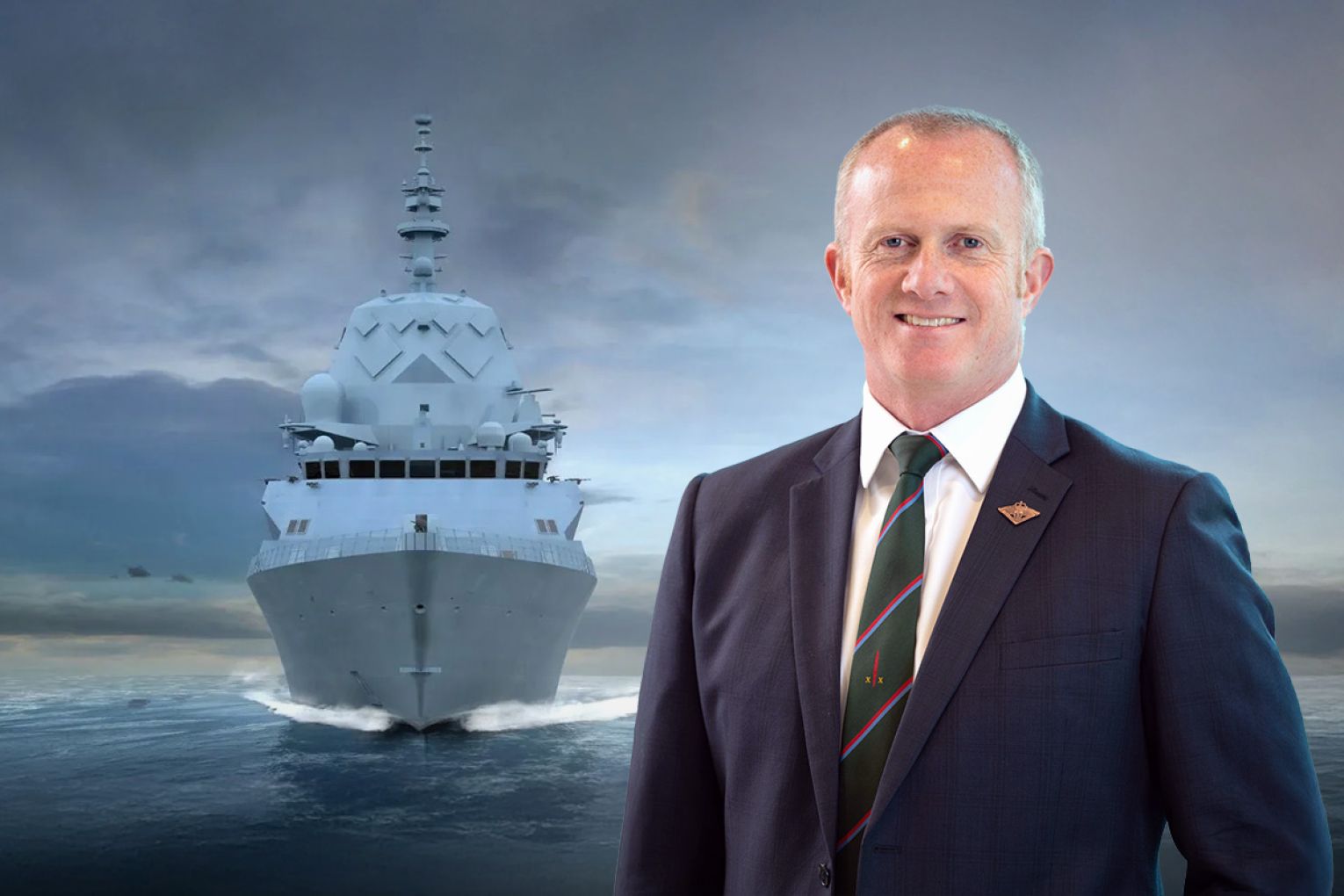
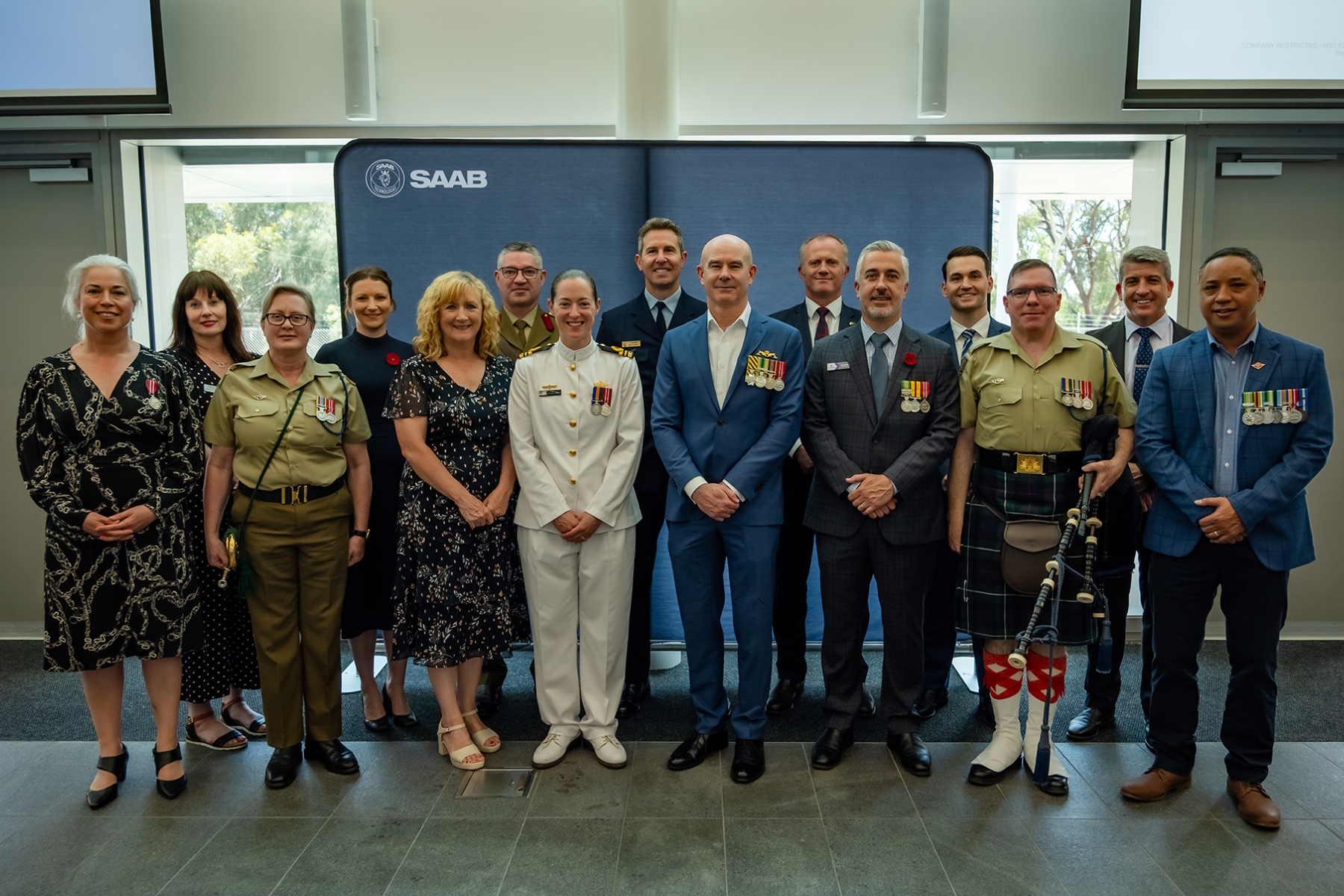
Marc Bryant – a general manager at Saab in South Australia – is one of many employees at the defence industry giant who have served in the armed forces.
He heads up the Swedish company’s land and integrated systems arm in South Australia, and is also the business’s Champion for the Veteran and ADF Partner Program.
Tomorrow, he will have his hands full with the most important day on the calendar for veterans: Anzac Day. Of the company’s more than 1000 Australian employees – 800 based in South Australia – 14 per cent are veterans.
“For me, personally, it’s taking that time out for my own personal reflection to think about the people that I served with and the people who didn’t go home at the end of it,” said Bryant, who served in the British Army for 10 years before another decade with the Australian Army.
“For Saab, it’s a source of pride. An important part of our ADF partner program is the commemorative side to it.
“We encourage our veterans across the country to attend these activities. We encourage the veterans to come in and wear medals if that’s what they want to do, just to increase awareness within the company as to who those people are and what service means.
You might like

“Helping them make that connection between why tapping away on a computer is important and what it means to the end users who are often using that technology away from home and in difficult circumstances, usually hungry, tired, afraid, cold or hot.”
Saab is a nearly 100-year-old company founded in Sweden to develop and manufacture combat aircraft. It is still a defence firm and now considered a defence ‘prime’ in Australia, with its technology widely used by the Australian Defence Force.
Its Australian base is at Mawson Lakes, where it works on a wide variety of projects from deployable field hospitals to air defence systems and cyber security tech.
It is also the Enterprise Partner for the Australian Combat Management System – “the brains of the ship” – across the Navy’s surface fleet, including for the Hobart Class destroyers and the Hunter Class frigates. Last March, Saab opened a new Sovereign Combat Systems Collaboration Centre at Mawson Lakes, which is developing capabilities to respond to new and emerging threats.
Bryant’s job is to oversee the business’s Australian land and integrated systems portfolio. While much of Saab’s work is for the Navy, he looks after solutions for the Army.
Stay informed, daily
And the company is a beneficiary of the huge spend associated with expanding the nation’s combat readiness amid war overseas, as well as taking on work under Pillar Two of the Australia, United Kingdom and United States defence pact (AUKUS).
Pillar Two relates to emerging and advanced technologies, which Saab is investing heavily in.
“We’re investing as a company in autonomy, artificial intelligence, underwater systems, quantum technologies and so on,” Bryant said.
He said that the US and UK relationships were the “cornerstones of our defence and security environment in Australia for decades and decades, and that’s not going to change anytime soon”. The pact is set to be a boon for Saab, and Adelaide too, he said.
“Adelaide is our centre of gravity right now,” he said.
His work on advanced defence technology is becoming more and more relevant, too, given that the way wars are being fought is changing.
This week, the Federal Government announced it would spend $7 billion on anti-drone technology, something Saab “has very strong capability” in.
“More so out of Ukraine than anywhere else, the lessons that we’re seeing out of there with the amount of work that those drones are doing and the effect they’re having with 80 or 90 per cent of casualties being caused by drone strikes, which is incredible,” he said.
“It’s turning around the actual casualty rates, where it used to be for every fatality there were three to five injuries. Now it’s almost switched that on its head… just because of the nature of the drones. They are literally hitting every individual. It’s frightening.
“It’s changing very quickly, and we are doing our best to get ahead of that curve and support Defence.”
Want to see more stories from InDaily SA in your Google search results?
- Click here to set InDaily SA as a preferred source.
- Tick the box next to "InDaily SA". That's it.