The Stats Guy: Australia’s missing trillions and the shrinking middle
Australia squandered its resource boom and faces risks to its future prosperity – but there’s still cause for hope, according to Simon Kuestenmacher.
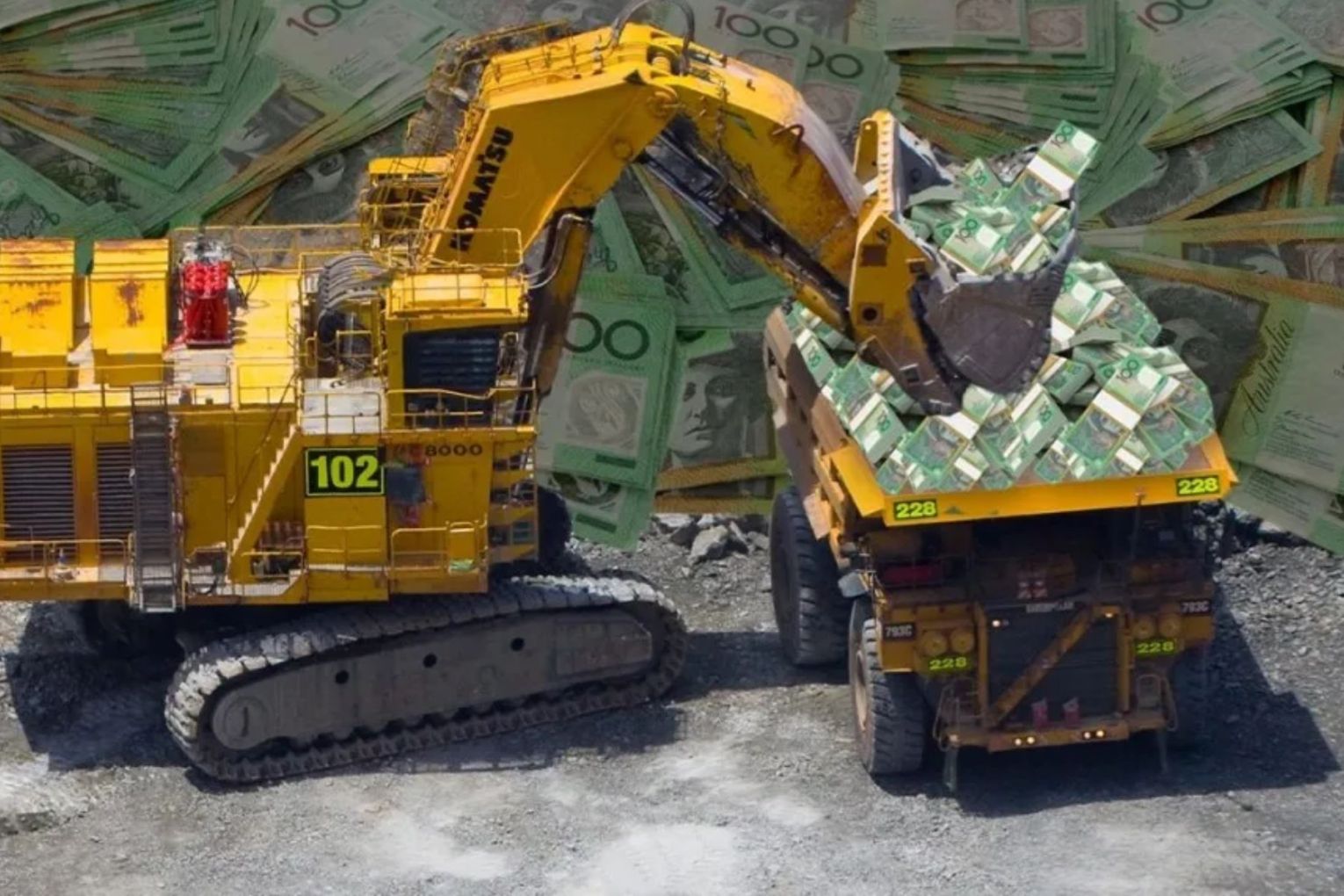
Australia is drifting into the very future it has been warned about.
On one hand we are one of the richest resource nations on Earth, perfectly positioned to monetise the global energy transition.
On the other, we are becoming more economically fragile, more unequal and more exposed to geopolitical shocks we cannot control.
The contradiction is striking and very much unsustainable.
The opportunity we keep refusing
For years I have argued in these columns that Australia should follow the example of Norway, which operates its economy based on a simple formula – dig up your resources, tax them properly, save the proceeds in a sovereign wealth fund (granting the population a sense of ownership), use the returns to finance a prosperous and sustainable future.
Norway did exactly that with its North Sea oil. Today its sovereign wealth fund is worth well over US$1 trillion ($1.5 trillion) and quietly finances one of the most stable, equitable and forward-looking societies on earth.
Australia chose a different path.
We also dug up vast amounts of resources, but instead of saving the windfall we distributed it across tax cuts, raising house prices and consumption.
The wealth showed up in private balance sheets rather than in a national fund.
That decision is coming back to haunt us.
The world is getting more volatile
The global environment that supported Australia’s prosperity is becoming less reliable.
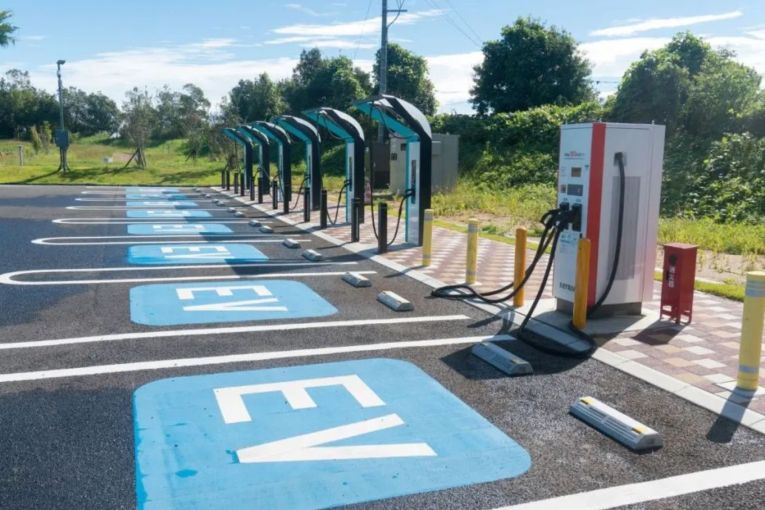
A prolonged disruption to shipping through the Strait of Hormuz would be a textbook example. A significant share of global energy and fertiliser flows through that narrow passage. Any disruption pushes energy prices upwards, triggers inflation and probably tips parts of the global economy into recession.
Australia would be hit much less severely than most economies, but isn’t immune to such global disruptions.
You might like

A quick reminder that:
- Our mining products would face lower global demand as consumer markets in China, Japan, and other major trading partners slow down. Despite significantly higher prices that we can charge for our mining stuffs, we might not collect as many dollars in total.
- Global food prices escalate as fertiliser shortages resulting from the waterway’s closure keep yields low around the world. Agriculture would be hit by rising input costs but can demand high prices for food stuffs.
- Tourism would be hit the hardest as fuel shortages make long-haul travel very expensive. By definition, all in-bound tourism to Australia is long haul. It’s a brutal hit for an industry that had just celebrated an impressive post-pandemic comeback.
- International education would soften as households abroad cut discretionary spending to soften the blow of a slowing economy. Local tertiary education will be seen as a cheaper alternative to an Australian degree by many. Australian universities are well advised to minimise their financial dependence on international students as I argued in a previous column.
Our four-pillar economy still works and will continue to create wealth. But it becomes far more cyclical under stress. Also, we have very limited buffers for hard times.
Norway can draw on its sovereign wealth fund in a similar scenario. Australia relies on tapping into household wealth and is forced to consider other fiscal improvisations.
The middle-class squeeze
To understand where this is heading, we need to look at how these pressures impact Australians across the income distribution.
Australia is no longer the classic middle-class society it once was. The bell curve is flattening. In its place, a more polarised, U-shaped distribution is emerging – I described this hollowing out in my very first column for this publication.
Each side of the “U” is being pushed in a different direction by the same set of forces.
At the top end sit asset owners. They have benefited enormously from rising house prices and asset inflation over the past two decades.
Global shocks may dent their portfolios in the short term, but they remain cushioned by accumulated wealth. AI is more likely to enhance their productivity and income than threaten it. I don’t worry about them.
At the bottom end are low-income households. They are hit first and hardest by rising living costs, whether driven by energy shocks, rents or inflation.
They have little financial buffer and limited exposure to asset gains. AI and automation disproportionately threaten the routine roles many of them rely on. This group absorbs the shocks in real time. I worry about them a lot.
The most interesting story might well sit in the middle though.
Middle-income Australians have historically relied on stable wages, secure employment and gradual asset accumulation to build economic security. All three pillars are under pressure.
Wages don’t grow fast enough to keep pace with rising costs, housing is increasingly out of reach, and AI is beginning to reshape many white-collar and mid-skill roles that once defined the middle class. The middle-class gets squeezed from both sides.
They are too wealthy to receive meaningful support, but not wealthy enough to be insulated.
Government budgets will have to curb spending significantly to slow down inflation – the limited financial assistance is better used to help the really poor. The middle class better not expect too many handouts.
The middle class faces rising costs like the poor, but without the buffers of the rich. It faces technological disruption like lower-income workers, but with higher expectations to maintain living standards.
The result is a slow erosion of economic security right where it used to be strongest. It also threatens the national myth of Australia being a strong middle-class society.
This matters because the middle class has historically been Australia’s shock absorber. When global conditions deteriorated, a broad, stable middle kept consumption steady and social cohesion intact.
A thinner middle does the opposite. That’s great news for parties on the political fringe though.
Stay informed, daily
The AI wildcard
To make forecasting even more difficult in the current environment, we are transforming the world of work through the introduction of AI and robotics forever.
Routine, repeatable tasks will increasingly be handled by machines. Human work will shift toward interpersonal, creative and care-based roles.
In other words, the economy will become more “human” at the edges. But this transition is uneven.
High-skilled workers who can leverage AI will become more productive and better remunerated. Those in routine roles face displacement or downward pressure on wages.
Left unmanaged, this accelerates the shrinking out of the middle class.
Connecting the dots
Put these trends together and you see how Australia faces three simultaneous pressures:
- External volatility from geopolitical shocks and a more fragile global economy;
- Internal inequality driven by asset inflation and a shrinking middle class;
- Technological disruption reshaping the labour market.
Individually, each trend is manageable. Combined, they reinforce each other.
A weaker middle class reduces resilience to global shocks. Global shocks make it harder to invest in future industries. Technological disruption amplifies inequality if the gains are unevenly distributed.
This is how prosperous countries drift into long-term stagnation.
Reason for optimism
Australia still has time to change course. We remain a resource superpower. Demand for our exports will persist, particularly as the world decarbonises. Critical minerals alone represent a once-in-a-generation opportunity.
The question is not whether we generate wealth. It is whether we keep it. A sovereign wealth fund would not solve every problem but it would fundamentally change the national balance sheet.
- It would provide a buffer against global shocks;
- It would allow sustained investment in a net-zero economy;
- It would reduce reliance on housing as the primary store of wealth;
- It would help stabilise the middle class by spreading resource income more broadly across generations.
In short, it would turn a lucky country into a country with a plan.
Australia is approaching a fork in the road.
One path continues as we are – unnecessarily high exposure to global cycles, rising inequality and a growing dependence on private wealth to carry public risk.
The other path is more intentional – capture resource wealth, build national savings and use that foundation to navigate a more volatile and technologically disrupted world.
We know this model works. We have seen it work for our friends in Norway.
Simon Kuestenmacher is a co-founder of The Demographics Group. His columns, media commentary and public speaking focus on current socio-demographic trends and how these impact Australia. His podcast, Demographics Decoded, explores the world through the demographic lens. Follow Simon on Twitter (X), Facebook, or LinkedIn.
Want to see more stories from InDaily SA in your Google search results?
- Click here to set InDaily SA as a preferred source.
- Tick the box next to "InDaily SA". That's it.