Waikerie is not your usual food bowl
Waikerie has made a habit of looking beyond the familiar. Its willingness to diversify and innovate has earned the town a place as one of three finalist towns for the 2026 Agricultural Town of the Year, after being a finalist in 2022.
The Riverland may be one of Australia’s food bowls, but in Waikerie at its western gateway, there is far more on the table.
Located along the Murray River, Waikerie’s fertile soils and irrigation support a diverse agricultural industry spanning stone fruit, livestock, vineyards, nut farms, vegetables and an increasingly diverse range of innovative crops.
Once known predominantly as a citrus town, its growers are looking beyond the familiar.
Fourth-generation farmer Shaun Arnold of GM Arnold and Sons is one grower pushing the boundaries, producing everything from mangoes and pomelos to Buddha’s Hand, feijoas, quinces and pomegranates.
“We grow all the things outside the square,” Shaun says.
“We don’t just grow oranges, mandis and lemons. We grow all those, but we also grow other produce that people in the market want.”
That willingness to try something different runs through Waikerie’s farming community.
Faced with increasingly hot summers, Kym Pfeiler began looking for a crop that could thrive in the heat. That’s when he found dates.
“I wanted something that was really heat tolerant, as we were getting more and more of those stinking hot days,” Kym says.
“Dates just love that 45, 50 degrees. They don’t care.”
You might like

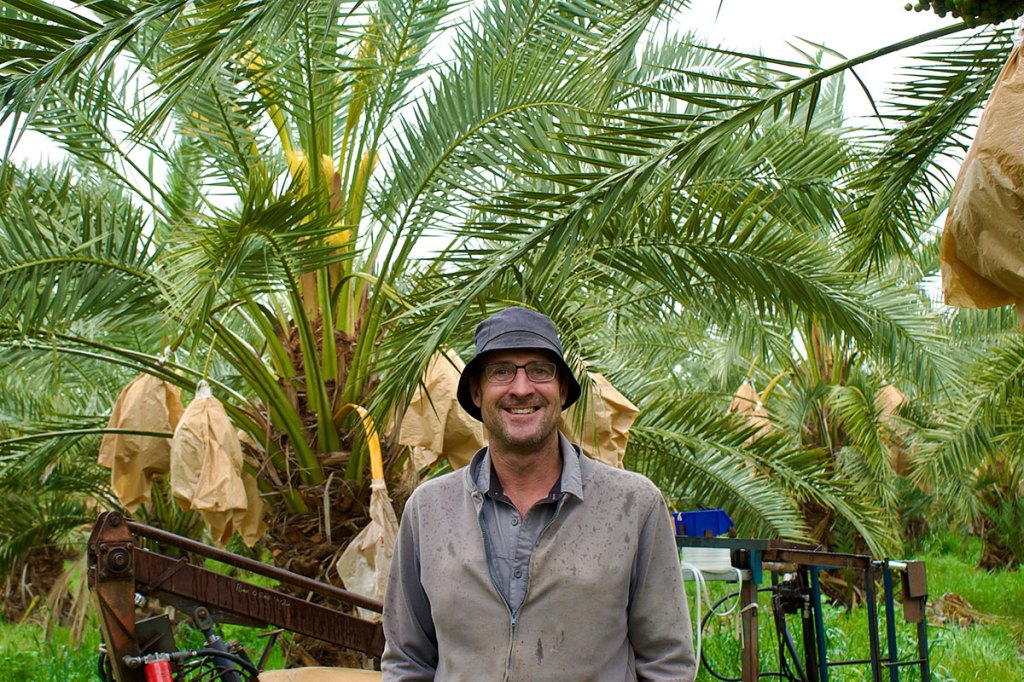
Kym says the fact that around 98 per cent of dates consumed in Australia are imported presented an opportunity to establish a local industry for a crop few Australian growers had ventured into, despite the challenges of growing and processing it.
“Actually, growing the dates is hard work, but probably the hardest part is that post-harvest and processing. They’ve got to be de-thorned, hand-pollinated, then there’s dehydration and rehydration.”
Since 2015, he has planted roughly 3000 palms as he works towards establishing one of Australia’s few commercial-scale date farms.
As an additional source of income, Kym has applied the same thinking to organic garlic, identifying a period when Australian-grown organic garlic was scarce and finding a way to supply it across the country.
Another unusual fruit has taken Waikerie grower Ben Waddelow on a journey spanning more than two decades.
His fascination with jujubes, often compared to a small apple, began with a Year 12 horticulture assignment. Told to research a fruit beginning with the letter Z, he came across Ziziphus, the genus that includes jujubes.
“It was very, very hard to research this weird, rare plant,” Ben says.
“I found very little information because the internet was really boring and slow back in the day, but got it over the line.”
His curiosity eventually took him to people and places around the world, with Ben bringing more than 40 jujube varieties to Australia before settling in the Riverland to grow them.
“If you look at the longitude and latitude where jujubes are growing in the Middle East and China, the Riverland is the best spot in Australia. That’s the reason why I came here,” he says.
The fruit’s sharp thorns make it notoriously difficult to handle, but Ben recently made a breakthrough while crossbreeding, developing a thornless variety.
“It was just by sheer freak of an accident and we got this one,” Ben says.
Stay informed, daily
“This will change the industry for the next 10 to 15 years. It’s a huge development and it’s being done right here in the Riverland.”
He is also turning jujubes unsuitable for sale into vinegar, finding another use for fruit that would otherwise go to waste.
Just outside town, potato seed company Solan demonstrates the precision agriculture being adopted in the region.
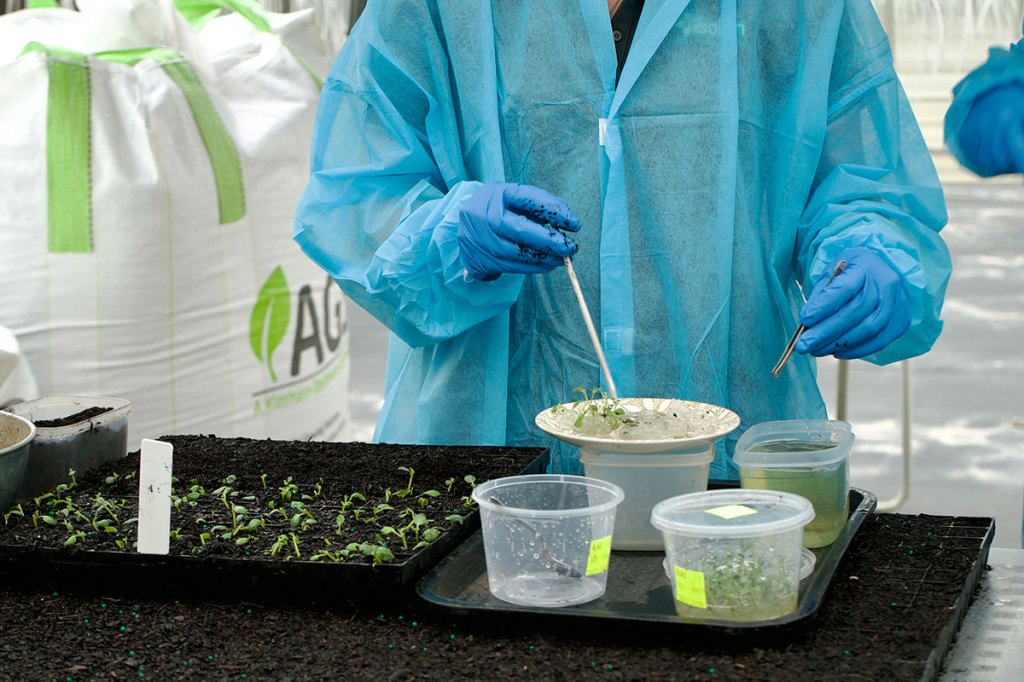
The company is a leading supplier of seed potatoes, producing certified mini tubers distributed across Australia and overseas.
The town’s culture of diversification extends to Waikerie High School, where students grow crops including citrus, almonds and olives, while raising chickens, sheep and cattle and keeping bees for honey.
They also turn produce into marketable products such as wine and olive oil, and develop the branding to go with them.
Local businesses are taking a similar approach by finding new ways to process and market what the region grows.
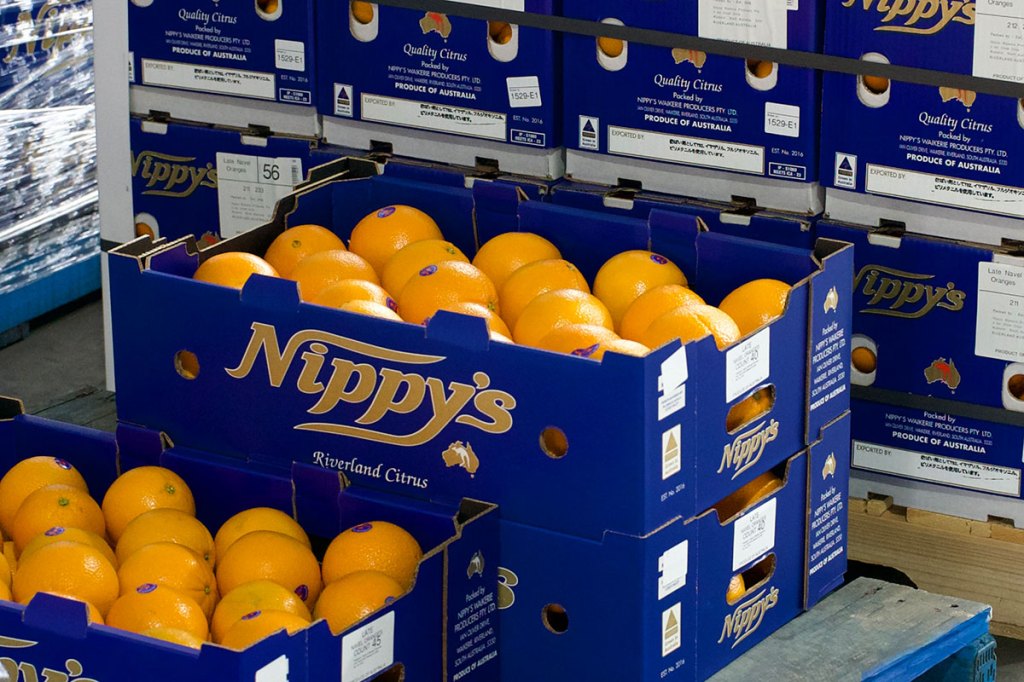
At a much larger scale, Nippy’s sources local citrus for juice and other products sold across Australia and overseas.
The Casaretto family takes locally grown almonds and turns them into butter, flour, meal and oil through The Almond Farmer.
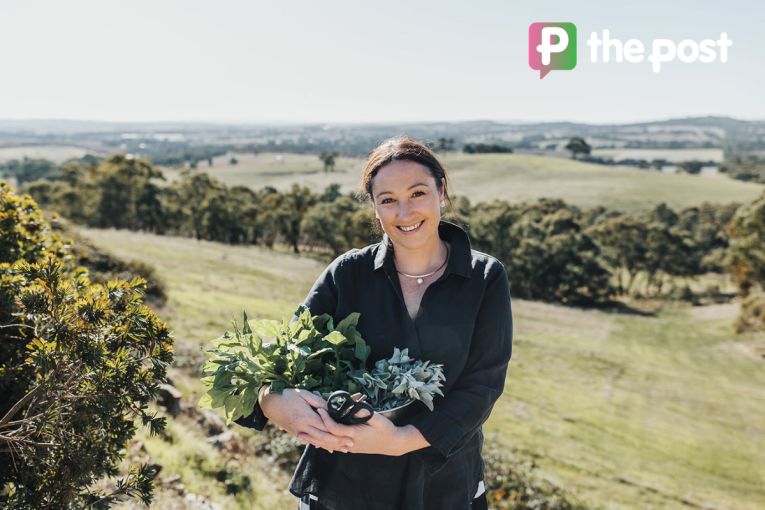
Grape and olive grower Keryn Gorman has value added and expanded her brand Illalangi into a gourmet range of products using local and native ingredients.
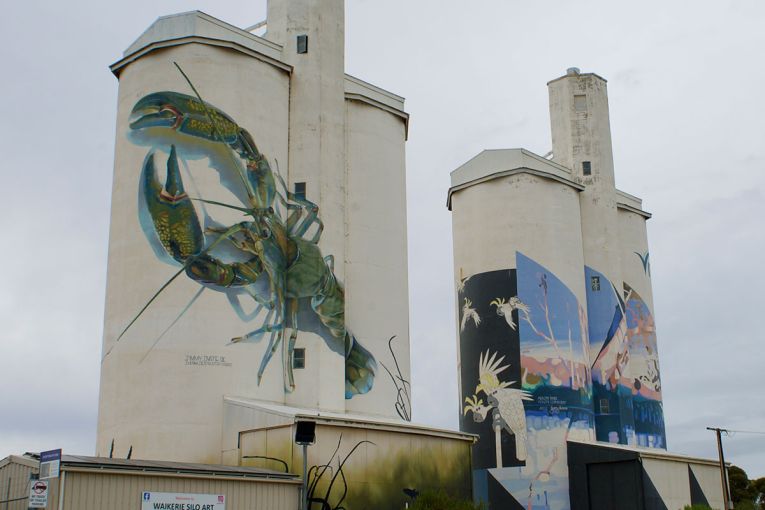
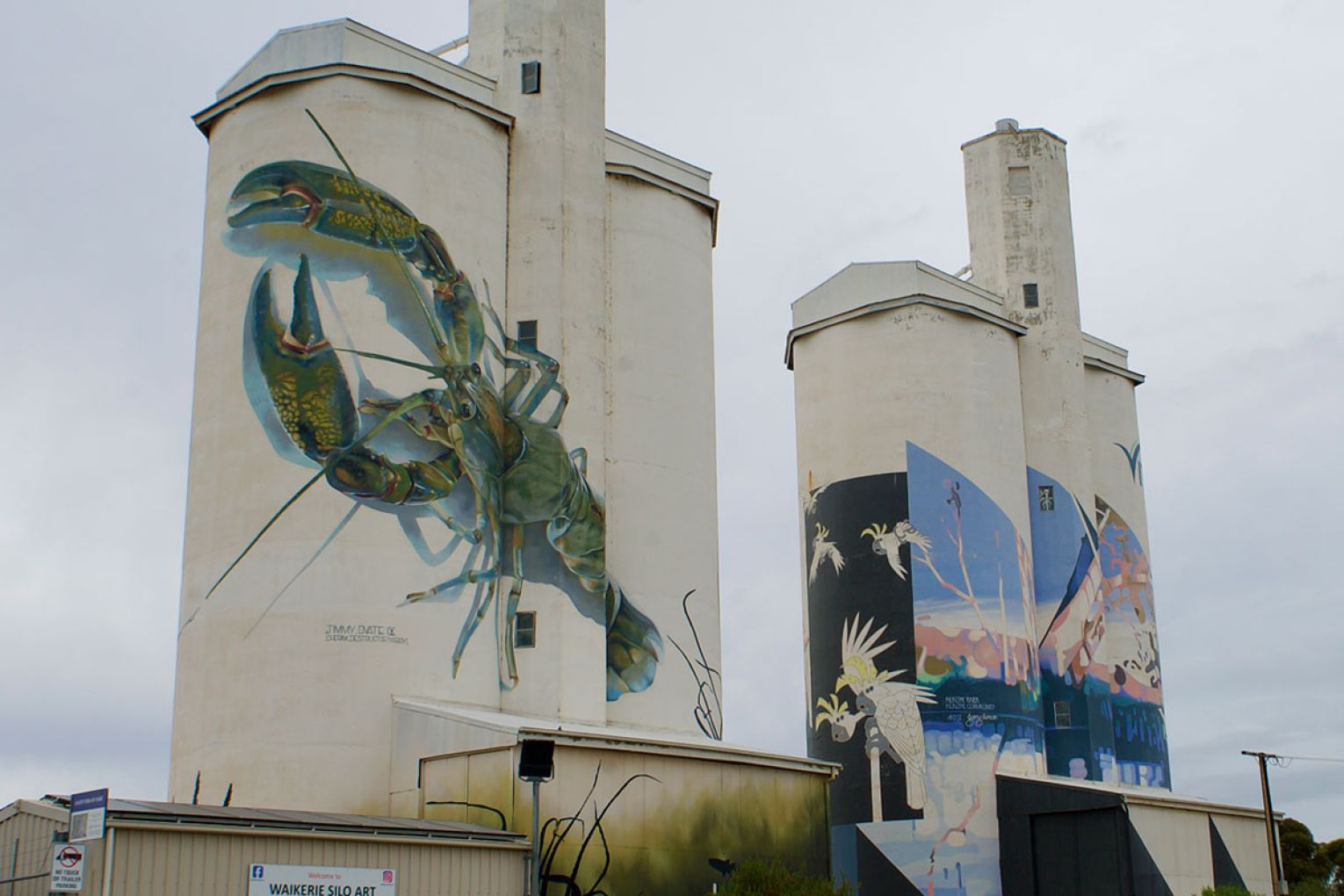
Two years ago, she moved its retail store from the Sturt Highway to a site alongside Waikerie’s painted silos, adding a café that now welcomes about 80 customers a day.
The Illalangi range features dried fruit, wine, olive oil, dukkah, jams and condiments, including Keryn’s favourite, caramelised wattleseed balsamic.
“We’ve just added products along the way and we’re really blessed with amazing growers who will come in and say, ‘I’ve got all this, do you want to have a play with it? Have you got a market for it?’” she says.
That willingness to experiment is part of what defines Waikerie for Keryn.
“I just think we’re adaptable, we’re responding to change, I just think we’re doing amazing things,” she says.
“I’m proud of a community that continues to adapt.”

Purchase your tickets and join us as we announce the 2026 Agricultural Town of the Year winner at a celebration event at Peter Lehmann Wines on Thursday
5 November 2026.
Want to see more stories from InDaily SA in your Google search results?
- Click here to set InDaily SA as a preferred source.
- Tick the box next to "InDaily SA". That's it.