Farming the future: Why South Australia’s next generation is redefining life on the land
Younger regional farmers and entrepreneurs are reshaping agriculture through technology, diversification and sustainability.
From regenerative grazing to buffalo dairies and high-tech classrooms, a new generation of regional South Australians is reshaping what it means to farm – and reinforcing why the state’s 2026 AgTown of the Year nominations matter more than ever.
An initiative of the Department of Primary Industries and Regions (PIRSA), delivered in partnership with InDaily, the awards shine a spotlight on the communities leading the way – where younger farmers and ag entrepreneurs are blending tradition with innovation to secure the future of agriculture.
It’s a shift being driven not just by necessity but by opportunity.
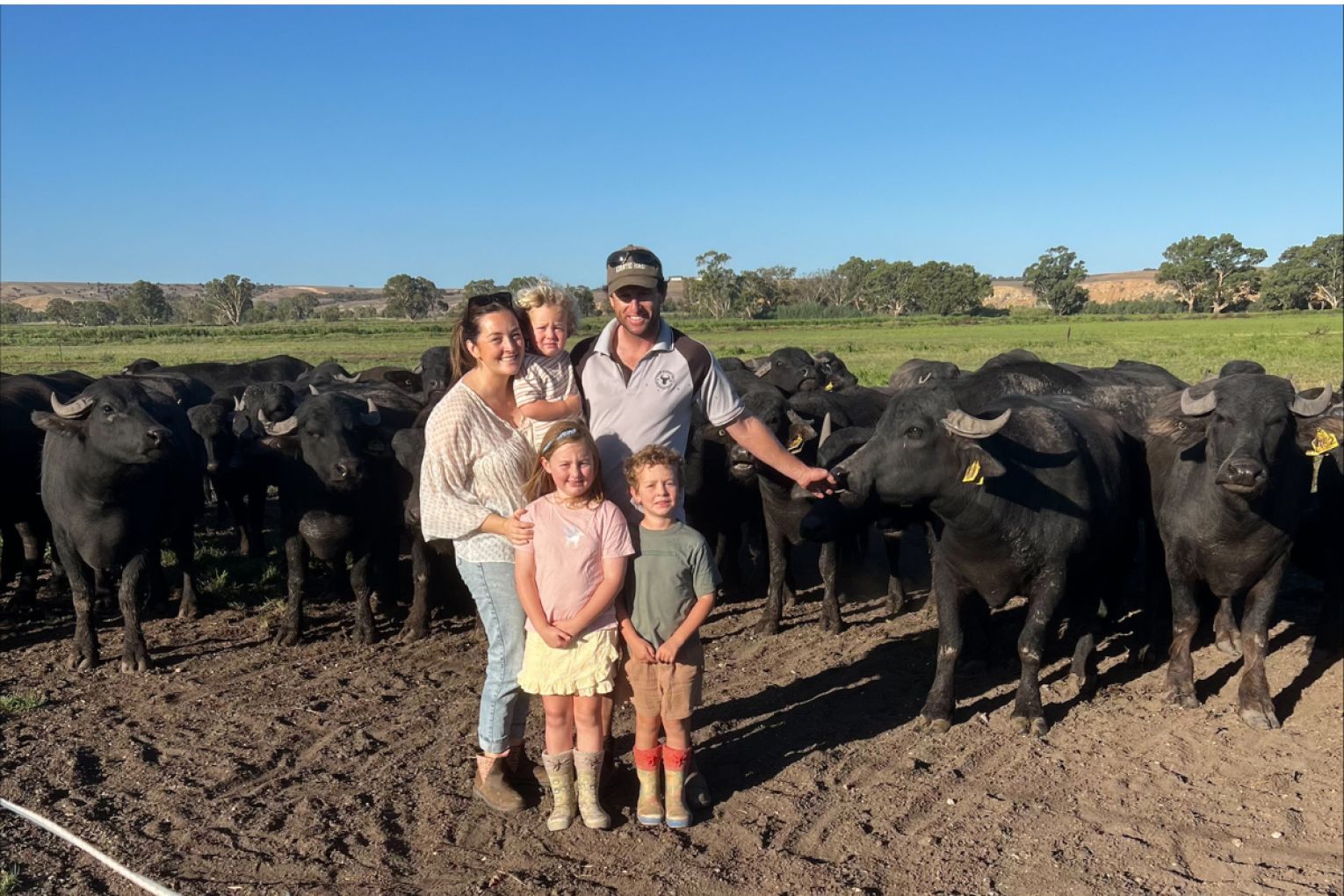
At Mypolonga in the Murraylands – which was crowned Agricultural Town of the Year in 2022 – Mollie and Corey Jones have rebuilt a family dairy into one of the country’s largest buffalo operations – and the only one of its kind in the state.
“In order to create a profitable and sustainable dairy business we needed to diversify,” Mollie says. “There was demand for this unique product as there are no other buffalo dairies in the state.”
Today, the South Australian Buffalo Company dairy farm milks up to 200 buffalo daily and supplies cheesemakers across South Australia and interstate, while also raising meat stock.
But for the next generation, sustainability is as much about stewardship as it is about innovation.
“Having young children makes sustainability very important to us,” Mollie says. “We would love for our children to continue the farm, if that is their passion, and so we need to ensure the land and natural resources will be available for them in the future.”
That means investing in solar energy, improving irrigation efficiency, rotating grazing and resting paddocks to optimise soil health and diversity, and using organic compost from the buffalos as a natural fertiliser – decisions that balance productivity with long-term care.
You might like
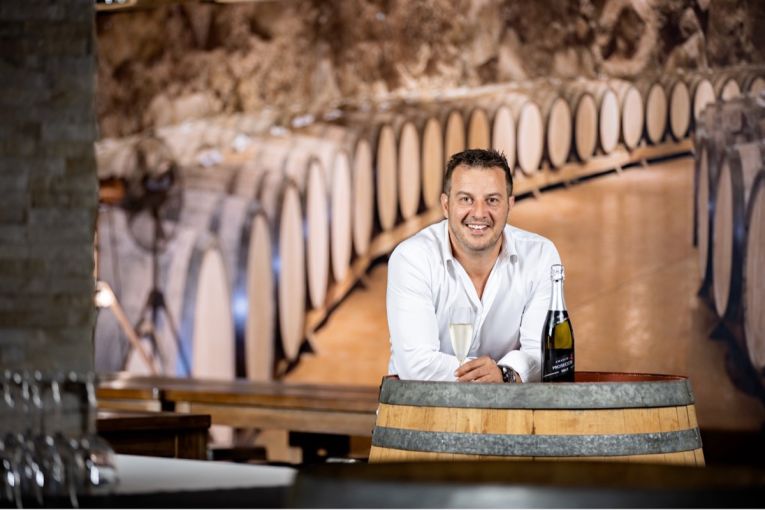

Just along the road, Mel Thomson is part of a family continuing a legacy that stretches back decades, while evolving it for the future.
“Mypolonga Orchard is a family-owned and operated stone fruit and citrus orchard,” she says. “The Thomson family has been farming this land since 1985, and we’re only the second family to live on this land.”
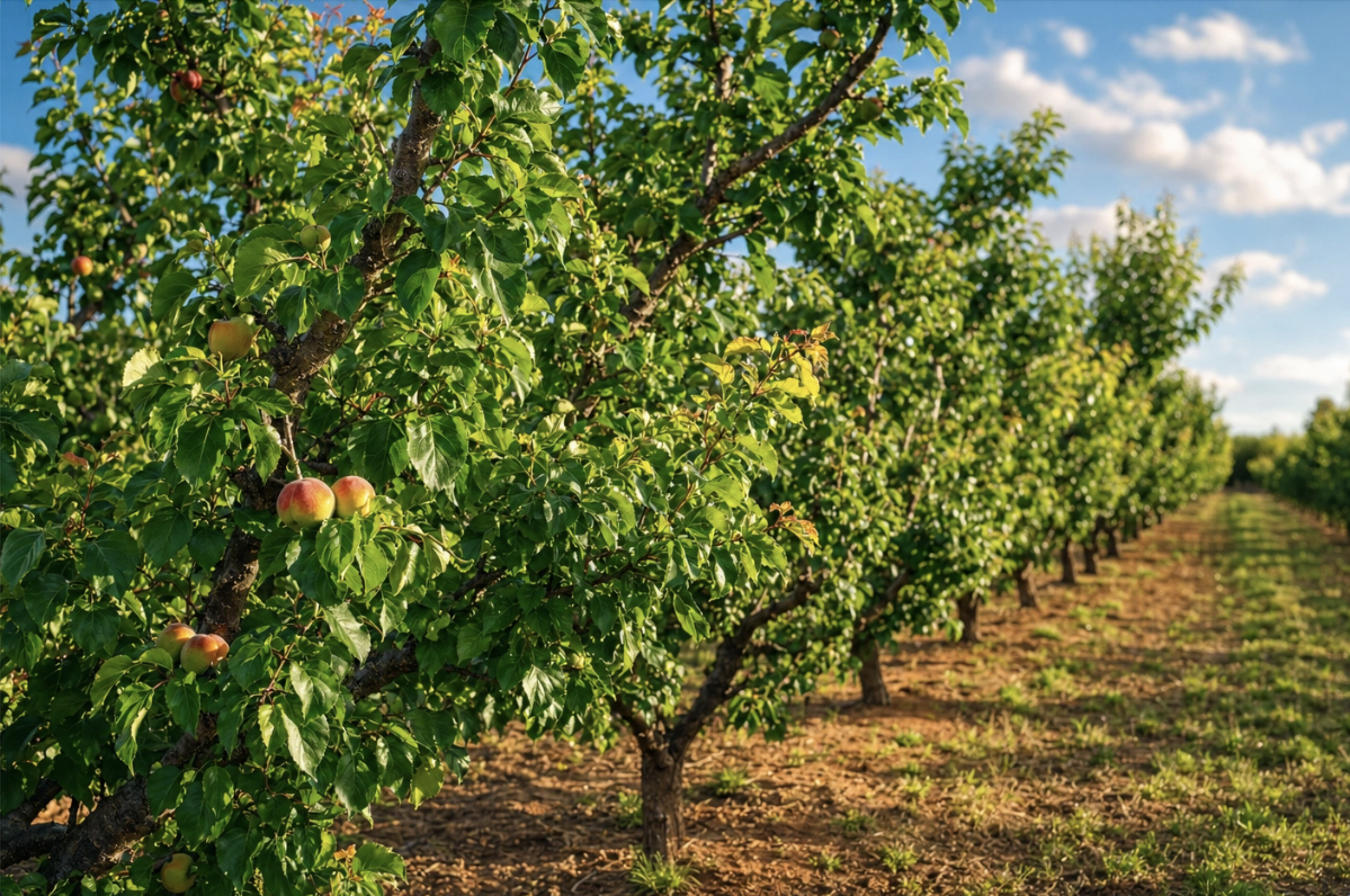
While fresh fruit remains central, the orchard has expanded into value-added products under its Rivergum Treats label — from dried apricots to citrus garnishes — helping reduce waste and build resilience.
“One of the ways we do that is by making the most of every harvest. Fruit that may not suit the fresh market can be turned into dried fruit, jams or other products rather than going to waste,” Mel says.
“Even seeds and by-products can often be repurposed or sold, helping us maximise the value of what the orchard produces.”
It’s a practical approach to sustainability and one that recognises farming is “never just about today”.
“Sustainability is very important to us because it’s about making sure the land and business can continue for future generations,” Mel says.
“Water is one of our biggest priorities, so we use modern drip irrigation which helps reduce waste and keeps the orchard productive.
“We also keep spraying to a minimum wherever possible and take pride in maintaining a clean, tidy and well-managed orchard for the future.”
Further south in Penola – another Agricultural Town of the Year winner in 2024 – fourth-generation farmer David Galpin, whose family has worked the land for more than a century, has taken a different approach again – one grounded in rethinking how the land itself is managed and how farms generate income.
Warrawindi Farms has shifted away from conventional practices to regenerative agriculture, eliminating synthetic fertilisers and focusing on soil health.
Stay informed, daily
“We don’t use any chemicals,” David says. “We look after the soil and the soil looks after us.”
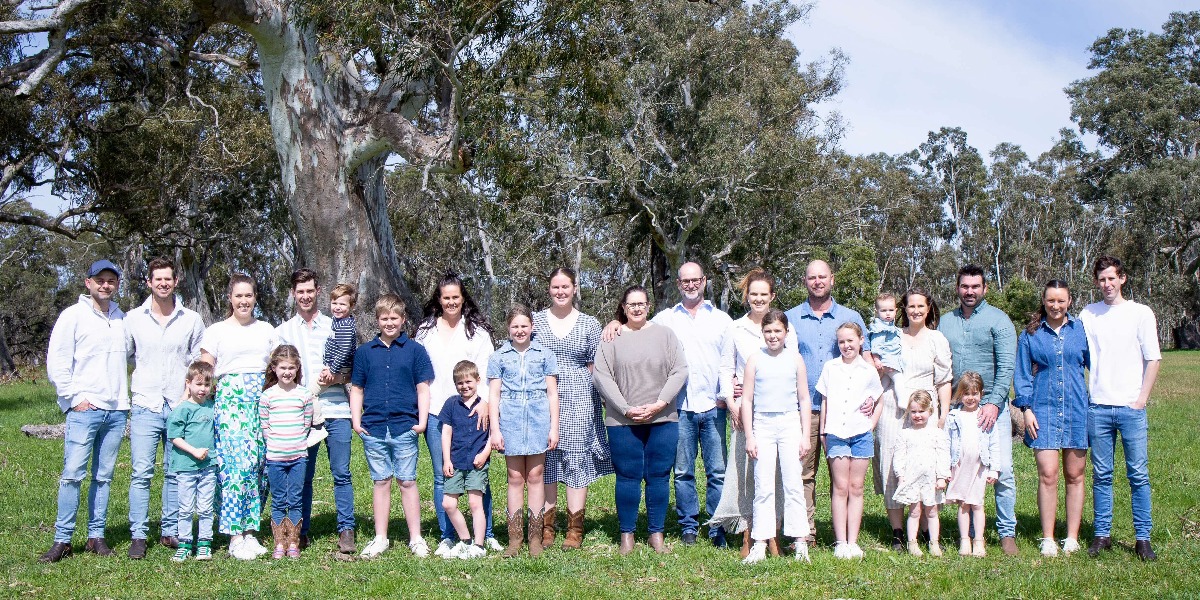
The results have been both environmental and economic, with healthier stock and more resilient pastures – even through drought.
“We’ve come through two years of drought and we still had feed,” David says. “It’s made farming fun again.”
But a key part of securing the farm’s future has been expanding beyond traditional agriculture.
Faced with the reality that only three per cent of farms make it to the third generation – “the main reason was not changing what you do,” David says – the family has diversified into tourism, adding on-farm accommodation, guided farm tours and immersive visitor experiences to its 3000-acre property.
“We got to a point where we had to change, and we did, and it’s been a real success,” he says.
Guests can now stay on the property, explore the farm up close and take part in sunset tours — a move that has not only created an additional income stream, but opened the farm to a new audience.
“People come here and they’ve never been on a farm before,” David says. “They sit there, look out the window and realise they’ve forgotten what silence sounds like.”
That growing connection between producers and consumers is becoming an increasingly important part of farming’s future. It’s also a connection being built long before people enter the workforce.
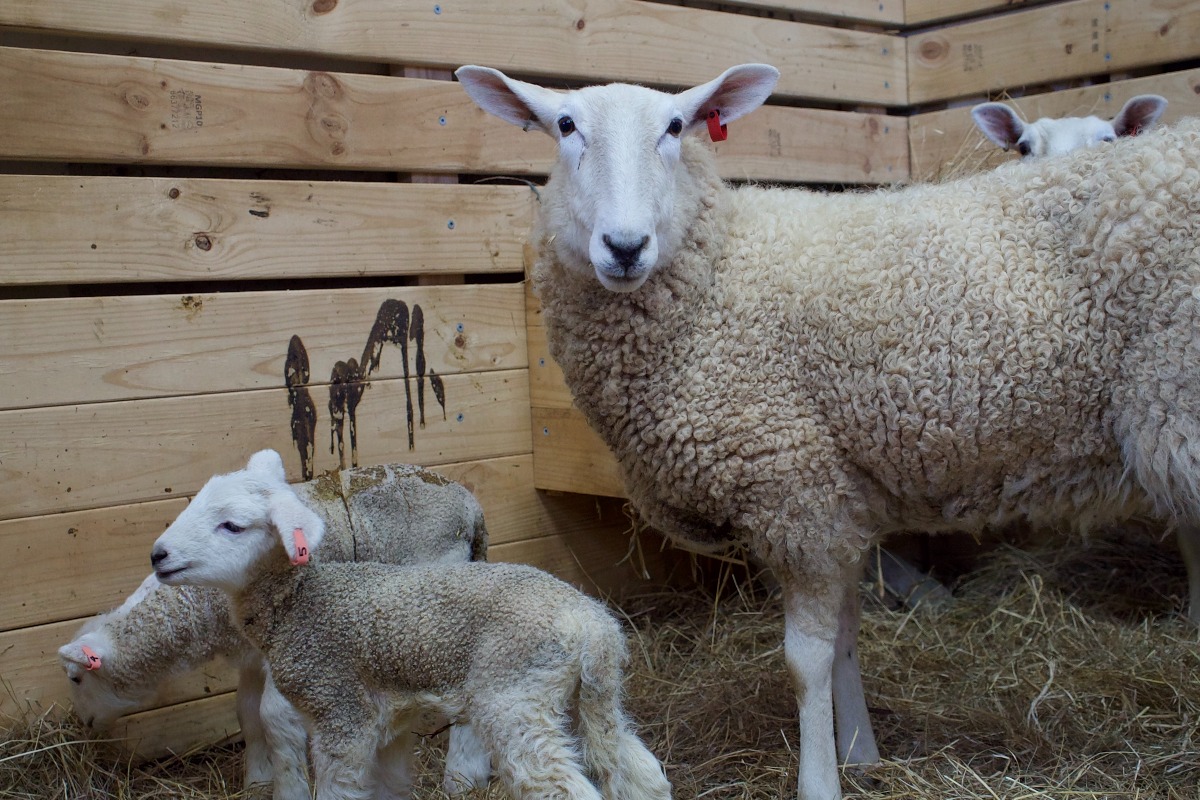
At Penola High School, agriculture teacher Cory O’Connor is helping shape the next generation of industry leaders through a rapidly growing agriculture program.
Students are exposed to real-world skills, covering everything from livestock and cropping to aquaculture and viticulture, supported by world-leading technology.
“Over the past two years, we’ve put a lot of time, effort and money towards growing the program and the infrastructure,” Cory says. “The ag block has some of the best technology you’ll find worldwide. It’s great to be able to show students things they can be a part of, and you know where it’s going to grow from there.”
The goal is simple: give young people the tools and confidence to see a future in agriculture.
“We live in such an agriculture-rich area, so being able to give students snippets of everything allows them to decide which agriculture field they would like to go down once they leave school,” Cory says.
For some, that means returning to family farms with fresh ideas; for others, it’s discovering a passion they didn’t know existed.
“You see the spark and it’s just so nice.”
Nominations for the 2026 AgTown of the Year Awards are closing soon. Your nomination will help provide towns with the chance to share their stories, build momentum and gain statewide recognition. Anyone can make a nomination.
Want to see more stories from InDaily SA in your Google search results?
- Click here to set InDaily SA as a preferred source.
- Tick the box next to "InDaily SA". That's it.