From silo art to field days: How AgTown communities are turning farming into a tourism drawcard
South Australia’s agricultural heartlands are finding new ways to attract visitors and keep small towns thriving.
In South Australia’s agricultural heartlands, a quiet transformation is underway. The paddocks, silos and farm gates that have long powered the state’s economy are now drawing a different kind of visitor – travellers eager to experience the people, landscapes and stories behind the produce.
The 2026 Agricultural Town of the Year Awards – an initiative of the Department of Primary Industries and Regions (PIRSA), delivered in partnership with InDaily – highlight the towns leading that shift, where tourism isn’t replacing agriculture, but building on it, creating new opportunities while staying true to what makes these communities unique.
On the Eyre Peninsula, Kimba is a standout example of how a small town can turn its identity into a destination.
“Kimba has done a brilliant job of building tourism in a way that complements, rather than replaces, its agricultural identity,” says Emily Maxwell, executive assistant and governance officer at the District Council of Kimba.
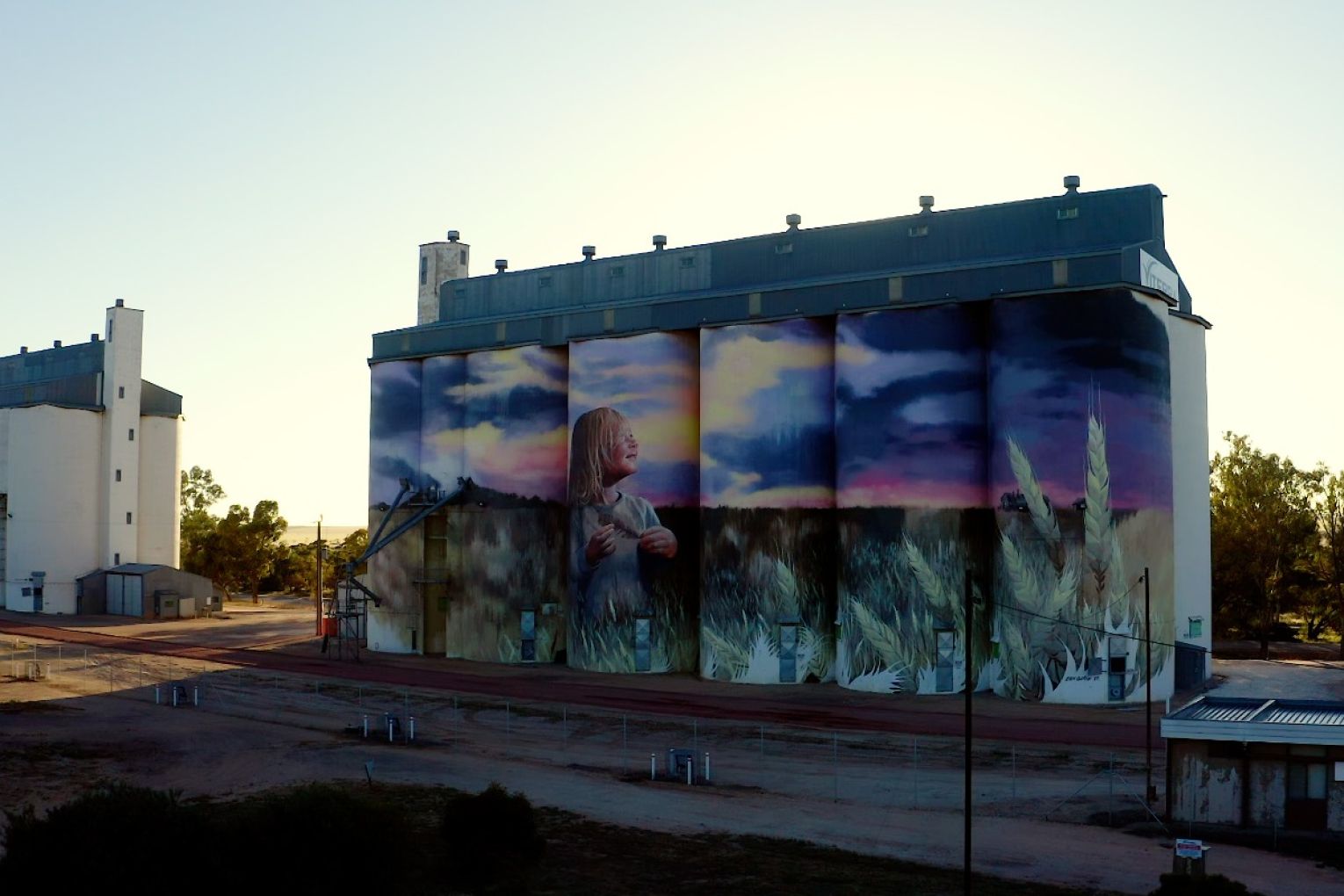
At the centre of that transformation is the town’s now-iconic silo art – a project born from a desire to encourage travellers to stop, rather than simply pass through.
“Like many regional communities, Kimba was looking for ways to increase visitation and inject some energy into the town,” Maxwell says.
“The silo art came together through strong community support, local leadership, and external partnerships, transforming working grain silos into a striking visual landmark that celebrates the region’s character.”
The impact has been immediate and far-reaching.
“Since its completion, the silo art has significantly increased visitor numbers, with travellers stopping in Kimba who may have otherwise passed straight through,” she says.
You might like
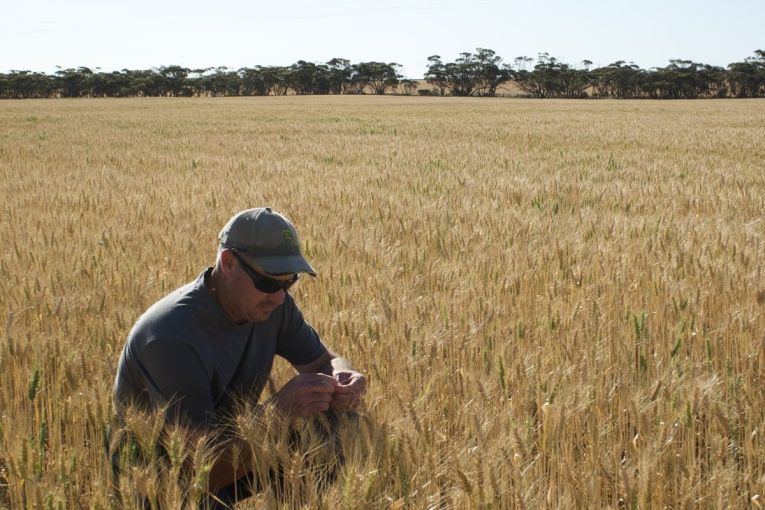
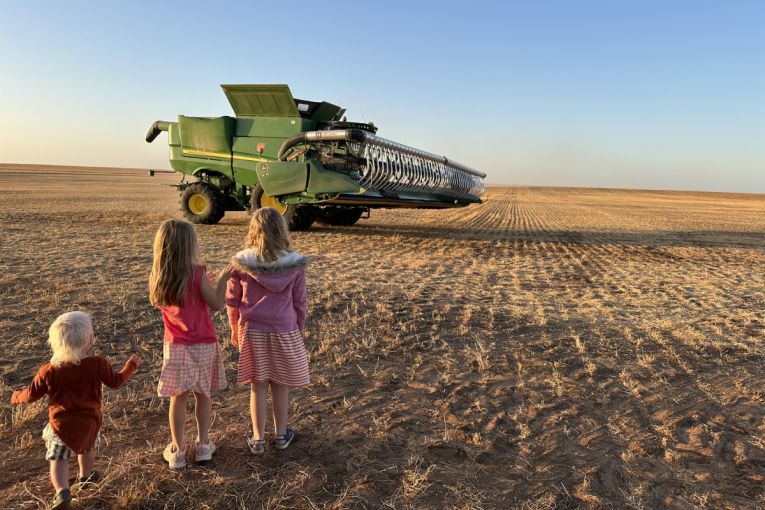
Importantly, those visitors aren’t just taking photos and moving on – they’re spending time and money in town, benefiting local businesses from hospitality to accommodation.
“What Kimba has done well is use tourism as an extension of its story,” Maxwell says. “Visitors come for the art but they leave with a deeper appreciation of the land, the people and the agricultural heartbeat of the district.”
That idea – tourism as storytelling – is shaping the town’s broader offering.
From the Arts and Heritage Trail to walking tracks and free camping, Kimba leans into its natural landscape and laid-back pace. Quirky landmarks like the Big Galah provide a memorable roadside stop, while nearby attractions such as the Gawler Ranges and Lake Gilles Conservation Park invite visitors to explore further.
At ground level, businesses are playing a key role in bringing that experience to life.
“I was born in Kimba and except for time away at school and living overseas, I have lived my whole life locally,” says Heather Baldock, one of the founders of Workshop26.
“I love the wonderful community spirit that exists in our district and I’m passionate about working in ways that increases its viability and longevity.”
Workshop26 is a reflection of that ethos – a creative, community-driven space that has become a destination in its own right.
The group’s vision was to transform an unused main street shed into something that would attract visitors off the highway while supporting local makers.
“Over the years Workshop26 has grown and become a very valued part of our community and supported quite a few creators and makers in various ventures,” Baldock says.
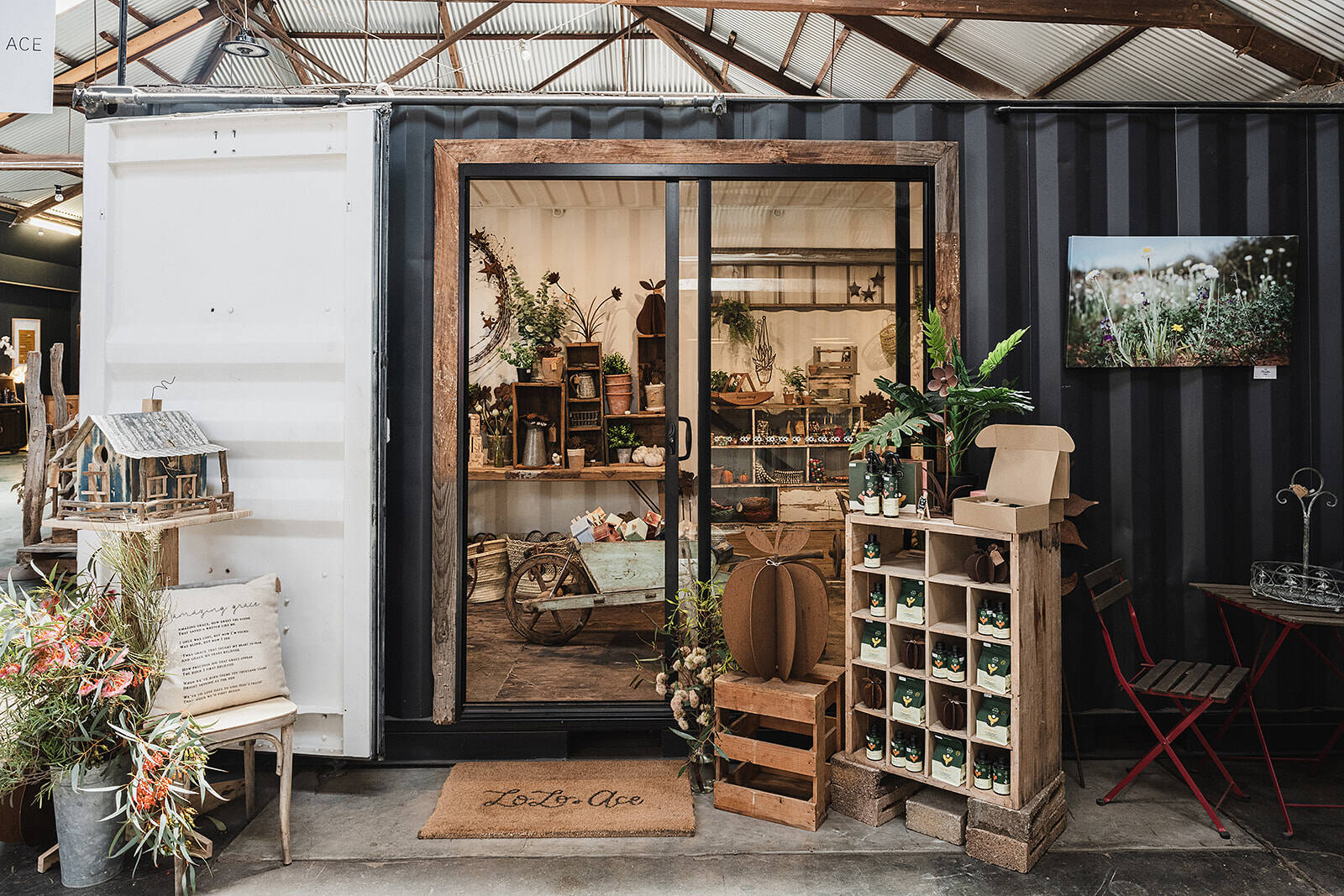
Today, visitors can wander through converted shipping container shops, browse locally made goods, and stop for coffee – all while experiencing the warmth of a close-knit rural community.
Stay informed, daily
“Tourism is essential to Workshop26 and to our whole community as it brings in outside dollars and reduces a little of the reliance on ag in a low rainfall region,” Baldock says.
Across the peninsula in Cleve, agriculture is also being reimagined as an experience – one that invites visitors to engage directly with rural life.
“Agriculture in Cleve has expanded beyond production into education and tourism, offering visitors authentic farm experiences and the chance to connect with rural life,” Mayor Phil Cameron says.
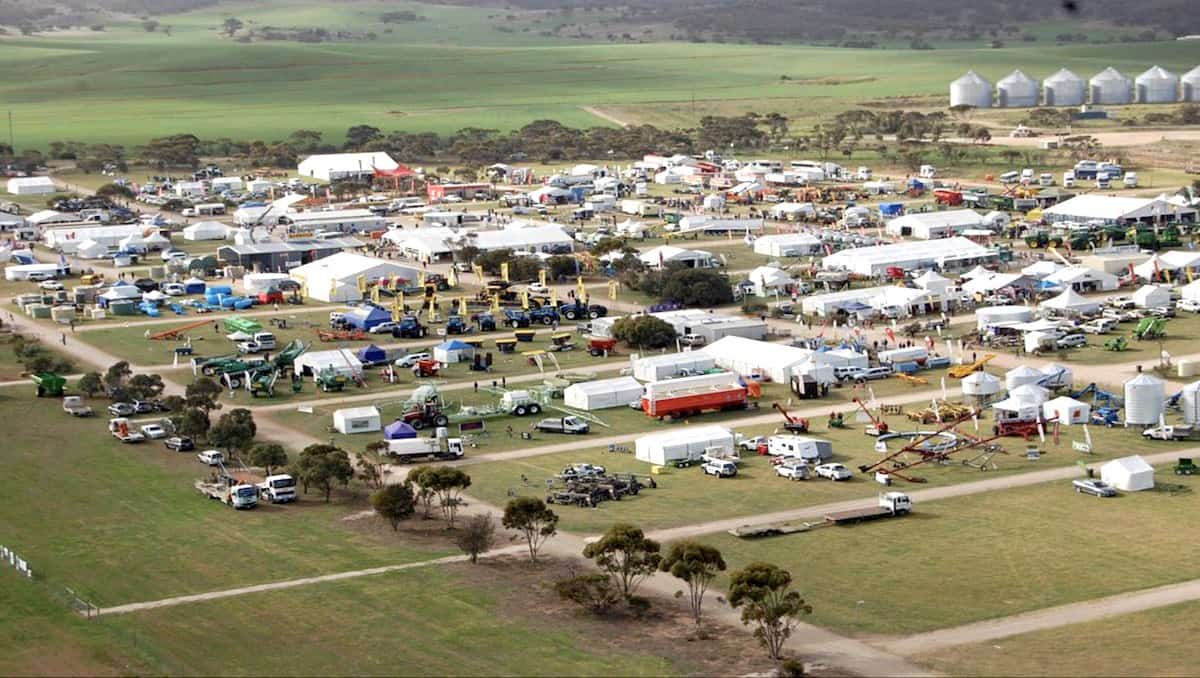
The town’s biggest drawcard is the Eyre Peninsula Field Days, one of the region’s largest agricultural events, attracting thousands each year.
“It showcases the latest in farm machinery and technology, alongside livestock displays, local produce and educational demonstrations,” Cameron says.
Beyond major events, Cleve offers more immersive, everyday experiences – from scenic drives through cropping country to hands-on learning opportunities.
“Sims Farm is used by Cleve Area School as an educational resource, providing students with firsthand experience of modern farming practices,” Cameron says.
“It gives visitors insight into sustainable agriculture and day-to-day rural life.”
Facilities like the Motor Trade Association training centre also open a window into the machinery and skills that underpin modern farming, adding another layer to the visitor experience.
Together, these initiatives are reshaping how agriculture is perceived — not just as an industry, but as something to be explored and understood.
Supporting that shift are the businesses that keep farming communities running.
AgSave Merchandise has spent more than 30 years supporting the Eyre Peninsula community – not just through agricultural supplies but also through a growing range of pet care essentials and traveller-friendly services.
For road trippers exploring the region with dogs in tow, AgSave has become a handy stop for pet supplies, alongside its popular car and dog wash facilities designed to make life on the road easier. It’s a practical pit stop that reflects the realities of regional travel, where well-equipped stops can make all the difference for visitors journeying long distances with furry companions.
While its roots remain firmly in agriculture, AgSave’s broader offering highlights how regional businesses are adapting to support both local communities and the visitor economy – ensuring towns like Kimba remain welcoming, well-serviced and ready for travellers passing through.
Just as importantly, its deep ties to the community reflect the interconnected nature of regional towns, where agriculture, business and tourism are all part of the same story.
That interconnectedness is at the heart of the AgTown Awards – and of the regions they celebrate.
For Kimba, Cleve and communities like them, tourism isn’t about reinvention. It’s about opening the gate and inviting others in.
Nominations for the 2026 AgTown of the Year Awards are open until May 6, 2026, giving South Australians the chance to shine a spotlight on the towns that shape the state’s agricultural story and put their local community on the map. Anyone can make a nomination.
Want to see more stories from InDaily SA in your Google search results?
- Click here to set InDaily SA as a preferred source.
- Tick the box next to "InDaily SA". That's it.