Former SA Police Association chief bringing best champagne to local tables
A former police spokesman and a qualified Master of the Guild are successfully importing premium champagnes – including a label served in the French President’s home – to South Australia.
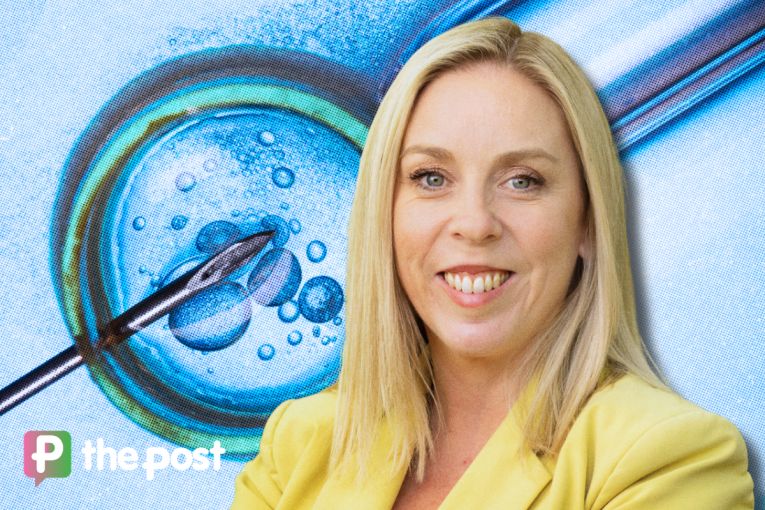
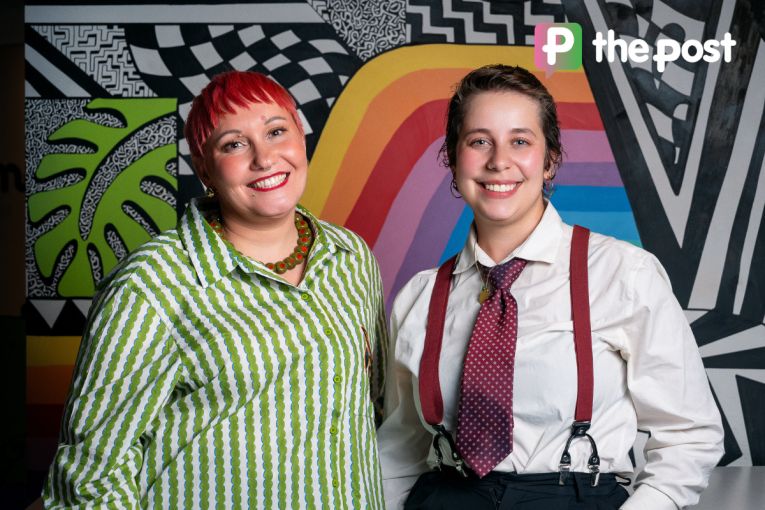
Melissa Dunbar and former SA Police Association president Mark Carroll co-founded Under the Vines two years ago, with the mission of bringing a touch of France to Australian households.
Dunbar, who is a qualified Champagne Master of the Guild, said the South Australian business imports premium French champagnes and wines, including crémants – which refers to sparkling wines produced outside of the Champagne region.
“Part of the ethos from a company perspective is that we firmly believe that everybody deserves to be able to have a little bit of French on their table by the way of bubbles or champagne,” Dunbar tells InDaily.
“Very much the ethos at Under the Vines is wines with souls and stories worth sharing.”
Under the Vines currently has six champagnes in its portfolio, as well as three crémants, with prices ranging from $49 for a bottle of Estelle and Thomas Brut Crémant Alsace and $185 for a Champagne Vaucelle Cuvée des Ambassadeurs.
There are plans to add a seventh “prestige” champagne to the lineup by Christmas.
Among the labels Under the Vines stocks is Champagne Vaucelle, which was launched in 2025 by winemaker Thomas Cheurlin and is served in the residence of the French President and Prime Minister, as well as French ambassadors’ residences throughout the world.
You might like
While the brand has only been around for a few years, the grapes used to make the wine are from vines almost 350 years old, with the Cheurlin family making wine in the region for some 10 generations.
Dunbar said they “certainly bring an extraordinary story of longevity and development”, saying that establishing personal relationships with the winemakers is an important part of doing business in France
“There are lots of stories; it is all about people, it’s all about the families, it’s all about the communities and then they produce this extraordinarily fine product as well at the end of it, which is just beautiful to drink,” she said.
“What they produce is personal to them and it’s so important that somebody representing their brand properly, somebody who is able to share and tell the story of champagne itself, to explain about the terroir and the soil and the connection to place, which is really important.”
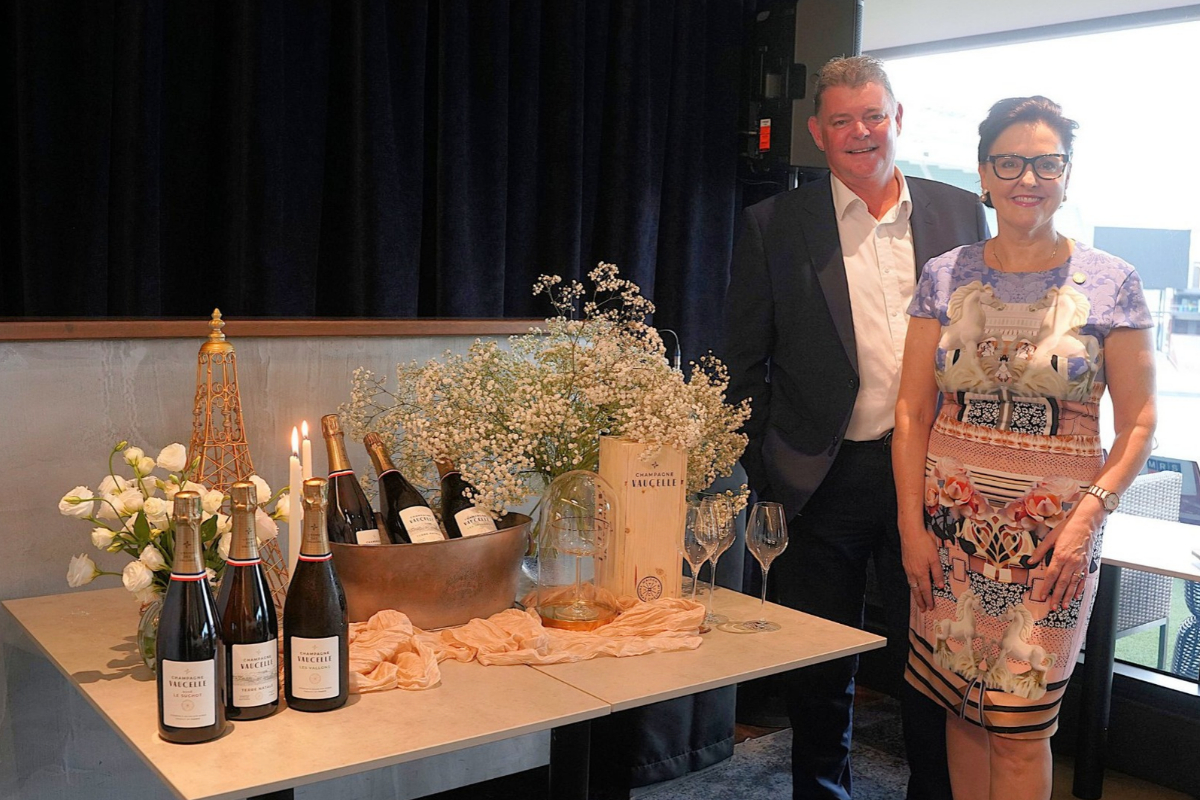
Dunbar is the first born and bred South Australian to graduate with a Masters of Champagne from the Champagne Master of the Wine Scholar Guild.
“One of the things that I’ve loved about it is, when you open a bottle of champagne, you’re generally doing it with someone else … It’s normally a positive or a happy time and you’re always sharing a story, and then I started to uncover all the layers of all the information that goes into it,” she said.
The arduous process of earning the qualification involved attending classes in the middle of the night and undertaking a “very, very intense” exam, which only 50 per cent of students pass.
Stay informed, daily
Over 15 months, she studied everything from the history of champagne to its oenology, geography and geology.
Dunbar now hopes to share that knowledge with others, including at a recent luncheon and wine tasting experience held at the Oval Hotel to mark International Champagne Day.
“My objective as a master is really to help people find a language that they can start to enjoy and learn a little bit more about champagne, the region, but also champagne, the wine,” she said.
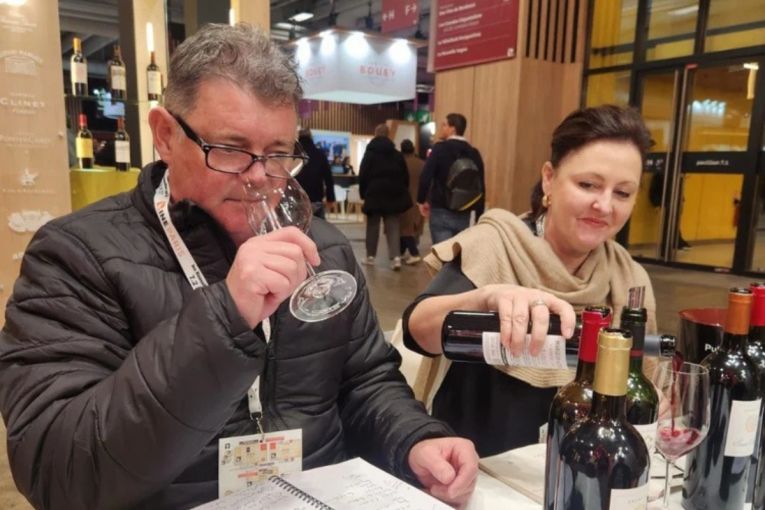
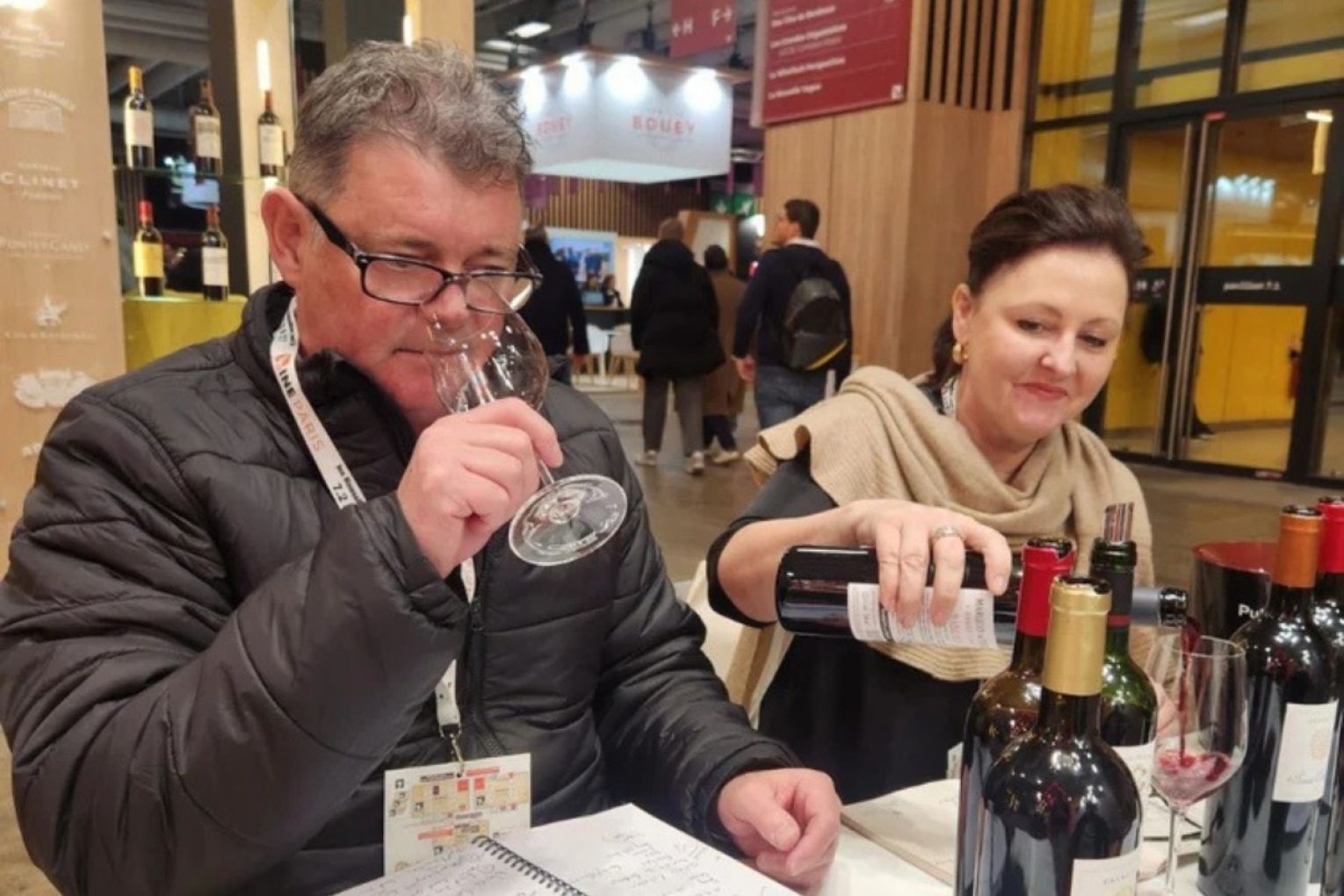
Asked how she discovers the wines, Dunbar said she travels yearly to Wine Paris – a huge annual wine convention – as well as leveraging knowledge from the Committee of Champagne, adding that “sometimes it doesn’t beat spending a bit of time in country and literally driving from château to château or family house to family house to be able to discover them.”
With 4200 brands of champagne created in 2026, there are lots of products for Under the Vines to choose from but Dunbar said they typically focus on champagnes that are of high quality but not too complex so that they are accessible.
She typically travels to Champagne at least twice a year, making her way throughout the region and meeting with winemakers and vignerons.
“It takes near 45 sets of hands to get from growing the grape to pouring a glass in your bottle, in your dining room or lounge room or backyard,” she said.
Dunbar said they often sell to corporate clients, with wines also commonly gifted by businesses to their staff.
“Because it is something that’s memorable, it’s something that’s special, and a beautiful bottle of champagne with a personally written card has got a lot of meaning to it versus perhaps a generic hamper that somebody might have ordered offline,” she said.
One challenge for the business is the impact of climate change on the future of champagne, which is affecting the growing period and impacting the alcohol content and ripeness of grapes, as well as severe storms damaging the vines.
“Climate change is something that’s talked about considerably in the industry, and there’s modification that they’re having to do at the vineyard to be able to deal with that,” Dunbar said, adding that this year, the harvest period was 18 days earlier than usual.
Want to see more stories from InDaily SA in your Google search results?
- Click here to set InDaily SA as a preferred source.
- Tick the box next to "InDaily SA". That's it.