Beyond the Federal Budget: Succession, legacy and the future of giving
Australia is entering one of the most significant periods of intergenerational wealth transfer in its history, writes BDO.
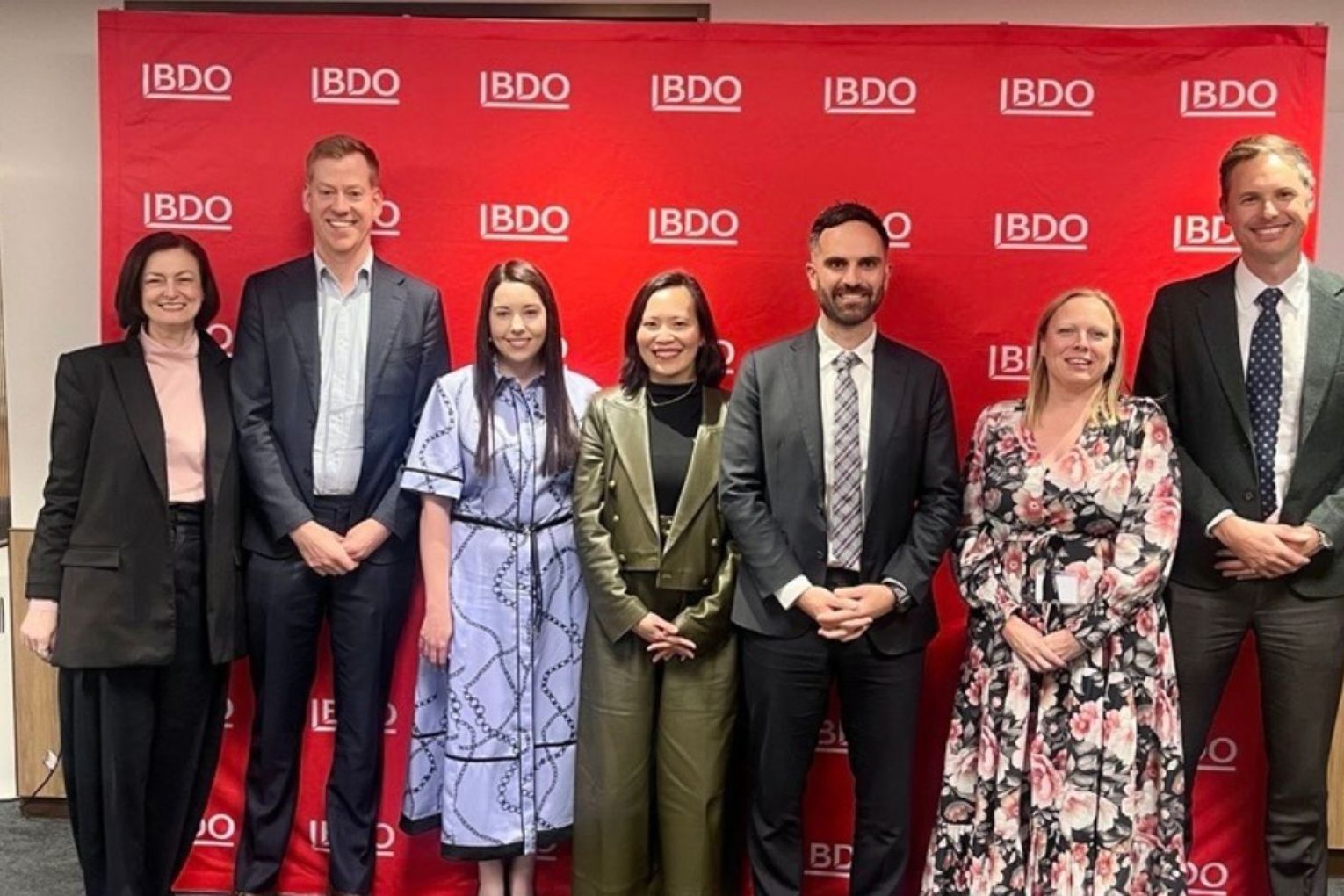
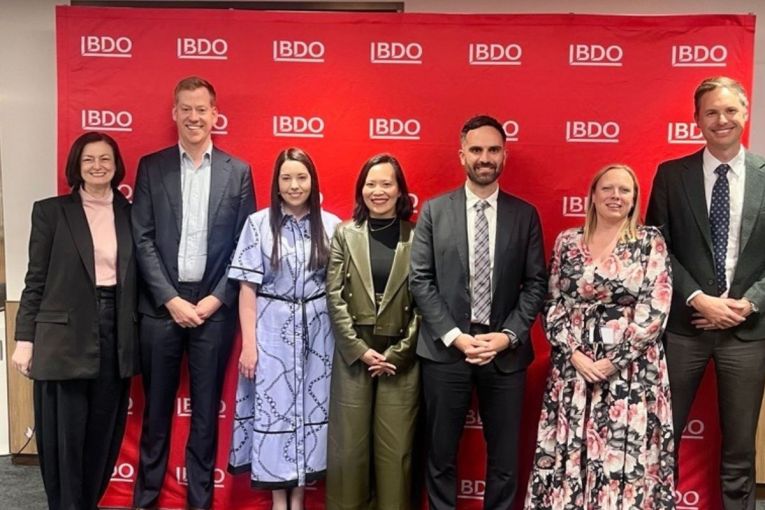
Australia is entering one of the most significant periods of intergenerational wealth transfer in its history. BDO recently partnered with the Adelaide Festival Centre Foundation to host Beyond the Federal Budget: Wealth, Legacy and the Future of Giving, bringing together experts in business advisory, economics, superannuation and tax to explore what this means for families, businesses and future generations.
While the discussion covered proposed tax reforms and superannuation changes, the broader message was clear: wealth transfer is no longer a future issue. Families should start thinking about how their financial, succession and legacy goals fit together.
Australia’s wealth transfer is already underway
Demographic shifts, longer life expectancies and the movement of assets between generations are reshaping Australia’s wealth landscape.
Families are also providing support earlier, including helping children purchase property or contributing to their education, rather than waiting for assets to pass through an estate.
As a result, wealth transfer is becoming a long-term process rather than a single event. It now encompasses decisions made throughout a family’s lifetime alongside discussions about succession and estate planning.

Don’t let headlines drive major decisions
You might like


A key theme throughout the event was the importance of taking a measured approach to proposed policy changes.
Tax and superannuation announcements often attract significant media attention. However, panellists cautioned against making major restructuring or wealth transfer decisions before legislation is finalised, noting that recent changes to proposed Division 296 legislation demonstrated how measures can evolve considerably before becoming law.
Rather than responding to individual headlines, families should consider how potential changes fit within their short and long-term objectives. They should also review whether their existing structures remain appropriate and seek advice based on their own circumstances.
Questions worth considering include:
- Do our current structures still support our long-term objectives?
- How might future policy changes affect our plans?
- Are we making decisions based on strategy or short-term uncertainty?
- Have we considered the broader implications beyond tax outcomes?
Superannuation is becoming part of a broader family conversation
As superannuation balances grow, retirement planning is becoming more closely connected to succession planning, estate planning and intergenerational wealth transfer.
The panel reflected on how retirement conversations have changed. Rather than focusing solely on how individuals will fund their own retirement, many families are now considering how they can support children with housing costs, contribute to their grandchildren’s education and provide for future generations through their estate.
Superannuation also carries distinct tax and estate planning considerations, particularly when benefits are passed to adult children. Decisions about contributions, withdrawals, beneficiaries and the timing of wealth transfers should therefore be considered as part of the family’s overall circumstances rather than in isolation.
Preparing people, not just assets
Stay informed, daily
The discussion also reinforced that successful wealth transfer involves more than putting the right financial and legal structures in place.
As assets move between generations, families also need to consider whether recipients have the financial knowledge and capability to manage them. Involving future generations in conversations earlier can help them understand the responsibilities, decisions and expectations that may accompany family assets.
Preparing people should therefore form part of the wealth transfer process. The objective is not only to determine how assets will change hands, but also to help the next generation manage them responsibly.
Philanthropy as a catalyst for family conversations
The panel also explored philanthropy as more than a charitable activity. For some families, giving can provide a practical way to involve younger generations in decision-making, reinforce shared values and discuss the impact they want to have.
Structured giving arrangements can help families put these objectives into practice. Depending on their circumstances, this may include establishing a foundation, private ancillary fund, endowment or other giving structure.
For Adelaide Festival Centre Foundation, philanthropy offers individuals and families a way to turn their values into something enduring. Through the arts, that might mean giving a child their first experience of live performance, enabling an artist to bring a new idea to life, or helping ensure South Australia remains a place where creativity, culture and shared experiences can thrive for generations to come.
In this way, philanthropy can become part of a family’s legacy, helping to support meaningful causes while reinforcing the values and purpose they hope to pass on.
Start the conversation now
One of the clearest takeaways from the event was the importance of starting these conversations early.
Wealth transfer decisions can involve tax, superannuation, retirement, estate planning, business succession and philanthropy. Considering these areas separately can result in missed opportunities or unintended consequences.
Families should begin by clarifying what they want to achieve. From there, they can review how their existing structures and arrangements support those objectives, understand the potential implications of proposed policy changes and identify where coordinated advice may be needed.
The most effective plans are not necessarily the most complex. They are the ones that bring the right considerations together, remain adaptable and reflect what the family ultimately wants its assets to achieve.
Planning for what comes next
Whether you’re thinking about succession, superannuation, philanthropy or passing assets to the next generation, these decisions are often connected.
BDO brings together specialists across tax, superannuation and succession planning to help families understand their options and plan for the future. Where philanthropy forms part of those plans, Adelaide Festival Centre Foundation can help individuals and families explore how the things they care about can be translated into meaningful and enduring impact through the arts.
Want to see more stories from InDaily SA in your Google search results?
- Click here to set InDaily SA as a preferred source.
- Tick the box next to "InDaily SA". That's it.