Talent race intensifies as South Australia’s biggest businesses compete for skilled workers
South Australia’s largest businesses are facing a new challenge in an economy defined by major investment and ambitious growth plans: finding the skilled people needed to turn opportunity into reality.
As defence, renewable energy, technology and infrastructure projects accelerate across the state, competition for experienced workers has become one of the defining issues for business leaders. While unemployment has remained historically low in recent years, the nature of workforce shortages has shifted, creating pressure across industries and forcing employers to rethink how they attract and retain talent.
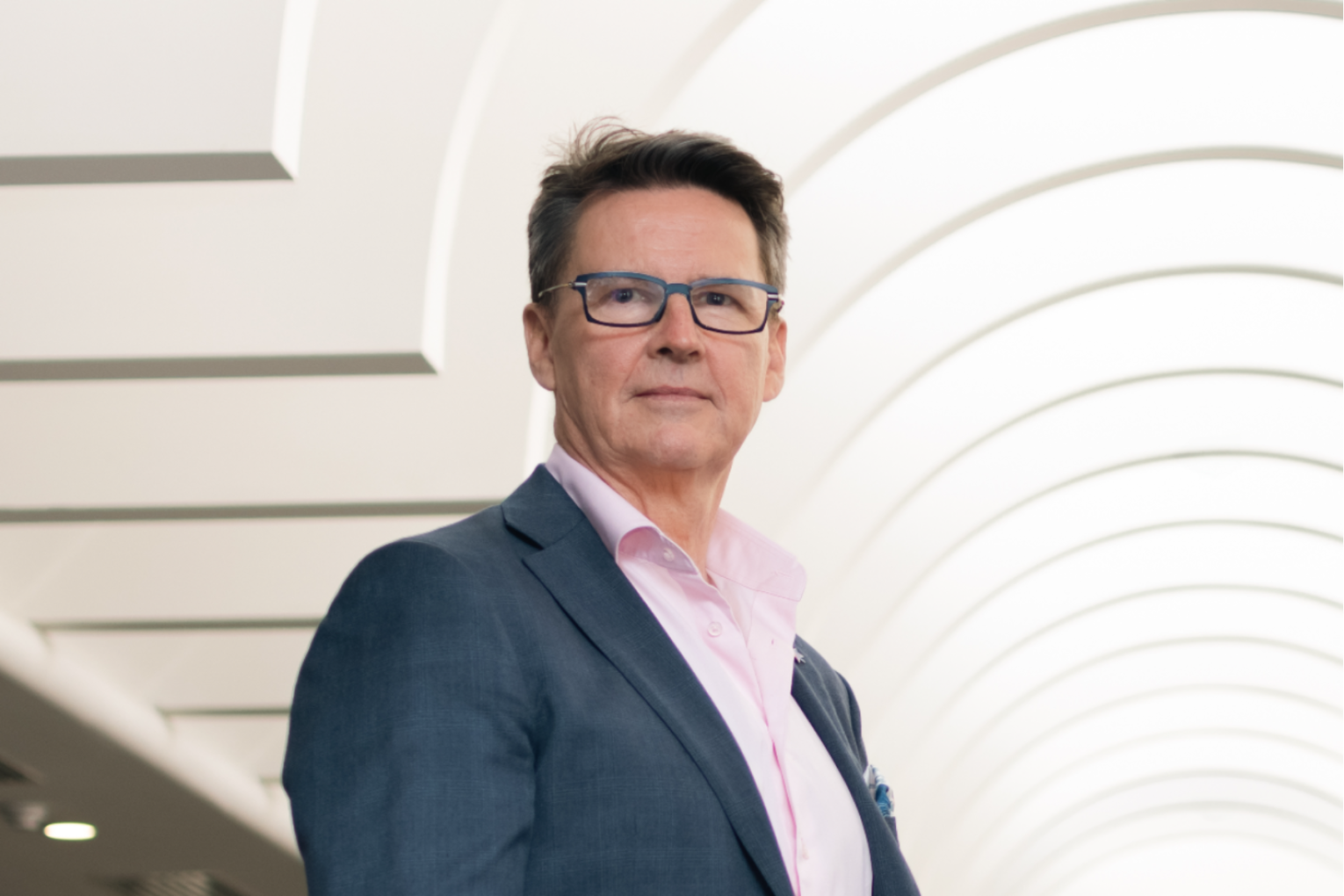
According to South Australian Business Chamber CEO Andrew Kay, the labour market today looks very different from the one businesses were grappling with just a few years ago.
“We have seen a shift in the past five years from a general lack of workers to a more focused demand for skilled workers,” Kay says.
“This is where the gap appears to be, and skilled migrants are playing a greater role in addressing the shortfall. Of course, if you look at this through a regional lens, there is a shortage of workers across the board.”
The changing dynamics reflect South Australia’s economic transformation. Record investment in defence manufacturing, clean energy, advanced technology, health, construction and infrastructure has created unprecedented opportunities for growth, but those opportunities depend on having the workforce to deliver them.
The state’s pipeline of nationally significant projects promises long-term economic benefits, yet employers increasingly acknowledge that workforce capacity may determine how much of that potential can ultimately be realised.
You might like


Kay says businesses are enthusiastic about the state’s future but remain conscious that labour shortages could become a major constraint.
“These major projects and their corresponding sectors represent significant future prosperity for our state, but the greatest risk to realising this is our capacity to deliver due to lack of a skilled workforce,” he says.
Government, industry and education providers have responded with initiatives designed to strengthen local capability. New technical colleges, expanded vocational pathways and industry partnerships are helping prepare more South Australians for careers in high-demand sectors, while universities continue to produce graduates across engineering, technology and professional services.
However, Kay believes domestic training alone cannot meet the scale or urgency of demand.
“We have seen the launch of tech colleges and other programs to fast-track the necessary trades, but this will not get us there on its own,” he says.
“We are going to need skilled migrants to build labour supply and also to backfill in those sectors that are losing workers to these projects.”
Stay informed, daily
Migration is therefore becoming an increasingly important part of South Australia’s workforce strategy, not simply to fill vacancies directly linked to major developments but also to support industries experiencing secondary labour shortages as workers move into higher-demand sectors.
The challenge is not confined to large corporations. Businesses across professional services, manufacturing, hospitality, healthcare and regional industries are competing for many of the same skills, creating a more dynamic and competitive employment market.
For employers, winning that competition increasingly requires more than offering attractive salaries.
After several years in which employees held considerable bargaining power, businesses have adapted their approach to recruitment and retention, placing greater emphasis on workplace culture, flexibility and employee wellbeing.
“We have seen unemployment at historically low levels for the past few years, so the market has been tight and in favour of the jobseeker,” Kay says. “We are starting to see this soften generally, although in the sectors that have skills shortages, it is holding firm.”
That means organisations are looking beyond traditional remuneration packages to differentiate themselves.
“For employers who are attracting and retaining staff it is all about flexibility and value-adds – flexibility in working from home and start and finish times, and value-adds such as health and wellness benefits, access to housing, in-house meals and so on,” Kay says.
These benefits are becoming increasingly important as employees place greater value on work-life balance, career development and overall wellbeing. Flexible working arrangements that were accelerated during the pandemic have become an expectation for many professionals, while additional benefits can help businesses compete when skilled candidates have multiple employment options.
Regional employers are also developing creative solutions, recognising that attracting workers often means supporting broader lifestyle needs. Assistance with housing, relocation and community integration has become an important part of recruitment strategies in areas experiencing acute labour shortages.
As South Australia’s economy continues to evolve, workforce capability is emerging as a critical factor underpinning future growth. Businesses, governments and education providers all have a role to play in developing local talent, while migration and innovative employment practices will remain essential components of the solution.
The state’s biggest companies may compete fiercely for skilled workers, but they also share a common interest in ensuring South Australia builds a workforce capable of supporting its next generation of economic growth.
South Australian Business Chamber is a proud sponsor of the InDaily South Australian Business Index, which showcases the state’s top-performing private and public companies while providing insights into the trends shaping the state’s economy.
This year’s event takes place at the Adelaide Convention Centre on Friday, October 16. Purchase your earlybird tickets today.
Want to see more stories from InDaily SA in your Google search results?
- Click here to set InDaily SA as a preferred source.
- Tick the box next to "InDaily SA". That's it.