Fears SA junior pay rate rise will squeeze youngsters out of jobs
A Fair Work ruling to abolish junior pay rates could risk 18 year olds finding their first jobs and impact cash-strapped owners, the SA business chamber warns.
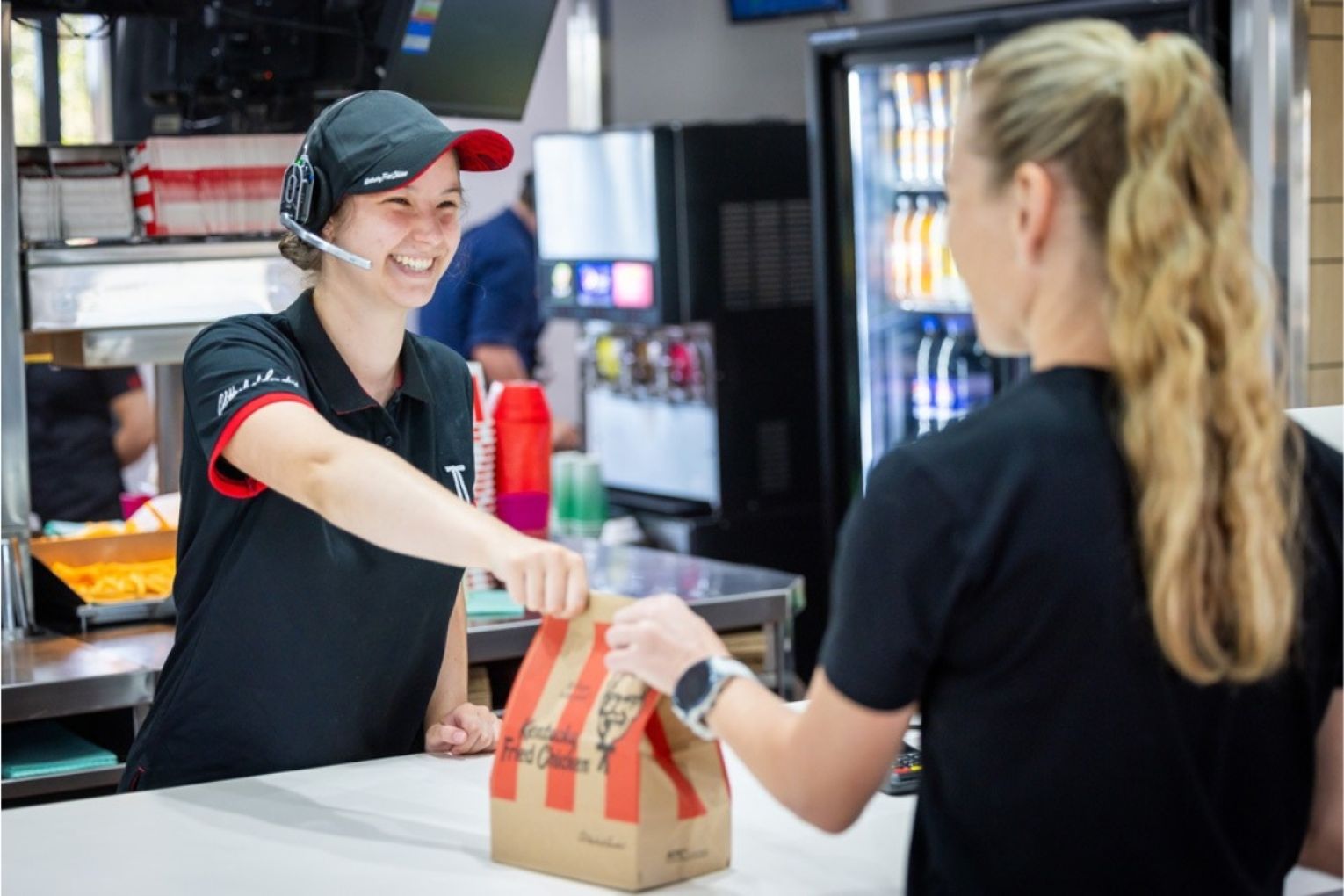
SA small businesses are worried a Fair Work Commission decision announced on Tuesday that workers aged 18 to 20 in the fast food, retail and pharmacy industries would be paid full adult wages could lead to tougher market conditions.
Currently, wages for 18-year-olds in those sectors are 70 per cent of the full award wage, rising to 80 per cent for those aged 19, and 90 per cent when younger adults reach 20.
But South Australian Business Chamber senior policy adviser Karen van Gorp said the change could impact small business employers who “are already under real economic pressure” and see high employers of young people like McDonalds and KFC rethink their strategies.
“What we’re saying is you can support fair pay for workers and still be honest that higher labour costs will create real pressure for employers,” van Gorp said.
“It’s going to cost employers more, and we’re concerned it can make it harder for young adults with no work experience to get their first job at the same time with higher starting wage costs for inexperienced workers.
“Inexperienced workers who are over 18 may make some employers think twice before offering that first opportunity or investing in training.”
The Fair Work Commission’s decision was expected to impact approximately 15,000 South Australian workers, with the junior rates to be gradually phased out until 2029.
You might like


There were already significant costs for sectors such as retail that employ staff aged between 18 and 20, van Gorp said.
“Energy is increasing, rent, insurance, all those operating costs are bit by bit increasing,” she said.
“This will be one of the many things that are increasing costs for a person who’s going to do their shopping at the supermarket.”
She said the change may also push businesses to employ younger workers or outsource roles to technology.
“Minors below 18 will certainly get increased opportunities for employment, however, that market itself is being squeezed by AI and technology,” she said.
“We see KFC and Hungry Jacks, for example, using more technology to take orders rather than employees, so their market is being squeezed as well.
“We’re saying that the focus needs to be on implementation that protects fairness for workers and also protecting jobs hours and entry level opportunities.”
But SDA secretary Josh Peak said “it was about time” that the junior pay rates were scrapped.
Stay informed, daily
“I think there’ll be employees out there that are disappointed that there’s going to be additional cost for employing an 18-year-old, but they have had for a very long time now the opportunity to employ adults at discounted rates,” Peak said.
“There is an almost four-year phasing of these rates of pay, so they’ve got the time to adjust.”
The decision was the result of a groundbreaking case by the SDA – South Australia’s largest union – in 2024 seeking to vary the Retail, Fast Food and Pharmacy Awards.
Peak said the SDA looked at evidence from other countries including New Zealand when building their campaign.
“The experience there is that we don’t see an unemployment problem that’s any greater than Australia’s,” Peak said.
“Those levels are pretty consistent, and it’s certainly not driven by a reduction or removal of duty rates of pay.
“Our role is critical in making sure employers do the right thing. We obviously want to make sure that, as people are getting older in the workforce, they are not losing their hours to younger workers.”
He said there were “strong protections in the Fair Work Act” to prevent workers being removed from their employment when they turn 18.
“One of the really strong reasons this case is so important is that not only we’re going to see a significant wage increase of up to 42 per cent for 18-year-olds, but we’re also hoping to see a protection of hours of work as people age through the workforce,” he said.
“There isn’t the labour in the workforce for employers to necessarily just go elsewhere for that employment. We’re not going to be able to see shifts during the daytime in McDonald’s, Hungry Jacks, Woolworths or Coles filled by 14 or 15-year-olds [as they are at school].”
The higher wages will come into effect in December and be phased in over four years.
Want to see more stories from InDaily SA in your Google search results?
- Click here to set InDaily SA as a preferred source.
- Tick the box next to "InDaily SA". That's it.