Why waiting for perfection is holding mining back from decarbonisation
The mindset that progress must wait for perfection is one of the biggest barriers to action in the mining sector writes BDO in Australia.
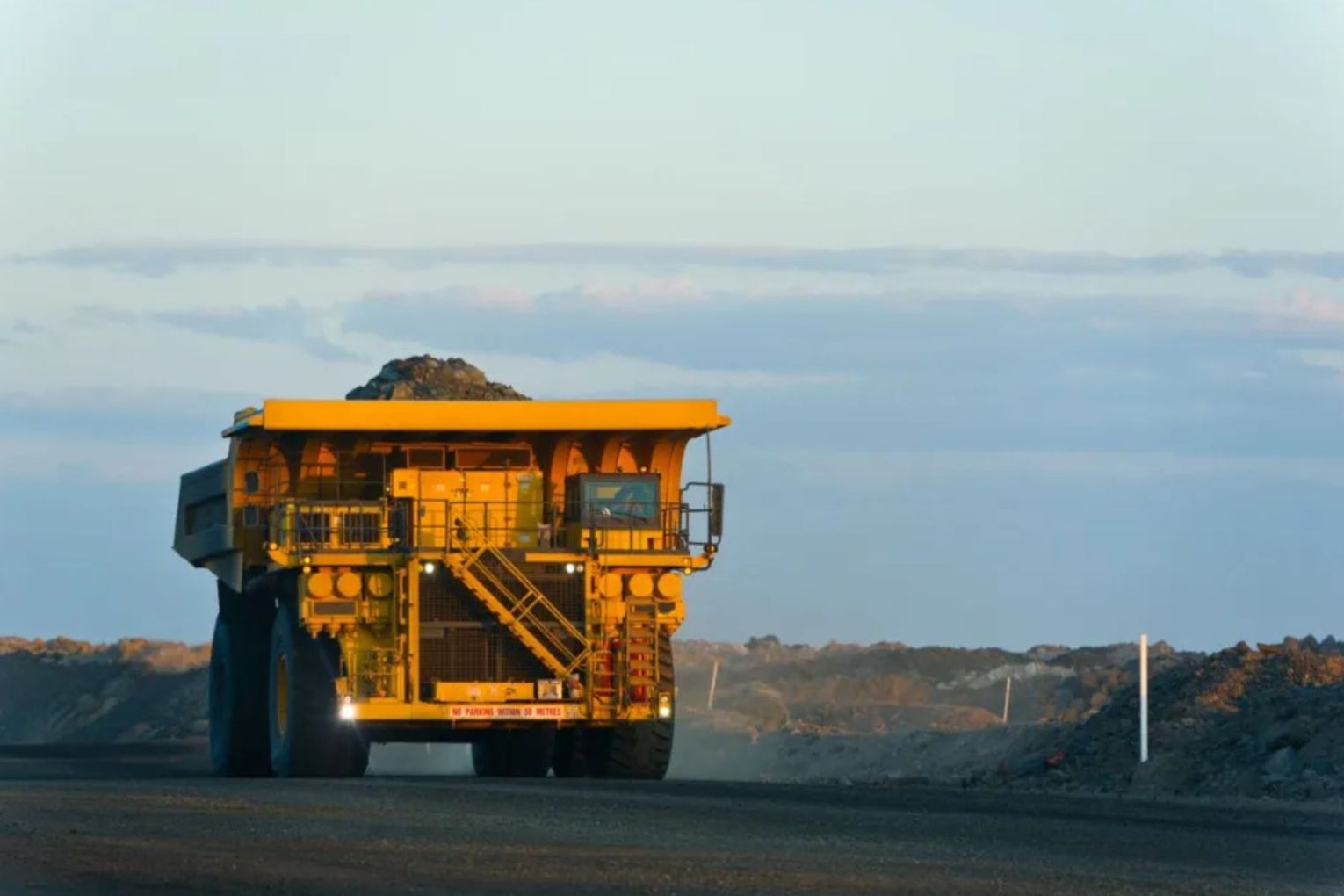
In mining and civil operations, decarbonisation is often treated as a distant goal, something that must wait for technology to mature. Battery-electric haul trucks and zero-emissions power systems remain prohibitively expensive and logistically complex.
This mindset, that progress must wait for perfection, is one of the biggest barriers to action.
Leaders face competing pressures: stakeholder demands for visible change, operational realities, and the significant investment required for infrastructure and workforce transformation. Waiting for breakthrough technology risks missing opportunities that exist today.
Decarbonisation doesn’t have to be all or nothing.
By reframing emissions as a measure of efficiency rather than a compliance burden, organisations can unlock immediate gains through AI-driven optimisation, automation, and targeted improvements in overlooked areas like refrigerants, waste handling, and energy generation.
Interim solutions such as partial electrification and dynamic energy transfer systems can deliver meaningful progress now while laying the foundation for future technology. The path to net zero is a series of steps, not a single leap, and those who act early will be best positioned for long-term success.
The drivers of inertia
You might like


BDO’s Sustainability trends in the Natural Resources & Energy sector report highlights the challenge faced by leaders in heavy industry: balancing stakeholder expectations, operational realities, required investment, and third-party reliance. Stakeholders often demand high-visibility step changes, particularly in mobile fleets, creating pressure for rapid transformation. At the same time, emissions reduction is frequently perceived as a cost rather than an opportunity, which reinforces hesitation.
Technical hurdles such as weight, power limitations, and downtime penalties mean battery dominance is still 15 to 20 years away, even with accelerated infrastructure investment. The scale of investment needed, spanning infrastructure, equipment, operating model redesign, and workforce training can be daunting, especially for low-margin industry participants.
Adding to this complexity is a reliance on OEM-driven innovation, which limits short-term flexibility and leaves many organisations waiting for solutions rather than pursuing incremental progress.
Reframing the narrative – perfection is the enemy of good
Emissions are not a cost to business; they are a cost of business. By using ESG as a lens for operational efficiency, organisations can turn compliance into a diagnostic tool for enhancing operational efficiency.
- Scope 1 and 2 emissions reflect production inputs like fuel, energy, and maintenance—key indicators of efficiency.
- Embed emissions into operational KPIs (e.g., tCO₂ per metre drilled, tCO₂ per BCM moved).
- Leverage AI and advanced analytics:
- Computer vision and IoT sensors for utilisation optimisation
- AI-assisted route planning to maximise backhaul
- Time-in-motion and idle time analysis.
Zoom in – beyond the mobile fleet
Focusing solely on mobile fleets overlooks other emissions sources where gains don’t rely on breakthrough technology:
Stay informed, daily
- Refrigerants – proactive maintenance and leak detection for HVAC systems
- Paper usage – digitise forms and workflows
- Waste handling – wastewater management, tyre recycling and reusage
- Generation – solar and compact wind turbines for site energy needs.
Interim gains and future-ready design
Full electrification is a long-term goal, but there are practical steps organisations can take now.
Partial electrification—such as dynamic energy transfer systems (trolley and energy rail) for hybrid fleets—and improvements in fixed plant and underground fleets offer immediate benefits with lower complexity and safety risks. Pairing these with automation amplifies results: remote operations reduce idle time, and electric drive systems work best with predictable, sequenced energy management, making them ideal for autonomous operations.
At the same time, organisations should design for the future. Greenfield sites need layouts that accommodate future electrification infrastructure, and early workforce upskilling will help mitigate skills shortages as technology evolves. Acting now on interim solutions while planning for the end state ensures progress without waiting for perfection.
Collaborate to innovate
While waiting for large OEMs like Caterpillar and Komatsu can make sense for compatibility and ecosystem support, it shouldn’t mean delaying progress. Short- to medium-term gains are possible by taking a more collaborative approach. Partnering with smaller manufacturers can deliver bespoke solutions tailored to specific operational needs, while co-designing with suppliers helps accelerate innovation and bring practical technologies to market faster.
Collaboration also creates shared incentives across the supply chain. Your Scope 1 and 2 emissions are their Scope 3 emissions, meaning reductions benefit both parties. By working together, organisations can unlock efficiencies, reduce costs, and move closer to sustainability goals without waiting for the perfect solution.
How BDO can help
BDO’s natural resources & energy experts help mining and civil operators move beyond compliance to achieve practical decarbonisation. We support clients to:
- Identify interim solutions and design future-ready strategies
- Embed ESG into operational KPIs and optimise efficiency through data and automation
- Navigate investment decisions and collaborate across the supply chain.
Contact us to find out how we can support you.
Want to see more stories from InDaily SA in your Google search results?
- Click here to set InDaily SA as a preferred source.
- Tick the box next to "InDaily SA". That's it.