‘We feel isolated and alone’: SA livestock boss calls time on sugar-hit handouts
Exclusive: If SA wants thriving farmers, “sugar-hit” support in times of crisis is not enough, the boss of Livestock SA says. As drought continues, she tells InDaily “we want to be given the same respect as the mining industry”.
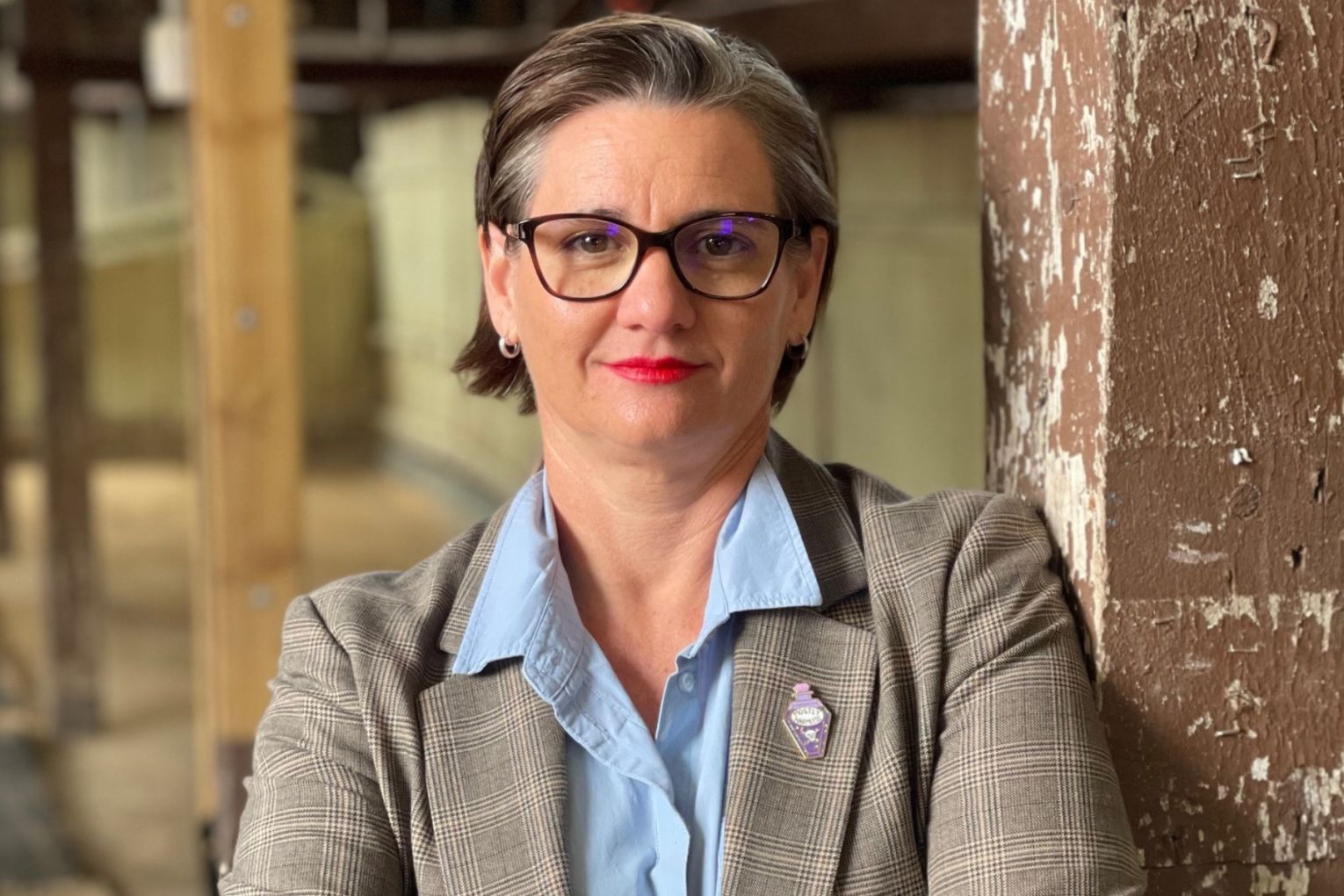
A weekend rain bomb experienced in the state’s Mid North might be the perfect metaphor for how the boss of Livestock SA is seeing government support for the state’s farmers.
More than 60mm of rain was dumped on parts of the state, emboldening pastoralists and delivering some fresh hope for those who’d gone months or even years without a major rain event.
But rainfall generally in South Australia is declining. New Adelaide University research shows a significant long-term decline across two of the state’s most important agricultural regions, alongside rising temperatures.
Across the Upper Eyre Peninsula, rainfall declines ranged from around 11 per cent to more than 33 per cent over the past seven decades, “with every station in that region recording a decline”.
It means there’s not just a financial burden on the state’s pastoralists, but a psychological one too.
And while state government support has been welcomed by Livestock SA chair Gillian Fennell, she believes structural change is required while the state faces pressures more significant than any season.
These pressures include a backlog in regional road maintenance, rising regulatory burdens, a workforce shortage, ageing biosecurity infrastructure and ongoing climate volatility.
Livestock SA, whose members cover 80 per cent of agricultural production land mass in South Australia, has released its own pre-election wishlist ahead of the March 21 state election.
It covers specifics such as the creation of a South Australian Rural Finance and Resilience Agency, but broadly aims to address what Fennell sees as a lack of future planning for the state’s pastoralists.
This is particularly evident in both the government and media’s response to the ongoing South Australian drought, she said.
You might like


“We had lots of drought coverage, and it was great. It was really helpful to farmers who were struggling, because then they felt supported and acknowledged. But has it delivered any sort of meaningful structures that are going to help us next time?
“The more time I spend talking to city people and those things I understand it’s not just us. We feel very isolated and alone, but there are no services for anybody across the board.”
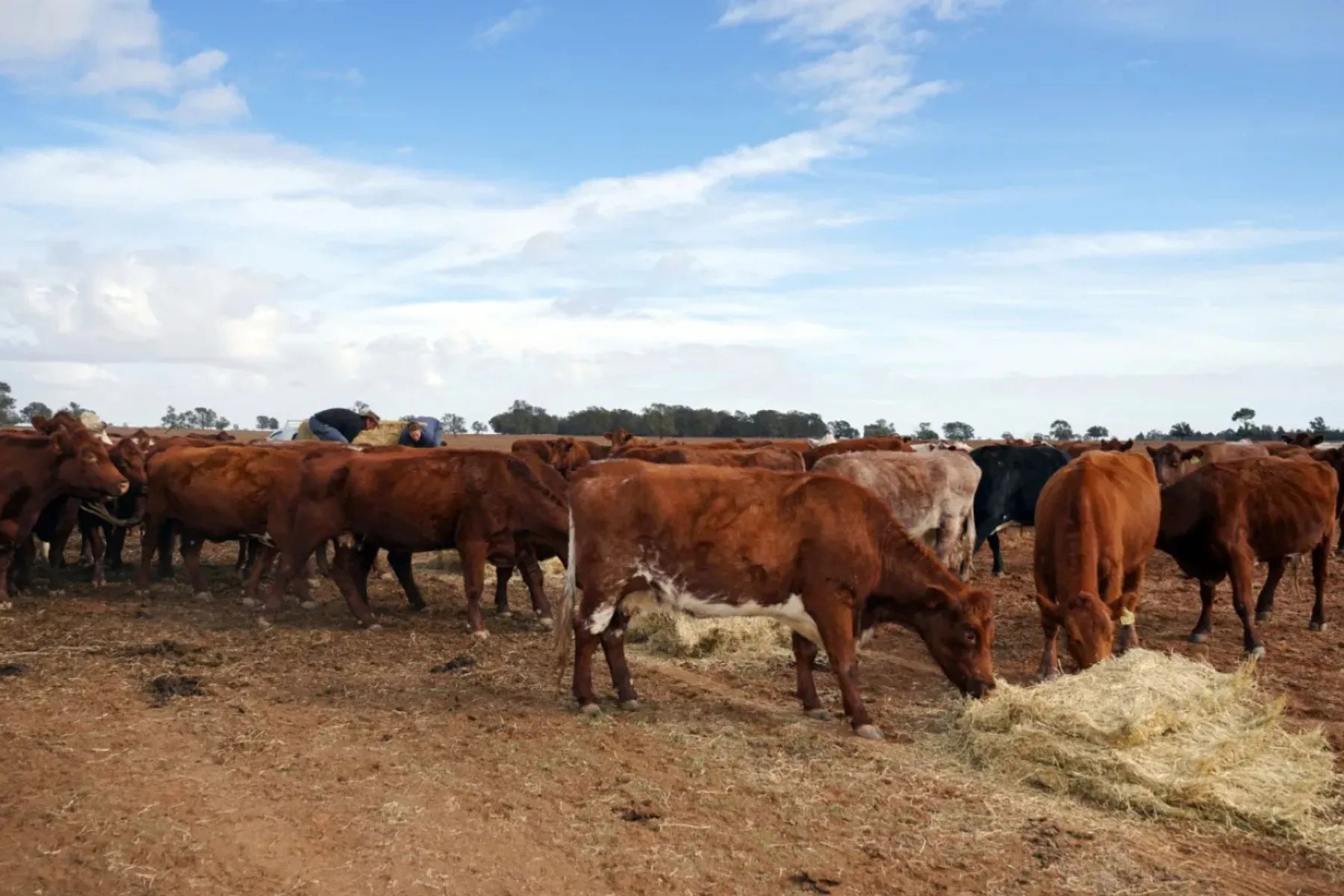
Her comments come from a personal perspective; Fennell is based on a million-acre rangelands station 120 km south of the South Australian and Northern Territory border called Lambina.
“When we went through the Millennium drought – which was two years without a single drop of rain – it got pretty stressful,” she said.
“We were pretty broke and working really hard, and then the drought broke, but we didn’t feel any better. We were constantly anxious and were always checking the weather reports.
“That sort of trauma stays in communities, and that’s why you might see the younger generation look at mum and dad and go ‘I’m going to go to town… I’m not putting up with this’.”
She said the “sugar-hit” support for agriculture wasn’t enough. It’s welcomed and “great in times of dire emergency”, but “we’d like to see some sort of structural, embedded change”.
“Sometimes sugar hits are needed, there’s no doubt about that, but we want to see long-lasting benefits from any sort of relationship we have with government, and that starts with talking frankly with each other,” she said.
“If the only thing I can get is a commitment from any politician who ends up in a portfolio that’s of interest to me and my members and a party leader to say ‘I recognise you and value livestock’… I’m going to work with you guys.”
She said recent tensions between the mining industry and the agriculture sector highlighted this.
“There’s nothing wrong with mining – right time, right place, right rewards for the people of the state who have to suffer the consequences of having all their wealth dug out of the ground; we have to get something back out of it,” she said.
“But farming and mining can’t happen at the same time.
“When they do want to talk about mining, agriculture has to be at the table too. We want to be given the same respect as the mining industry, because we live here forever.
Stay informed, daily
“When the miners have gone and they’ve dug up their last bit of gas and sent it off, we’re still going to be here.”
But mental health support was lacking, she said, noting farmers as a cohort are “incredibly resilient”.
“That is to our detriment, because often when things are tough, you’re pushed past breaking point. That is when terrible tragedies occur,” she said.
“Those sorts of structural failings I get really upset about. I know it costs money, but at least have a closer look at how we can access those services.
“I have people ringing me in distress. I’ve been in distress. There have been times where, through the drought, I have been on so many antidepressants it’s not even funny because that’s the best help you can get just to get through the day.”
A dedicated rural finance and resilience agency would go some way in addressing the myriad issues. Livestock SA called on parties to back this in her pre-election calls. SA is the only mainland state without a body of this type.
“If we had something like that with a dedicated workforce that’s not seconded from other departments in times of crisis then they build that local knowledge about what farmers are like, what they need and what they don’t need,” she said.
“PIRSA does a really good job when there’s a drought… but it’s still a scatter-gun approach. There’s not one single entity that a farmer can go to.”
Asked how the Labor party was responding to pastoralist concerns, a spokesperson pointed to the $200 million SA Drought Loan Scheme, in addition to $97 million worth of drought resistance measures the government has announced since late 2024.
“Throughout that time, we have advocated for changes to the Federal Government’s RIC [Regional Investment Corporation] loans, which were under review. When the changes to RIC were announced recently, and were insufficient for those areas most heavily impacted by drought, we provided this loan scheme,” the spokesperson said.
“Thousands of primary producers have been assisted through our Drought Support Package, including more than 4,500 who have been approved for money to help them purchase equipment and other infrastructure, not only to assist with drought management but also preparedness for future droughts.”
Liberal spokesperson Nicola Centofanti said farmers needed “certainty, not headlines”, and pointed to the party’s $300 million Rural Financing Fund. The party would also look at the impacts of rare earth strip mining on the Limestone Coast, and would be spending $1 billion over four years on regional road maintenance.
“A Hurn Liberal Government will fight for the important things for our regions and give all South Australians a clear choice at the next election,” Centofanti said.
“A choice between stronger regions, a better healthcare system and a more affordable State with the Liberals, or a city-centric Labor that is all talk and broken promises.
“Many of the calls from Livestock SA are part of our policy platform because we know the issues impacting regional South Australia, because we live there.”

Want to see more stories from InDaily SA in your Google search results?
- Click here to set InDaily SA as a preferred source.
- Tick the box next to "InDaily SA". That's it.