Miners slam Liberal plan to back Limestone Coast farmers
A new election promise to review rare earth strip mining is worrying the industry. One mining leader labelled it a “cynical vote-buying exercise”, while an SA company is already investing $20m in its project.
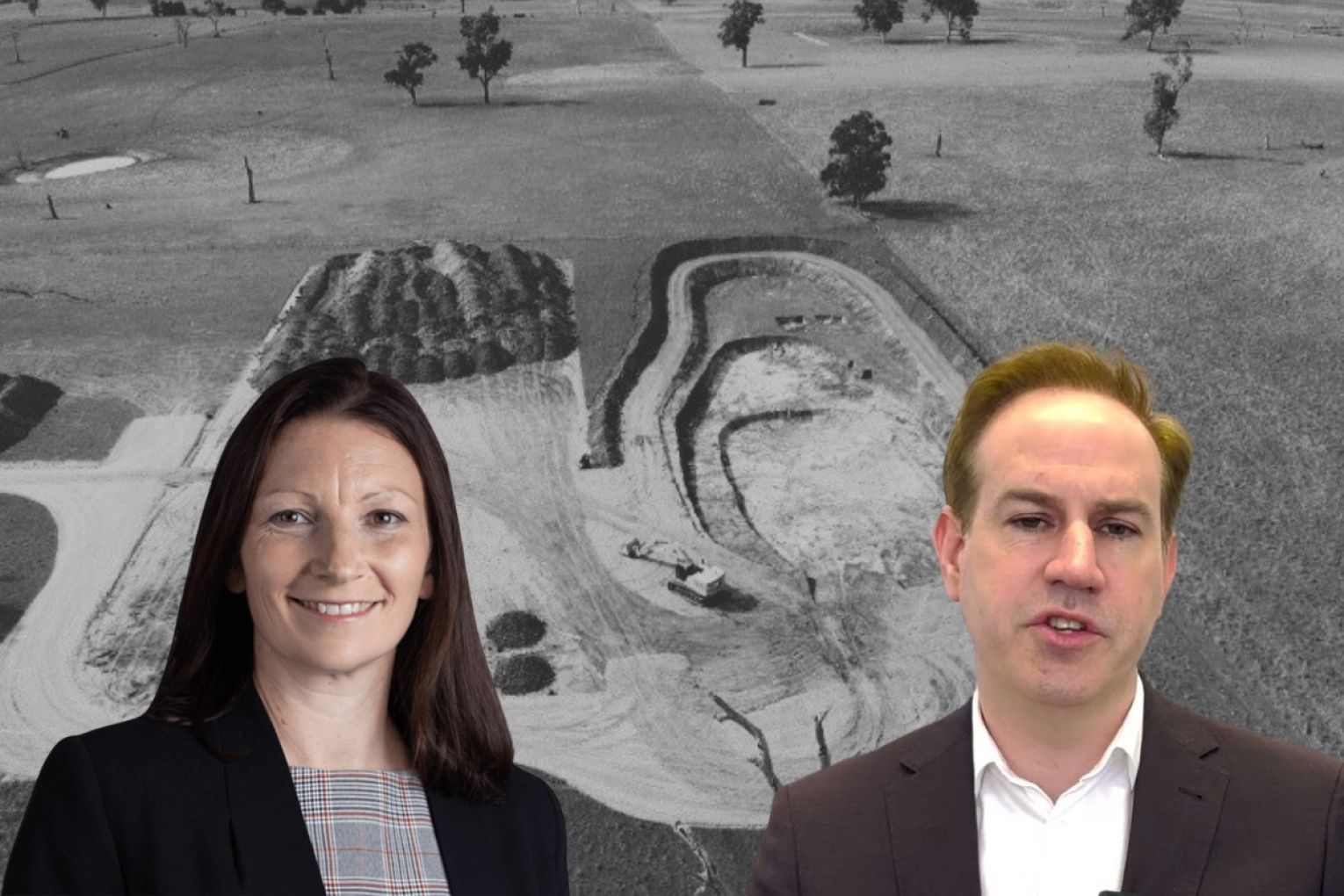
The South Australian Liberal Party would review the impacts of rare earth strip mining on the Limestone Coast within its first 100 days if elected in a nod to farming concerns, the announcement drawing the ire of mining industry associations.
A fully-independent vulnerability assessment would be undertaken into strip mining, while a precautionary pause would be placed on new rare earth strip mining licences and approvals in the Limestone Coast until the review is completed and released, the Liberal Party announced.
Shadow Primary Industries Minister Nicola Centofanti said the study would help the government understand the “true impacts” of strip mining on agricultural land. On the Limestone Coast, beef, dairy, forestry, wine, potato and lucerne industries thrive, she said.
“A Hurn Liberal Government will stand up for regional South Australia by safeguarding South Australia’s most productive agricultural land and groundwater,” Centofanti said.
“Only a fully independent, transparent assessment can give the community confidence that decisions about mining are based on science, not politics.
“We understand the important part rare earth minerals play in our local and global supply chain, but we also understand that the impacts of strip mining have not been properly and independently explored, nor has the scope of approvals considered the long-term economic and social impacts it might have.”
Unrest between the state’s miners and farmers has been ongoing over access to land.
Rebekah Rosser – the Liberal candidate for MacKillop, which covers the Limestone Coast – said local producers needed clear answers about how rare earth mining could affect groundwater, soil quality and regional livelihoods.
“Decisions made today will shape the region for decades. It is essential that we fully understand environmental, economic and social risks,” she said.
You might like

“The region’s economy relies on stable, secure natural resources – especially groundwater. It is vital we fully understand any risks before new approvals are granted.”
Today, Grain Producers South Australia CEO Brad Perry backed the Liberal plan saying “Agriculture is the long-term economic backbone of the region, and decisions about mining must not compromise cropping and farming land”.
“Strip mining can have significant impacts on soil structure, drainage patterns and groundwater systems. In a region like the Limestone Coast, where farming productivity is closely tied to soil profile and reliable water access, those risks are not theoretical, they are real,” he said.
“Once agricultural land is disrupted, restoration is not always straightforward, and in some cases the impacts can be permanent.
“If there is to be a review, it must be evidence-based, transparent and include meaningful consultation with affected landholders.”
The announcement sparked concern from mining industry representatives, with the Association of Mining and Exploration Companies (AMEC) calling it a “direct attack on our industry”.
Speaking to InDaily, AMEC CEO Warren Pearce said the pre-election promise would duplicate existing regulatory frameworks.
“We’re really disappointed with [the announcement],” he said.
“It essentially undermines the existing system that the community of South Australia should have a lot of confidence in.”
Mining companies like Australian Rare Earths are progressing Limestone Coast rare earth strip mining projects. It has spent in excess of $20 million to date on its Koppamurra project.
The company’s Koppamurra Project, backed by a $5 million grant from the Australian Government, is in the pre-feasibility study stage, and the business intends to build a demonstration plant.
It hopes to eventually mine the “significant” deposit of ionic clay at the site, located in south-eastern South Australia and Western Victoria.
Stay informed, daily
In a statement, a spokesperson said it was progressing the project “within the strict regulatory framework in which we operate”.
“The Department for Energy and Mining has approved the company’s Scoping Report, which defines the scope of detailed assessments relating to groundwater, surface water, soils, vegetation, heritage, air quality, rehabilitation and community engagement,” the spokesperson said.
“AR3 looks forward to sharing updates as we embark on a pre-feasibility study and move towards finalising the Mine Plan. We will only apply for a mining lease once we are satisfied we can meet the strict approval and regulatory processes.”
Pearce said the Liberal proposal was a “cynical vote-buying exercise”, which would “create further concern for investors in South Australia’s mining industry”.
It follows the party’s “sabotage” of a bill that would have altered key pieces of South Australian laws governing the mining and resources sector.
Late last year, the state government killed off its attempt to amend legislation in order to give miners the chance to continue exploring farming land beyond the current 18-year maximum after the Liberal Party successfully added amendments to force mining explorers to deliver independent agricultural impact studies and consultation with affected landowners in any extension bids.
Pearce told InDaily the latest push to review Limestone Coast strip mining was “not something our industry expected from the Liberal Party”.
“They tell us that they support our sector, but when it comes to any type of land use conflict between the resources and agricultural sectors they choose the agricultural side,” Pearce said.
“The Mining Amendment Bill was a shock to the system. We felt they were going to support the bill.
“Now to see them move into this space, which is once again putting the boot into the mining industry, it’s pretty disappointing and it’s certainly not something our industry expected from the Liberal Party across Australia in the past.”
The South Australian Chamber of Mines and Energy was also critical of the SA Liberals’ position, and said the existing framework requires mandatory environmental, social, and economic assessments.
“To suggest that further restrictions are needed ignores the strength of the current system and risks sending the wrong signal to investors at a time when global demand for critical minerals is accelerating,” SACOME CEO Catherine Mooney said.
“Politicising what should remain a science-based regulatory environment presents significant risk to the economic prosperity of South Australia.”
In a statement sent to InDaily, SA Energy and Mining Minister Tom Koutsantonis said mining activity at the Limestone Coast was vital for both South Australia and the nation.
“These are materials the world wants and needs,” he said.
“Liberals think trying to win back their previously safe seats is more important than the state’s prosperity and reputation.
“Last week, they tried to quietly announce the abandonment of a half-billion-dollar cost-of-living measure at an industry function.
“They clearly learned nothing from that episode, because now they’re at it again – telling the south-east regional media they’re anti-mining while hoping no one else catches on. They’re a complete shambles.”
Want to see more stories from InDaily SA in your Google search results?
- Click here to set InDaily SA as a preferred source.
- Tick the box next to "InDaily SA". That's it.