What does a fit-for-purpose housing system really look like?
The answer lies not in quick fixes but in structural reform, grounded in equity, aspiration, and economic viability, writes BDO’s John Burger.
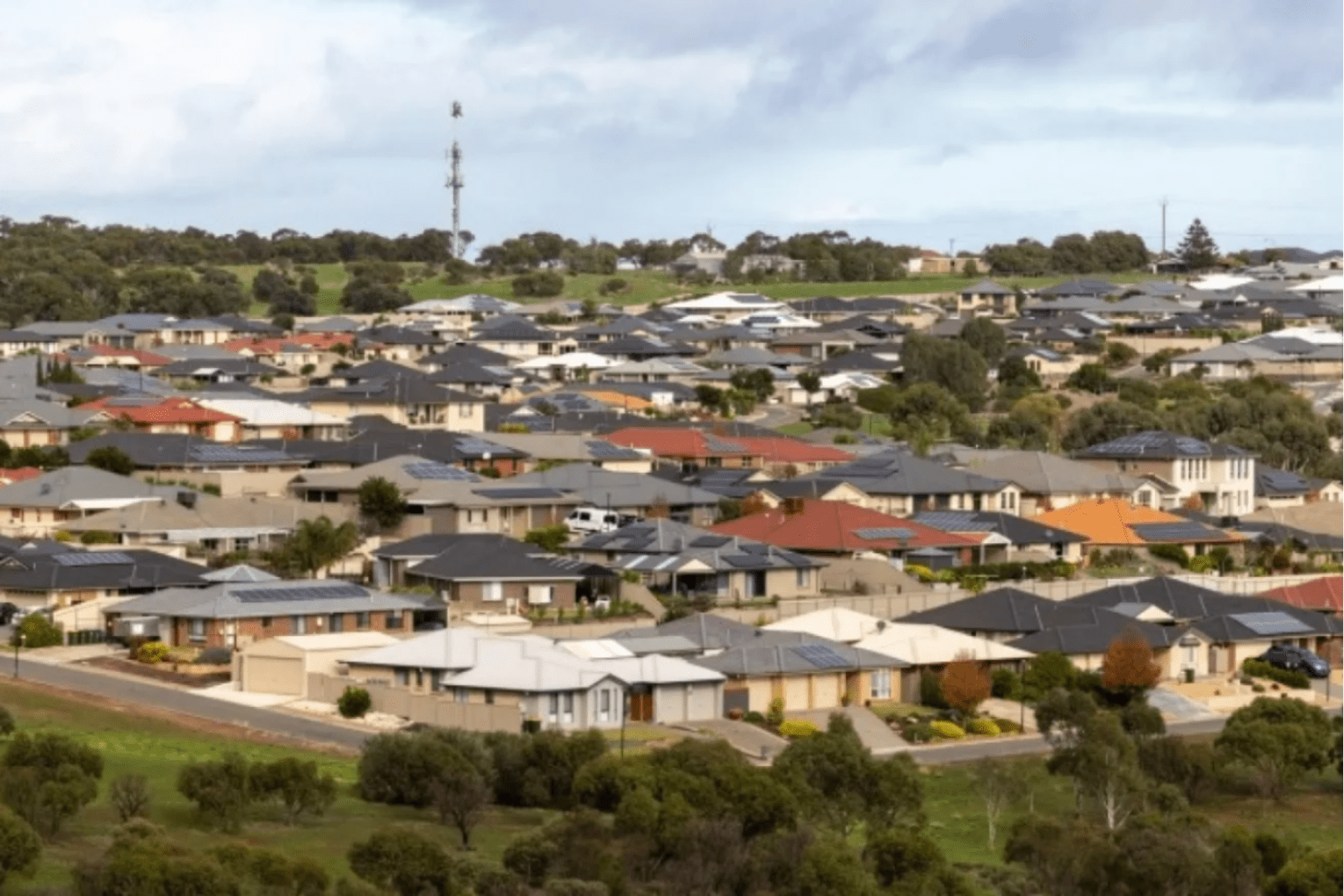
Australia’s housing market is at a critical juncture.
Prices continue to climb, vacancy rates remain near record lows, and over 175,000 households are waiting for social housing.
While governments are working to unlock land, offer grants, and attract developers, the conversation often overlooks a fundamental question: What does a fit-for-purpose housing system really look like?
At BDO, we believe the answer lies not in quick fixes but in structural reform, grounded in equity, aspiration, and economic viability, to create a housing market that works for everyone, not just investors and mortgage brokers.
A market built on equity and aspiration
Homeownership remains a cornerstone of the Australian dream. But the current system is leaving too many behind with renters in unstable leases, key workers priced out of proximity to their jobs, and low-income households stuck on social housing waitlists for years.
You might like

A sustainable housing market must balance access and choice. It should serve not only investors and mortgage holders, but also renters, essential workers, and vulnerable communities.
The right housing mix
A balanced market requires a recalibration of housing types:
- Owner-occupiers should remain the majority, around 60 per cent, split between mortgage holders and outright owners
- Private rentals should account for approximately 25 per cent, but with reforms, longer leases, higher standards, and institutional Build-to-Rent (BtR) models replacing fragmented ownership
- Social and affordable housing must grow from under 5 per cent to closer to 15 per cent, in line with European benchmarks. This includes public housing, community housing, and affordable rentals for essential workers.
Housing diversity by design
Australia’s population is increasingly diverse – single-person households, multigenerational families, downsizers, renters by choice, and people with disability all have distinct needs. Our housing stock must reflect this.
Stay informed, daily
A balanced market should offer diversity through typology, design and housing models:
- A mix of detached homes, townhouses, and apartments, catering to families, singles and couples
- An increase in accessible housing for an ageing population
- Purpose-built models like BtR, co-living, land lease communities, and supported housing for vulnerable groups.
The current ‘one-size-fits-all’ approach of detached housing in suburban growth areas is unsustainable. It places pressure on governments to replicate infrastructure and amenities across expanding footprints.
The crisis is structural
The housing crisis is often framed as a supply shortage. But the deeper issue is that housing has become a financial asset, rather than a critical social infrastructure.
The focus needs to shift from quantity to composition: what kind of homes, for whom, and at what cost? This requires better planning, coordination, and incentives that reward outcomes, not speculation.
How Governments and planning systems can help
- Streamline and accelerate planning approvals: Planning reform is underway, but fragmented across jurisdictions. Governments must simplify and fast-track approvals, especially for developments aligned with housing targets. Delays increase holding costs and inflate prices.
- Update zoning and land use regulations: Current zoning favours detached housing. To meet demand, planning systems must enable medium and high-density options – townhouses, apartments, and mixed-use developments. Many emerging housing models weren’t contemplated in legacy planning schemes, leading to misalignment and market confusion.
- Address rising construction costs: Construction costs have surged due to labour shortages and supply chain disruptions. Governments can help by:
- Reducing planning fees and charges
- Supporting modular and prefabricated construction
- Investing in infrastructure to lower development costs.
Commercial viability remains a challenge. Public-private collaboration must evolve to invest in outcomes, not just approvals.
- Monitor policy viability: Mandates for minimum social and affordable housing contributions must be grounded in feasibility. Inclusive zoning targets of 12 per cent may render projects unviable. Ongoing market monitoring is essential to maintain a deliverable pipeline.
- Encourage scalable housing models: To meet varied needs, we must embrace:
- BtR for long-term rental stability
- Co-living and micro-units for singles and students
- Social and affordable housing for diverse income groups
- Land lease communities and retirement villages to free up family housing.
- Invest in data-driven planning: Local governments should use data to assess supply and demand across housing types and locations. Scenario forecasting can guide flexible policy responses and support catalytic projects.
- Match density with infrastructure: Increased housing density must be matched with investment in transport, schools, healthcare, parks, and utilities. Unlocking land near existing infrastructure should be prioritised to avoid isolated developments.
How BDO can help
Australia’s housing market requires greater structural reform. By rethinking land use, planning systems, and economic incentives, we can build a housing system that works for everyone.
At BDO, we’re committed to helping governments and developers navigate this transformation through data-driven insights, feasibility analysis, and strategic advice. Contact us.
Want to see more stories from InDaily SA in your Google search results?
- Click here to set InDaily SA as a preferred source.
- Tick the box next to "InDaily SA". That's it.