Why looking after yourself is part of looking after your family
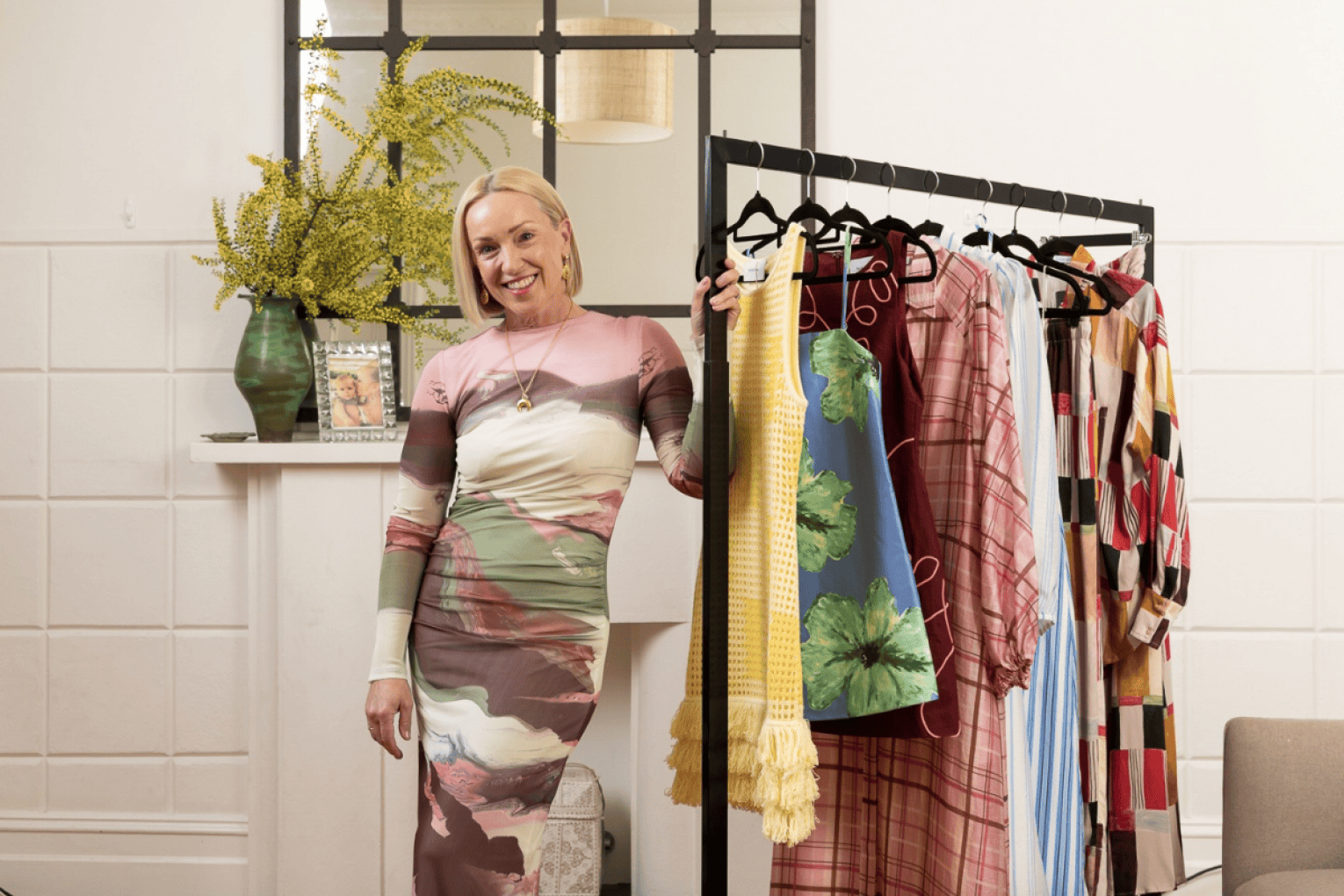
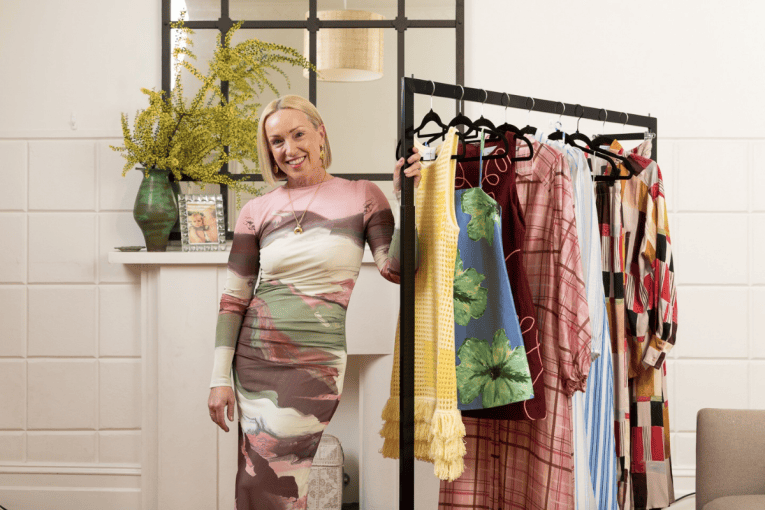
For SALIFE fashion editor Emma Riemersma, learning to make space for her own wellbeing has been one of the most important parts of navigating work, motherhood and family life.
There’s a particular kind of exhaustion that comes from being the person who remembers everything.
The school commitments, the appointments, the weekend sport, the family plans, the work deadlines. The things that need organising, the people who need checking in on and the emotional temperature of a household that can feel like it’s constantly shifting.
For SALIFE fashion editor Emma Riemersma, balancing a career with motherhood brings plenty of competing demands. Alongside the everyday rhythm of work and family life, mother of two, Emma has also supported her daughter through chronic illness, an experience that has deepened her perspective on resilience, family and the importance of looking after her own wellbeing.
“I think all women, particularly working mums, carry an enormous mental load,” Emma says. “We’re constantly thinking about how to be the best we can be in our careers, a great wife or partner, and, of course, present and supportive mothers.”
For Emma, being a parent also means juggling the beautiful chaos of two active kids. “Phoenix, in particular, would happily play every sport on the planet if he could,” she says. “At the moment we’re balancing three different sports, along with games, training and events. Magnolia is just as sporty – they’re both naturally talented athletes, which I love seeing develop.
“They’ve inherited that competitive spirit and genuine love of sport. It’s a wonderful way for them to be active, challenge themselves and grow. It also brings us into a beautiful community, although keeping up with it all can certainly be a juggle!”
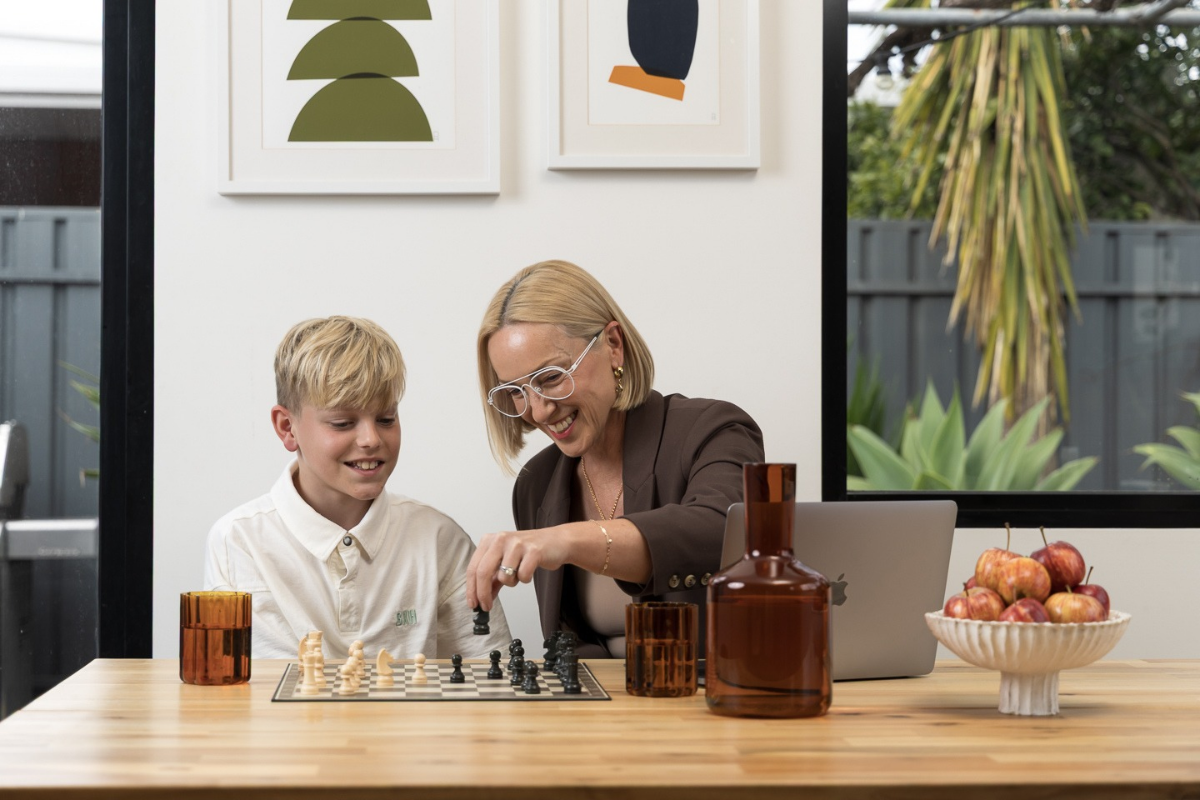
For Emma, that can mean managing the academic side of her children’s lives as well as “what feels like a hundred different sports and activities”.
There is also the emotional side of family life – the part that doesn’t necessarily appear on a calendar or to-do list. When her daughter was particularly unwell earlier this year, Emma was reminded just how unpredictable life can be.
“I try very hard to remain positive and focus on what we can control,” she says. “But the reality is that there are days when the load feels unbearably overwhelming.”
Emma is candid about the pressure she places on herself. She takes pride in the many roles she occupies – not only as a professional but as a friend, sister, daughter, wife and mother.
“I think many women put an enormous amount of pressure on themselves to be everything to everyone, and I’m certainly guilty of that too,” she says.
But the past year has prompted a rethink about what it actually means to be there for the people she loves.
There is a very real sense of grief, Emma says, in watching your child navigate something that may change the life you had imagined for them. It can be heavy to carry, particularly when you are also trying to keep everyday life moving.
Rather than seeing her own wellbeing as another responsibility to squeeze into an already busy schedule, Emma now views things differently.
“It made me realise that if I don’t make my own health and wellbeing a priority, I simply won’t have the capacity to be the strong scaffolding I want to be for my family,” she says.
“Looking after myself isn’t separate from looking after them – it’s part of it.”
That realisation has translated into some practical changes.
Over the past six months, Emma has become more comfortable setting boundaries around her time and energy. She is learning to say no to things that don’t serve her and, perhaps just as importantly, to say yes to the things that bring her joy.
It’s not about an overhaul or a perfect wellness routine. Instead, she has focused on simple rituals she genuinely looks forward to.
Exercise is one of them. Emma loves long power walks, while therapy and spending quality time with good friends have become important parts of maintaining her sense of connection.
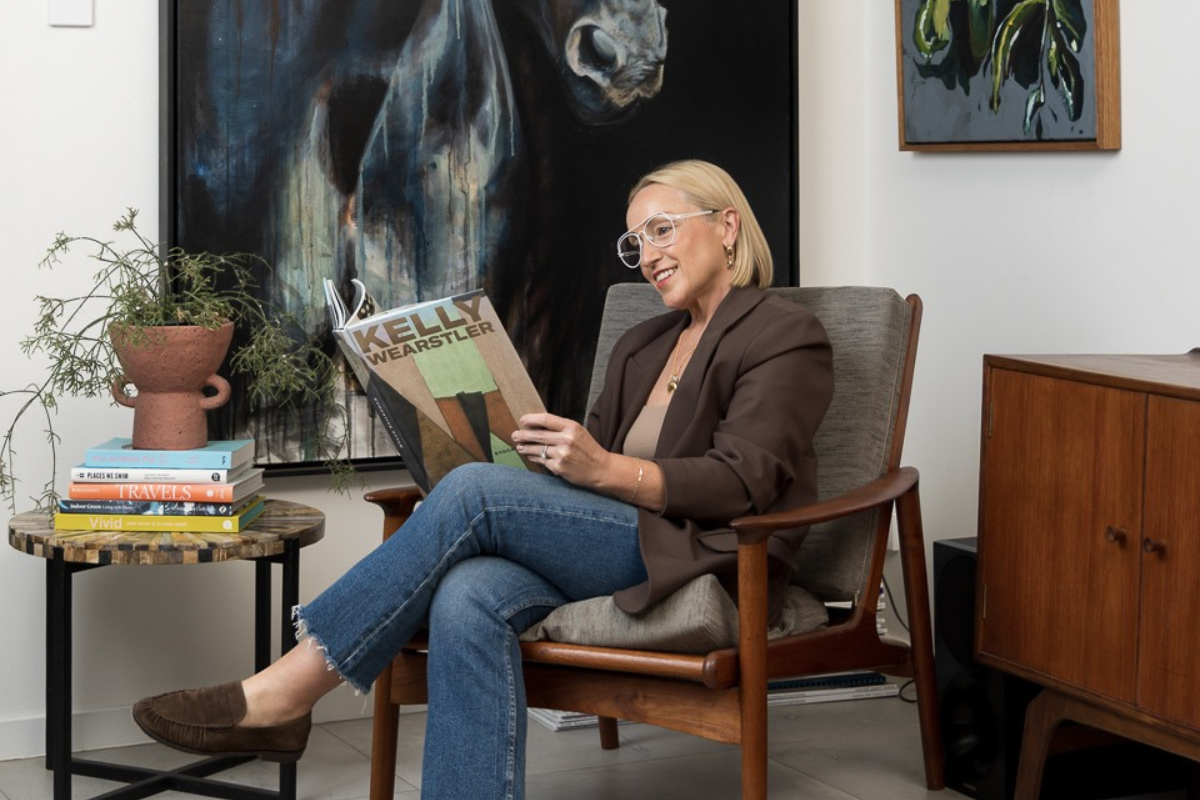
Then there is Saturday morning. Emma and her husband head to Onsen for an infrared sauna, turning what could simply be another appointment into a chance to spend time together and reconnect.
For her, these moments are not about escaping her responsibilities. They are about returning to them with a little more energy and perspective.
“I think wellbeing isn’t about one big thing; it’s about consistently making space for the things that help me feel grounded and connected.”
It’s a sentiment that speaks to a broader shift in the way we think about mental health. Rather than waiting until we are struggling to do something about it, there is value in paying attention to our wellbeing along the way.
Health Partners Partner Provider, Angelique Foran, director and clinical psychologist at Supported Minds, says the mental load can be particularly difficult for women to identify because caring for others is so often treated as an expected part of their role
“We naturally want to care for our family members, but there also need to be reasonable limits,” Angelique says.
The problem, she explains, is that the accumulation can be gradual. A new baby arrives, a child becomes unwell, work becomes demanding or an ageing parent needs support.
One responsibility is added to another until suddenly there is very little left for the person carrying them all.
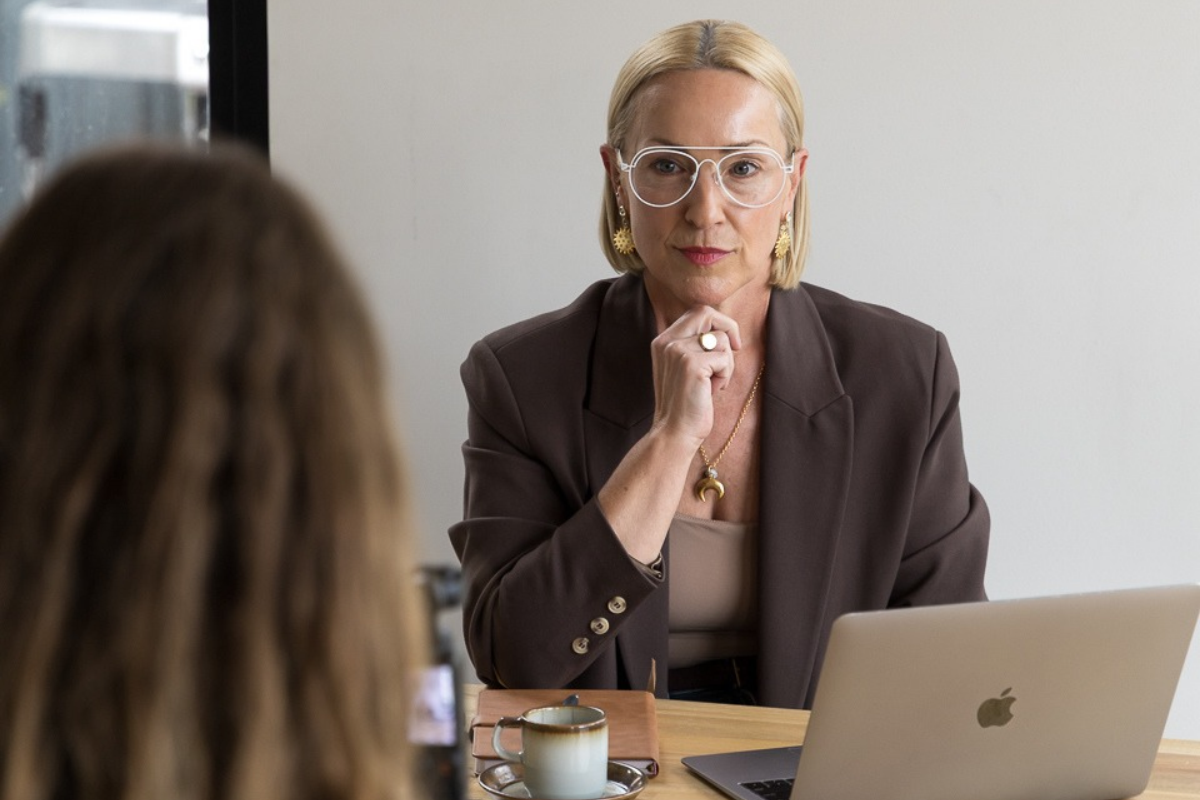
Often, the warning signs are not dramatic. Angelique says women might notice changes in their sleep, begin withdrawing from social interactions, feel increasingly overwhelmed or become tearful and run down. They may experience resentment, guilt or a sense that they have lost touch with themselves.
For a woman who already feels there isn’t enough time in the day, the idea of adding “mental health” to the to-do list can sound like one more demand.
Angelique’s advice is to think smaller. “Good mental health doesn’t happen by accident,” she says. “It requires you to be intentional.”
That intention can be as simple as stepping outside for some fresh air, taking a few minutes to breathe, protecting time with friends or delegating a task rather than automatically taking it on.
Perhaps most importantly, it means becoming comfortable with asking for help.
Angelique says open conversations with a partner, family member or friend can help redistribute the load, while a GP or psychologist can provide professional support when needed. Seeking that support early can make it easier to address concerns before they become overwhelming.
For Emma, asking for help is something she wishes she had embraced more readily when she was younger.
“If I could give my younger self, or another young, busy working mum, one piece of advice to protect her future health, it would be to ask for more help and support,” she says. “Don’t automatically take the entire load on yourself.
“We are surrounded by people who love us and genuinely want to support us, and there is absolutely no weakness in leaning on others,” she says. “In fact, I think there is enormous strength in recognising when you need help and being brave enough to ask for it.”
Health Partners has been SA’s local health insurer for nearly 90 years. And because they’re 100 per cent not-for-profit, they’re 100 per cent for you. Health Partners is health insurance, made human.
Want to see more stories from InDaily SA in your Google search results?
- Click here to set InDaily SA as a preferred source.
- Tick the box next to "InDaily SA". That's it.