The filling of Kati-Thanda Lake Eyre
SALIFE photojournalist Ben Kelly journeys to one of the state’s most remote pubs to interview an outback legend and to document the ephemeral Kati Thanda-Lake Eyre.
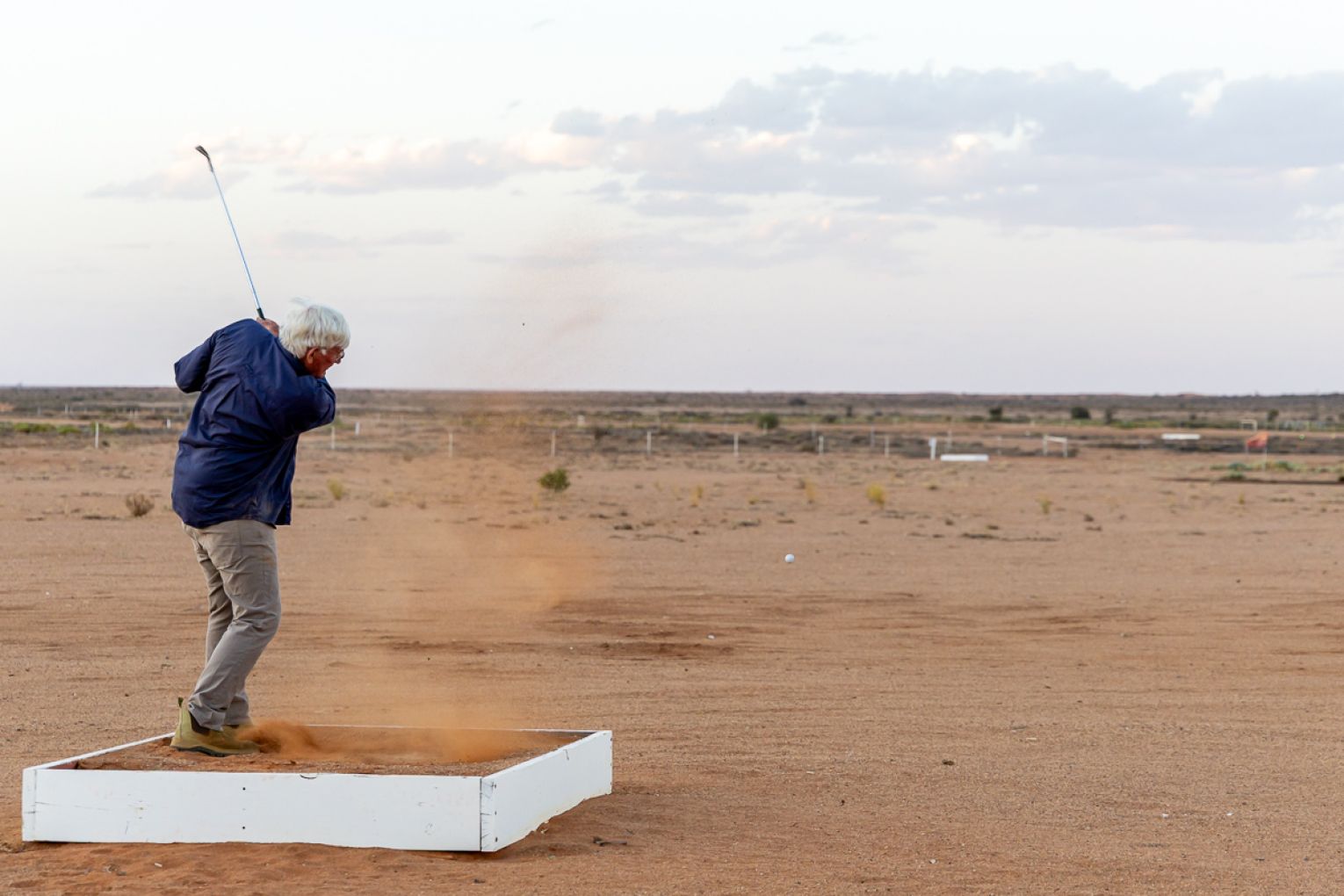
From the cockpit, I squint to get my first glimpse of William Creek. A tiny speck in a hazy expanse of outback billowing with burnt-orange dust clouds. The single-prop plane sways through the thermals as it homes in on the town’s sun-baked runway.
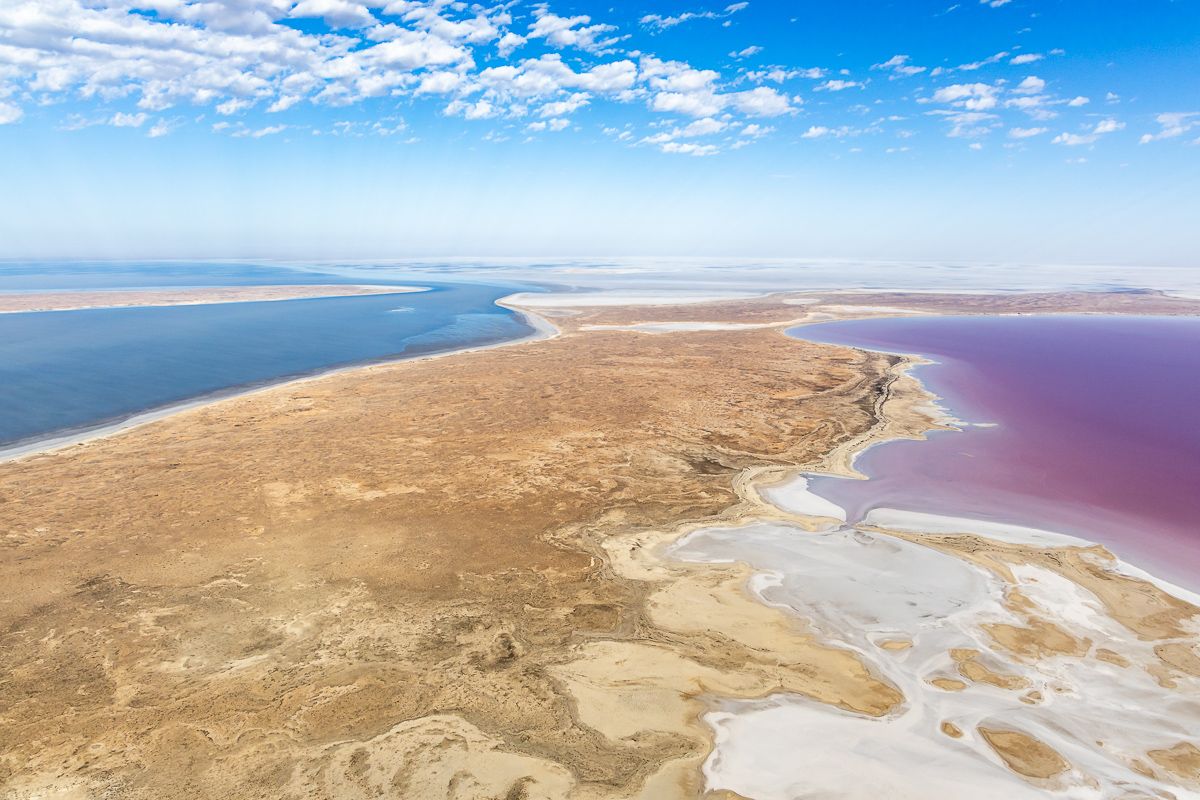
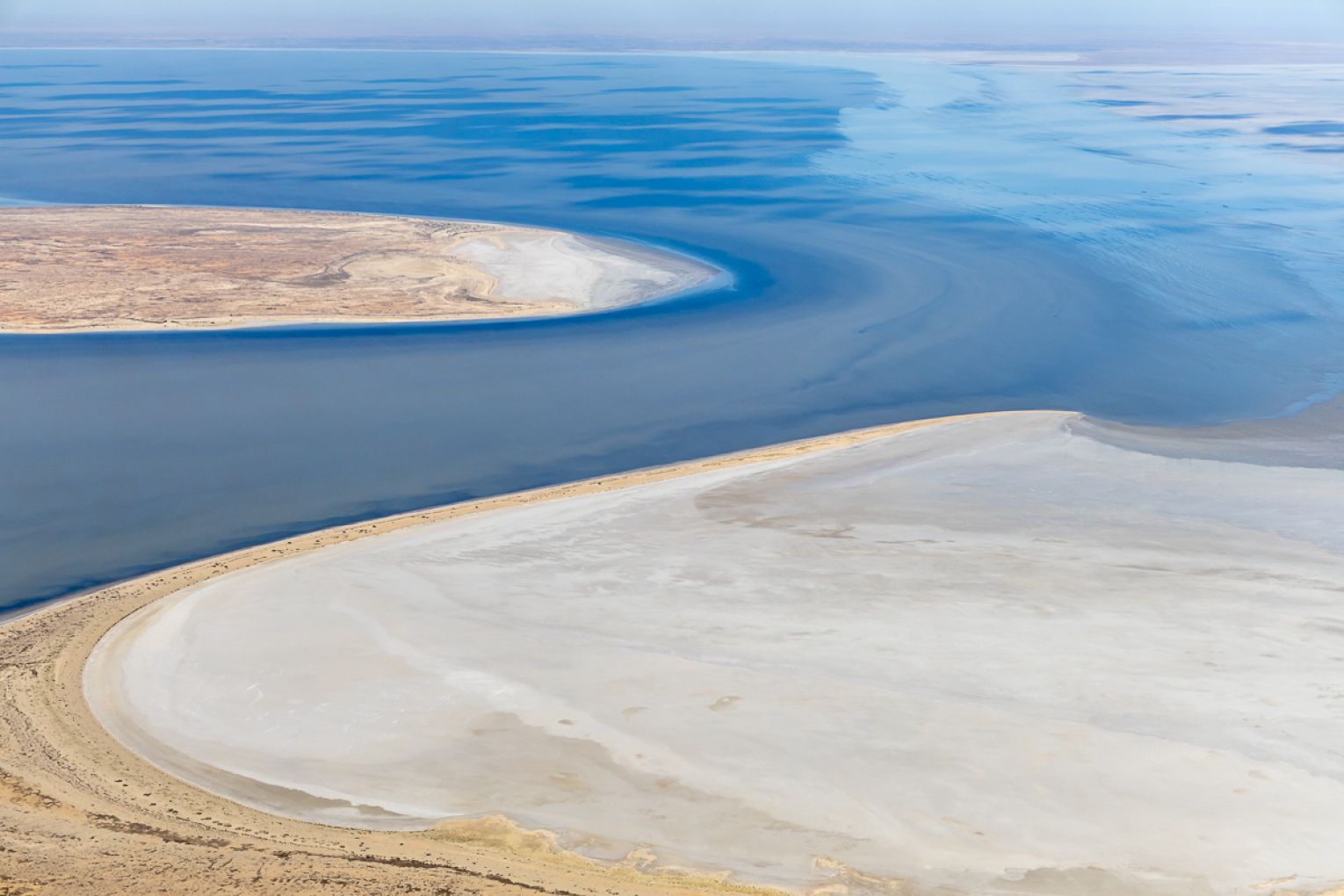
This is the closest settlement to Kati Thanda-Lake Eyre (pictured above) but there’s not a drop of water in sight. It feels like landing on Mars.
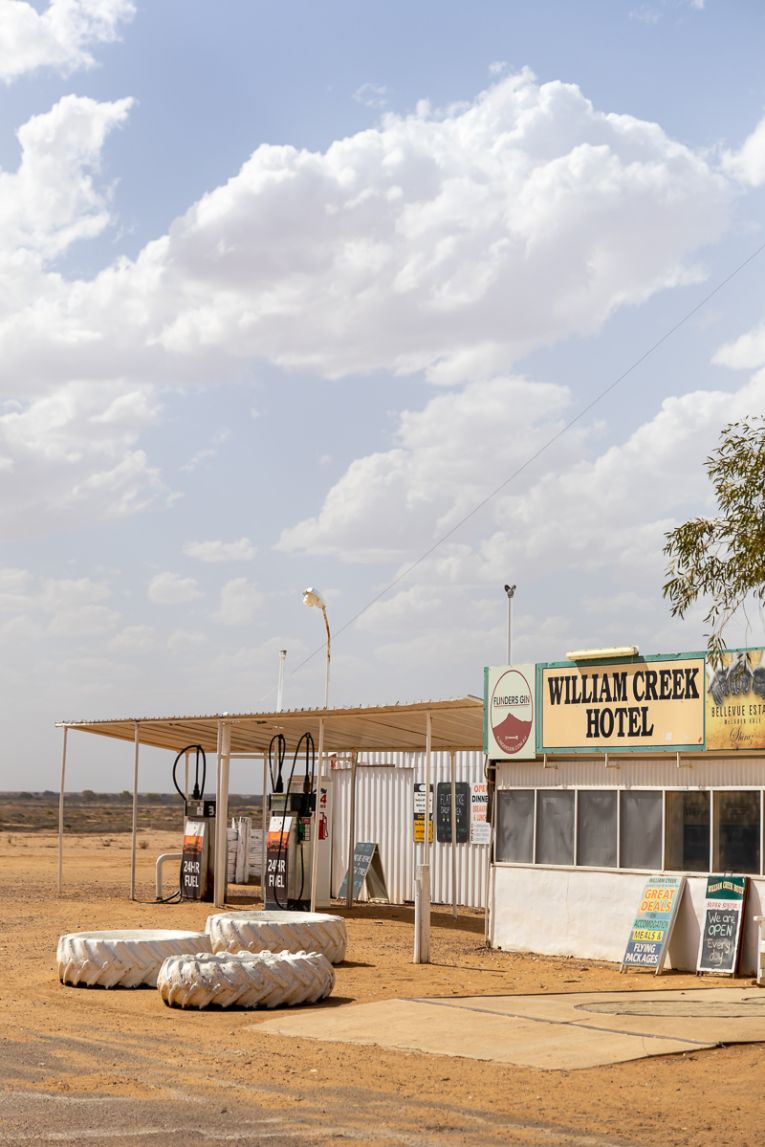
Home to an iconic pub and situated in the middle of the world’s largest working cattle station, William Creek is an outpost of civilisation that offers cold beer, fuel, accommodation and dry outback humour.
It’s an important pit-stop for motorists brave enough to tackle the Oodnadatta Track and aviators traversing the vast country.
It’s a 45-degree day in early summer. With the tourism season over, most souls have fled the region for greener pastures. But the heat has triggered a rare natural phenomenon that SALIFE has been invited to witness first-hand.
In autumn 2025, floodwaters from Queensland flowed down to South Australia’s outback, draining into Kati Thanda-Lake Eyre. The lake has only filled four times in 160 years and locals reported 2025 to be the biggest filling in over a decade.
William Creek swelled with tourists eager to witness this ephemeral inland sea. Staying overnight in William Creek is ideal for taking a sunrise scenic flight, which is exactly why we’re here.
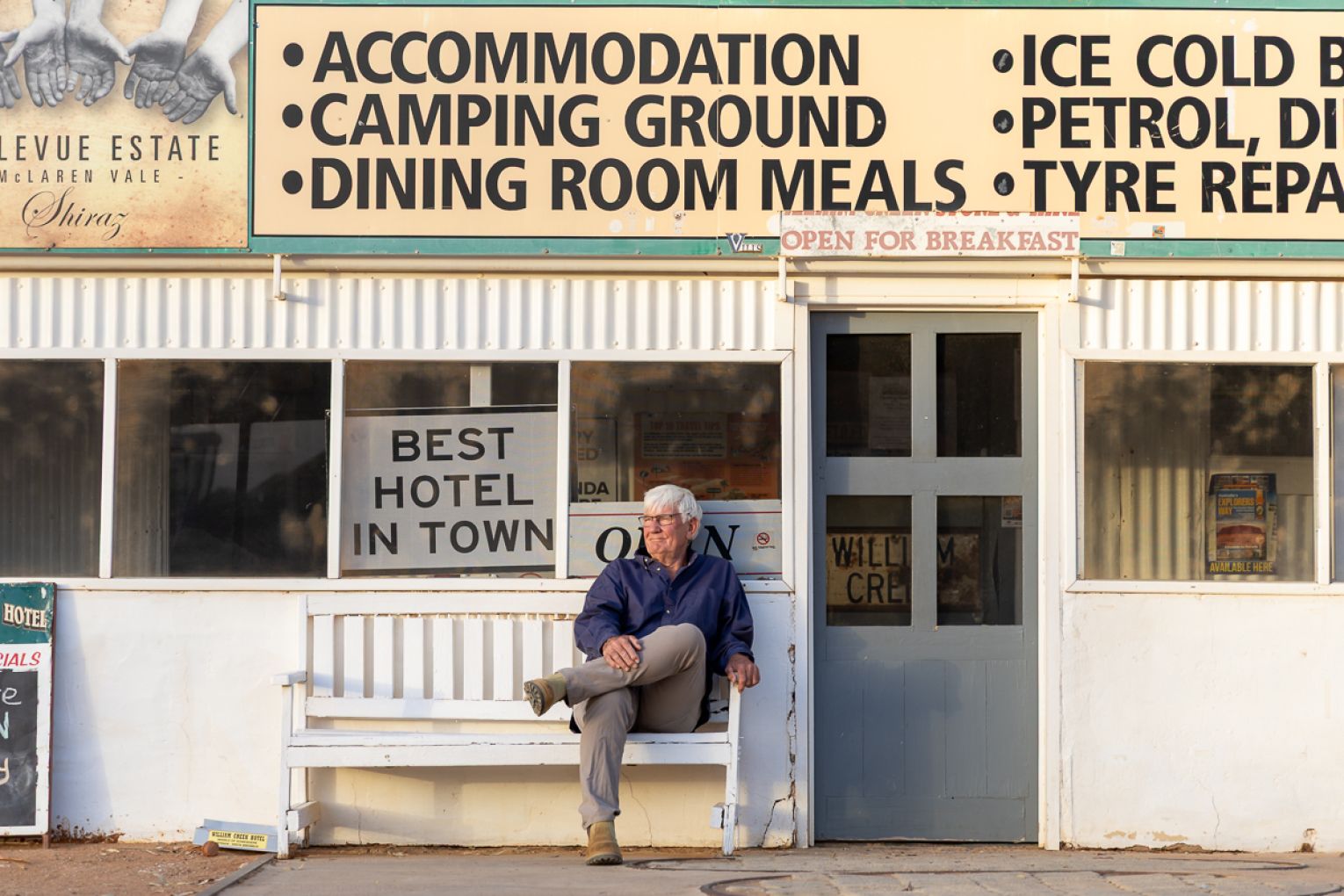
It’s a short walk from the runway to the quirky William Creek Hotel, where we find the town’s unofficial mayor Trevor Wright behind the front bar. The founder of Wrightsair, Trevor is a hard man to catch with a constant stream of people looking to parley about everything from deliveries to irrigation systems.
“Every morning, I plan my day out, whether it’s fixing the desal plant or surveying an airplane and in all my 35 years here, I’ve never had one day that’s gone to plan – ever,” Trevor laughs.
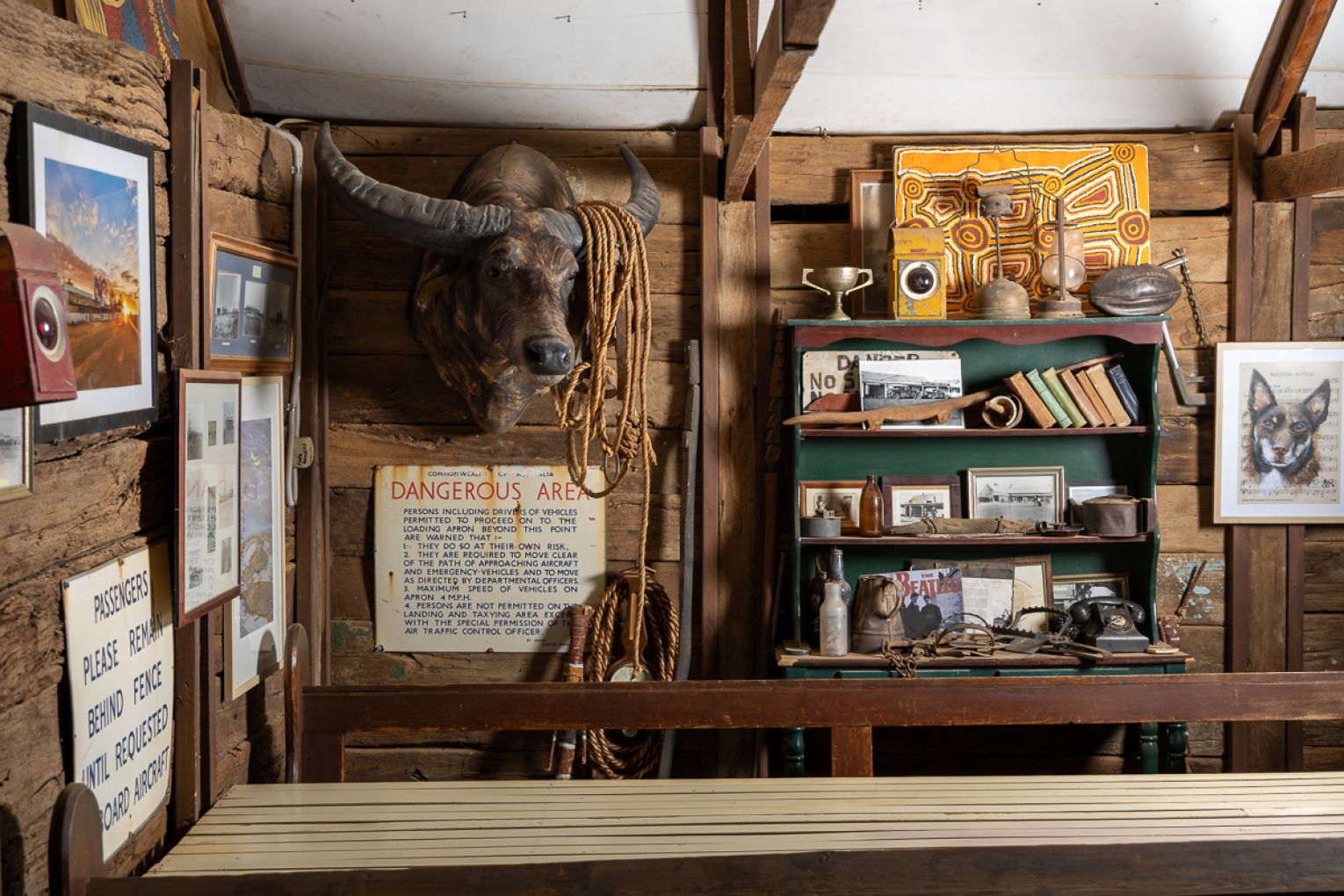
Walking into the quirky front bar is like “stepping into a time machine”. The ceiling and walls are plastered in generations of IDs, business cards, signatures and newspaper articles.
“It’s a quirky little business in the middle of nowhere. The pub is authentic and hasn’t changed a lot over the years; what you see is what you get.
“The hotel was built in 1887 as a stop along The Old Ghan Railway. It’s an iconic watering hole on the Oodnadatta Track, but it’s become much more than that now with the interest in Kati Thanda-Lake Eyre.”
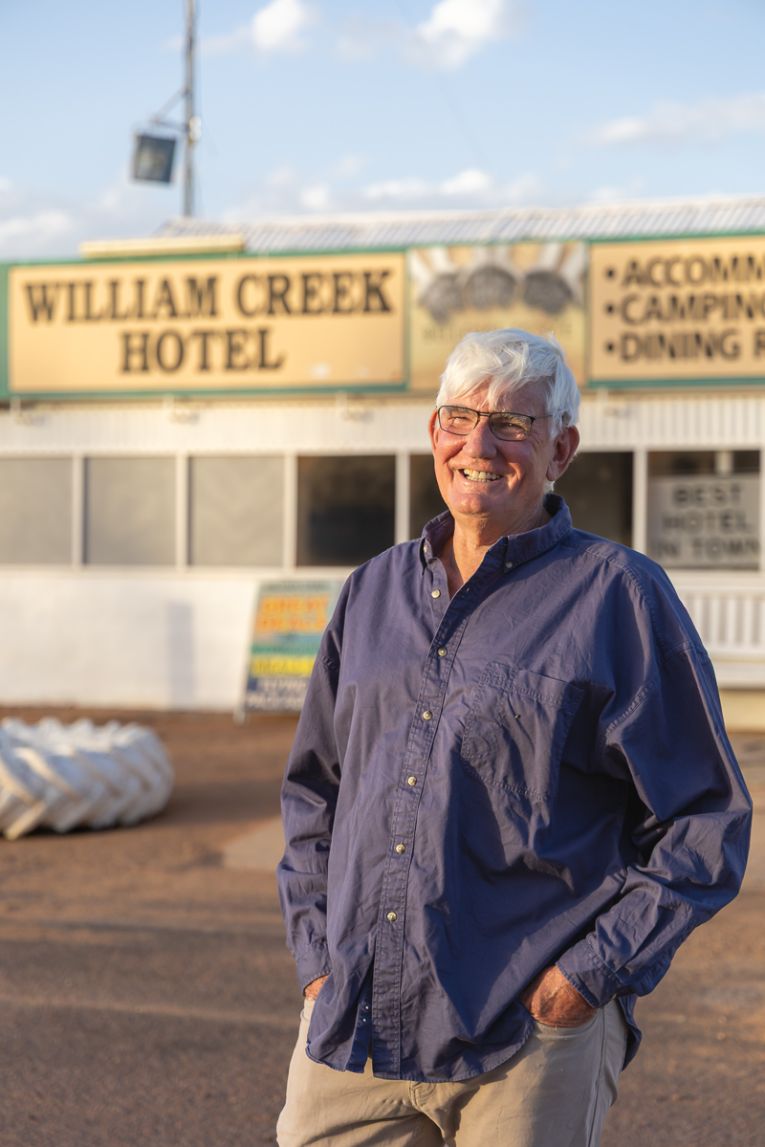
Raised in country Victoria, Trevor was first exposed to aviation via his grandfather. “He and his mate had a plane, and they could take off and land anywhere. There was something in the freedom of that. I thought, ‘He’s got it made’,” Trevor says.
When Trevor was 16, he paid for his first flying lesson with money earned mowing lawns and working in a garage. The first aircraft he bought was powered by a car engine and clad in plywood fuselage.
“I bought it from the guy who made it. It had a Volkswagen 1000cc motor up the front, a small windscreen and you wore a helmet and a set of goggles,” Trevor recalls.
“It really was like the Wright Brothers. Flying that first plane around gave you a real sense of airmanship … and hanging on by the seat of your pants!”
Trevor loved flying and had a nose for business. It was in the 1980s that he first spied William Creek from above.
“I was flying over the top and saw all these galvanised tin sheds utterly out in the middle of the desert. There was hardly a tree in sight,” he recalls.
“I looked down and thought, ‘I wonder who’s eccentric enough to live out there? I’ve got to go and meet them’.
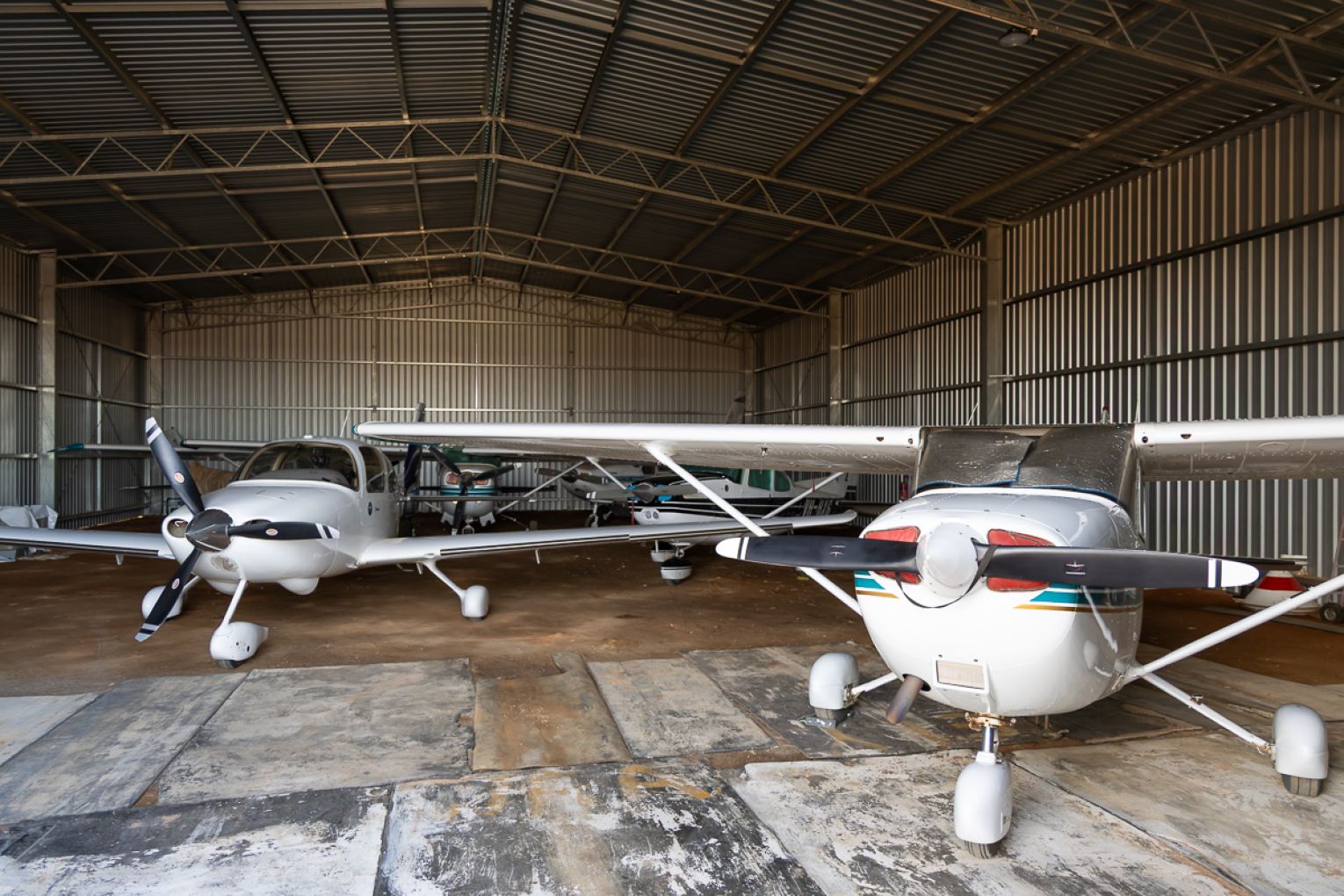
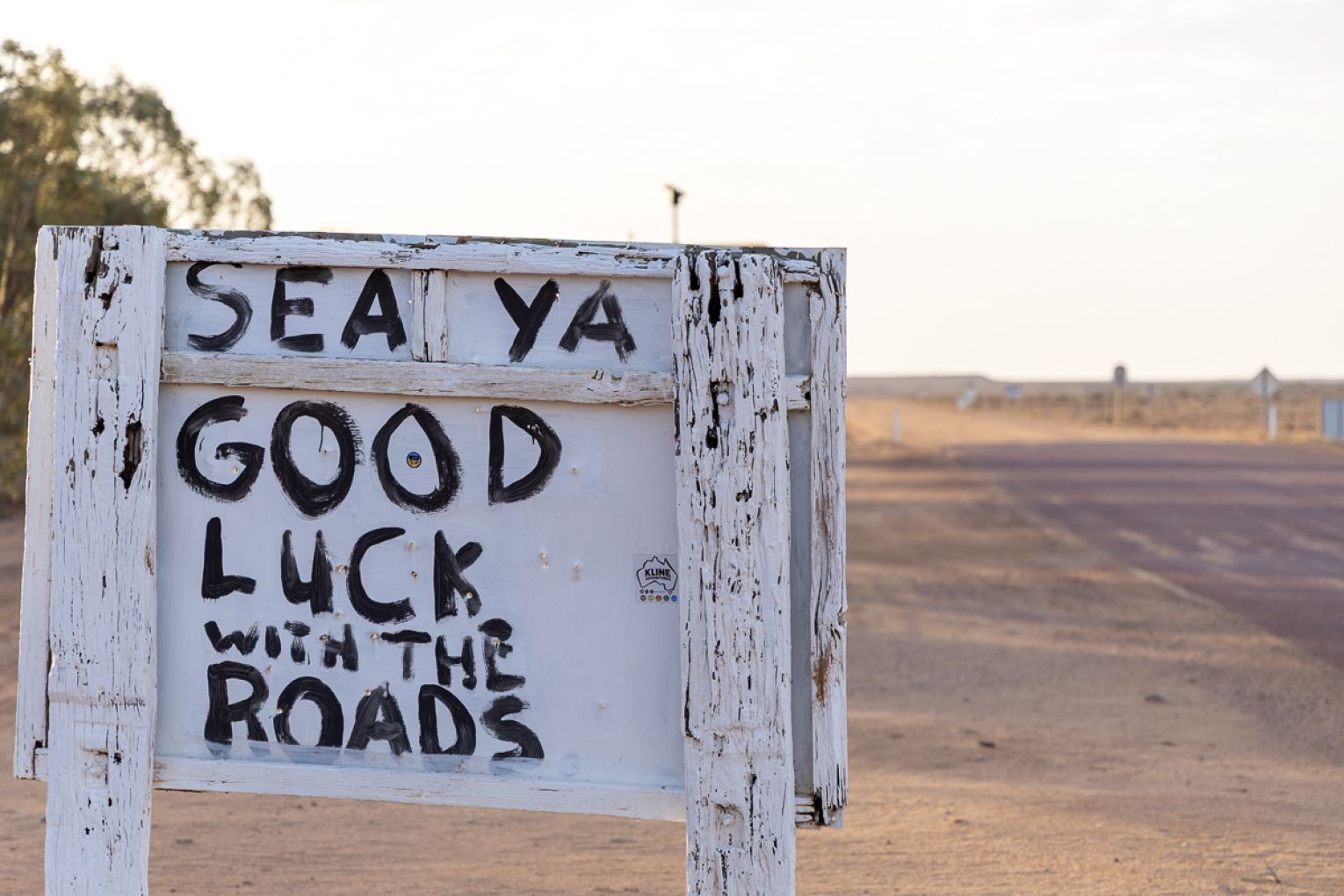
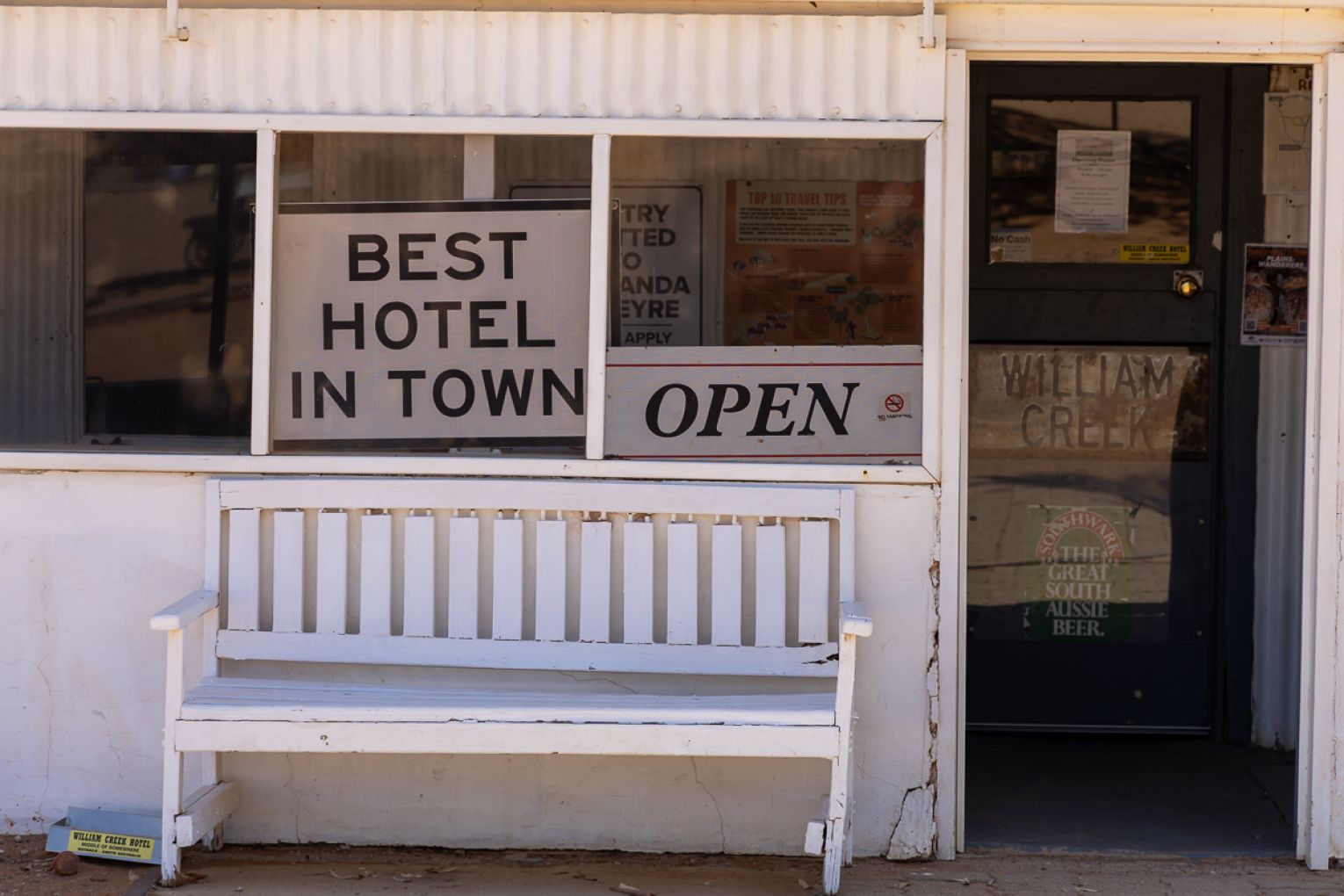
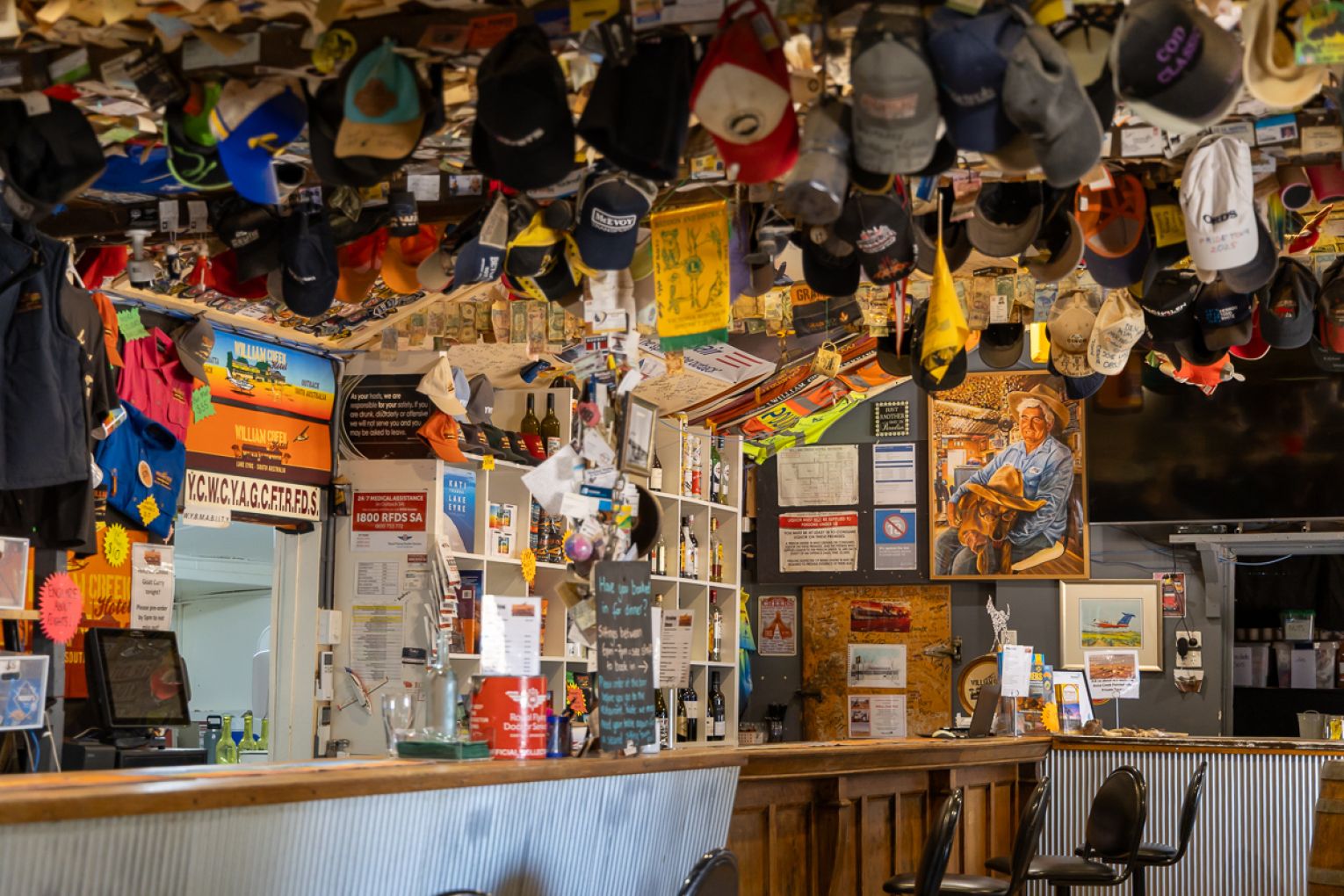

“I came here for three months to set up a scenic flight business and that turned into 35 years.
“The outback is very confronting from both a personal and environmental point of view, but then you’ve got the sheer beauty of this huge inland sea and the colours of the painted hills. It is home for me.
"If you had told me if I’d spend this long out in the desert, I’d say you’re dreaming."
Trevor established Wrightsair with one airplane and three seats. Now, the company has a stable of 26 aircraft that operate all over Australia and even New Zealand. The town’s three hotel rooms have grown to more than 50, with a caravan park and glamping tents.
“For a little place in the middle of nowhere, we tend to get quite a few visitors.
“You can have a couple of hundred people staying of a night, and dozens of planes parked here as people call in for a meal, so we do need to be well equipped,” Trevor says.
In a busy season, Trevor will have up to 40 staff, including pilots and backpacker workers. At its busiest, the restaurant can serve 250 meals in one night.
After setting up Wrightsair in 1992, Trevor’s first investment in William Creek real estate was an 1800s home that was part of the Old Ghan Railway. He acquired other properties over time.
“It was a bit like playing Monopoly and the last thing I bought was the hotel in 2012,” he says.
Trevor has driven significant improvements to the town. The most important is the desalination plant that turns salty bore water into clean drinkable water.
Most recently, Trevor has installed more than 300 solar panels that feed a shipping container full of lithium batteries, reducing the town’s reliance on diesel generators for power. “It’s all about improving the standard of living,” he says.
Where previously there was nothing but red dirt, he’s planted trees around the town and even created a garden around his own home.
"To last up here, you do need to be either eccentric or very focused."
“For me, it’s important to develop a lot of projects to keep active and self-motivated.
“It could be easy to go troppo out here, and you do need to keep yourself on track.”
Over the 2025 tourist season, Wrightsair’s team of 16 pilots flew more than 15,000 people over the lake, operating scenic flights out of William Creek, Coober Pedy and Wilpena Pound.
“It is like coming to another planet. The lake has the wow factor – kaleidoscopic colours and shapes – and the size. It is as big as the distance between Adelaide and Port Augusta.”
“The pink and green colours we have seen as the water levels drop have been amazing. I’ve only seen it once before of that magnitude and over such a large area.
“What blows me away is the people from all walks of life and parts of the world who come out here for a look. Who in their right mind would travel 200 kilometres on corrugated dirt roads to stop into this galvanised tin shed of a place?”
It’s also young pilots who gravitate here from all over Australia. Trevor has been a mentor to hundreds of pilots who have got their start in William Creek before going on to fly for commercial airlines.
“Since I started here, we’ve given between 350 and 400 young men and women their first jobs in commercial aviation. Giving these young people a go gives me the biggest sense of satisfaction,” he says.
“It’s a bit like boot camp and there is a hell of a steep learning curve. The shortest time we’ve ever had anyone come out to work here is 90 minutes. Some people just find the remoteness too confronting.
“But if you can get past the initial shock of living in a remote environment, you will gain some great lifelong friendships and develop resilience for whatever life throws at you. There’s a lot of humour out here, too.”
While the outback lifestyle offers moments of sheer beauty, there are intense challenges. “It’s like being on a research station in Antarctica, except that the temperature is a little different,” Trevor says.
"There’ve been funny times and some bloody hard times."
“I remember one summer, the mercury thermometer under my verandah read 61 degrees Celsius. The only ones loving it were the goannas and the snakes. Then, in the middle of winter, it gets down to minus two and you are scraping ice off your car’s windscreen.”
Early on in his time at William Creek, Trevor experienced a prolonged drought that made things so tough, he almost packed it in to take a job at Roxby Downs. Luckily, rain arrived and helped to lift outback tourism again.
The “mayor” of William Creek has great responsibility on his shoulders, not just for the safety of his pilots and guests, but also for keeping the lights on. Self-sufficiency is key in such a remote hamlet.
“You’ve got to keep up the maintenance, because if you don’t, then the place just withers away. And the older I get, the more I think about the big picture and how to make the working environment as safe as possible,” he says.
Outback pilots face ever-changing circumstances from low-visibility dust storms to thunderstorms and floods that can quickly turn runways to mud.
"Before we had hangers, we’d be out at two in the morning tying down aircraft to make sure they didn’t get blown upside down."
“And before we had a bitumen runway, we’d be digging planes out of the mud,” Trevor says.
Then, there’s the outback around William Creek, which has some of the most treacherous roads in the state.
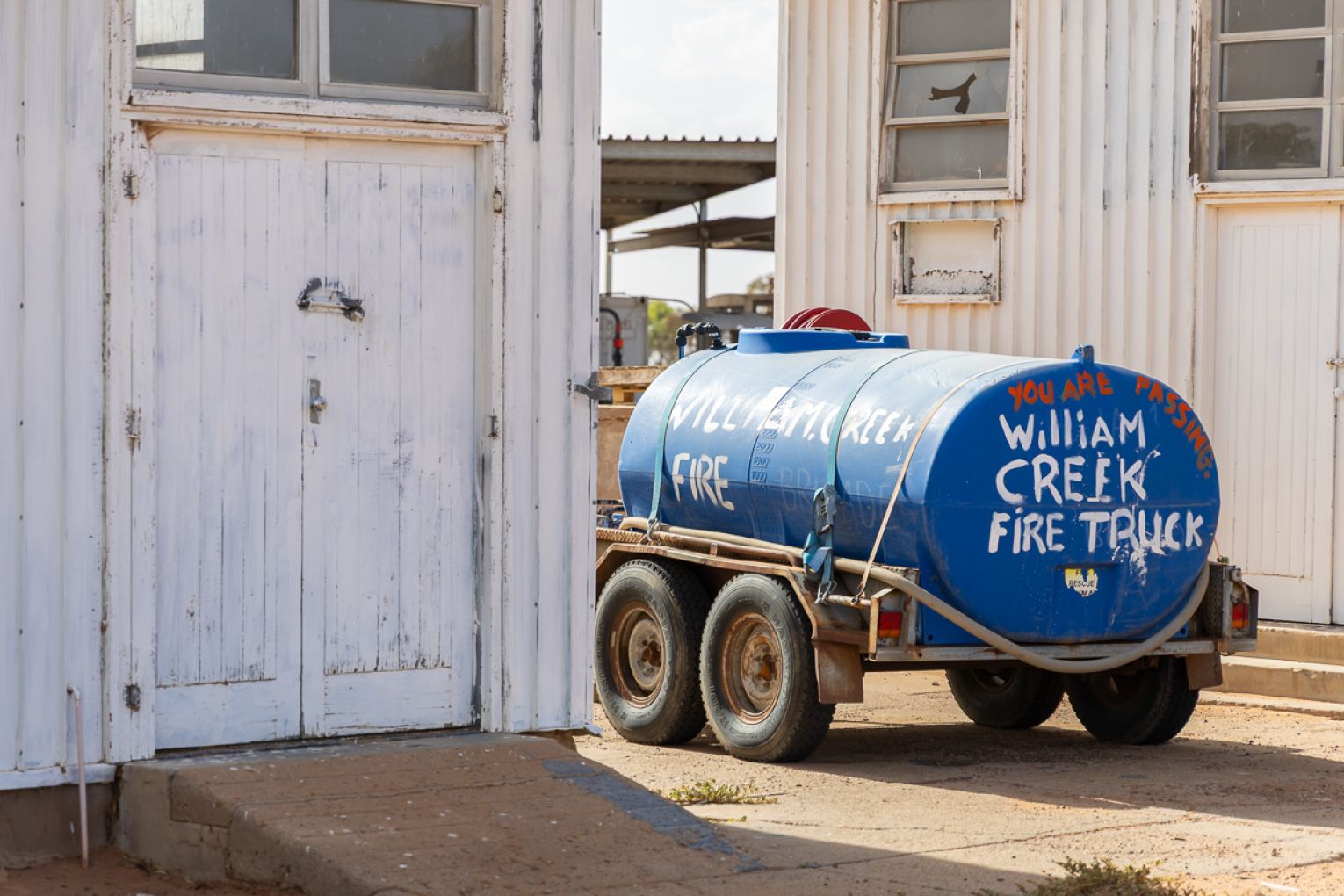
In a busy year, Trevor and his workers will respond to up to 30 vehicle emergencies, dropping everything to drive to accidents, vehicle recoveries or search and rescue missions.
“We look after 100 kilometres around us in all directions. Responding to emergencies is just part of life in these
communities.”
These can be the result of inexperience, lack of equipment, falling asleep at the wheel or driving too fast for the road conditions. And there have been fatalities.
“We regularly see traumatic things that someone in an urban environment may deal with once in their lifetime. They stay in your mind for a while, and I have become a bit desensitised to trauma,” Trevor says.
“One of the worst ones I remember was three people stuck upside down in a rolled Toyota Hilux. I tried to keep them comfortable while we waited for the emergency medicos.
“They recovered, but in the moment, it was a push against time.
“People coming out here need to be aware of their limitations and make sure they are properly equipped. I’d have a Starlink, a first aid kit, one or two spare tyres, and 20 or 30 litres of water.”
However, for the thousands who are prepared and travel safely, the trip – a two-hour drive from Coober Pedy – is worth it.
The region offers otherworldly experiences from the lunar landscape of the Anna Creek Painted Hills to the famous lake.
Although he’s past retirement age, Trevor has no plans to finish up any time soon and hopes the current excitement around Kati Thanda-Lake Eyre will keep William Creek on the map for some time to come.
When Trevor finally does decide he’s had enough of the outback, hopefully there will be someone eccentric enough to take his place.
“There will always be someone crazy enough,” Trevor laughs.
“Beyond my time, I hope that William Creek keeps its authenticity. It’s been an interesting journey, and I don’t think the journey’s stopped yet.”
My last question is the one I’m most eager to ask Trevor, but he is not game to go on the record. But if you go to William Creek and buy him a beer, he just might tell you a UFO story.
“The night skies are phenomenal, and people out here do see a lot of unusual things. If some of those things I’ve seen were UFOs, it
wouldn’t surprise me!”

Sunrise over the salt
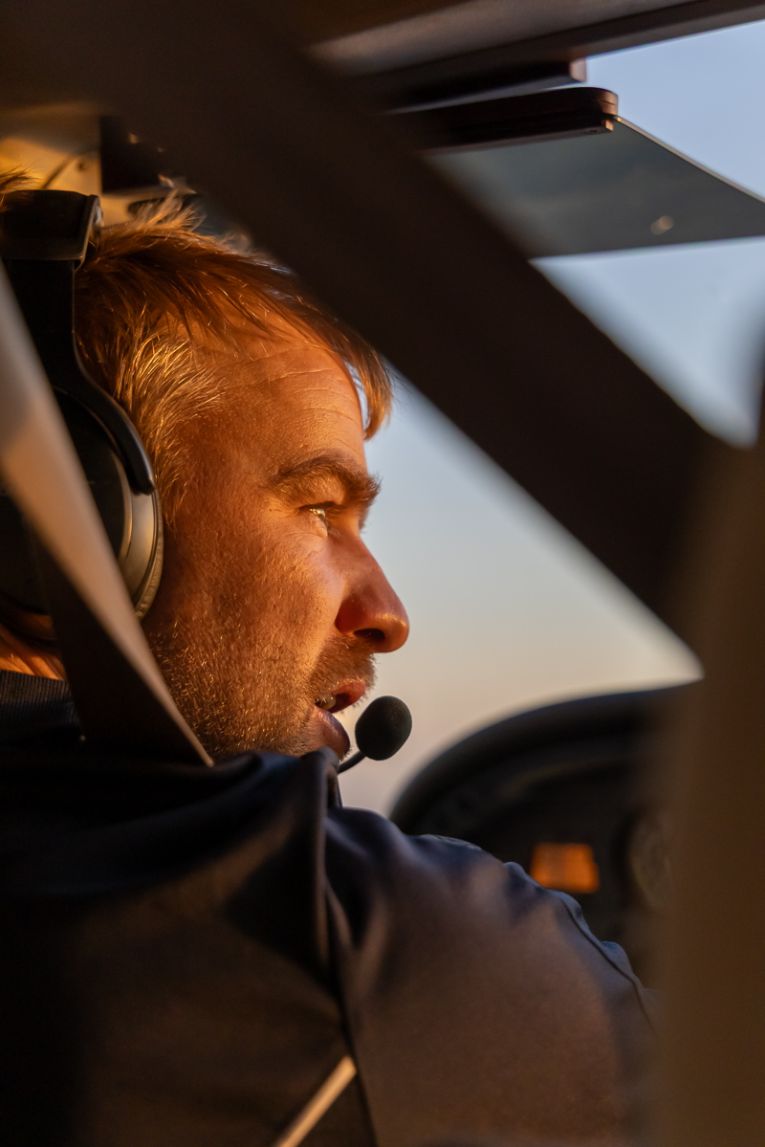
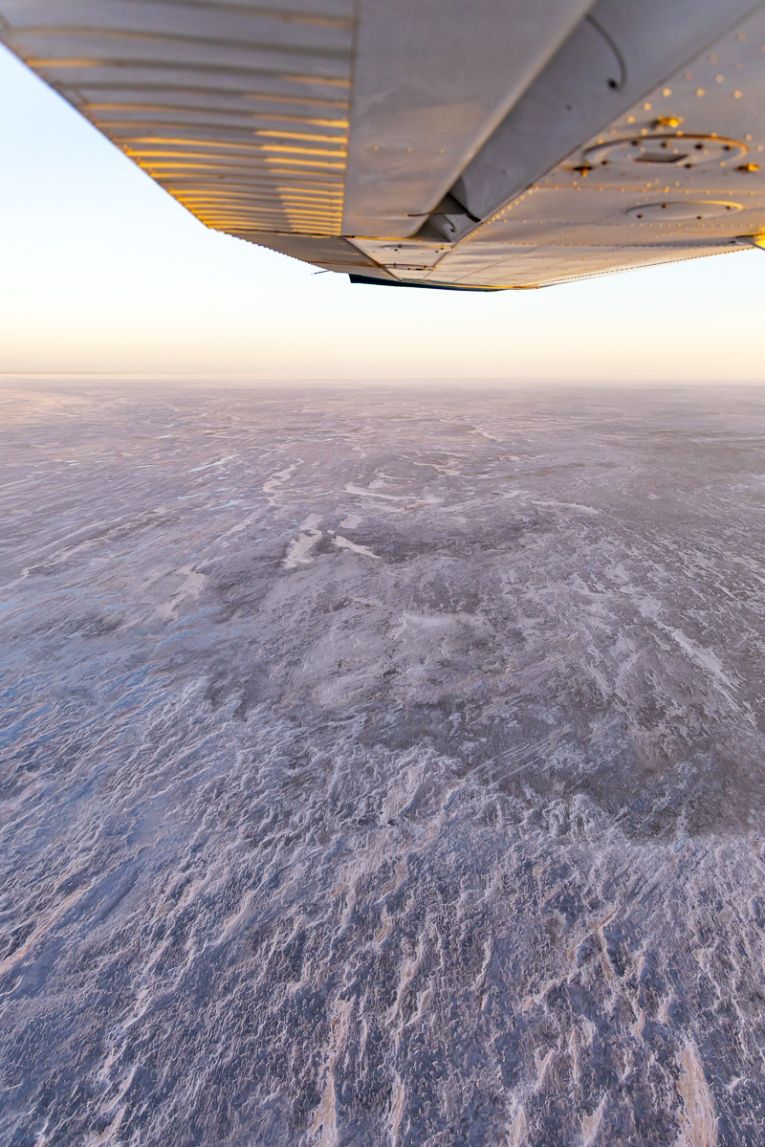
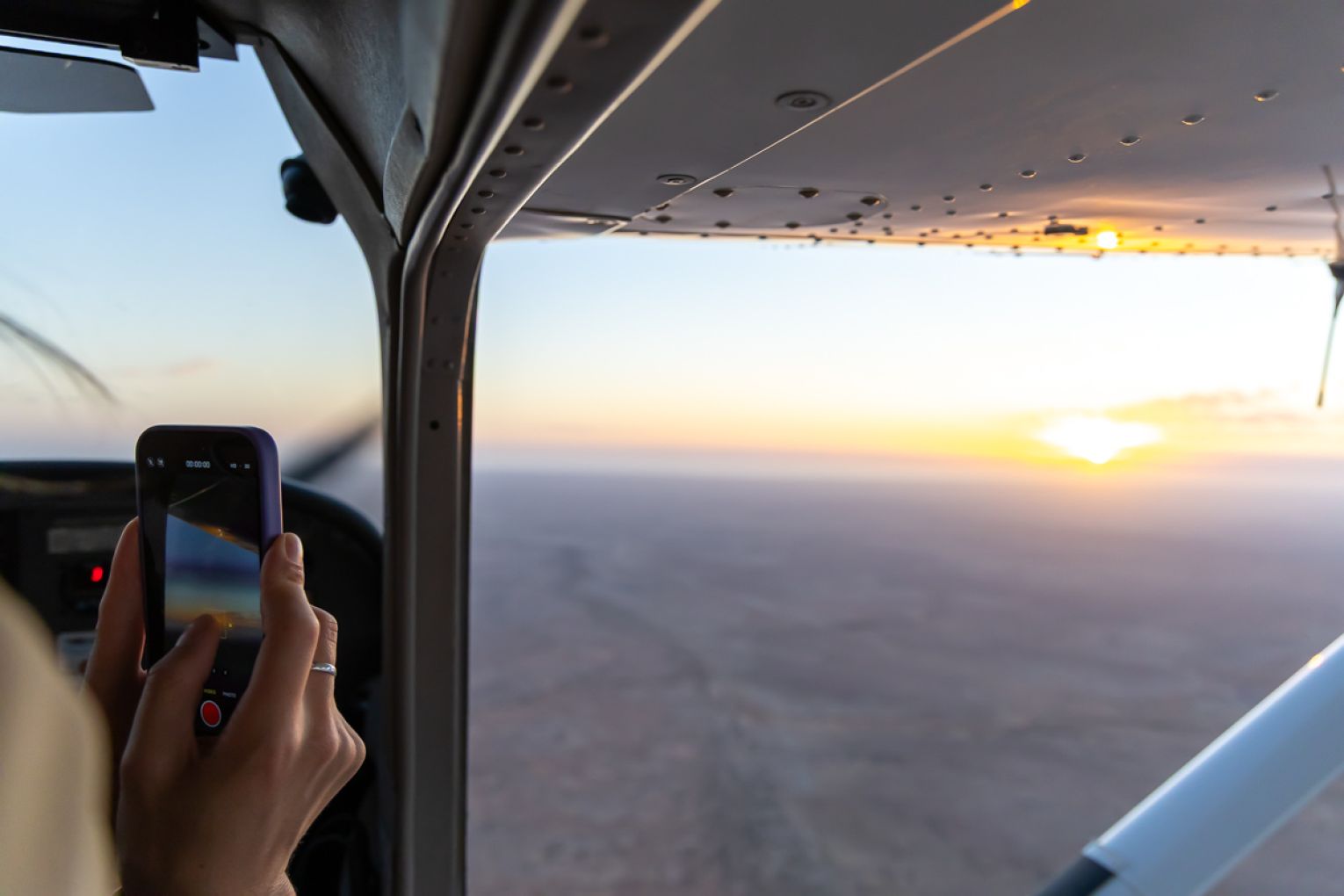
In the dark, a Cessna Airvan is waiting on William Creek’s runway, one door removed as is customary for photography flights. Fellow photographer Emily Weaving and I rock-paper-scissor for the front seat. I take the rear, which turns out to be no disadvantage.
We accelerate along the rocky dirt strip and easily climb to altitude. Arms, legs and cameras must remain inside the cockpit or risk being vacuumed into the ether.
It takes 15 minutes to get to the lake but the desert along the way is beautiful. Flying without a door takes getting used to, and then it feels as normal as having a car window down. Well, not quite.
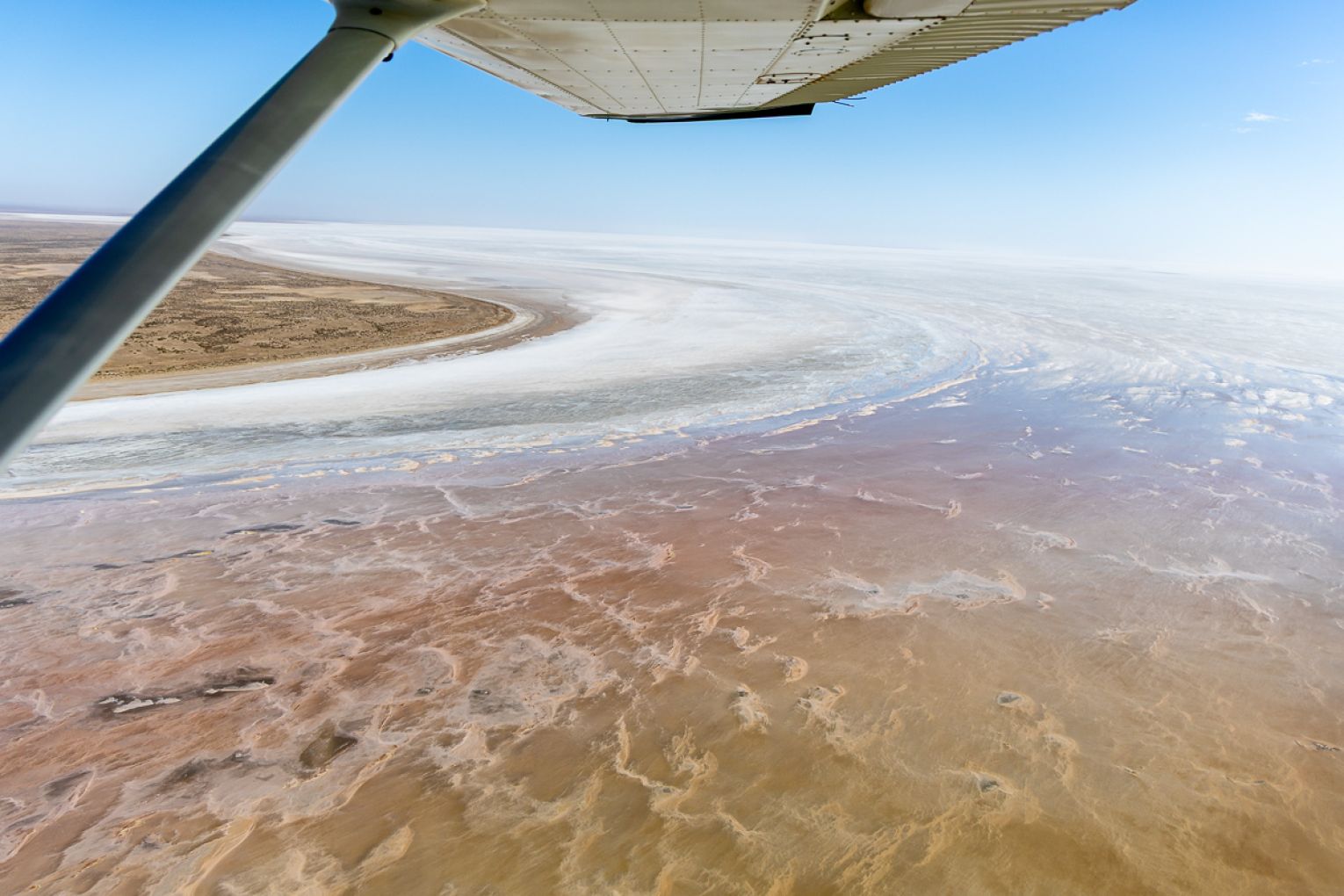
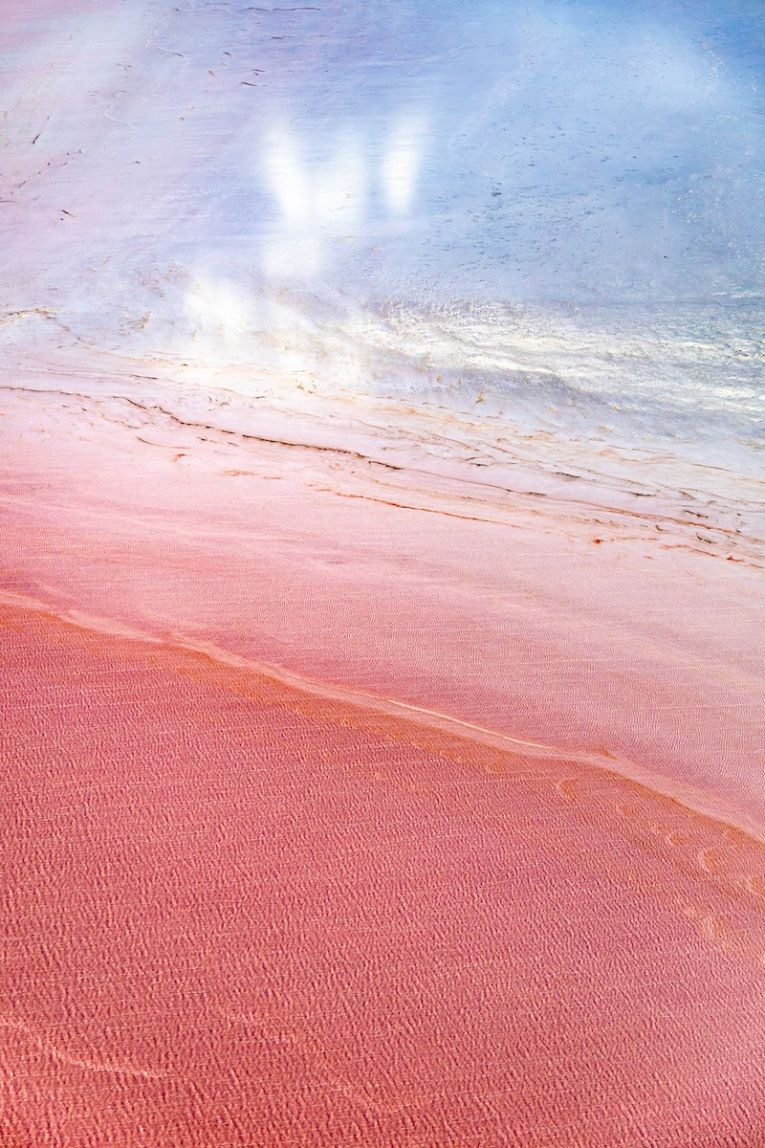
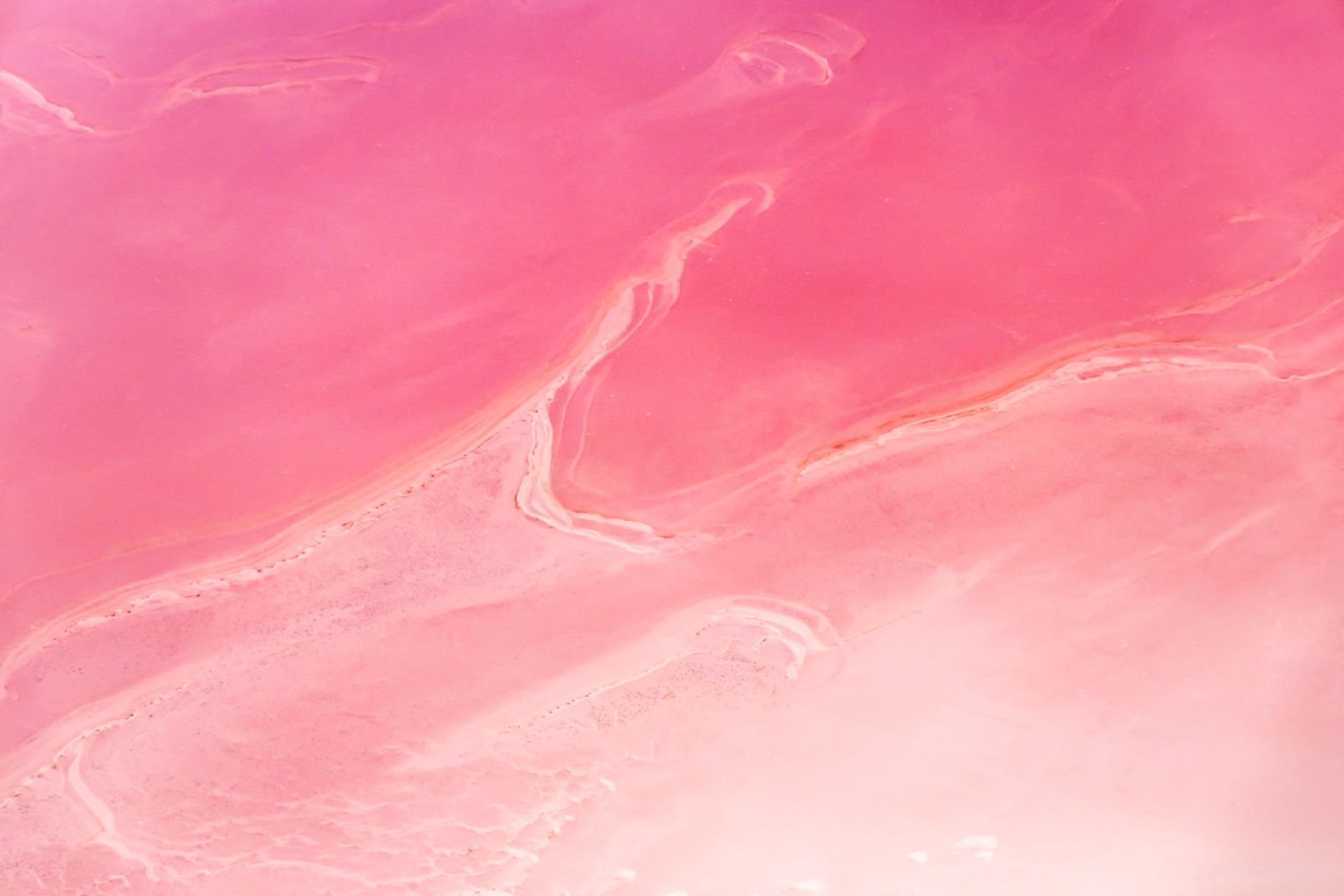
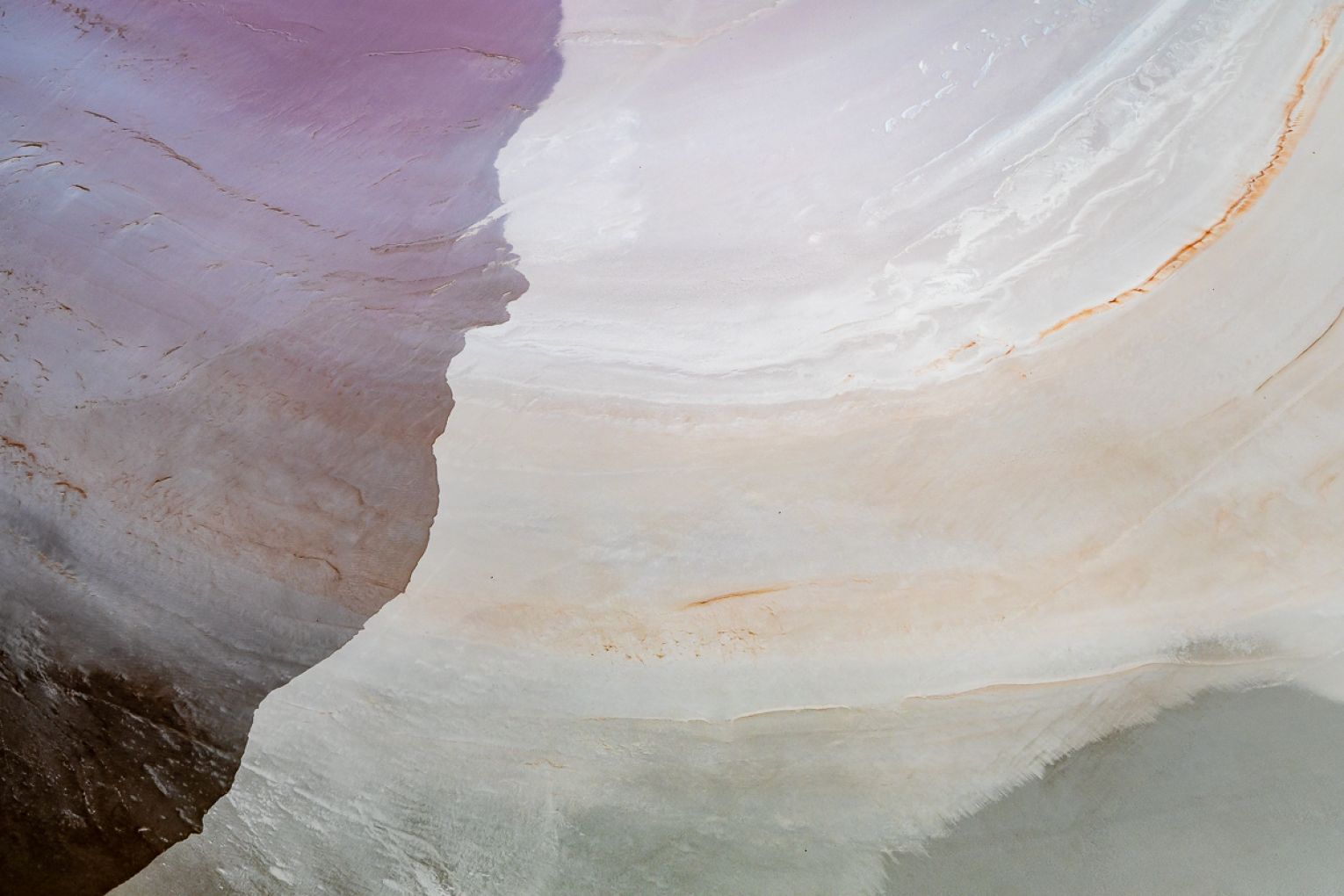
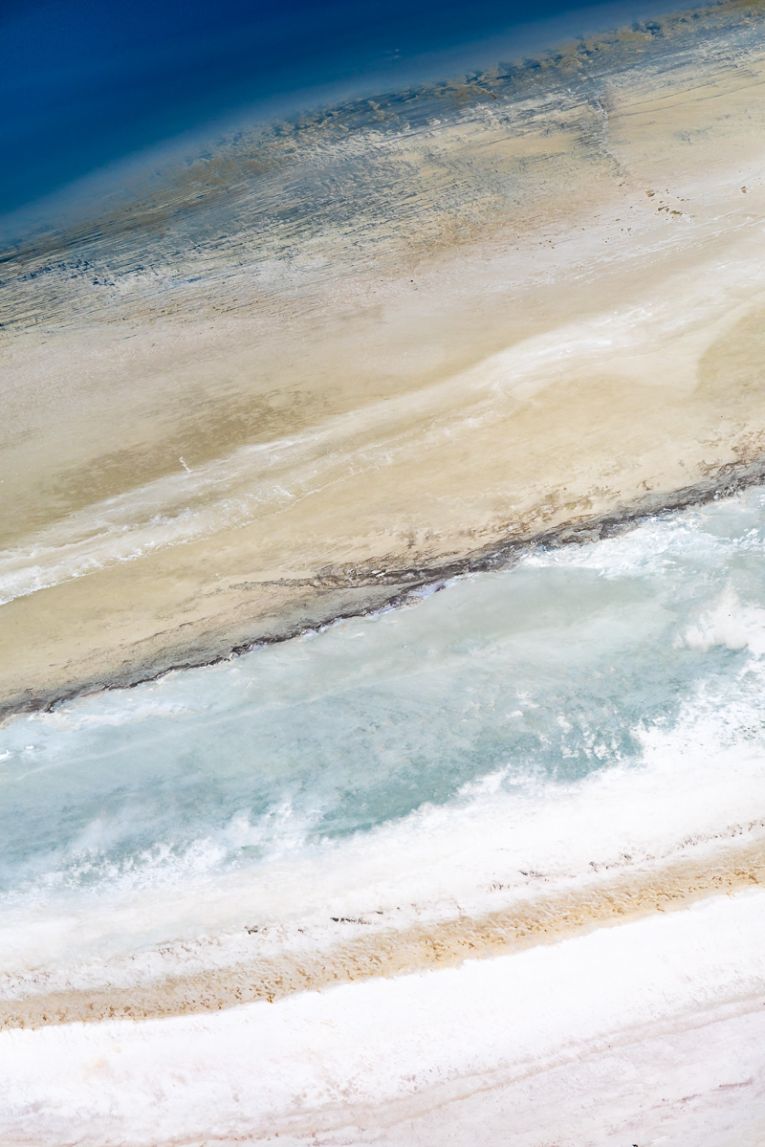
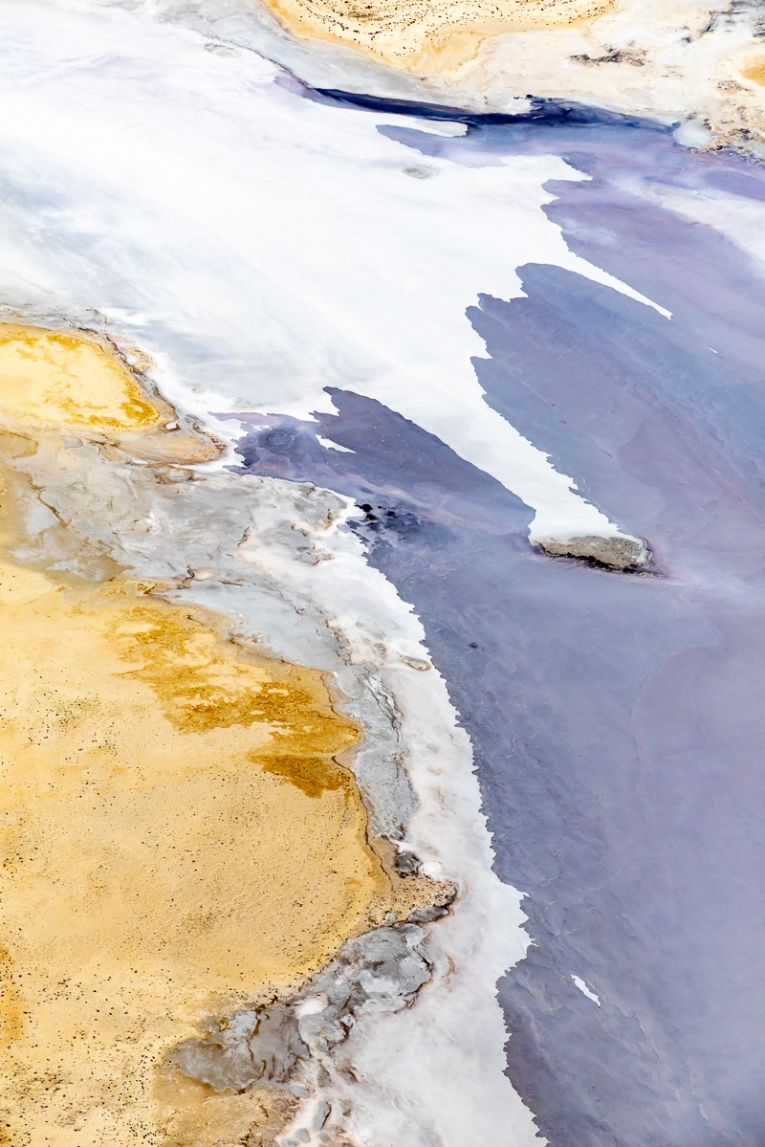
Then, we cross the threshold of a surreal blue expanse that reflects the sunrise. If this wasn’t spectacular enough, we reach the shallower sections of the lake which are deep shades of pink – a vast red sea. Visible from space, this phenomenon is caused by microscopic salt-loving algae that change colour as the water evaporates and becomes increasingly saline.
We have been flying into a strong headwind. As our pilot circles – tipping the wing for us to shoot straight down at the lake below – the wind catches the plane’s underbelly and slingshots us around like a roller coaster.
But I begin to worry. I’m not getting the iconic Lake Eyre photos I had seen in books and articles. I ask our pilot if we can please climb higher.
Thankfully, this does the trick. The coastlines and headlands are better captured from higher up, forming surreal patterns. Elon might want to get to Mars, but we have an alien planet right here in our backyard.
Could the 2026 flood surpass 1974?
In February 2026, a major rain event saturated the outback, flooding William Creek’s runways and lapping up to the door of the hotel.
“I can’t believe that we’re having two years in a row of major weather events,” Trevor says.
Many sites in the Lake Eyre Basin set records for the most rain days in February. These included Oodnadatta, which had a record 12 days of rain for that month.
With Kati Thanda-Lake Eyre still containing some water from the 2025 flooding, conditions are shaping up like those in 1974 when the lake was said to be six metres deep.
“The 2025 flooding of Lake Eyre didn’t end up being as big as ’74, but I’m now optimistic that this year, 2026, could surpass it,” Trevor says.
As climate change increases the severity of extreme weather events, outback floods have the potential to become more erratic.
“This is the first year we’ve had to sandbag around the hotel. These were onein- a-hundred-year events but now you don’t know what’s around the corner; it’s a bit of a lucky dip. I’ve thrown out the old predictions,” Trevor says.
“Something’s changing, that’s for sure.”
SALIFE was hosted by the South Australian Tourism Commission.
Want to see more stories from InDaily SA in your Google search results?
- Click here to set InDaily SA as a preferred source.
- Tick the box next to "InDaily SA". That's it.