Mandy Hall’s melting pot
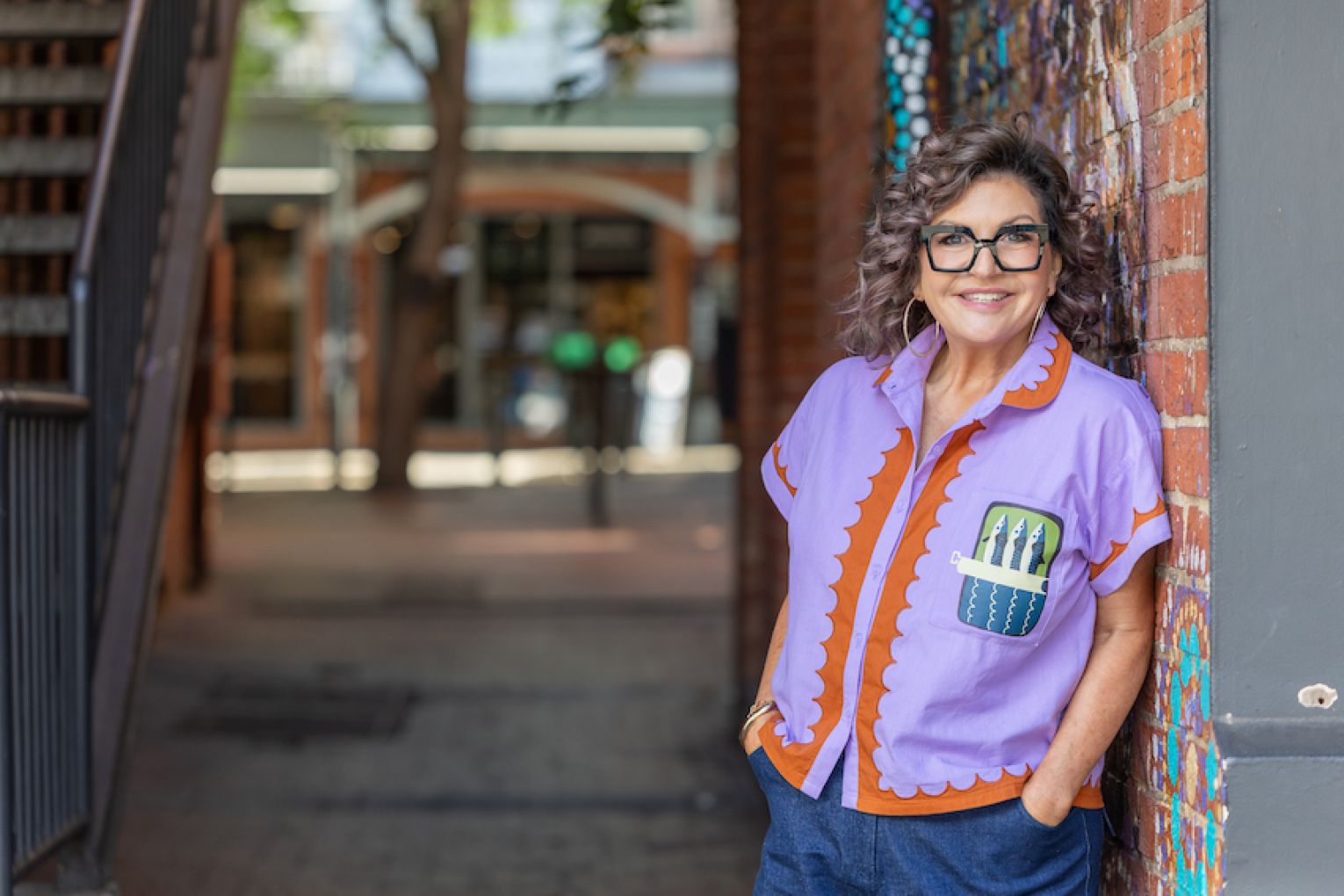
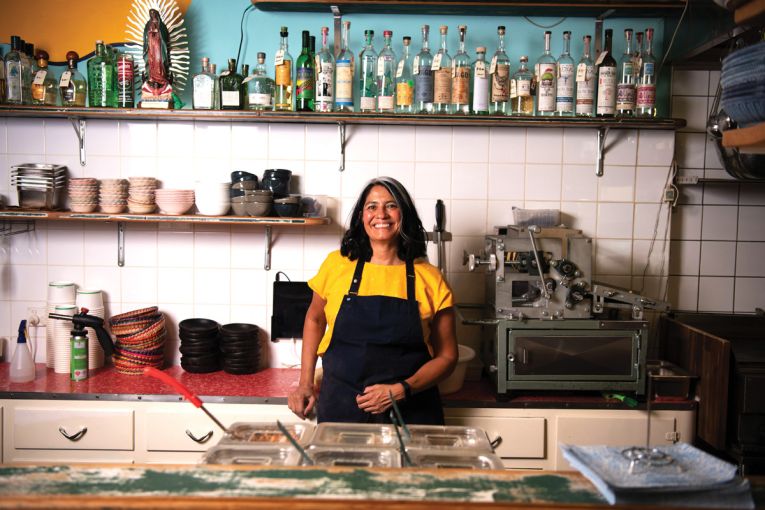
Mandy Hall’s early memories are filled with food. In this column, she shares a beautiful picture of growing up in Norwood, surrounded by the vibrancy of an immigrant culture.
Food has always been the way I make sense of the world. Not in a precious way and certainly not in a fussy way, but in the quiet, practical ways food shows up in our lives every day.
Food as connection, culture, comfort and sometimes even power. If you stop long enough to notice, food tells stories. It carries memory, place, grief, joy, resilience and care all at once.
People often introduce me as a cook, presenter, host, food advocate or sustainability voice.
All of that is true, yet at heart, I am simply someone who believes deeply in food as a force for good. Good for our bodies, good for our communities, good for the land that feeds us and good for that quiet sense of belonging we all look for in one way or another.
I grew up in Norwood when it was one of Adelaide’s great melting pots of immigrant culture. Greek, Italian and Eastern European kitchens filled the neighbourhood and on warm evenings, the smell of garlic, tomatoes and baking drifted down the street long before anyone spoke about food culture or provenance.
It was also the era when Don Dunstan lived nearby, and the suburb carried that same sense of openness to new ideas, new cultures and new flavours.
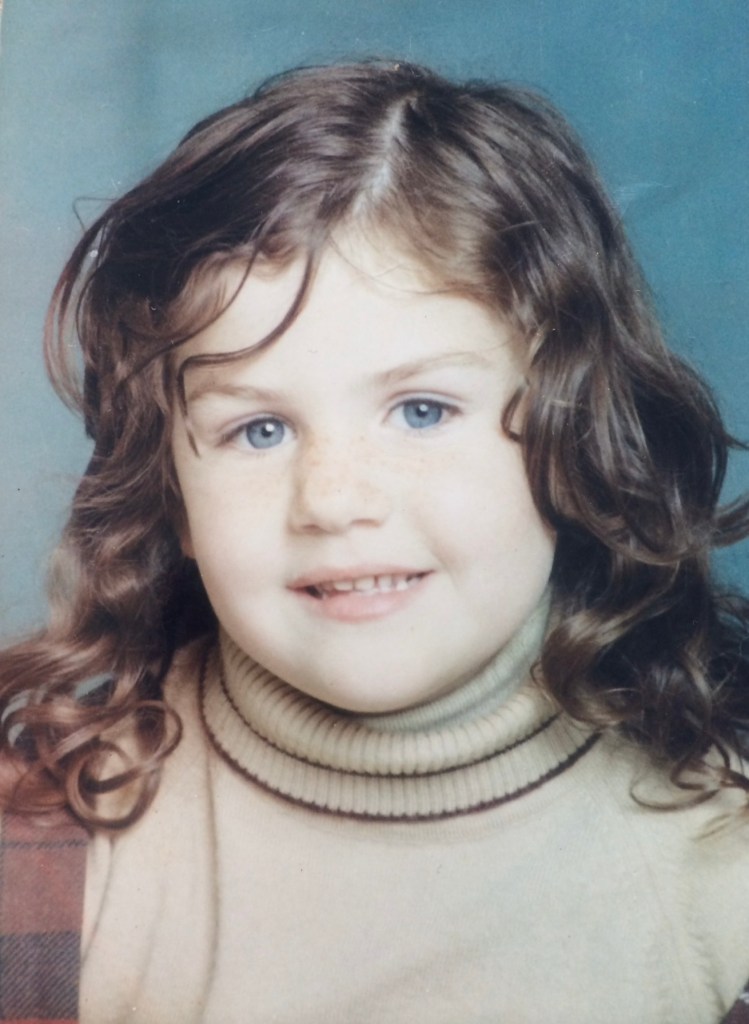
At home, I was the youngest of five children in a lively, slightly chaotic household where food was simply part of daily life.
You might like
My mother was an exceptional cook who worked in hospitality during the early gastro pub era, when pub kitchens in Adelaide were starting to take food very seriously, and later she ran the kitchen at Calvary Hospital.
Both of my grandmothers lived with us as well, one a quiet, gentle woman who nurtured through food and baking, the other vibrant and theatrical, a singer, writer and pianist who filled the house with music and personality.
Between them there always seemed to be something baking, usually tea cakes, the kind that appeared on the bench and disappeared just as quickly.
Not far from our house, on the corner of George Street and Kensington Road, stood a huge old home run by an extraordinary woman named Mrs Floriani. She always seemed to be dressed in black and, in my childhood memory at least, appeared to own half of Norwood. The house was a boarding place for men who had fallen on hard times.
was about seven and far too young to understand their stories, but I noticed how sad many of them looked when I saw them around the streets.
One weekend I quietly liberated a bar of tea cake from our kitchen and carried it up the road to Mrs Floriani’s house. I let myself in, boiled the kettle in the main kitchen and began delivering cups of tea and slices of cake to the men in their rooms as if this were the most normal thing in the world.
This continued for a little while until I was eventually caught stealing cake and had to explain my charitable operations.
Subscribe for updates
My parents were torn between mild horror and reluctant pride, which is probably a fair description of raising the youngest child in a large family.
Looking back, I suspect that was the first time I understood that feeding someone could be a simple act of care.
Food was never a trend in our house. It was simply how you looked after people, how you showed love and how you made something generous out of whatever you had available.
Somewhere along the way, I also began to notice how easily we forget that power. Food becomes rushed, wasted or disconnected from where it comes from and who made it, which is perhaps why so much of my work now sits at the intersection of food, people and impact.
I remain endlessly fascinated by how we eat and why we eat the way we do.
I care deeply about using food well, not from a place of guilt or rigid rules, but from the belief that valuing what we already have is one of the most hopeful ways we can create change.
I believe in real food. Food with a story and a source, grown, raised, baked, preserved and cooked by people who care. South Australia is rich with producers, makers, farmers and fishers doing extraordinary things, often quietly and without enough recognition, and I will always champion that richness.
Food also has a remarkable way of dissolving hierarchy. A shared table invites honesty in a way few other settings can.
Sitting down together to share a meal, or even just a bite, remains one of the simplest and most profound forms of connection we have.
I have been fortunate to work across food in many forms, from my time on MasterChef to hosting, writing, judging and working on projects that bring producers, cooks and communities together.
Through all of it the same truth continues to appear. Food matters, not as performance or perfection, but as culture, care and connection woven quietly through our daily lives.
Cook like it matters, share it generously and trust that good food has the power to shift more than we think.
I learned that early, walking up George Street with a stolen tea cake in my hand, convinced that a cup of tea might make someone’s day a little better.
Sometimes it still does.
Want to see more stories from InDaily SA in your Google search results?
- Click here to set InDaily SA as a preferred source.
- Tick the box next to "InDaily SA". That's it.