Leadership Lens: Selflessness in leadership is not martyrdom
The leaders I most admire have a clear sense of self, writes Impact100 South Australia chair Kathryn House AM. They understand their strengths, values and limits, but consistently direct that self-awareness towards something larger than their own advancement.
In an age that celebrates profile, strong opinions and visible achievement, leadership is often framed as something performed publicly—within corporations, government and large organisations, where titles like CEO or MD are used to signal authority.
Yet my work in philanthropy and community building has shown me something less visible, and far more enduring.
Leadership flourishes not in the spotlight, but in communities where people recognise a need, and act, without requiring recognition or reward.
Over many years, I’ve sat with donors, volunteers, not-for-profit leaders and emerging changemakers. In conversations, often over coffee or walking along the river, one theme returns again and again; people want to belong to something that matters. They seek connection, purpose and the chance to contribute.
At its best, leadership is the ability to make that possible.
In my experience, this kind of leadership is grounded in four qualities: authenticity, connection, selflessness and humility.
Authenticity is foundational. It is the alignment between values, decisions and behaviour, especially when no one is watching. While some sectors may tolerate a degree of inauthenticity, philanthropy does not. Donors, volunteers and communities quickly recognise when leadership lacks sincerity.
I have seen leaders with impressive CVs and fluent in the latest buzzwords struggle to create lasting impact because their values are not reflected in their actions. Initiatives may look good on paper, but they fail to take root.
You might like

By contrast, leaders who are willing to speak honestly and to be open about uncertainty, learning and even failure, create cultures where others feel safe to contribute fully. Authenticity builds trust, and trust is what sustains momentum.
Connection is often treated as a by-product of leadership and something that happens once the “real work” is done. In reality, connection is the work.
I’ve seen rooms transform when leaders of for-purpose organisations shift from speaking at their donors or clients to approaching them with genuine curiosity. Asking simple questions like “Why do you give?” or “Why do you support us?”, signals that people are seen, heard and valued.
From there, real relationships form. And it is those relationships that make space for challenge, change and shared progress.
My earliest lessons in leadership came in childhood; at home, in the classroom and on the sports field. Growing up in the early sixties, I experienced a more authoritarian style “do as I say, not as I do”. Leadership was often exercised through fear, control or hierarchy.
As educational psychologist Haim Ginott once observed, adults can become either “tools of terror or instruments of inspiration”. Both examples have stayed with me. Some of the poorest leadership I witnessed shaped my resolve about the kind of leader I did not want to be.
Later, participating in the Governor’s Leadership Foundation program was a turning point. It reinforced the importance of humility and selflessness and the responsibility to make room for others at the table.
The leaders I most admire have a clear sense of self. They understand their strengths, values and limits, but consistently direct that self-awareness towards something larger than their own advancement. They ask: “Who benefits from this decision? Who might be left out? Whose voice is missing?”
In philanthropy, these questions matter deeply. When giving becomes a performance, it rarely convinces or endures. But when it reflects genuine responsibility and awareness, it becomes transformative.
Selflessness in leadership is not martyrdom. It is the discipline of measuring success by collective wellbeing rather than individual recognition. It is not about thinking less of ourselves, but about thinking of ourselves in the right proportion.
Stay informed, daily
Humility is equally critical. The challenges facing our communities are complex, and no single leader, however capable, has all the answers. Humility allows leaders to admit this, creating space for collaboration, diverse perspectives and shared ownership.
In practice, humble leaders ask better questions, give credit generously and change course when needed. They invite forward voices that are often quieter or less visible, especially those with lived experience, and they listen.
My work in philanthropy has convinced me that giving is not simply a financial act. It is a mindset.
To give is to recognise that our resources, networks, skills and experience can all be placed in service of something beyond ourselves. When leaders adopt this mindset, organisations begin to shift. Meetings become spaces of contribution rather than competition. Strategy becomes about impact, not image.
This kind of leadership is not without challenge. It requires courage to take risks and relinquish control. Authenticity demands vulnerability. Connection takes time. Selflessness runs counter to systems that reward ego and visibility. Humility asks us to sit with uncertainty and to silence our ego.
But the alternative is leadership that leaves people disengaged, unheard and unwilling to contribute. We cannot address complex problems with models built purely on control.
When leaders anchor themselves in authenticity, connection, humility and a spirit of giving, organisations and communities grow stronger and kinder.
And when communities grow stronger, leadership becomes not a title held by a few, but a capacity shared by many.
That is the kind of leadership our times are calling us toward—authentic, humble, relational and grounded in service.
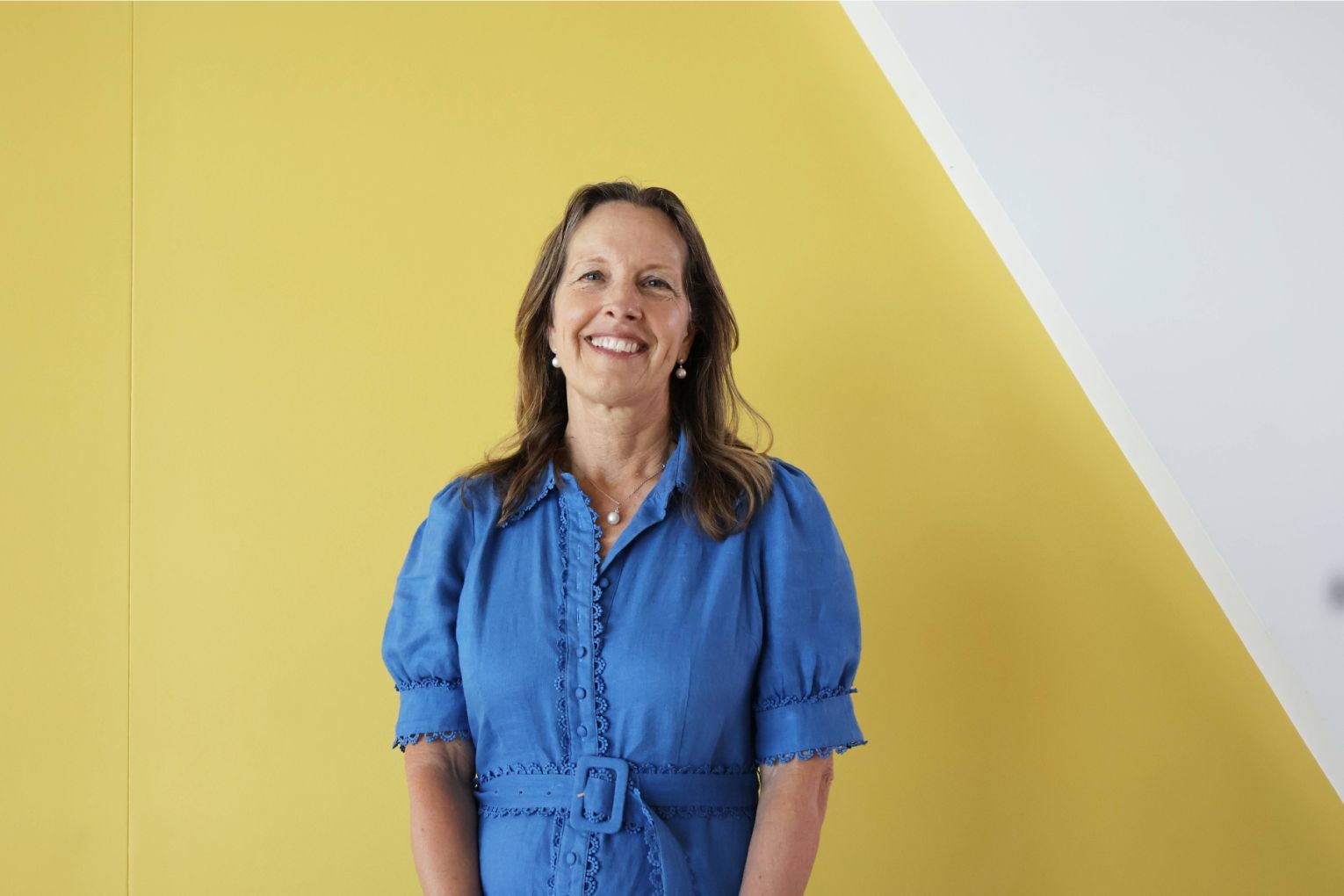
Kathryn House AM is a South Australian leader in collective giving and community philanthropy. A former educator and administrator, she now focuses on growing giving and strengthening community connection in our State.
Kathryn is Chair of Impact100 South Australia, and Young Impact, collective giving circles that work to raise the profile and capacity of grassroots charities. She is an active volunteer in our community and serves on the boards of Zoos SA, Grandcarers SA and SAHMRI. Kathryn is also a community ambassador for Catherine House and co-founder of Powerful Women. She was appointed a Member of the Order of Australia in 2020 for her service to the community. Kathryn was awarded the Leaders Institute of South Australia’s 2025 Dennis Mutton Award for excellence in leadership beyond self.
Leadership Lens is a monthly column produced alongside the Leaders Institute of South Australia. Click here to read the series.
Want to see more stories from InDaily SA in your Google search results?
- Click here to set InDaily SA as a preferred source.
- Tick the box next to "InDaily SA". That's it.