Why SA’s energy is being hailed as a global model
As debate continues in Australia over its energy future and the importance of renewables, some are pointing Down Under as a model for the US to follow – with praised heaped on one state, US columnist Juan Cole writes.
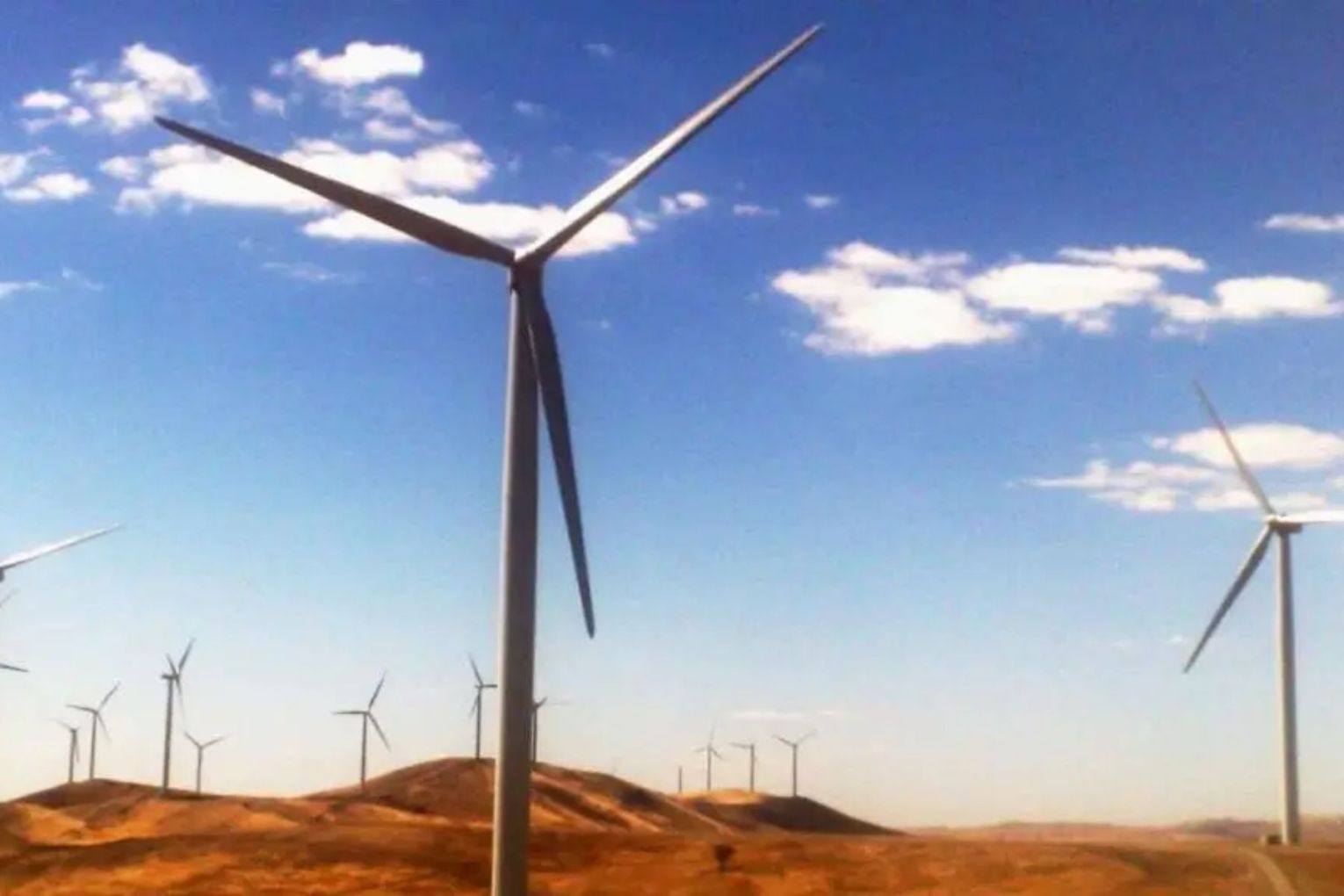
The government of South Australia announced recently that its wholesale electricity price fell in the fourth quarter of 2025 to $37 (US$26.22) per megawatt hour (/MWh)
That’s among the lowest wholesale electricity prices in all of the continent of Australia. The reason the price is so low is because South Australia has a lot of wind, solar and battery power, and output was high late last year.
That price amounts to US2.6 cents per kilowatt hour. The average cost of electricity in the US is roughly US17 cents per kilowatt hour, because it is mostly generated by expensive, dirty, planet-wrecking fossil fuels.
So here’s the thing – in the third quarter of last year, the price of wholesale electricity was A$104/MWh.
That’s right. In one three-month period, the price fell by a third.
It was not a matter of usage falling off. The SA government says “underlying demand in South Australia ticked up by 1.2 per cent to a fourth quarter record high of 1624 MW”.
You might like
Of course, how the fall in the price of wholesale electricity gets translated into consumers’ home electricity bills is politics, not engineering.
Some 74 per cent of South Australia’s electricity consumption is provided by renewables, and the state plans to make that 100 per cent by 2027, in only two years.
Wind, solar and battery generated 100 per cent of the state’s electricity for 99 days (27 per cent of the time) in 2024, the last year for which full data are available as yet.
Some 50 per cent of homes in the state have rooftop solar. South Australia has been a pioneer in mega-batteries combined with its solar generation.
Australia as a whole has 3 gigawatts of battery storage capacity.
South Australia needs more battery build-out to smooth out the excess generation from rooftop solar at noon and during early afternoon, which has been producing negative energy pricing, forcing utilities to pay people to take their electricity.
Stay informed, daily
South Australia, despite its small population of about 2 million, is widely seen as a demonstration project for what the renewables revolution can mean for the lives of people in the industrialised democracies.
Its Labor government has been committed to the project. Only a decade ago, most of its electricity was coal-generated.
Alas, its Liberals are campaigning on more fossil fuels.
Since so much of the progress was grassroots, with people just installing solar panels, the transformation seems difficult to halt or even slow substantially.
What the state is showing us is that wind, solar and battery power, when combined, are extremely inexpensive.
Moreover, there is every prospect of solar panels becoming cheaper, more efficient and less bulky over the next decade as scientific research burgeons.
Renewables are already much less expensive than fossil fuels.
It is true that because they are a new source of energy, they are attended by construction costs, whereas old coal and gas plants built years ago have already sunk that cost.
But wind and solar are now so cheap that in many localities it is less expensive to build a new solar farm and operate it than just to keep an old gas or coal plant in operation.
Since South Australia is demonstrating that wind, solar and battery can cause the wholesale price of electricity to plummet, it is also pulling the curtain from the Trump administration’s con game in the US.
By using the might of the federal government to bolster coal and gas, US President Donald Trump and his minions can keep expensive and dangerous sources of power in place, making Americans pay more for their electricity and arranging for their money to line the pockets of his Big Carbon campaign donors.
If fossil fuels were competitive, Trump wouldn’t have to try so hard to stall permitting for new wind and solar projects.
Juan Cole is a novelist and academic at the University of Michigan
Want to see more stories from InDaily SA in your Google search results?
- Click here to set InDaily SA as a preferred source.
- Tick the box next to "InDaily SA". That's it.