Opinion: SA doctors sound alarm on kids’ mental health as social media ban kicks in
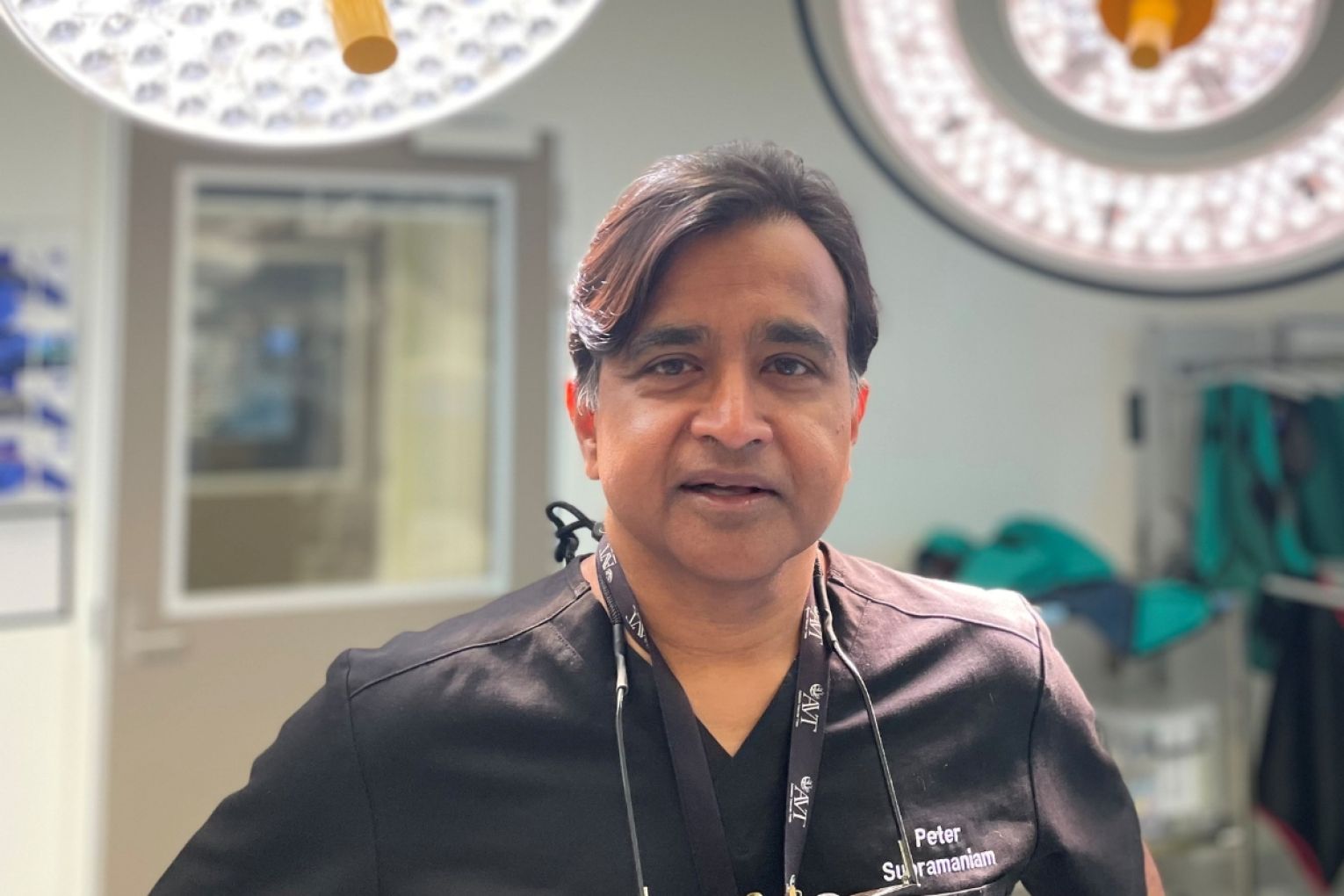
Health experts are seeing more SA children suffering from a raft of serious medical conditions linked to social media and a ban alone will not protect them, argues the state’s Australian Medical Association chief Peter Subramaniam.
Australia’s decision to ban social media accounts for children under 16 is a bold and necessary step that demonstrates the importance our leaders place on the health and wellbeing of young people in this country.
But the evidence is clear: a ban on social media alone will not protect young people from the mental health harms we are seeing.
South Australian GPs, paediatricians, psychiatrists and other clinicians with specialist expertise in child and adolescent health are sounding the alarm.
They are seeing young patients who report anxiety, sleep disruption, cyberbullying, body image concerns and compulsive online behaviours linked to social media use. These are the real effects on real young South Australians.
The evidence that has led to the ban is indisputable. Social media platforms exploit the adolescent brain’s heightened sensitivity to reward, using algorithms and design features that encourage compulsive use. These dopamine-driven feedback loops mimic those of addiction.
You might like
Frequently, the algorithms promote content that leads young people to dangerous sites and includes harmful comparisons that can increase anxious thoughts and depression. They reward patterns of compulsive use that place adolescent mental health at risk.
The under-16 ban provides an important buffer during a period when the adolescent brain is developing.
But the ban does not prepare young people for the moment they turn 16, when they suddenly can face and participate in social media, nor does it address the needs of those who will inevitably find workarounds.
We need a comprehensive public health approach that recognises the problems that may emerge with this ban and helps those affected by it – young people, friends, parents and teachers.
Stay informed, daily
We need platform accountability, including redesign of addictive features for minors and transparency around algorithms.
We need a focus on digital literacy in every school, with resources designed to attract and educate young people, to increase understanding of how online environments can shape knowledge, behaviour and wellbeing.
We need support for families struggling to understand technologies they did not grow up with and that are evolving at a breakneck pace. And we need more youth mental health services, in urban and regional centres, because we can expect that more awareness will lead to more, often desperate, calls for help.
The social media ban for under 16-year-olds is one plank in a coordinated effort to protect young minds.
South Australia deserves credit for its leadership in this area, starting with the government-initiated Social Media Summit, in which AMA SA participated, in October 2024.
Other steps are also important, such as initiatives to support those on the autism spectrum and with attention-deficit hyperactivity disorder. In addition, the physical and clinical service design of the new Women’s and Children’s Hospital is a generational opportunity for the next government of South Australia to ensure that young people and their families are well served for decades to come
South Australia’s doctors are ready and able to support smart, people-focused policy and investment that protect, support and nurture young people and allow them to develop and thrive.
Associate Professor Peter Subramaniam is the Australian Medical Association of South Australia president.
Want to see more stories from InDaily SA in your Google search results?
- Click here to set InDaily SA as a preferred source.
- Tick the box next to "InDaily SA". That's it.