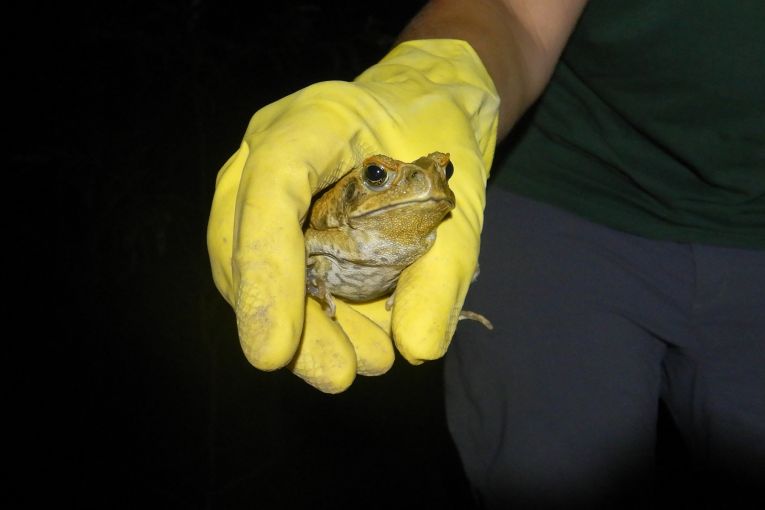
‘Do not kill’: Warnings after cane toads found in SA
South Australians are being urged to be on cane toad watch after two of the invasive species were spotted hopping around SA.
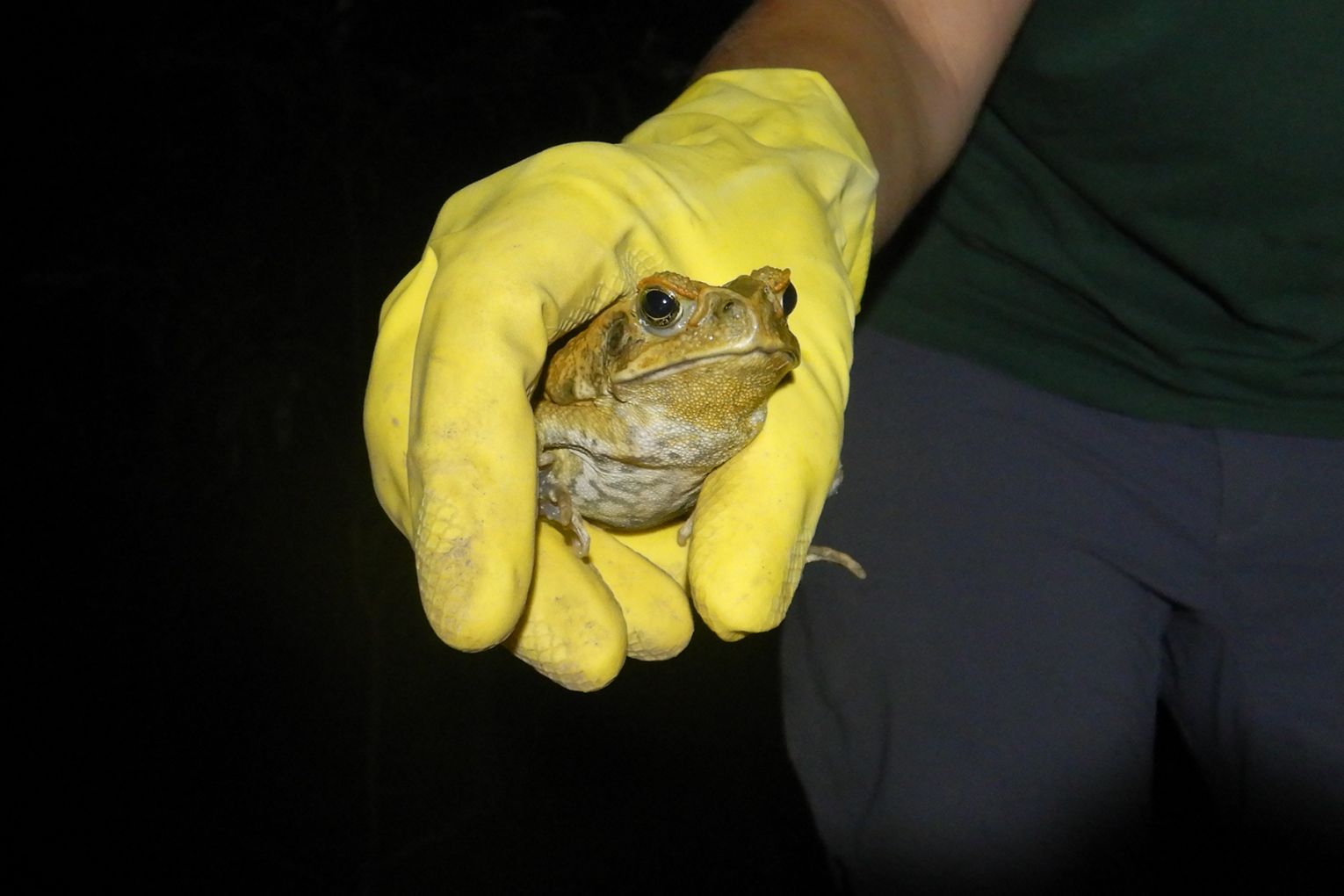
South Australian drivers are being asked to check their cars for “unwanted hitchhikers” and report any suspected sightings of cane toads – an invasive pest that can be deadly to animals that try eating them, including dogs and native wildlife.
Warnings are being issued after a member of the public reported a cane toad spotted hopping along Grange Road in Grange to the Primary Industries and Regions Department.
The toad was found and removed overnight by biosecurity teams who searched the area with spotlights.
It was the second sighting of a cane toad in South Australia in about a month, following another spotted in Whyalla, which was also found and removed.
Primary Industries Minister Clare Scriven said it was a “huge relief” that it had been removed “because the last thing we want is this destructive pest becoming established in South Australia


“Cane toads have been causing problems for Australia’s environment, wildlife and pets for many years, particularly in northern Australia,” Scriven said.
Scriven said she did not want cane toads to become established in South Australia, and currently, while a small number are detected each year, they do not have wild populations in SA.
Cane toads were introduced from Hawaii to Queensland in 1935 to control cane beetles, they failed to control the beetles and have spread across much of northern and eastern Australia wreaking havoc on the environment with population estimates as high as 200 million, according to the World Wildlife Fund.
“If you’re travelling to the Northern Territory, Queensland or other areas where this pest species is known to be established, make sure you check your vehicle and luggage before the return trip and double-check when you arrive,’ Scriven said.
Cane toads produce toxins that can be fatal to animals that attempt to eat them. The pest can be mistaken for native frogs, including the harmless eastern banjo frog, Scriven said.
Stay informed, daily
The state government said if you see a suspected cane toad, “do not kill it”.
It recommended taking a picture and reporting the find to the pest alert hotline or the Department of Primary Industries’ Invasive Species Unit which is monitored by biosecurity officers who can confirm if it is a cane toad and give advice about what to do next.
The advice was to contain the toad in a plastic container with about one centimetre of water, and authorities said people who touched the toad should wash their hands afterwards.
If a cane toad is spotted in SA, the Pest Alert Hotline can be contacted on 1800 084 881.
Want to see more stories from InDaily SA in your Google search results?
- Click here to set InDaily SA as a preferred source.
- Tick the box next to "InDaily SA". That's it.