COP flop backlash as Pacific nations vow to work with climate ‘doers’
Pacific nations are forming their own climate coalitions after talks led by Climate Change Minister Chris Bowen collapsed in Turkey, leaving Australia reeling.
The fallout from a no-deal climate meeting is extending from Canberra’s Parliament House to the shores of Tuvalu, as Pacific leaders struggle to grapple with the rising threat of global warming.
A failure to mention fossil fuels’ climate impact torpedoed the COP31 summit’s draft agreement, giving Australia a black eye after it lobbied hard to host the talks and voice Pacific concerns.
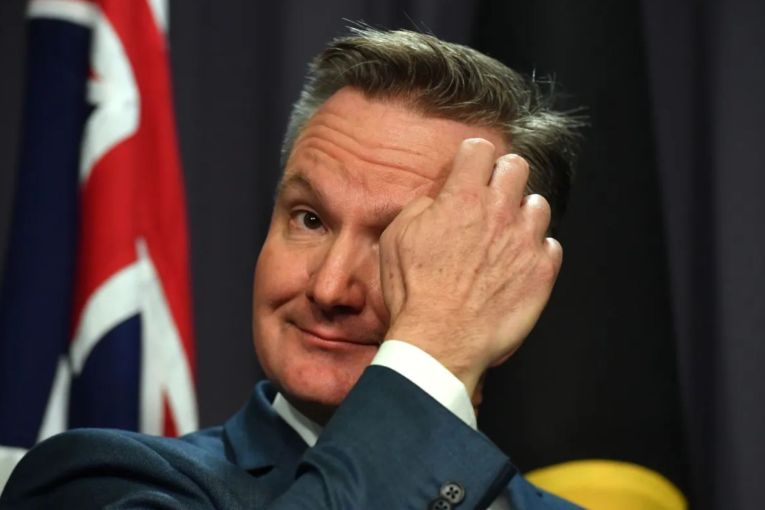
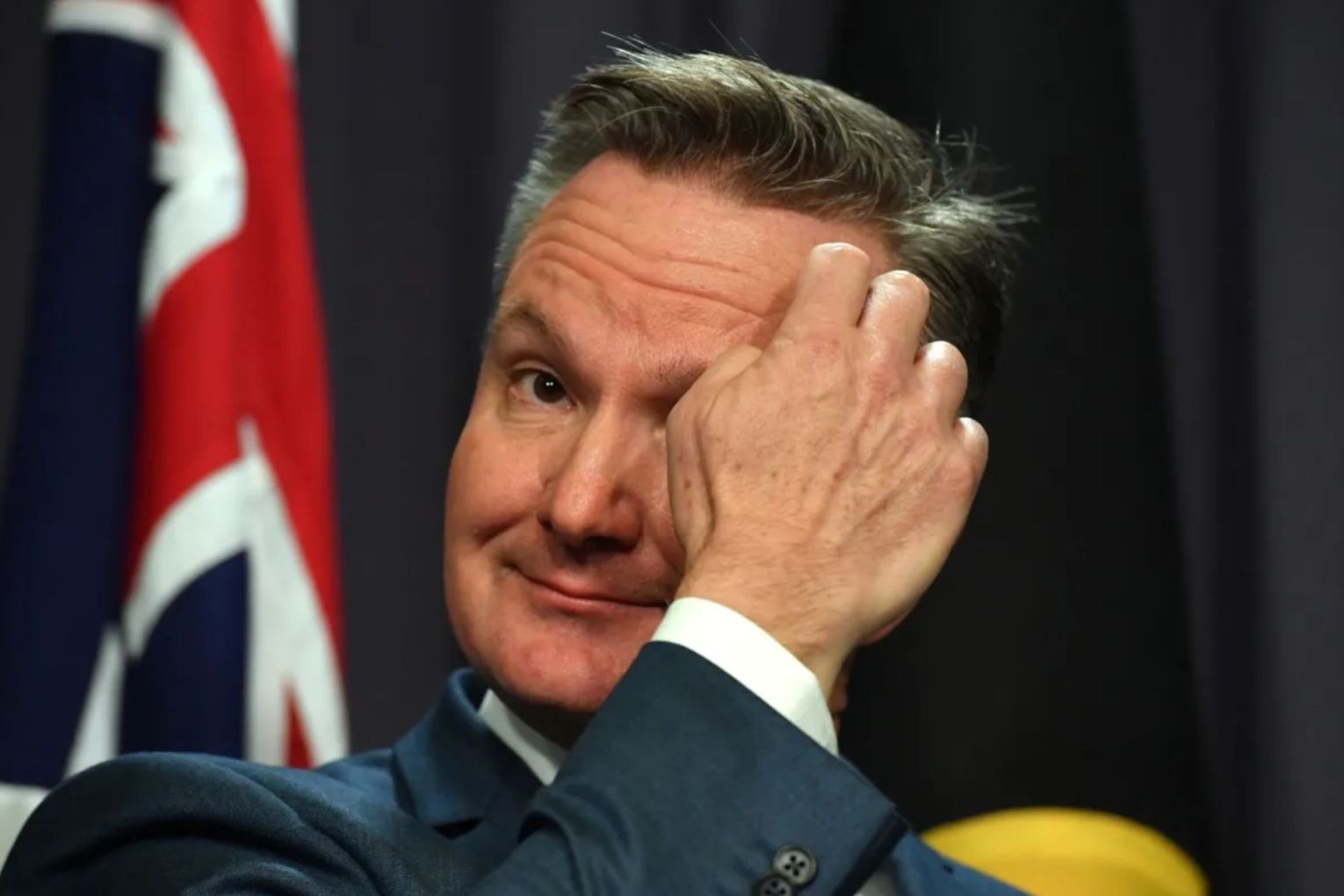
The collapse came despite Australian Climate Change Minister Chris Bowen leading the negotiations.
“Tuvalu cannot accept this as the final scenario, as a matter of survival,” Tuvalu Climate Change Minister Maina Talia said in a statement after negotiations collapsed.
“We will not allow inaction and obstruction to dampen our resolve. We will advance where we can with those willing to show up.”
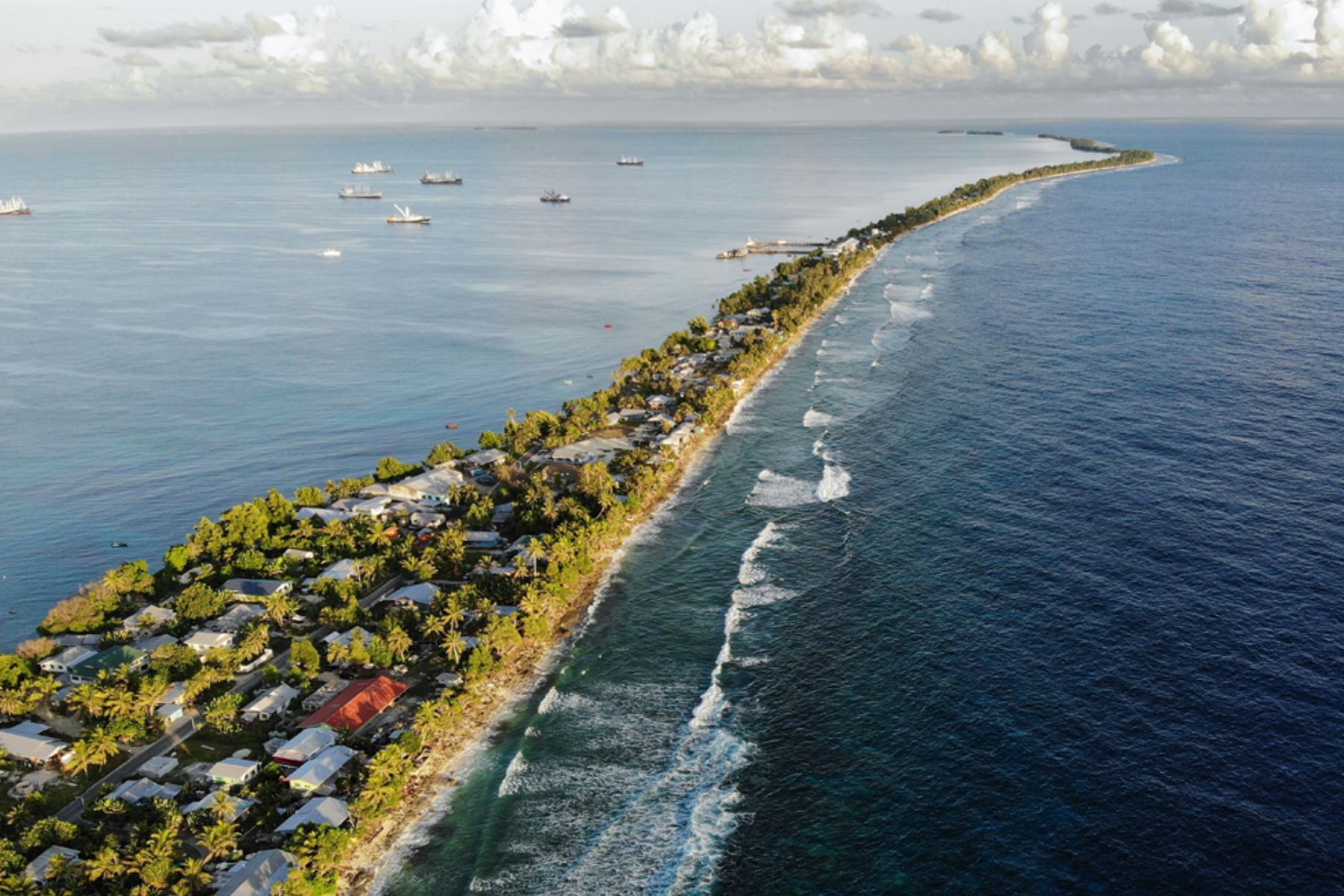
But Talia is one of 19 Pacific climate leaders now needing to work out their own way forward as rising tides threaten the islands’ shores.
Many of the nations will form their own, smaller, coalitions to tackle the issue.
You might like

At home, Australia’s leadership has been slammed as a failure and a waste of taxpayer money.
Nationals leader Matt Canavan compared it to the failed Voice referendum, which cost about $300 million to return the status quo.
“This term now, they’ve spent $150 million presiding over the biggest failure in climate change policy since Kevin Rudd in Copenhagen in 2009,” he told News24, referring to the last COP summit that failed to generate a deal almost two decades ago.
Foreign Minister Penny Wong said conferences like COP were hard to strike a deal at, given they require consensus.
“If one party holds out, or if a small minority of countries don’t want to agree, then you don’t (get an agreement),” she told ABC’s 7.30.
But Australia leading the conference’s negotiations also sat uncomfortably with Pacific allies, University of Canberra environment expert Sotiris Vardoulakis said.
“We should be taking some of the blame as a fossil fuel exporting country (as) one of the major exporters of coal and gas,” he said.
Prof Vardoulakis added Australian domestic policy’s contradiction with its climate ambitions had long plagued the nation’s standing in the region.
“The lack of consistency between climate diplomacy and export policies in Australia … that will be concerning for Pacific countries,” he said.
Part of the co-hosting deal Australia eventually landed on with Turkey involved a pre-COP meeting in Fiji and Tuvalu to showcase rising sea levels.
Stay informed, daily
Despite poor attendance at the preliminary event, the Pacific region remained central to conversations in Turkey, according to ANU researcher Llewelyn Hughes.
“I felt like they were positioned as the conscience of the negotiations, given the existential risk countries like Tuvalu are facing,” Prof Hughes told reporters after attending the summit himself.
He said the COP meetings still hold an important role in drawing up alliances even if consensus is increasingly difficult to achieve.
“Where we ended up looks a bit different to where we would have ended up if Australia had actually run this rather than run it in partnership with Turkey.”
Talia was optimistic other summits would prove more fruitful.
“Next year, Tuvalu and Ireland will host the Second Conference on a Just Transition Away From Fossil Fuels with a growing coalition of doers,” he said.
“It is moving beyond debating whether fossil fuels are simply mentioned in a text, to creating detailed plans for a global transformation.”
Fijian Climate Minister Lynda Tabuya was deeply disappointed an agreement wasn’t reached but acknowledged Bowen’s burden.
“You have tried your utmost best, and we have seen it,” she told the summit on Sunday.
“The failure here is not yours to carry. It is the responsibility of all parties.”
The Marshall Islands delegation was less charitable.
“We will not be forced to accept false solutions. We will not compromise our future to benefit fossil fuel interests. We will not accept an outcome that undermines our security and threatens our future,” its representatives said.
-with AAP
Want to see more stories from InDaily SA in your Google search results?
- Click here to set InDaily SA as a preferred source.
- Tick the box next to "InDaily SA". That's it.