Water key to unlocking regional SA’s $115 billion investment pipeline
Regional Development South Australia is calling for a coordinated approach to water planning and infrastructure investment, warning supply constraints could put thousands of jobs, housing and major projects at risk.
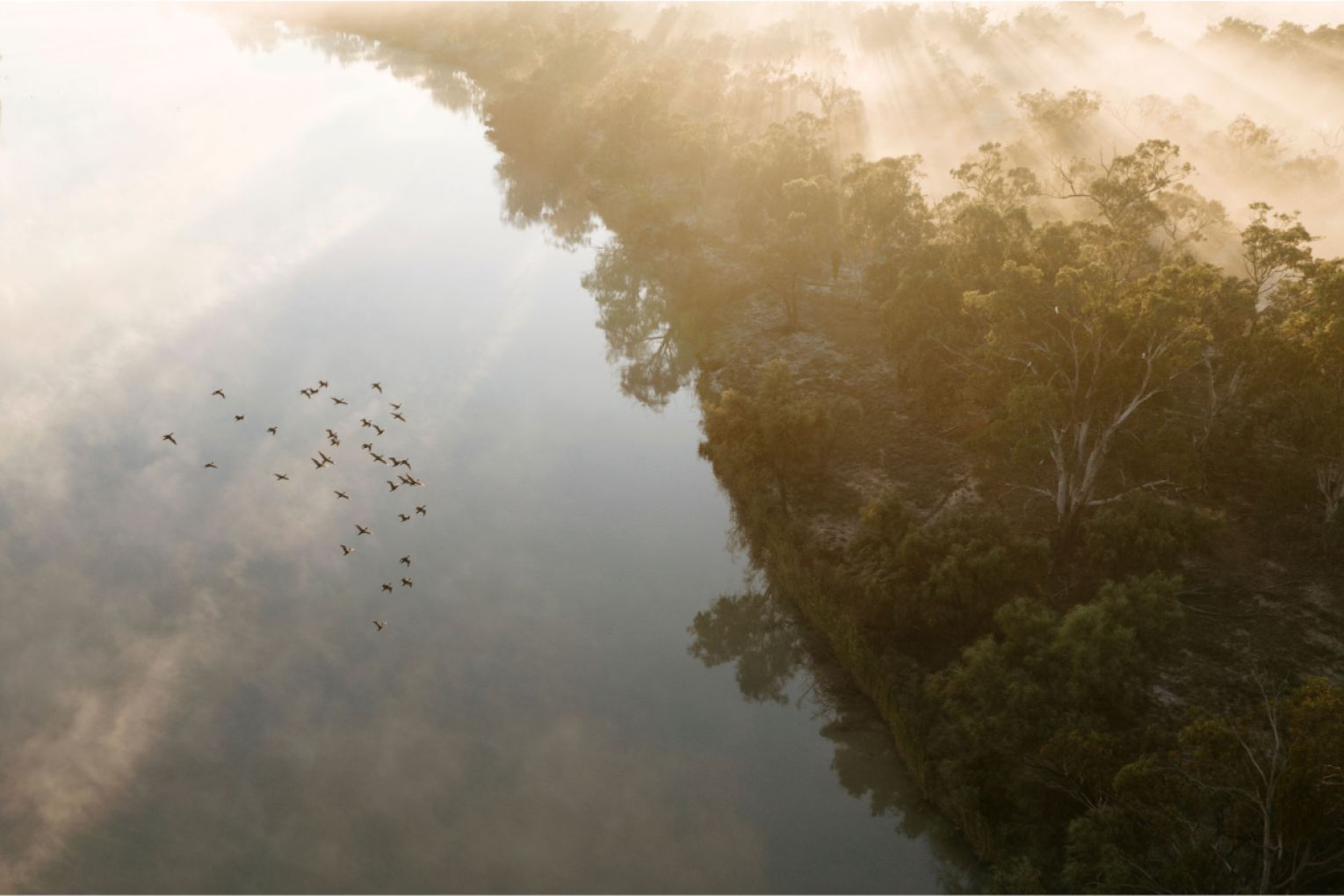
Water security will be critical to unlocking regional South Australia’s $115 billion investment pipeline, with the state’s peak regional development body identifying it as the most pressing priority for the next two years.
Regional Development South Australia (RDSA) has placed water at the top of its Strategic Priorities 2026-28, alongside infrastructure, business capacity and economic diversification, as it seeks to ensure the regions can capitalise on a growing pipeline of public and private investment.
The organisation’s Regional Blueprint 2026 identifies more than 1100 projects worth more than $115 billion across regional South Australia, an 18 per cent increase in the pipeline over the past year.
Energy and water infrastructure account for about $69 billion – roughly 60 per cent of the total – followed by construction at $14.6 billion, manufacturing at $11.3 billion and mining at $5.6 billion.
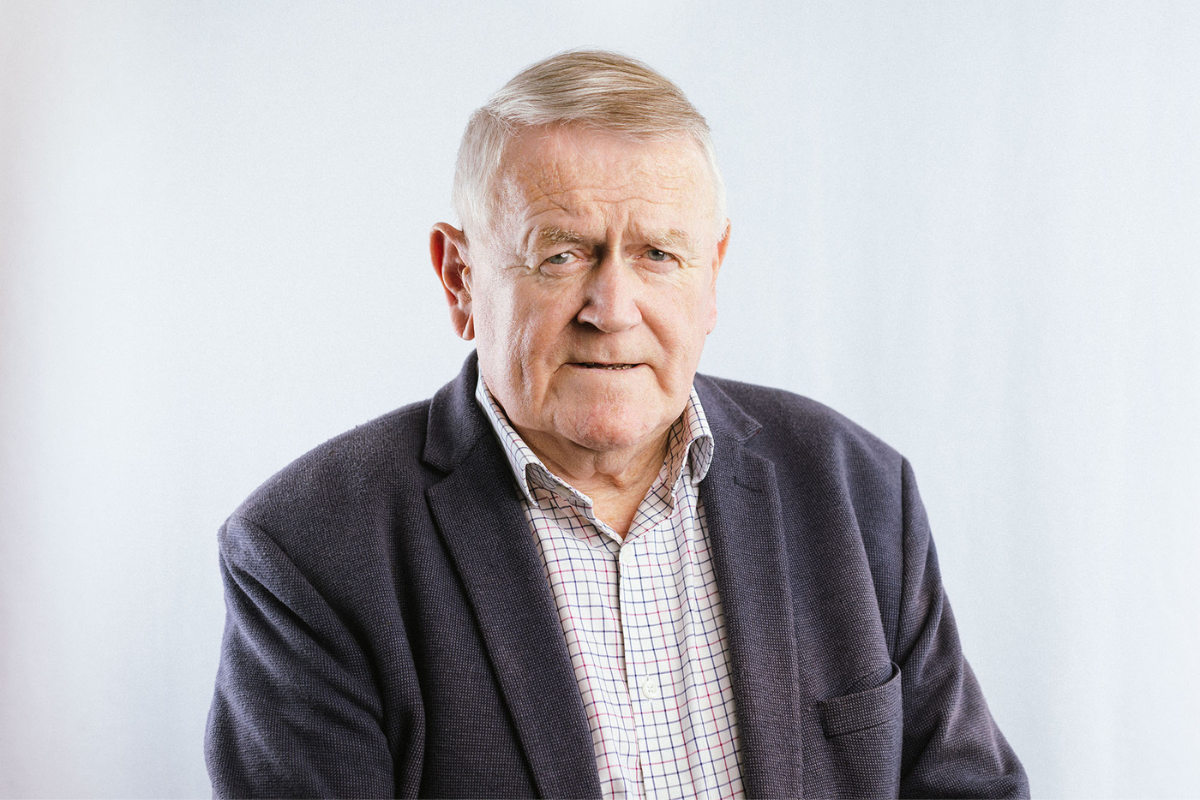
RDSA Executive Chair, the Hon Rob Kerin AO, says renewable energy, critical minerals and adding value to primary industries, including premium food, beverages and fibre, represent some of the greatest opportunities for regional growth.
“The overarching opportunity in the regional economic investment pipeline is its potential to create a lasting legacy for regional communities and economies: stronger local suppliers, more skilled local jobs, and more investment retained in regions,” Kerin says.
But he warns that realising this potential will depend on having the essential infrastructure and resources in place, particularly reliable water supplies.
“Without water, regional South Australia cannot deliver the housing, industry growth and jobs it needs.
You might like
“Agriculture, food and wine, manufacturing, mining and clean energy all depend on it, as does housing for new residents and workers. The region’s investment pipeline of more than $115 billion can translate into jobs and growth only if water and other enabling utilities and infrastructure are in place.”
The challenges vary significantly across the state, from drinking water quality and remote communities reliant on carted supplies to declining groundwater levels and limited network capacity for major industrial developments.
In the Far North, drinking water quality issues in Quorn, Melrose and Wilmington are affecting community services, including health, while outback communities such as Andamooka, Yunta and parts of the APY Lands continue to rely on carted water.
On the Limestone Coast, which generates about a third of South Australia’s agricultural exports, aquifer levels in some areas are declining overall.
Riverland growers, particularly wine grape producers, are also facing financial pressure alongside projected declines in water allocations.
Kerin says reliable water supplies are essential not only to protect existing industries but to support their future development.
“Reliable, accessible and secure water across regional SA is essential to sustain and grow primary industries, increase value-add in key state export sectors, and to maintain our food security,” he says.
Meanwhile, across the Upper Spencer Gulf, renewable energy, mining and processing projects depend on expanding the capacity and reach of existing water networks.
On Eyre Peninsula, constraints around pipes and pumping capacity are restricting investment and the development of worker housing needed to support major projects.
The new Eyre Peninsula desalination plant and the Northern Water project, which remains subject to a final investment decision, are important steps towards meeting demand. However, Kerin says connections must also reach towns and development opportunities currently outside existing networks.
Housing growth is another area being affected, with unresolved water and sewer connections already delaying development in some designated regional growth areas.
RDSA is calling for a whole-of-system approach to water planning, with infrastructure investment decisions taking into account the long-term economic value water enables rather than focusing solely on short-term cost recovery.
Kerin says the organisation is proposing a 20 to 30-year assessment horizon for regional water infrastructure, factoring in the jobs, housing, new industries, royalties and tax revenue that investment can generate.
“Water investment decisions need to reflect the long-term economic value they unlock, not just short-term cost recovery,” he says.
“That means treating water as foundational economic infrastructure and planning potable, recycled, stormwater, groundwater, wastewater and industrial water as one connected system, aligned with regional growth plans and investment pipelines.”
RDSA has outlined three key requests to government: greater involvement of Regional Development Australia organisations in long-term water planning, improved access to information about network capacity, demand and supply, and investment settings that better reflect the economic returns of regional infrastructure.
Kerin says regional development organisations are well placed to provide local insight into the challenges facing communities and businesses.
“Our RDAs are embedded in their communities and see these pressures early,” he says.
RDSA wants regional organisations involved in shaping decisions through SA Water’s Water for Future Generations program, water resource planning, growth planning and infrastructure sequencing.
It is also seeking structured data-sharing arrangements to give regional councils, businesses, developers and investors clearer information about available network capacity and future supply.
The Hon. Clare Scriven MLC, Minister for Primary Industries and Regional Development, reinforces the value of this intelligence. “The SA Government values RDSA and the RDA network as constructive partners, playing a key role in facilitating informed dialogue on the issues shaping the future of regional South Australia,” she says.
By 2028, Kerin says success would mean more certainty for investors and developers, better regional input into water planning and new financing and risk-sharing models for priority infrastructure projects.
But the broader ambition is to ensure major investment delivers lasting benefits for regional communities, rather than relying on external workforces and supply chains.
“That requires an intentional approach to early planning and coordination, so projects build local capability to reduce reliance on fly-in, fly-out workforces and supply chains,” he says.
“With Gross Regional Product of around $38 billion and more than $115 billion in the regional investment pipeline, the stakes are high.
“We’re advocating for water planning and investment decisions to reflect the long-term value created not just for the regions, but for the whole state.”
Ultimately, RDSA wants to see more of the investment already planned for regional South Australia translate into local jobs, stronger businesses and growing communities.
“When our regions thrive, the whole state benefits,” Kerin says.
Want to see more stories from InDaily SA in your Google search results?
- Click here to set InDaily SA as a preferred source.
- Tick the box next to "InDaily SA". That's it.