‘Orwellian’: Jewish group pushes back on envoy report
A report identifies progressive anti-Semitism as the most pervasive form facing Australia but not all Jewish groups agree, with one labelling it “Orwellian”.
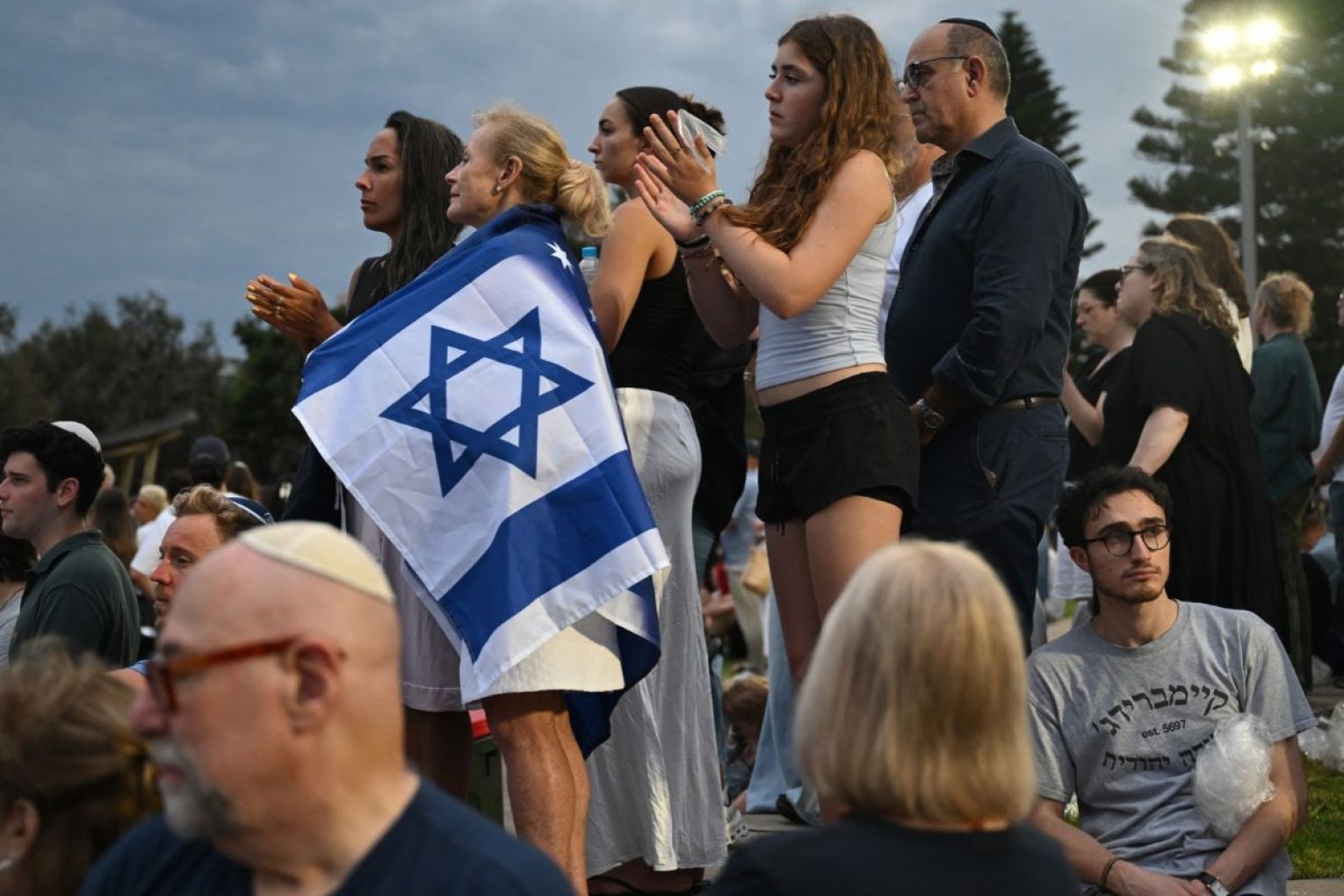
Some Australian Jews could themselves be labelled anti-Semitic under the definitions presented in a new report, one group says.
The report released on Friday by Australia’s Special Envoy to Combat anti-Semitism, Jillian Segal, identified “progressive” anti-Semitism as the most pervasive form facing the country.
“Islamic extremist, far-left and far-right anti-Semitism are still very much with us,” Segal said.
“But the form that is leaving Jewish Australians increasingly anxious and excluded is the one that has taken root in influential institutions, where Jewish Australians are being discriminated against, blamed and vilified for the actions of the government of the State of Israel.”
Segel stressed, however, that criticism of Israel similar to that levelled against any other country was not anti-Semitic.
You might like


Executive officer at the Jewish Council of Australia, Bart Shteinman slammed the report, calling it “Orwellian” and saying it does not represent the views of all Jews.
“This updated report from the Special Envoy is so misguided, conspiratorial and frankly Orwellian that it’s hard to know where to start,” he said.
“The report does little to mask a right-wing ideology that will go to incredible lengths to silence those drawing attention to Israel’s genocide in Gaza.
“The Australian Government would do well to remember that the special envoy does not speak for all Jews, many of whom could be classified as ‘progressive anti-Semites’ themselves under the ridiculous analysis Segal is promoting.”
Stay informed, daily
The report suggested “progressive anti-Semitism” could manifest as holding all Jewish people responsible for the actions of the Israeli Government.
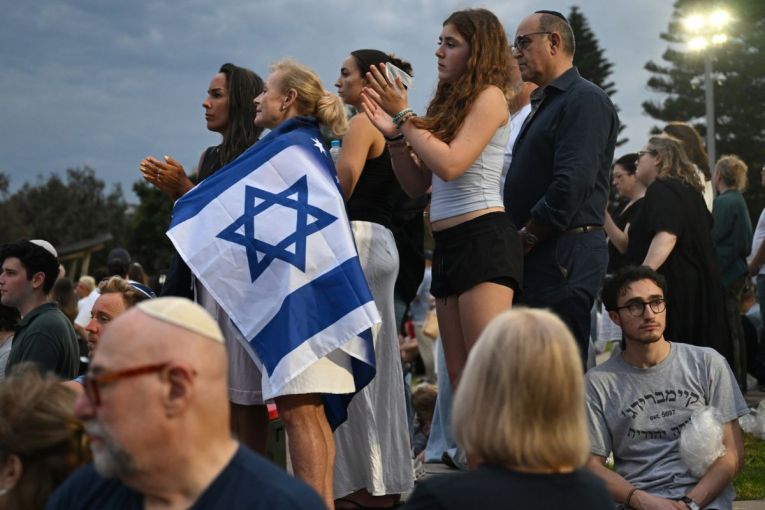
The December 2025 Bondi shooting, in which 15 people were killed, exposed how the normalisation of anti-Semitism could not be separated from threats of extremism and violence, according to Segal.
“Bondi exposed with devastating clarity that the normalisation of anti-Semitism in our institutions and public discourse cannot be separated from the threat of extremism and violence,” she said.
A main priority of the latest report was the continued embedding of the International Holocaust Remembrance Alliance definition of anti-Semitism by the Australian Government, which has faced criticism as overly prohibitive of certain speech.
The alliance considers a denial of the Jewish people’s right to self-determination to constitute anti-Semitism, with the report stating Zionism to be a form of Jewish self-determination within their “ancestral homeland”.
The report suggested it had become common, to avoid appearing “transparently and obviously anti-Semitic”, to use language which targeted Zionists rather than Jews.
The alliance definition does not consider criticism of Israel similar to that levelled against any other country as anti-Semitic.
Segel identified education efforts to reduce anti-Semitism across schools, universities, business, and the private sector as a priority, including the ongoing use of the alliance definition.
Want to see more stories from InDaily SA in your Google search results?
- Click here to set InDaily SA as a preferred source.
- Tick the box next to "InDaily SA". That's it.