Coastal alcohol bans as police crack down on revellers
Dry zones will hit more than a dozen SA beaches and parks as police crack down on excessive drinking for schoolies and festive celebrations.

South Australia’s acting assistant director of licensing Alison Selleck has declared 14 temporary dry zones in beachside locations in preparation for Schoolies and New Year’s Eve celebrations.
The temporary ban would prohibit the consumption and possession of alcohol on public land in these areas, with exceptions for those passing through or using alcohol for religious purposes.
Swathes of Victor Harbor, including Granite Island, have been declared a dry zone from November 16 to 23, while the Harbour Masters Reserve at Port Elliot has been declared a dry zone from Middleton Point Foreshore November 19 to 23 in preparation for Schoolies.
Meanwhile, Chiton Rocks car park, the stretch from Boomer Beach to Horseshoe Bay, Middleton Point Foreshore Area, Basham Beach, Goolwa Wharf Precinct and Goolwa Beach have been declared dry zones from December 30 to January 2 for New Year’s Eve.
Additionally, swathes of Robe have been declared a dry zone from December 26 to January 3 and Beachport from December 26 to January 2, while Centennial Park at Beachport (not the cemetery) and surrounding streets have been declared a dry zone from December 26 to 31.
You might like


It comes as police responded to reports of a large gathering of several hundred teenagers at Glenelg Beach and Henley Beach, who were watching a fight on the beach.
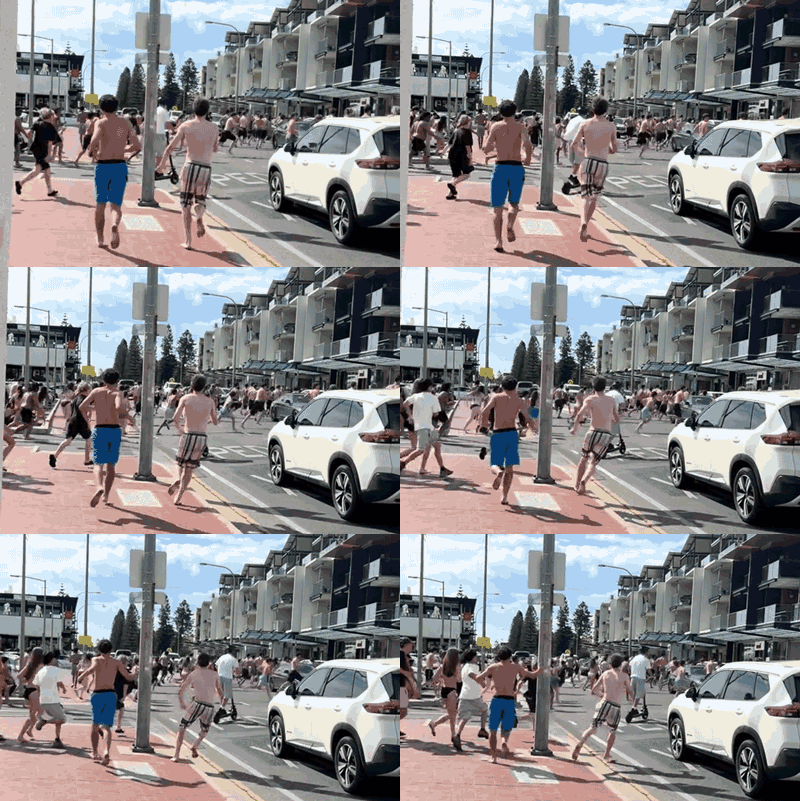
Police reported a teen after a member of the public tried to intervene and was allegedly assaulted.
Last week, Glenelg was given the status of a Declared Public Precinct, giving police extra powers such as the right to conduct metal detector searches to find weapons.
Stay informed, daily
Consumer and Business Affairs Minister Michael Brown said temporary dry zones had been used since 1999 and they “will be in place in popular public spaces such as beaches and parks to ensure community safety during Schoolies and New Year’s Eve celebrations”.
“This has been the case for many years to make sure that the people attending can enjoy themselves and consume alcohol safely. If people are going to be drinking in public, they should do so in licensed venues with RSA-trained staff, police and security available,” he said.
According to SAPOL, in 2025, there were 17 expiations, including 12 for drinking in dry zones, as well as two for public urination and two for possessing liquor in a dry zone at Schoolies.
SAPOL said there were three positive drink driving offences among the 499 driver screening tests undertaken during Schoolies in 2025, while one school leaver was issued an expiation notice for drink driving on their P plates.
There were 72 arrests during New Year’s Eve in 2025, SAPOL said, as well as 10 reports and 255 expiation notices issued for offences such as drug possession, alcohol consumption in dry zones and disorderly conduct.
Adelaide University associate professor Ben Livings, who specialises in criminal law and criminal justice, believed that dry zones were “pretty effective” at discouraging bad public behaviour at Schoolies, particularly when combined with the additional powers police are given by Schoolies being a Declared Public Event.
“So, insofar as for the Schoolies context in terms of containing the potential mayhem that could happen, it does a reasonable job. We know terrible things still happen at Schoolies, and often alcohol related,” he said.
“The danger of them is that it encourages people to preload; it encourages people to drink in maybe less safe ways insofar as they might be cloistered away in some dark place.”
However, he said that more broadly, dry zones can be problematic because they displace an activity rather than encouraging behavioural change, adding that they also impact vulnerable communities.
“I don’t think it fundamentally discourages people’s relationships with alcohol – it just makes it inconvenient to drink on the beach for example; you have to do this elsewhere or risk being fined,” he said.
“We’ve inherited the British drinking culture, which is unfortunate really. It would be nice to move to a situation where there isn’t felt to be a need for these types of fairly prescriptive laws around zones of drinking and around dry areas.”
Want to see more stories from InDaily SA in your Google search results?
- Click here to set InDaily SA as a preferred source.
- Tick the box next to "InDaily SA". That's it.