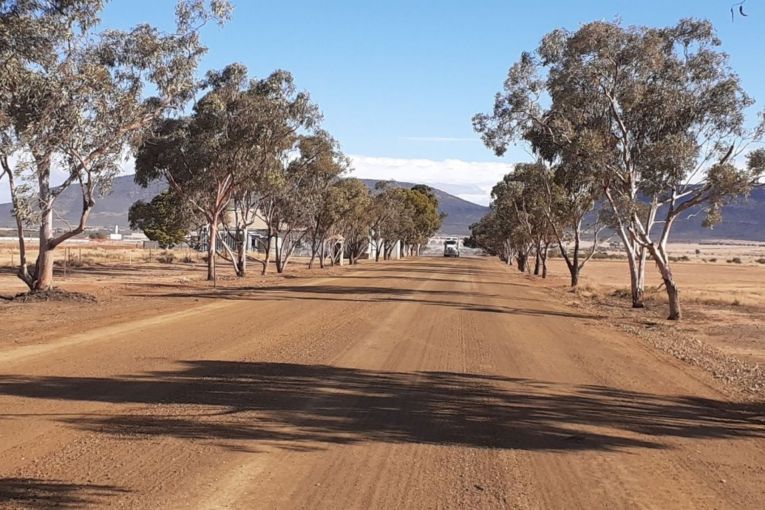
Lifeline for SA Outback roads wreaked by floods
A lifeline has been thrown to outback councils after rainfall wreaked havoc on roads as they prepared to welcome caravans full of tourists.
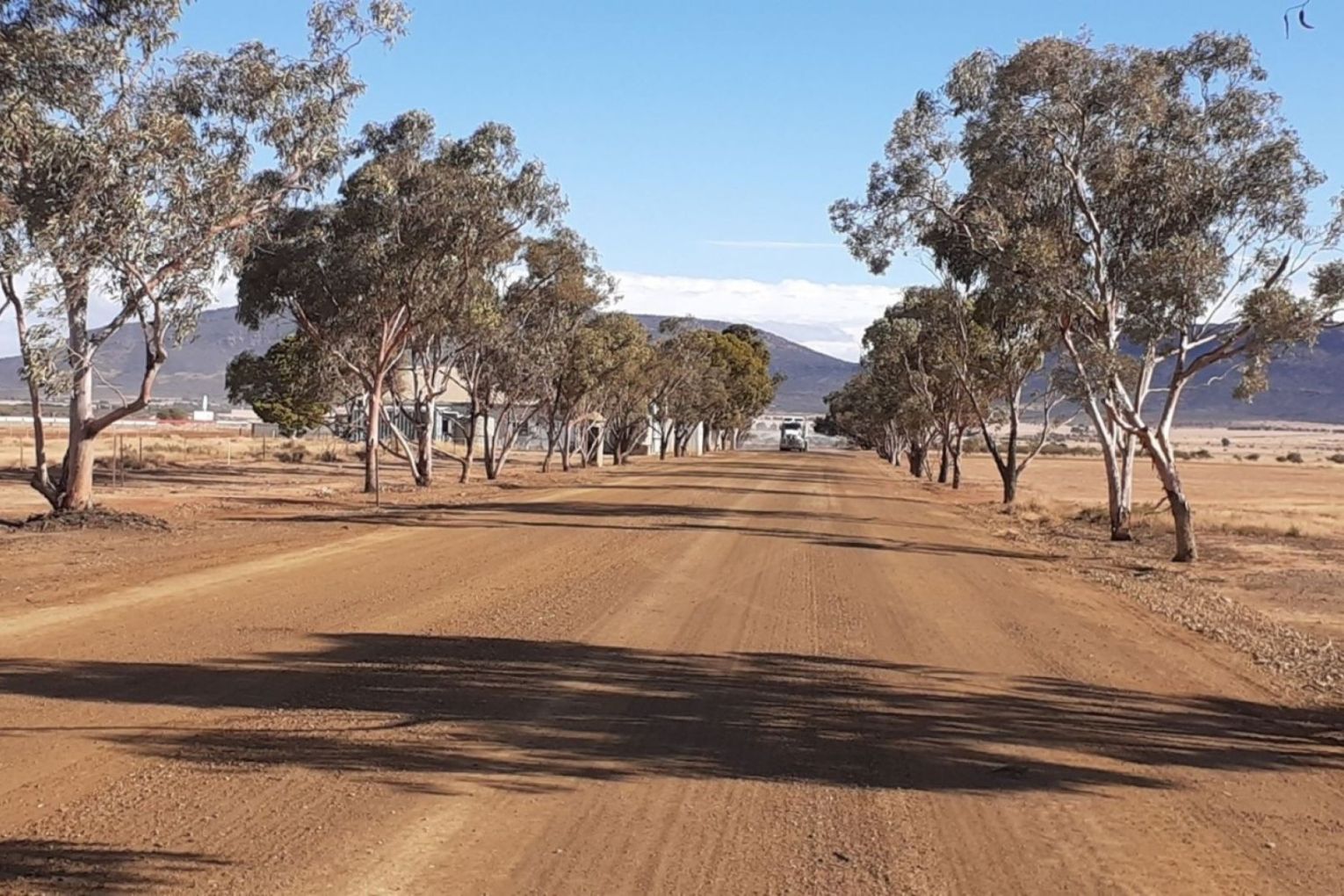
After one of the driest periods in decades, drought-breaking rainfall has dramatically transformed central Australia.
Wild flowers are in bloom and creek crossings that ran dry for more than 10 years are flowing.
However the rainfall wreaked havoc on outback roads just as the remote communities were preparing to host welcome tourists in RVs and caravans.
Flinders Ranges Council in South Australia’s far north was one of the worst hit.
A recent audit put the repair bill at $16 million, more than double the council’s 2025 annual income.
You might like

“Every single road in our road network in the council was affected,” Flinders Ranges Mayor Ken Anderson said.
“When this flood comes down, both our towns get their air strips isolated.”
For a local government of only 1670 ratepayers, covering the cost could be crippling.
Public hearings for a federal inquiry into local government wrapped up in SA after nearly three quarters of council CEOs identified financial sustainability as a major risk to their sector.
Stay informed, daily
Among the proposals was to double the financial assistance grants to one per cent of commonwealth taxation revenue and for grants to be indexed according to council needs.
Further north, Coober Pedy Council, which was put into administration in 2019, will remain so indefinitely.
Administrators warned the council was not financially ready to return to an elected body heading into the 2027 elections.
Flinders Ranges was among six councils thrown a lifeline this week with a federal Disaster Recovery Funding Arrangement in response to the severe weather and flooding experienced.
The funding will cover up to 98 per cent of Flinders Ranges Council’s original road repair costs of about $10 million.
Anderson said he was “over the moon”.
“Every now and then it rains and it pours and we’re very lucky in respect to that,” he said.
“We’ll prioritise all our works from A to Z and ongoing works will be a six-year program. The whole system will be finished.”
One of the wettest seasons in decades has at least ensured the outback region’s landscape has rarely looked so green for the busy tourism period, just months after being cut off by downpours.
“It’s going really well now. It’s probably evened itself out,” Quorn Caravan Park owner Brian Parker said.
Want to see more stories from InDaily SA in your Google search results?
- Click here to set InDaily SA as a preferred source.
- Tick the box next to "InDaily SA". That's it.