Barges reach Adelaide shores as multimillion-dollar dredging begins
Beachside locals are raising concerns over large barges starting a new dredging operation along Adelaide’s coastline.
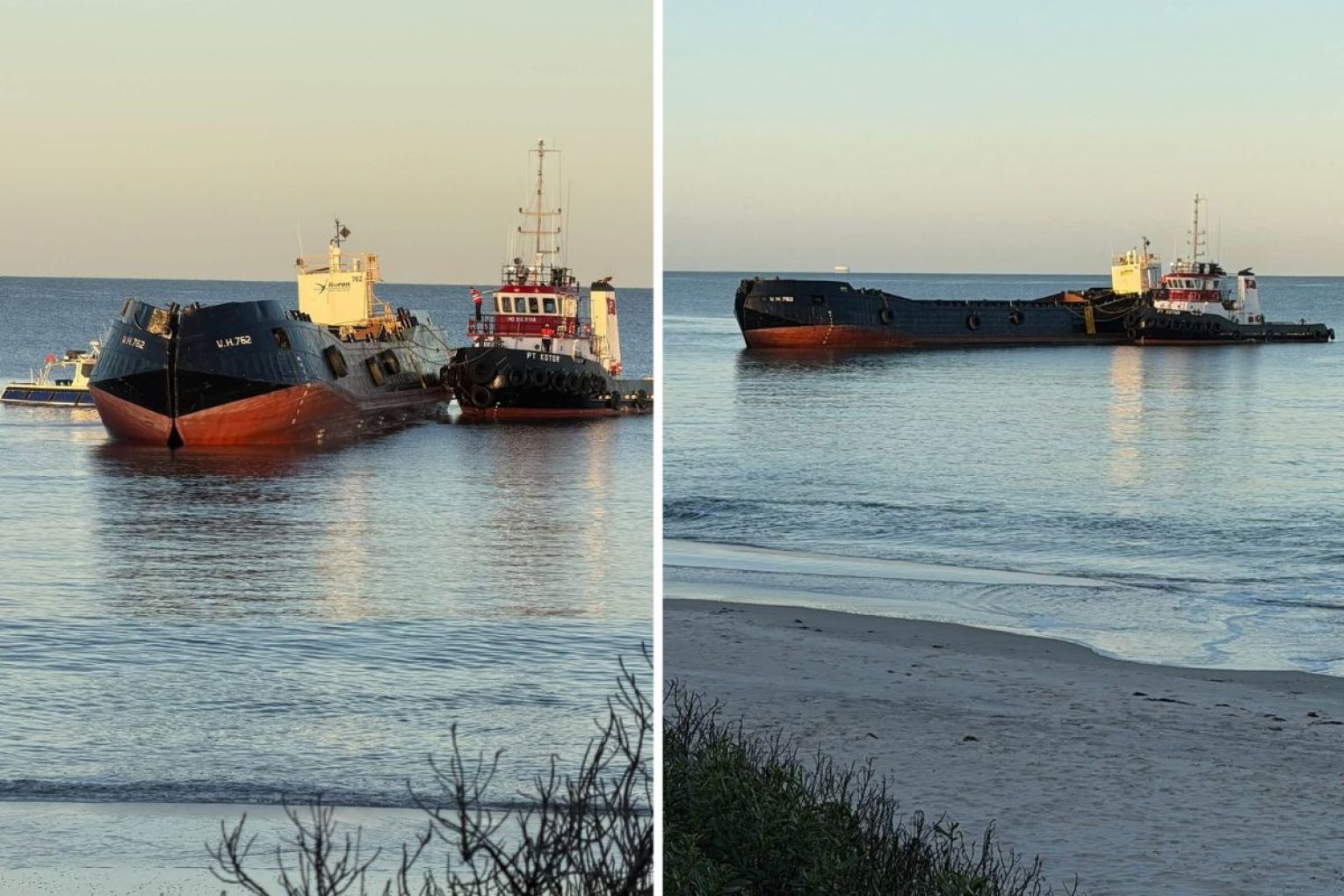
A $190 million sand replenishment plan to restore the West Beach shoreline has started with the first barges arriving in waters off Henley Beach South.
The dredging will see up to 90,000 cubic metres of sand collected from a nearshore area near North Haven Marina breakwater and delivered by barge to West Beach and Henley Beach South throughout September.
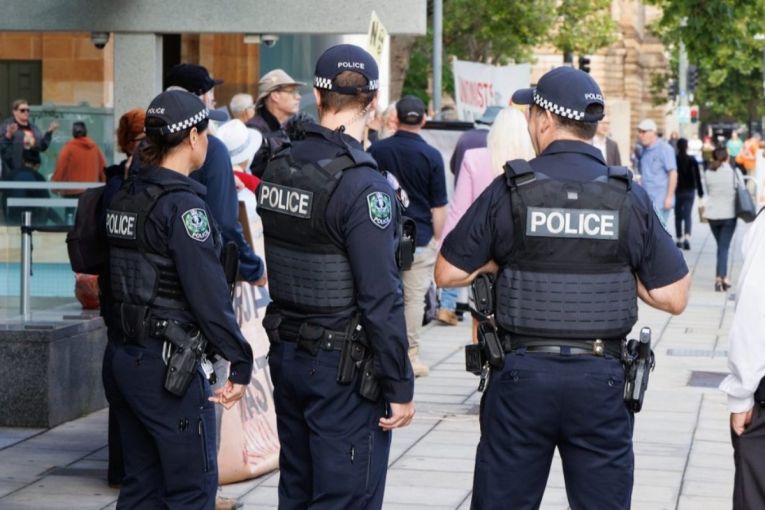
But the final plan to protect city beaches announced by the state government in January has immediately attracted complaints from West Beach and Henley Beach locals who fear the dredging would create havoc in the delicate marine ecosystem.
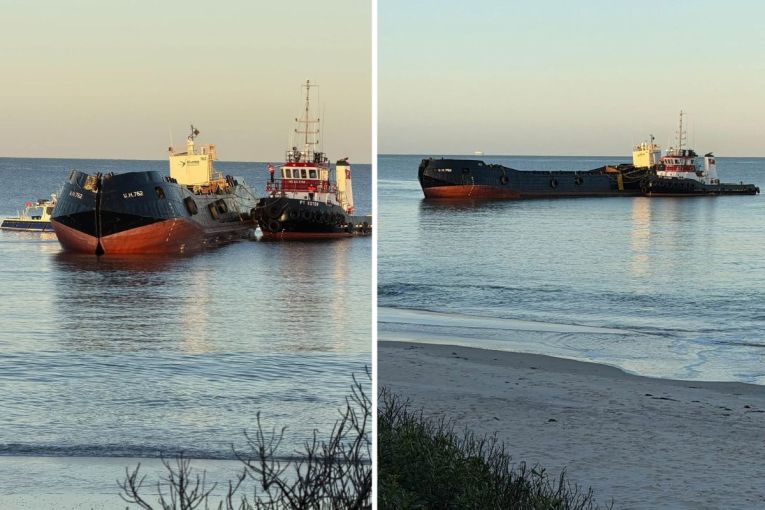
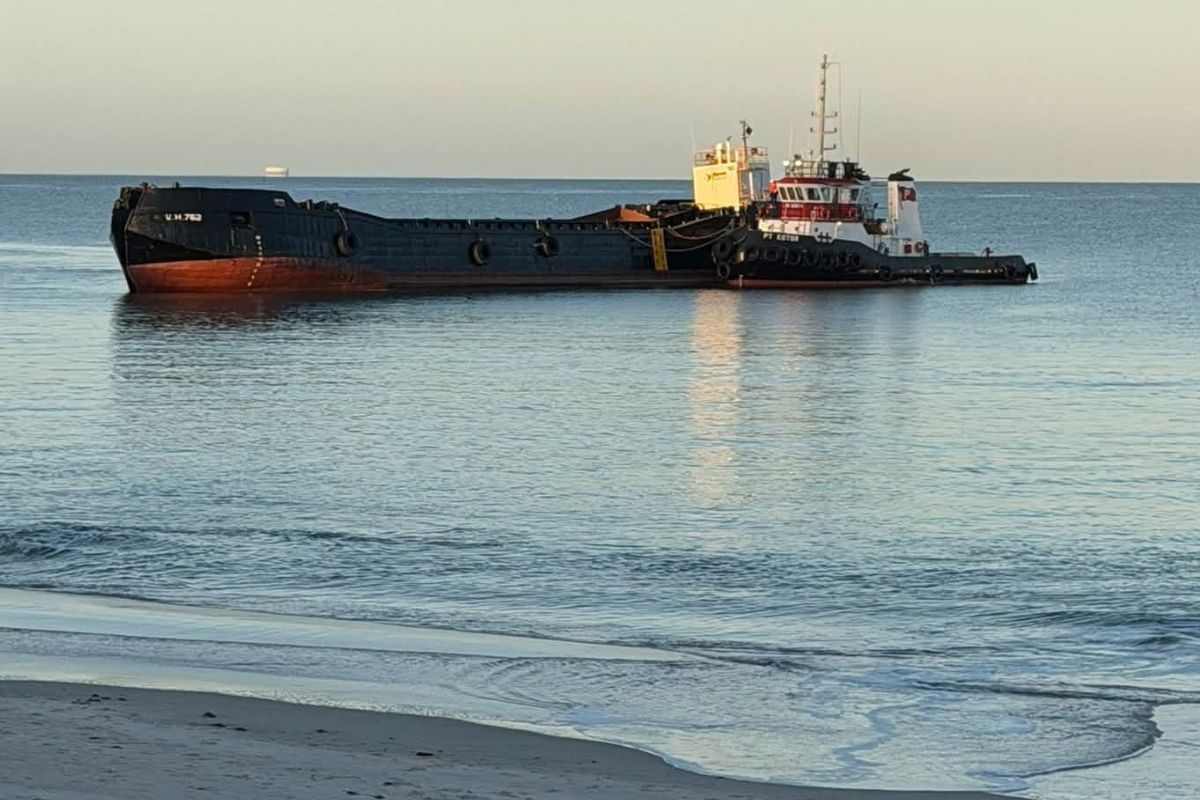
Photos circulating on social media posted by locals also showed two barges close to the Henley Beach South shore, sparking concerns the vessels had been stuck on the tide, a concern rejected by the Environment and Water Department.
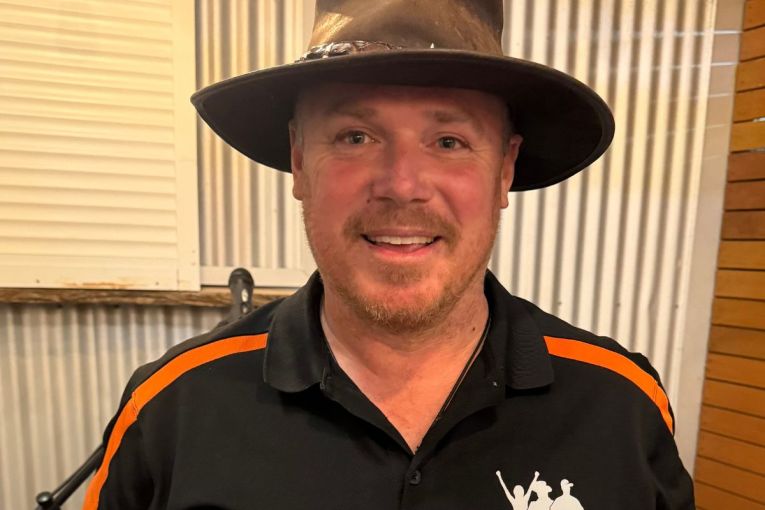
West Beach local and member of the Save West Beach Sand community Alan Young raised concerns that dredging would damage seagrass by digging up the plants and creating cloudy water that blocked sunlight.
Seagrass is vital to the marine ecosystem by absorbing carbon up to 35 times more efficiently than tropical rainforests, producing oxygen and acting as hiding spots for marine animals.
You might like

“My concern is, though, that the sand that they’re digging up is anoxic; it has no oxygen,” Young said.
“This sand has a high percentage of organic material in it. It’s not sand, and that’s what is causing the trouble for the seagrass and recovery of the crustaceans and anything else trying to survive in our shoreline.
“If we can’t support and encourage and look after seagrass, all of this is actually destroying our marine life.”
Young, who has lived at West Beach for more than 20 years, said it was a “possibility” dredging would work if “quality, oxygenated sand” was used.
“But there is no source of quality sand, to my knowledge, anywhere near the coast,” he said.
“The sand that is needed is what accrues at Semaphore and Largs Bay on land. That’s quality sand that could be somehow used either in a sandpipe or put onto a barge and brought up, and I think we’d have a chance.”
Stay informed, daily
Speaking at Parliament House on Wednesday, Environment and Water Minister Emily Bourke confirmed that dredging had officially started at Henley Beach South on Wednesday.
“This government has invested $190 million to be able to make sure that we can put an end to questions for this community time and time again trying to find a solution to sand management on this shoreline,” Bourke said.
“They now have an answer of what we will be able to do to support that community, $190 million investment, so that we can finally have the appropriate sand management on that shoreline.”
Councillor and Henley Sailing Club patron Kenzie van den Nieuwelaar said the community was also yet to see the “full effects of the dredged sediment and plumes”.
But DEW today said that the dredging vessels were not stuck and were “operating as usual”.
“Barges were operating as normal at Henley South on Thursday and were not stuck at any time,” a DEW spokesperson said.
“Barges will operate at varying distances from the shore depending on the tide. A high tide will allow barges to get closer to the shore and a low tide means they will operate further from the shore.
“The 2026 dredging operation is an important step in delivering Adelaide’s long-term beach replenishment strategy to manage erosion and sand build-up from West Beach to North Haven.”
Starting in 2027, a once-off mass restoration of the West Beach shoreline would see 400,000 cubic metres of sand collected from the Outer Harbor channel breakwater and delivered to West Beach.
That would be followed by an annual dredge of 90,000 cubic metres of sand in following years at central Adelaide beaches where replenishment was most needed.
Bourke said the Environment Protection Authority had approved a licence for the sand dredging operations to proceed following environmental management assessment and monitoring plans.
Environmental monitoring of water quality, seagrass and noise monitoring was expected to be undertaken throughout the operation.
Want to see more stories from InDaily SA in your Google search results?
- Click here to set InDaily SA as a preferred source.
- Tick the box next to "InDaily SA". That's it.