New dredging to target city beaches
West Beach locals are raising fears for the marine environment as the government pushes ahead plans for sand dredging on Adelaide’s coastline.
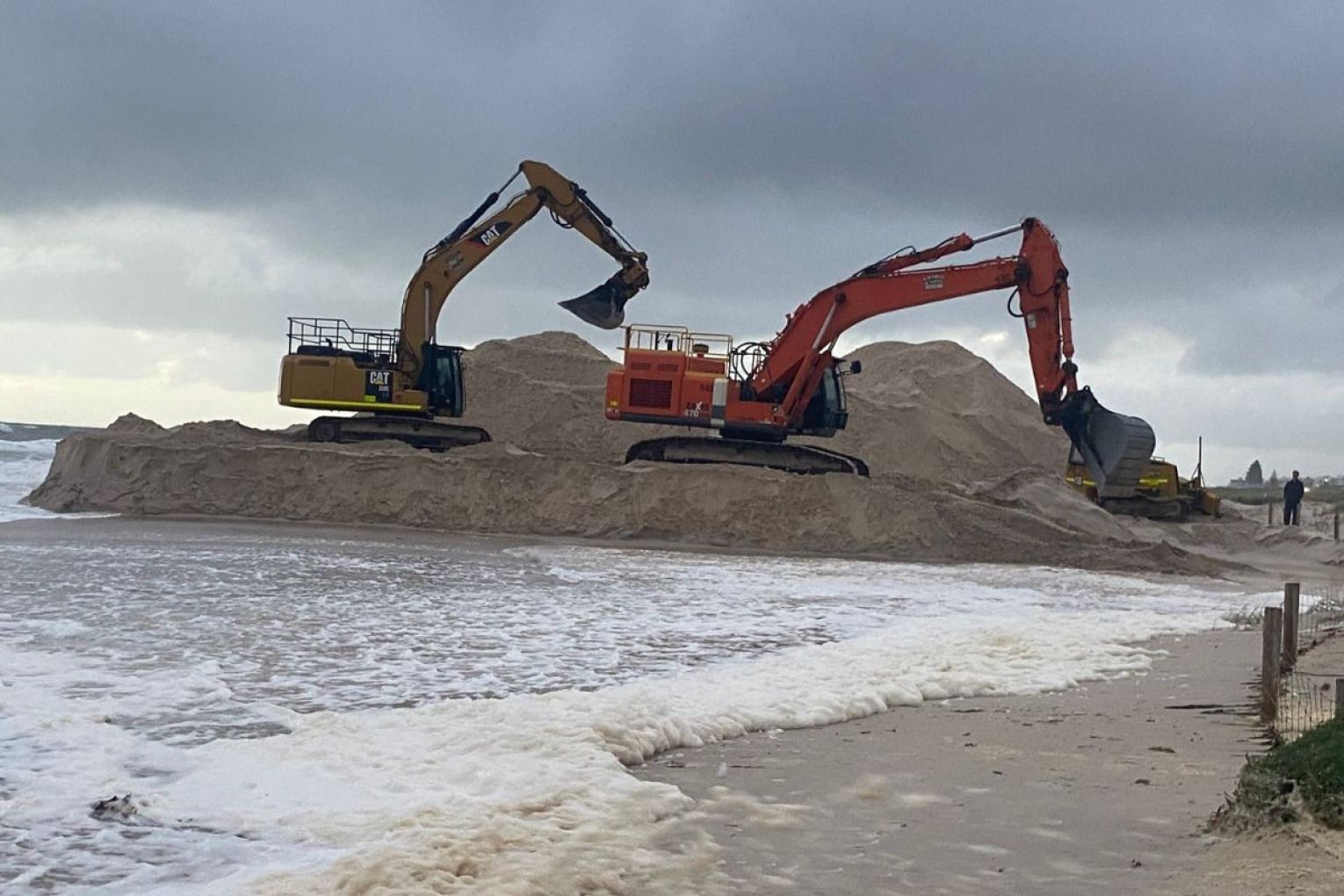
Up to 90,000 cubic metres of sand is expected to be dredged from northern Adelaide beaches to Henley Beach South and West Beach as part of a new pilot trial listed as the potential solution to Adelaide’s beach sand loss.
Public consultation for the proposed 2026 Sand Replenishment Program have quietly dropped on the EPA Public Register, raising concerns from West Beach locals.
The second phase of a dredging trial is now expected to take place from July if approved by the Environment Protection Authority (EPA), after an initial dredge trial that took place from October to November 2024.
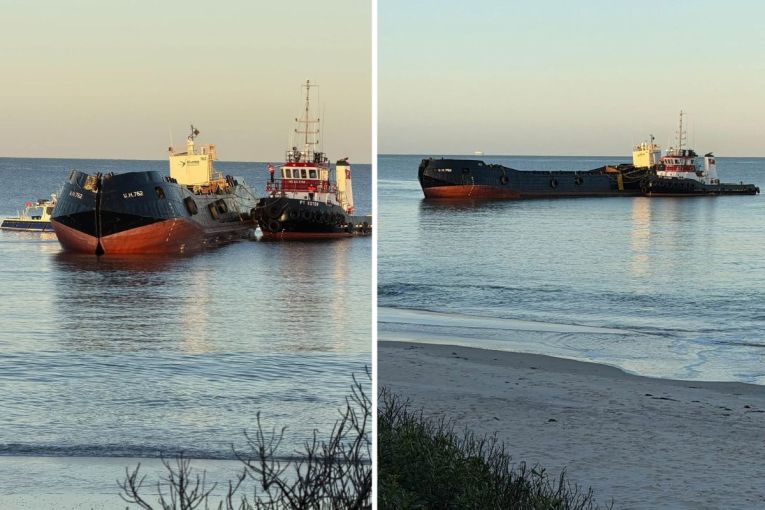
Under the proposal, sand will be collected by dredge from northern beaches at Semaphore and North Haven before being barged to West Beach and Henley Beach South and deposited into the water near the shore.
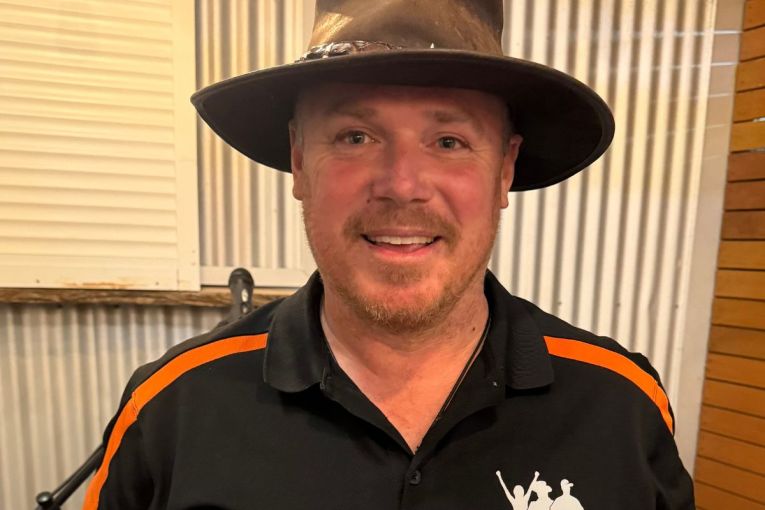
Save West Beach Sand co-administrator and surveyor John Dundon said the decision to dredge sand from North Haven to West Beach could “destroy the marine environment”.
“It’s going to destroy our gulf. No one’s dredging like this anywhere in any other gulf in the world,” Dundon said.
You might like

“The ecological damage that dredging will generate with suspended sediments released into the gulf in a fragile environment post the Karenia outbreaks could possibly reignite the algal bloom itself.
“What they do wrong out there is going to be with us for a long time to come.”
The West Beach local told InDaily a more suitable solution would be to collect sand that has accumulated north of Grange Jetty on the beach, also raising concerns about a “sneaky” public consultation.
“That Grange Jetty sand for some reason has not been identified as a suitable sand source,” Dundon said.
“The government would rather generate carnage out in the ocean than grab the sand that’s sitting there in areas where the sand never historically existed.
“Why aren’t government producing a policy that they can present and discuss with the community about how they intend to, for the next 20 years, bring sand back from the northern beaches. Why are they doing it in such a sneaky way.”
Stay informed, daily
Consultation closes on July 24, where the EPA will assess the adequacy of the plans and if a licence is granted, will require compliance with licence conditions and the implementation of community engagement throughout the project.
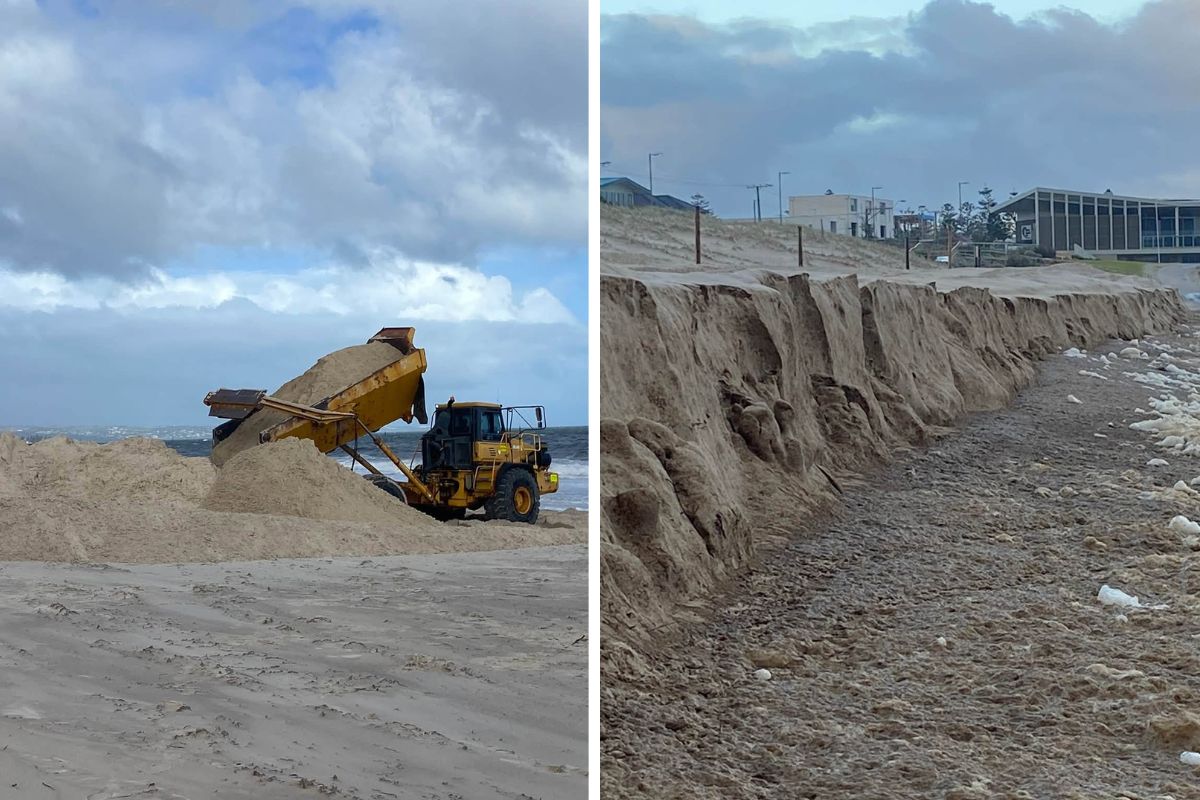
In a social media post from the Save West Beach Sand group earlier this month, truckloads of quarry sand could be seen being dumped onto the West Beach shoreline. Less than 18 hours later the sand appeared to have already eroded and washed away following a storm.
The DEW Adelaide Beach Management Review Implementation (AMBRI) Summary Report from January confirmed that dredging was the preferred option for sand movement over a sand pumping pipeline.
A state government spokesperson told InDaily the dredging trial application was promoted through a public notice on Friday, July 10 and through the Department for Environment and Water’s (DEW) Our Coast newsletter “which reaches those who have registered their interest in beach management matters before it went live”.
“It has also been promoted on the DEW website and social media,” the spokesperson said.
“Furthermore, there has been engagement about this application with local councils and MPs prior to the start of consultation – including correspondence notifying when consultation would begin. Minister Bourke will be attending street corner meetings with the local MP during August at West Beach and Henley Beach South.
“Public feedback is considered as part of the application assessment process undertaken by EPA. The EPA has undertaken a letterbox drop to over 800 nearby homes to notify residents about this consultation period. Feedback is open via the EPA’s Engage page until Friday 24 July 2026.”
According to a 2022 United Nations Environment Programme report, dredging can be “highly damaging to seabed habitats, leading to the loss and removal of species, and stress on marine life”.
“However, dredging is needed for a number of sectors that can contribute to a sustainable blue economy, such as marine renewable energy, shipping, ports and coastal infrastructure,” the report said.
The state government will establish an annual replenishment program with an estimated 90,000 cubic metres of sand collected each year from places where sand builds up including North Haven, Semaphore and Largs Bay.
They have also committed to allocate close to $56 million over five years in the 2026/27 state budget and $190 million over 20 years to restore Adelaide’s beaches, with plans to monitor water quality and vital seagrass.
Want to see more stories from InDaily SA in your Google search results?
- Click here to set InDaily SA as a preferred source.
- Tick the box next to "InDaily SA". That's it.