SA researchers send cancer cells to space
Human cells prepped in Adelaide are being launched into space in a ground-breaking mission to fight cancer.
Living human cells prepared at Adelaide’s Centre for Cancer Biology based on North Terrace will be loaded onto a European research rocket to advance cancer research.
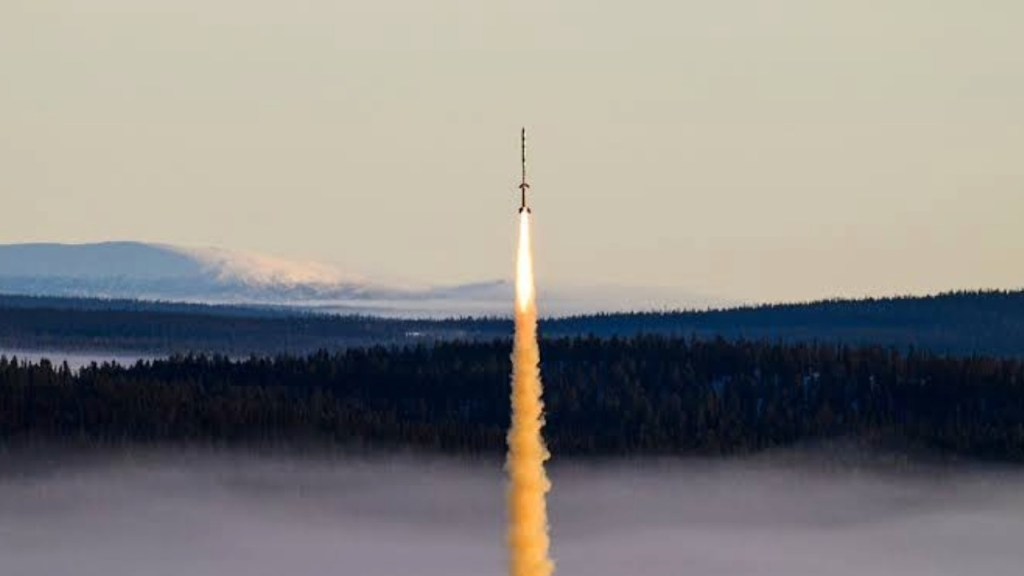
In a mission led by South Australian veteran-owned company Cambrian Defence and Space, human cells will then be launched into microgravity for five to 10 minutes in a first-of-its-kind experiment before returning to Earth for analysis.
Researchers at Adelaide’s Robinson Laboratory were making final preparations of the cancer cell samples today, before the cells depart Adelaide for Sweden, where they will be launched on a suborbital rocket by the Swedish space corporation, SSC Space, in October.
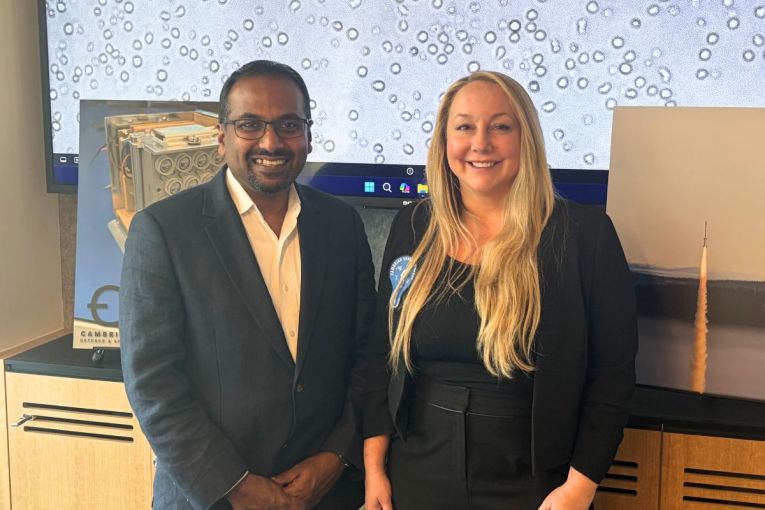
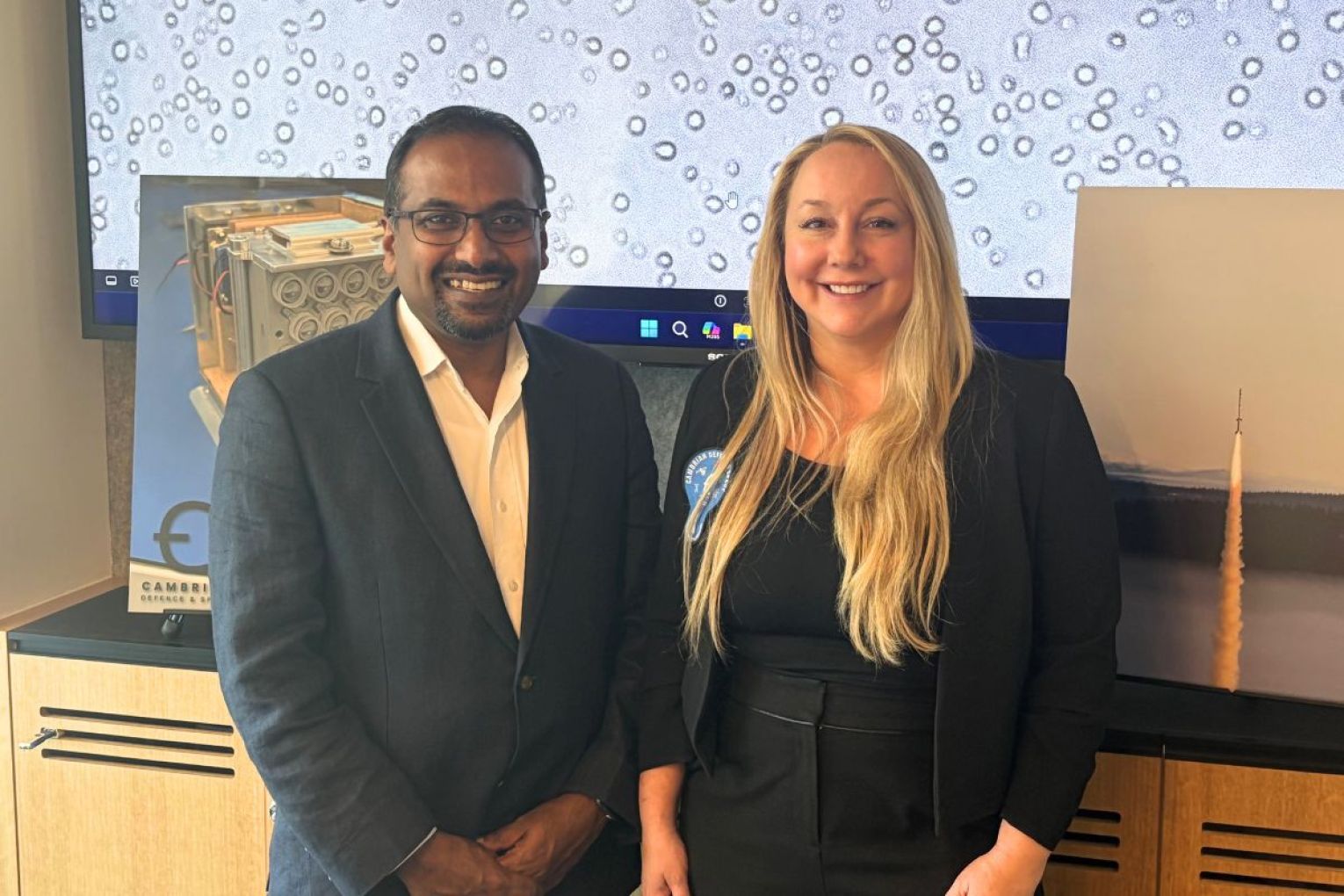
Adelaide Cancer Biology Centre’s cellular stress and immune response laboratory head Dr Nirmal Robinson said cells in space “often grow differently – sometimes forming structures that look more like real tumours or tissues”.
“It gives us a clearer window into how these cells behave,” Robinson said.
“Microgravity places human cells under a form of stress that we cannot fully reproduce on Earth, potentially revealing cellular responses and vulnerabilities that remain hidden under normal conditions.
“This mission gives us a unique window to examine how cancer-related processes respond to microgravity and what those changes may tell us about disease progression and early detection.”

Stay informed, daily
The cells will be loaded onto the Australian-owned, Swedish-built spacecraft that is engineered to keep the cells at 37°C – a physiological body temperature – throughout the microgravity mission.
Researchers explained that in microgravity, cells float freely and form three‑dimensional structures rather than settling into flat layers as they would on Earth’s gravity.
Cambrian Defence and Space CEO and Space Director Tiffany Sharp said the mission was “about more than sending human cells to space”.
“It is about creating repeatable access to microgravity for Australasian research and giving our scientists access to an extraordinary environment in which to accelerate discovery,” Sharp said.
The mission is a partnership between Cambrian Defence and Space, Blue Dwarf Space and the Robinson Laboratory at the Centre for Cancer Biology, and was funded by the state government’s Space Collaboration and Innovation Fund.
Want to see more stories from InDaily SA in your Google search results?
- Click here to set InDaily SA as a preferred source.
- Tick the box next to "InDaily SA". That's it.