Research safe and new centrepiece garden in SA Museum blueprint
The South Australian Museum has revealed its future game plan as it heals wounds from public controversy – including a new North Terrace project.
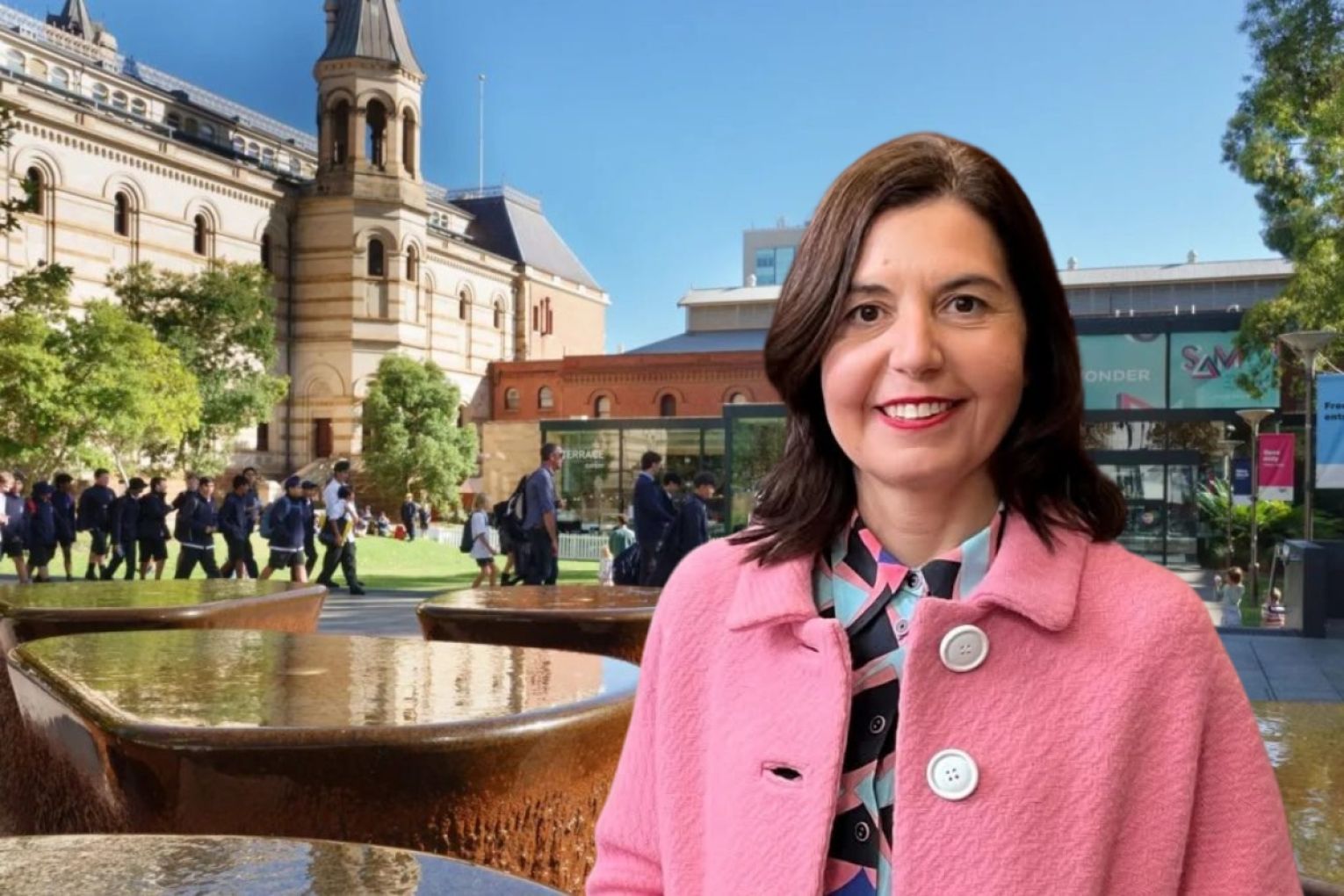
The South Australian Museum is charging forward with new blueprints prioritising research and collection care, marking the culmination of a Premier’s Review launched following controversy surrounding now-axed restructure plans.
Following extensive consultation, the North Terrace institution released its South Australian Museum Research Strategy and Collection Management Plan, with museum director Dr Samantha Hamilton saying there were no longer “ongoing challenges for the museum”.
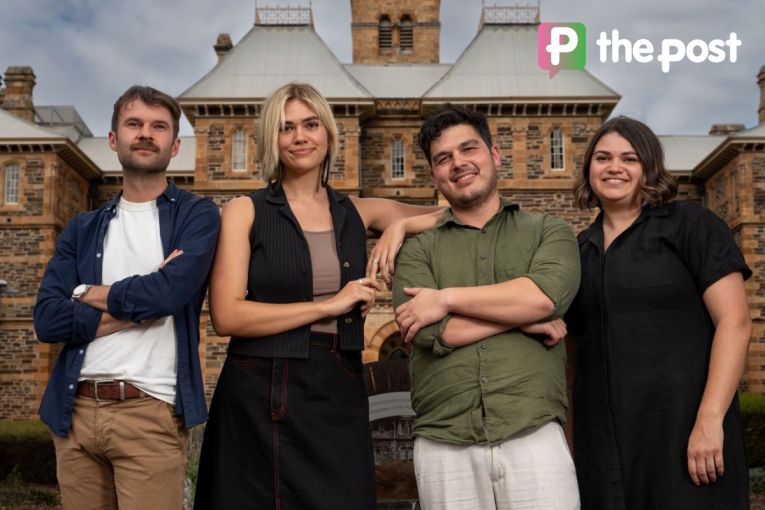
The museum is also calling for expressions of interest to plant a new garden celebrating Kaurna Aboriginal heritage, culture and knowledge in front of its North Terrace building, constructed in 1861 from Sydney freestone facings, with darker Manoora stone for decoration.
It was expected to be a place for “teaching, learning, ceremony, events and community gathering”.
It comes after prolonged controversy at the Museum, with strong backlash to a now-scrapped restructure and mooted gallery changes leading to a Premier’s Review, a parliamentary inquiry and the departure of former Museum CEO Dr David Gaimster and chair Kim Cheater.
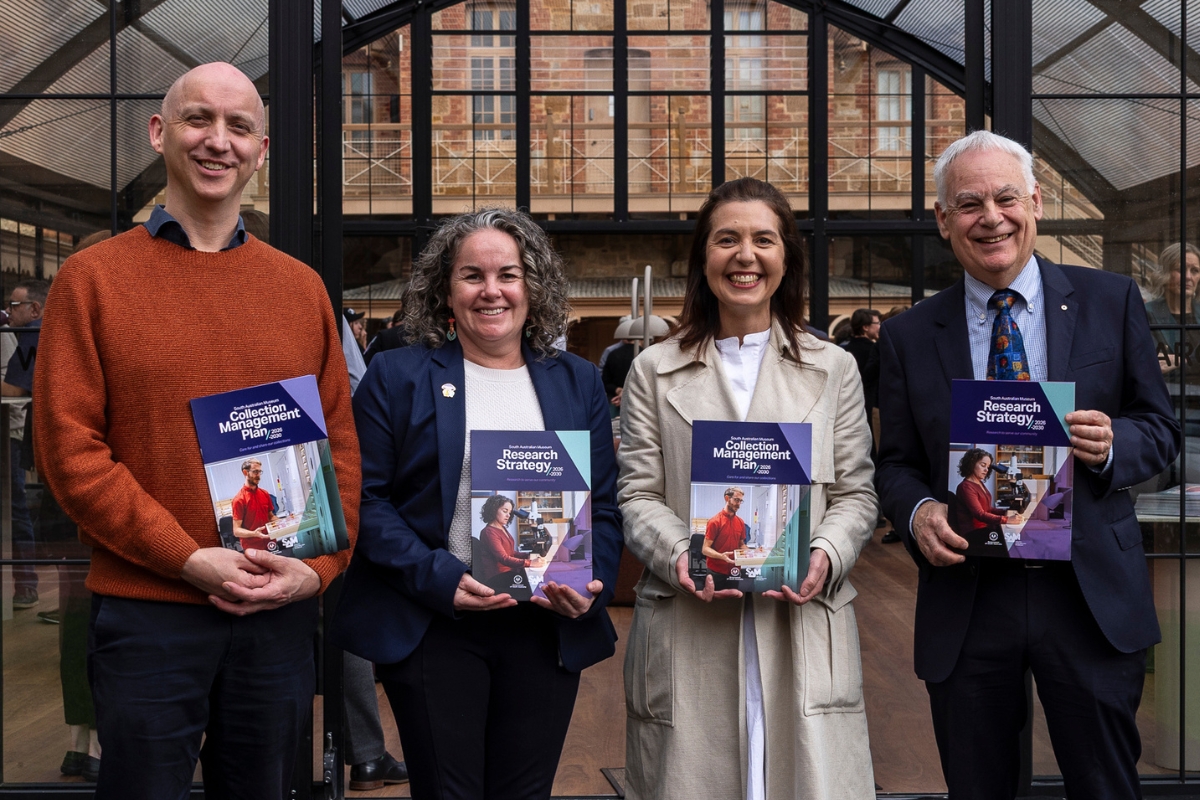
“The research strategy and collections management plan are now our guiding principles about how we’re going to care for the collection, how we’re going to conduct our research and how we’re going to engage with communities,” Hamilton said.
You might like
“I’ve been in the role for 10 months now, and we have done all the groundwork now to have very solid foundations.
“We’ve consulted, we’ve built our plans based on priorities for the state and for the communities we serve, and we are now just going to step forward in a very structured way.”
Hamilton said the museum would garner funding through the government and leverage its operating budget for collection care, while for research funding it would apply for federal government grants, along with work in partnership with universities and industry.
She believed the Museum had adequate staffing numbers to implement the plan and strategy.
“When it comes to staffing, we’ll work with the staff that we have, and we’ll prioritise the work that we do. You can’t do everything at once, so we will prioritise and do the things that are of great priority,” she said, pointing towards the South Australian Museum’s work on bird flu and the harmful algal bloom.
Hamilton said Aboriginal and Torres Strait Islander knowledge was key to its new direction, adding that research was important because the collections are primary source data.
“If it’s a fossil, well, that fossil is representing a moment in time, and so that data allows us to understand the past, but of course, it helps us inform the future and make decisions now but also in the present and then also into the future,” she said.
“The Museum is very much committed to leading with Aboriginal and Torres Strait Islander knowledges and communities and cultural authority.”
Stay informed, daily
One person close to the South Australian Museum told InDaily that with the Premier’s Review now complete, “we will see if the Premier will fund the Museum so it can function as Don Dunstan intended and as South Australians expect”.
Among the priorities listed in the Museum’s Collection Management Plan are “impact”, “custodianship with authority”, “Aboriginal and Torres Strait Islander authority”, “ethical digital access” and “partnership as a way of working”.
According to the management plan, the collection “is a living record of more than 500 million years of environmental change, of the species and ecosystems that have shaped this continent …” and “once lost, this record cannot be rebuilt”.
“Museum collections are subject to significant long-term and short-term pressures. In the long term, the Museum holds collections and expertise that require sustained, ongoing investment,” the plan states.
“Long-term taxonomic and systematics work cannot be paused and resumed. Cultural relationships take years to build. Baseline environmental data only has value if it is continuous.”
Among the challenges for the collection are “significant” registration and documentation backlogs for some collections, with metadata not consistently integrated.
“In high-volume areas, staff capacity to address this backlog is stretched or non-existent. Infrastructure in some specialist environments needs replacing to properly manage the collections,” the plan states.
Priorities of research at the museum include “caring for country and place”, “knowledges, culture and truth-telling” and “public understanding and action” to make research “accessible, trusted and usable”.
“Research gives collections meaning, context, use and value,” the strategy states, while emphasising that sustaining research strengths and building future capability are also key.
“Together they enable South Australians to ask better questions about the world around us: what has changed, what is at risk, what should be protected, what should be returned, what should be better understood, and what knowledge is needed for the future.”
The South Australian Museum will debut the 2026 Australian Geographic Nature Photographer of the Year exhibition this weekend, and is currently seeking expressions of interest for its Kaurna Living Cultural Garden Project.
Want to see more stories from InDaily SA in your Google search results?
- Click here to set InDaily SA as a preferred source.
- Tick the box next to "InDaily SA". That's it.