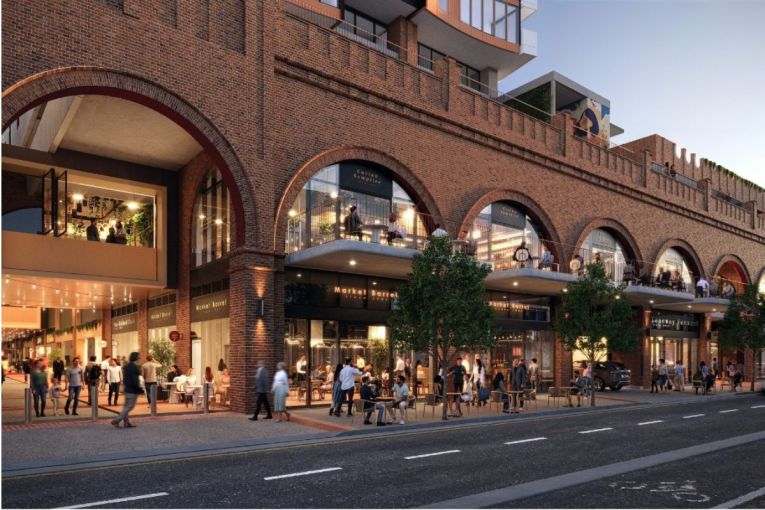
Too noisy: Loud car detection cameras for city streets?
A new plan to have special cameras installed in city streets to pick off noisy cars and hoon drivers has been given the green light.
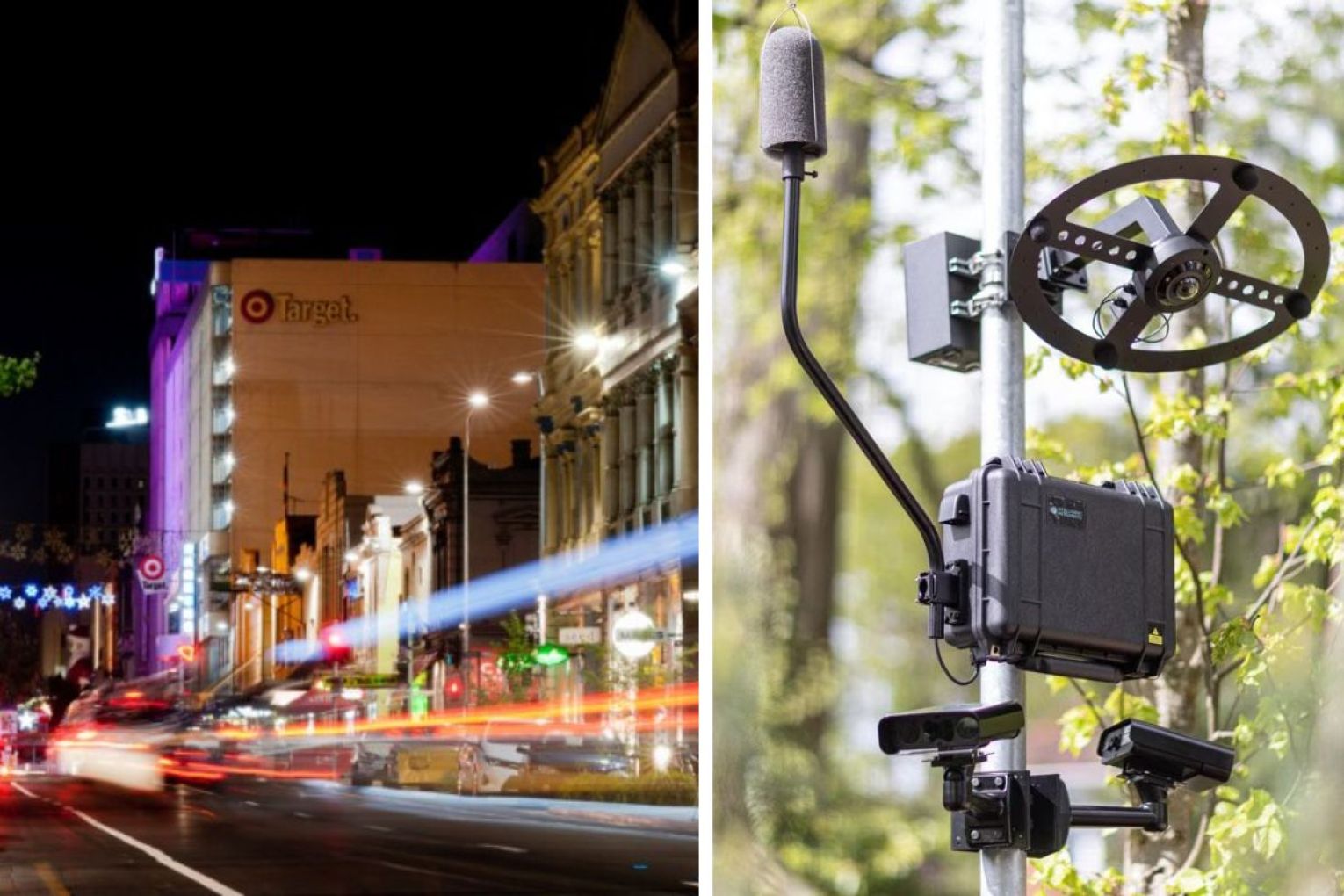
Hoon drivers and loud vehicles could soon be the target of noise detection technology throughout North Adelaide and city streets.
Adelaide City Councillors have unanimously approved a motion from councillor Phillip Martin calling for an investigation into the use of noise detection cameras to tackle “adverse levels of vehicle noise” in city streets, including on O’Connell Street and Hutt Street.
The technology would use sound level meters to detect noises above a set decibel limit, while cameras photograph vehicle licence plates of cars that exceed the limit. Drivers would first be given a written warning, but would receive fines should they offend again.
Martin told InDaily that hoon driving and excessively loud vehicles have become a “nuisance to most residents” in the CBD and North Adelaide, and has called for cameras to be used in various street locations.
“I’ve had complaints from residents of O’Connell Street and Ward Street particularly, but they are widespread complaints across the city,” Martin, whose plan is being debated in council on Tuesday night, said.
You might like

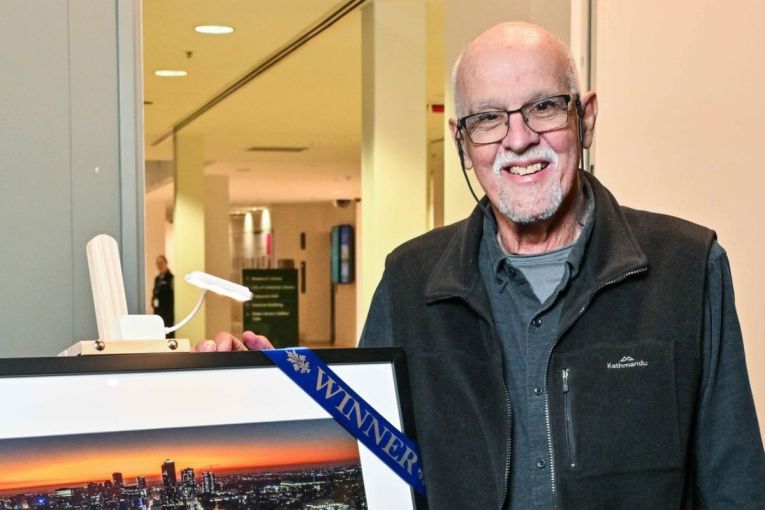
“Hutt street particularly reports instances of hoon driving and excessive noise, and so I think it could be deployed in a number of locations.
“The technology is also capable of being moved about, trials in other states used equipment that was mounted on a trailer and was able to be moved.”
Currently, South Australia Police have the power to stop vehicles and fine drivers up to $1250 for emitting noise deemed excessive from amplified sound equipment or altered exhausts if it unreasonably disturbs people nearby.
Noise detection cameras have been trialled in both New South Wales and Victoria in the past two years, with Victoria announcing in April a $1.3 million trial of seven roadside acoustic cameras that detect and photograph registration plates of excessively noisy vehicles.
Stay informed, daily
It is unclear how much the total cost of implementing the technology would be in SA, but it is understood cameras used across other parts of Australia cost upwards of $50,000 each and thousands more to maintain.
Martin said the excessive noise can be heard in nearby residents’ houses at night which disrupts them when “relaxing watching television” and “disturbs their sleep”.
“It’s impossible to have a normal life when it’s punctuated by vehicles which have been modified to emit noise that are designed to say, look at me,” Martin said.
“The behaviour that’s been identified by complainants to me is almost always at night or at weekends, and it is usually when there’s not a lot of traffic on the road or people around on the street.”
Data from a NSW trial of noise camera technology in Wollongong and Bayside councils showed that noisy driving peaked at night and on weekends.
It also showed that motorcycles accounted for 55 per cent of vehicle detections despite representing four per cent of registered vehicles, while 55 per cent of all events were caused by the same group of vehicles.
Martin will put forward a motion to investigate the implementation of noise detection cameras in the CBD on Tuesday night.
“I’m not suggesting that the City of Adelaide should be the body that is issuing please explain notices to vehicles and motorists, but I do think there’s a role for the city in helping SAPOL to get this equipment into action as quickly as possible,” he said.
Council administration will now investigate potential risks and benefits of introducing noise detection technology within the CBD, with a report to be provided by November 2026.
Want to see more stories from InDaily SA in your Google search results?
- Click here to set InDaily SA as a preferred source.
- Tick the box next to "InDaily SA". That's it.