No more SA body count reports as bird flu deaths rise
SA will no longer report individual bird flu cases but insists it is “not a reduction in surveillance or response effort”.
Primary Industries and Regional Development Minister Clare Scriven MLC has announced that South Australia will change its method of counting H5N1 Bird Flu, shifting away from reporting individual cases and associated numbers.
The change adopts an Australian government announcement earlier this week and means South Australia will “move away” from listing suspect or positive cases of bird flu in individual birds and locations.
Instead, the government will focus on reports of investigations undertaken into new events, which could involve one or a number of birds.
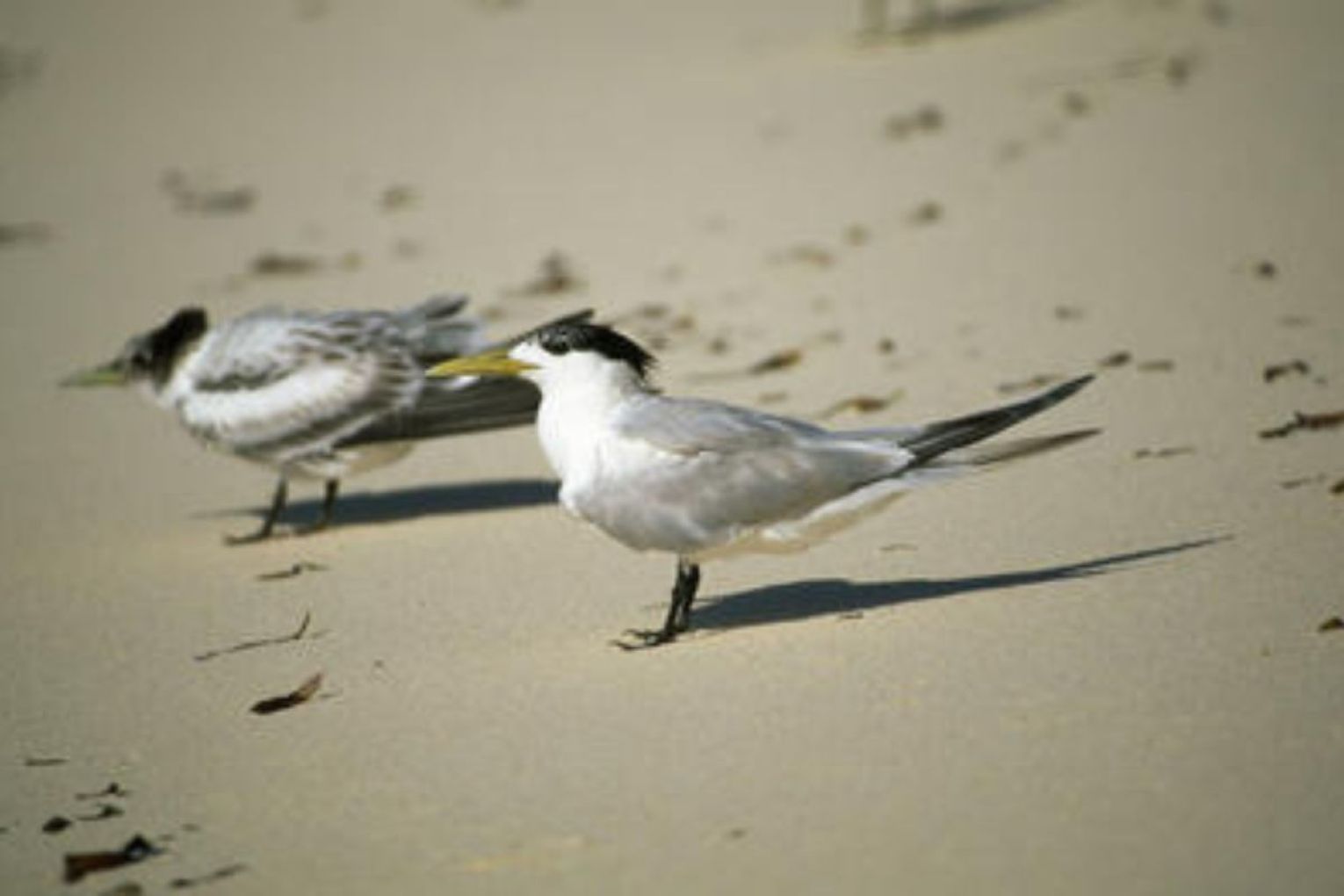
It comes after 24 new positive test results from 24 wild bird samples in SA were received since yesterday’s update.

This included 18 greater crested terns on the Limestone Coast and Fleurieu Peninsula, three silver gulls at the Limestone Coast and Fleurieu Peninsula, one peregrine falcon at Kangaroo Island and two black-faced cormorants on the Limestone Coast.
There have now been 265 confirmed positive H5 bird flu detections in South Australia.
Under the framework, Scriven said the emphasis would be on understanding where the virus was occurring, which species are affected and how the situation was changing.
Scriven said that the change was “not a reduction in surveillance or response effort”, saying it would provide “a more targeted, scientifically informed surveillance that focuses on identifying new risks and detecting disease spread”.
“As a result, Commonwealth, state and territory governments and scientific experts have agreed that counting and reporting every individual bird tested is no longer the most useful way to understand what is happening,” Scriven said.
Stay informed, daily
“The public can be reassured that the government will continue to provide clear, meaningful information as it responds to this outbreak.”
SA’s chief veterinary officer Dr Skye Fruean said that “surveillance efforts will now shift to focus on identifying infection in new species and new locations, while the monitoring of known affected species and areas will continue on a periodic basis”.
“Event-based reporting supports this approach, as it better reflects how disease spreads through wildlife populations, providing a more accurate picture of the number of separate disease incidents occurring,” she said.
The government would also work with Zoo and Aquarium Association-accredited facilities in SA to assess the suitability of vaccines for captive threatened species.
Risk to human health from H5 bird flu remains low, and there are currently no H5 bird flu detections in poultry or other livestock.
Want to see more stories from InDaily SA in your Google search results?
- Click here to set InDaily SA as a preferred source.
- Tick the box next to "InDaily SA". That's it.