Flu jabs announced in bid to save SA’s endangered birds
Species most at risk of contracting the deadly bird flu will get vaccinations as South Australia remains at the forefront of the outbreak. The federal government is changing how it counts dead bird numbers.
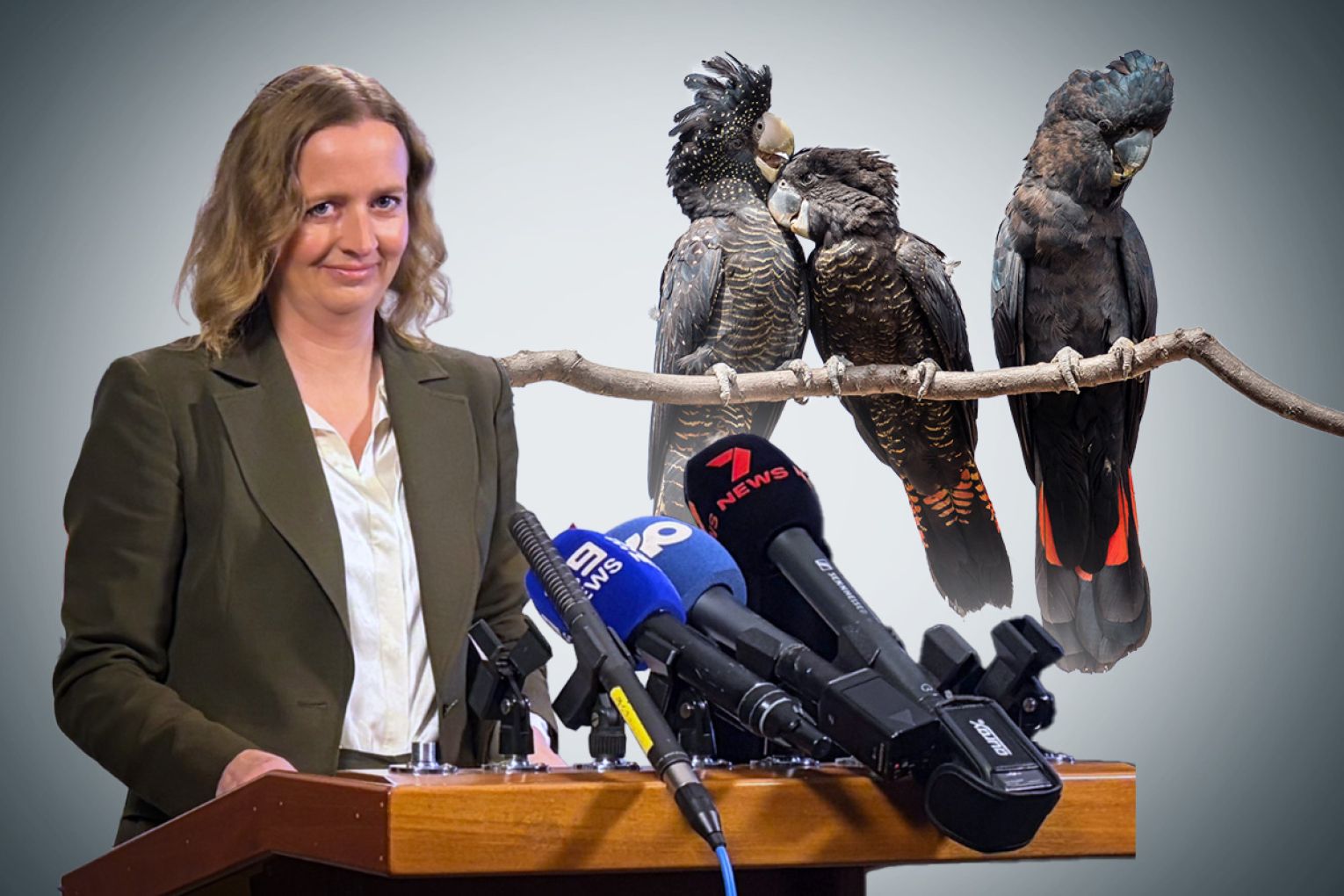
Endangered species will be vaccinated against the deadly strain of bird flu in an attempt to limit the spread of the outbreak.
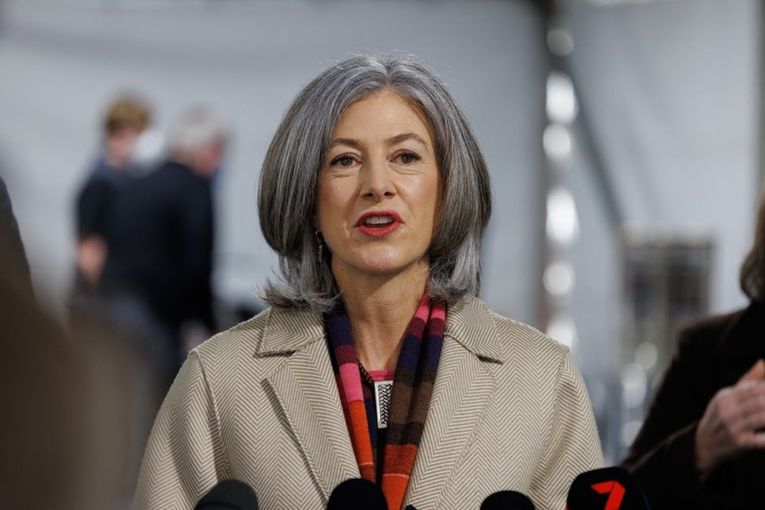
The first vaccines were set to roll out in the coming days, Agriculture Minister Julie Collins announced on Tuesday.
Species in captivity will be prioritised for the vaccination based on their vulnerability and risk of catching the H5 strain of bird flu.
“We’ve been very clear that we cannot stop the H5 bird flu from spreading amongst wild birds, but we can take action to protect the species most at risk, and the vaccination is now part of that response,” Collins told reporters in Canberra.
“Australians should expect to see more spread and larger numbers, particularly of dead birds and mass mortalities around the country from the H5 bird flu. We have been very clear that this will continue to spread across the country.”
You might like


More than 200 bird flu deaths have been reported, with the majority of cases in South Australia.
The announcement that Australia would now take action comes after New Zealand prepared before H5N1 arrived. After species-specific trials, it began vaccinating about 300 core breeding birds of rare species, including kākāpō, takahē and black stilts. These are captive or closely managed populations whose individuals can be found, vaccinated twice and monitored.
Asked last week by InDaily whether the government had considered rolling out a vaccination programme for threatened bird species similar to one underway in New Zealand, Georgie Cornish, who is executive director of biosecurity at the Department of Primary Industries and Regions (PIRSA), said PIRSA discusses vaccinations and “what works” extensively.
However, she said that vaccinations for threatened species and native birds were experimental and their effectiveness had not been confirmed, with emergency permit work still needed to be completed.
Stay informed, daily
Asked again today by InDaily if this position was now updated following Collins’ announcement, a spokesperson for SA’s Environment Minister Emily Bourke stood by the statement, meaning it remains to be seen how the rollout will take effect.
The United States acted after H5N1 killed 21 critically endangered California condors. By October 2024, 207 captive and free-flying condors had been vaccinated. The vaccine was judged safe, although two birds had treatable adverse reactions.
France has conducted a vaccine trial in wild king penguin chicks on the French sub-Antarctic island of Crozet. The vaccine produced strong, virus-neutralising antibodies without detected adverse effects.
Collins said reporting of the number of bird flu cases would also change due to the spread of the virus among species.
Counting the number of cases was no longer the most accurate picture of how the disease was spreading, the minister said.
“Our reporting will evolve to focus on confirmed H5 events and the developments that matter most, where the disease is spreading, new locations or species affected in emerging areas of risk,” she said.
The deadly strain has not been detected in the poultry sector or in the broader agricultural industry to date.
– with AAP
Want to see more stories from InDaily SA in your Google search results?
- Click here to set InDaily SA as a preferred source.
- Tick the box next to "InDaily SA". That's it.